How Much Does a Car Seat Travel Bag Cost?
A car seat travel bag usually costs roughly $15 to $80, with basic gate-check covers toward the low end and padded or wheeled bags toward the high end. Choose too little protection and you risk scuffs, broken buckles, or a damaged seat after baggage handling. This guide breaks down price ranges by bag type, what changes the cost, and which option fits your seat and trip.
Prices by bag style

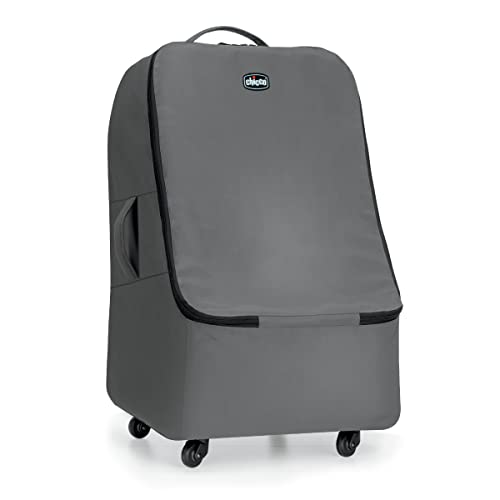
The cheapest bags are thin gate-check covers. They keep dirt off and make a seat easier to spot at the counter, but they do little against hard knocks. Backpack styles cost more because they add padded straps and more material. Rolling bags cost the most because wheels, a frame, and a more structured shell add weight and parts.
What you usually get at each price point
| Bag style | Realistic price band | Best-use case |
|---|---|---|
| Gate-check bag | $15 to $30 | Best for quick gate check, light carry, and basic grime protection |
| Backpack car seat travel bag | $30 to $60 | Best for airport walks, stairs, and hands-free carrying |
| Rolling car seat travel bag | $60 to $120+ | Best for heavy seats, long terminals, and better protection |
That spread lines up with the tradeoff most travelers face. If the seat only needs a cover before gate check, the low end often makes sense. If you expect a long walk, a heavy convertible seat, or repeated flights, paying for straps or wheels is easier to justify.
Which bag type fits your trip?
Pick the lowest-cost bag that still fits how you move through the airport. A light cover can be enough for gate check. A backpack bag works better when you need to carry a seat through terminals. A rolling bag makes sense when the seat is heavy enough that lifting it the whole way becomes the real problem.
Gate-check bag for the lowest cost
A gate-check bag is the budget choice. It is usually a lightweight cover with minimal padding, meant for the handoff at the jet bridge rather than long-distance carrying. For families trying to spend as little as possible, this is the lowest price tier and the least bulky option.
J.L. Childress Gate Check Bag is a good example of this style. Our Globetrotters lists it at 21" x 13" x 46" and 10.7oz. It packs into a built-in pouch, uses a lockable drawstring, and includes an AirTag pocket inside, which is why it costs more than the most basic fabric cover while staying in the budget class.
Backpack bag for airport walking
Backpack car seat travel bags cost more because the harness-style straps make the seat easier to carry through parking lots, shuttle stops, and terminals. They are a sensible middle tier if you do not want wheels, but you also do not want to drag a seat by hand for twenty minutes.
This style usually fits travelers who need both mobility and moderate protection. The added cost pays for comfort and control more than for hard-shell protection. If your route includes stairs, curb cuts, or tight boarding areas, backpack straps can be worth the upgrade.
Rolling bag for heavy seats and longer terminals
Rolling car seat travel bags are usually the most expensive option. Wheels and a rigid or semi-rigid base make the bag easier to move, and the structure can help shield the seat from scuffs and rough handling. They are the best fit for heavy seats and for travelers who want the least carrying effort.
J.L. Childress Wheelie Four is a reference point in this class. It has four spinner wheels, a fully padded shell, and a premium price position. If your seat is large or awkward, the wheel hardware and structure can cost more up front but reduce the strain of hauling it through the airport.
What size car seat travel bag do I need for my seat?
Size matters as much as price. A cheap bag that is too small can be a false savings, especially for tall convertible seats or wide boosters. The safest approach is to compare your seat’s open dimensions with the bag’s listed interior size, then check for brand exclusions and model-specific notes before you buy.
Common seat types and fit risk
| Seat type | Likely fit risk | What to check |
|---|---|---|
| Infant seat | Low | Base width, handle position, and whether the seat can ride without the base |
| Convertible seat | Medium to high | Open height, headrest position, and whether the shell fits the bag’s length limit |
| Booster seat | Low to medium | Shell width, cup holders, and whether the bag allows the seat to sit flat |
Open dimensions are the key. Our Globetrotters lists the VolkGo Car Seat Travel Bag at 18" x 18" x 34", the Yorepek Car Seat Travel Bag at 18" x 18" x 28", and the J.L. Childress Gate Check Bag for Car Seats at 21" x 13" x 46". Those numbers show why a tall convertible can outgrow one bag while still fitting another.
Fit risk changes with seat category. An infant seat often travels better because it is compact, though brand-specific handles and bases can still create a snag. A convertible seat is more likely to push against height limits. A booster seat may be wide or oddly shaped, especially if it has fixed armrests or cup holders.
Say your convertible seat measures close to 19 inches wide and 30 inches tall with the headrest raised. A bag listed at 18" x 18" x 28" is a poor bet even if the price looks right. In that case, the safer move is a larger bag or a different transport method.
Common first-timer mistake: buying by price alone. A booster may look small enough to fit, then the armrests catch the zipper or the shell sits too tall for the bag opening. That is where open dimensions, not marketing copy, protect your budget.
When is a padded bag worth it?
A padded car seat travel bag is worth extra money when the trip includes rougher handling, a heavier seat, or repeated flights. Padding does not make rough baggage handling harmless, but it does add a buffer against scuffs, grease, and minor bumps. If the seat is expensive or hard to replace, that buffer matters.
Protection gains versus added cost
The main gain is damage reduction. A thin cover blocks dirt and dust, but it offers limited help against pressure from other bags, conveyor edges, and the baggage carousel. A padded bag costs more because it uses more fabric, foam, and structure, all of which help keep buckles and plastics from rubbing raw.
When wheel and frame hardware matter
Wheels matter when the seat is heavy enough that carrying it becomes the deciding factor. That is where the cost of a rolling bag can be easier to justify than a cheaper bag plus a separate travel cart. Wirecutter recommends a Britax Travel Cart for lugging a seat through the airport, and it costs $110. For some travelers, that alternative is more practical than buying a premium wheeled bag.
When a basic cover is enough
A basic gate-check cover is enough when the seat is light, the transfer is short, and you mainly want to keep grime off. It is also a fair choice when the seat is already inexpensive and the trip is one-off. A low-cost cover is not the right call for a bulky convertible that will be dragged through several terminals.
Suppose a family is gate-checking a compact infant seat on a direct flight and the seat will not leave the airport staff’s hands for long. A $15 to $30 cover can be the sensible buy. If the same family is checking a large convertible on a busy connection day, the better choice is more padding or wheels.
What makes travel bags cost more?
Price climbs when the bag has more material, more structure, or more moving parts. Padding thickness, zippers, straps, wheels, and storage features all add cost. Brand names can also push the price up when the bag comes with tighter fit claims or extra convenience features.
Padding thickness and structure
More foam and stiffer panels cost more to make, and they make the bag bulkier to store. That extra structure helps the bag stand up to pressure and helps keep the seat from rubbing against hard surfaces in transit. It is the clearest reason padded and wheeled bags sit above the cheapest covers.
Wheels, straps, and carry style
Backpack straps and wheel sets are not small additions. They change how the bag is built and how much weight it can handle comfortably. A backpack-style bag usually costs more than a plain cover, while a rolling bag usually costs more than both because it needs the most hardware.
Storage pouch, lockable closure, and extras
Extras can move the price, too. The J.L. Childress Gate Check Bag includes a built-in pouch and lockable drawstring, which adds convenience without jumping into premium-wheel pricing. That kind of feature set is useful for frequent flyers who want the bag to pack small when it is not in use.
Brand premium and fit claims
Brand premium often follows fit confidence. Some makers publish open dimensions and compatibility notes, and that information can be worth paying for if your seat is borderline. The downside is that brand listings vary, and a branded claim should never replace a check of your exact car seat model.
Cost versus handling risk
The cheapest bag is not always the cheapest trip. Gate check exposes a seat to more handling than carry-on use, and checked baggage can mean contact with the carousel, stacked luggage, grease, and dirty surfaces. A better bag can reduce scuffs and grime, but it cannot make rough handling harmless.
Gate check versus checked bag handling
Gate check usually limits the time a seat spends out of your sight, but it still goes through baggage handling. Checked bags face more steps and more time in the system, which raises the odds of dirt, scraping, and hard contact. That is why many travelers treat gate check as the lower-risk option, not a no-risk one.
Carousel exposure and grime
The baggage carousel is where dirt and scuffs often show up first. A cover can keep the fabric cleaner and help prevent the seat from collecting grease from other luggage. If the seat will ride in the hold, the extra cost of padding can be easier to justify than replacing a damaged buckle or cracked shell.
The same source lists the Chicco KeyFit Max ClearTex at $200, the Graco GoMax Baseless at $250 from Amazon and $300 from Walmart, the Cosco Kids Scenera Extend Convertible at $59 from Walmart, the Graco Tranzitions 3-in-1 Harness Booster at $140 from Amazon, the Cosco Kids Finale 2-in-1 Booster at $50 from Walmart, and the Cosco Kids Rise LX Booster at $20 from Walmart. Those seat prices help frame the bag decision: a higher-end seat deserves more protection, but a low-cost seat may not justify a premium wheeled case.
When a premium bag can reduce damage risk
A premium bag makes the most sense when the seat is costly, bulky, or hard to replace. It also helps when you travel often enough that a cheap cover would wear out quickly. If the seat is an expensive infant model or a heavy convertible, the bag cost can be a small share of the total trip value.
Frequently asked questions
How much does a car seat travel bag cost?
Most car seat travel bags cost about $15 to $80. Basic gate-check covers sit at the low end, backpack styles usually land in the middle, and rolling bags sit at the top because they include more material, padding, and hardware. Very feature-heavy options can run above that range.
Are padded car seat travel bags worth the extra money?
Yes, if the seat is heavy, the trip is long, or the bag will see repeated flights. Padding helps reduce scuffs and minor impact damage, especially when the seat goes through baggage handling. If you only need a short gate-check cover, a plain bag may be enough.
What is the cheapest way to protect a car seat when flying?
A lightweight gate-check bag is usually the cheapest workable option. It keeps dirt off and gives baggage staff a clear, dedicated cover for the seat. It is best for quick handoff use, not for heavy seats or trips where the bag will be dragged across long terminal distances.
Do car seat travel bags with wheels cost more than backpack styles?
Yes. Wheels usually add cost because the bag needs a more structured base, more hardware, and more material. A wheeled bag also tends to sit at the premium end of the market. Backpack styles are usually the middle ground between basic covers and full rolling cases.
Can I use a car seat travel bag for gate check only?
Yes. In fact, many budget bags are made for gate check only. That use case is where a thin cover makes the most sense because it protects against dirt and light scuffs without adding much cost or bulk. If the seat will be checked deeper into the baggage system, consider more protection.
Products related to this article
Sponsored / affiliate links. As an Amazon Associate I earn from qualifying purchases. I may earn additional commission from eligible campaigns.
 Seat Belt Covers for Kids, 2 in 1 Car Seat Strap Covers & Auto Seatbelt Pillow for Kids nap, Car Travel Pillow & Strap Pads Cushion for headrest, Neck/Shoulder Support, fit Child, Adult, Grey;
 PartsTo Adjustable Kids Travel Car Seat Headrest Pillow with Lean Support Cushion Sleeping Travel Neck Safeguard Cushion Suitable for Kids Children Teenagers and Adults