Best Car Seats for Travel (2026): Based on Specs and Reviews
The best car seats for travel are light, compact, FAA-approved for aircraft use, and quick to install with a seat belt, LATCH, or locked seat belt; for most families, that means a travel-friendly convertible or combination seat for cars and a strapped carrier or baseless infant seat for flights. Poor fit or slow installation wastes time, adds baggage costs, and can leave you stuck without safe transport. This guide matches flights, rental cars, taxis, rideshares, and road trips to the easiest safe seat type and install path.
Quick comparison
| Product | Badge | Best for | Price | ||
|---|---|---|---|---|---|
 |
Graco Slimfit 3-in-1 Convertible Car Seat, Jarret | 3 ModesGraco | Our pick | 3-in-1 · space-saving · Jarret | $229.99
Price as of 26 Oct 2026
|
View |
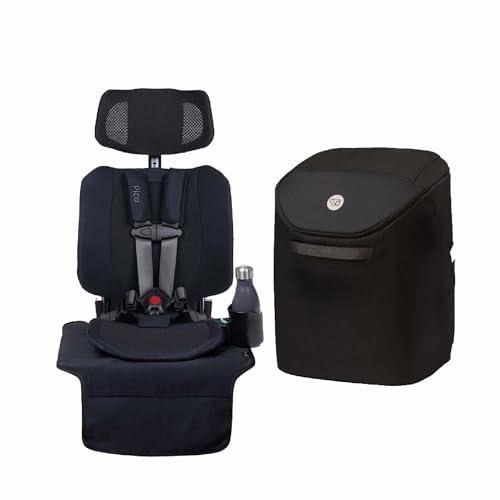 |
WAYB Pico Travel Car Seat Essentials BundleWAYB | Also great | 8 lb · foldable · travel seat | $673.55
Price as of 26 Oct 2026
|
View |
 |
Doona Car Seat & Stroller, Nitro Black – All-in-One TravelDOONA | Also great | Infant system · car-to-stroller · Nitro Black | $550.00
Price as of 26 Oct 2026
|
View |
Use the table below to match the trip before you match the product. The right choice changes fast once you separate plane use, taxi use, and road-trip use.
Travel seat decision table
| Trip type | Child stage | Minimum features | Common failure mode | Best seat category | When not to buy this |
|---|---|---|---|---|---|
| Plane | Newborn to infant | FAA-approved car seat, labeled for aircraft use, rear-facing only, easy airplane seat-belt install | Buying a seat that cannot be used on board, or bringing a base that adds weight without helping on the plane | Baseless infant car seat | Do not buy this if the child is already too tall or too heavy for the model’s rear-facing limits, or if you want one seat that also serves an older toddler |
| Plane | Older infant or toddler | FAA-approved shell, compact width, base-free install, easy buckling in a narrow row | Seat fits the child but blocks the aisle or becomes too heavy to carry through the airport | Light convertible car seat | Do not buy this if you need the easiest newborn carry and want an infant-only carrier instead |
| Rental car | Infant, toddler, or preschooler | Fast install without a base, clear belt path, predictable tight fit in many vehicles | Depending on a base you do not want to pack, then spending ten extra minutes on every transfer | Portable convertible or infant seat | Do not buy this if the child has outgrown rear-facing limits and needs a belt-positioning seat or booster |
| Taxi or rideshare | Infant to preschooler | Base-free install, compact width, easy seat-belt routing, quick carry into and out of curbside pickups | Assuming lower anchors are always available and ending up with a seat that only works well in one car | Baseless infant seat or compact convertible | Do not buy this if the seat is too wide for the back seat or too heavy to carry during frequent transfers |
| Road trip | Preschooler or older child | Comfortable strap or booster fit, easy buckling, stays secure for long stretches | Choosing the lightest seat even when the child still needs a restraint | Belt-positioning combo seat | Do not buy this if the child is not ready for booster use or still needs rear-facing protection |
A common first-timer mistake is choosing a car seat that fits the airplane seat but not the rideshare you’ll use from the airport. A seat that folds nicely may still be a poor choice if it is hard to install with a seat belt after a late arrival and a tired child.
How do you choose a travel car seat?
Start with the trip, then choose the lightest safe seat type that fits the child’s stage. For plane travel, you need a seat labeled for aircraft use. For taxis and rental cars, base-free installation matters more than a fancy accessory, because the seat has to work in vehicles you do not control.
Match the seat to the trip, not the other way around
Flying with a newborn calls for a different seat than a week of rideshares in a city. If your main need is airport use, an FAA-approved infant carrier or a travel-friendly convertible makes sense. If the trip centers on ground transport, a compact convertible or combination seat usually makes more sense than a seat built only for flying.
Check weight, width, and carry style
Weight matters because you may carry the seat through a terminal, lift it into a taxi, or move it between gates. Width matters because airplane rows and compact back seats leave little room to spare. A seat that is easy to carry but too wide can still be miserable in a narrow aircraft cabin.
Confirm install method before you leave home
For travel, installation method is often the difference between a smooth transfer and a stressful one. A base can be useful at home, but it is often dead weight on a trip. Seat-belt install, baseless carry, or rigid LATCH can be faster, depending on the vehicle and the child’s size.
Use the child’s stage to narrow the category
Rear-facing only infant seats fit newborns and smaller babies. Convertible seats cover rear-facing to forward-facing use. Belted combo seats suit preschoolers and older children who still need a restraint for some trips. Backless boosters are for bigger kids who are already booster-ready and need the lightest option.
Quick picks
- Best for flying infants: Doona Car Seat & Stroller, because it is FAA approved and turns airport movement into one system.
- Best for rental cars and taxis: Graco Slimfit 3-in-1 Convertible Car Seat, because it offers a slim profile and can stay useful past the infant stage.
- Best for preschoolers and older kids: Graco Tranzitions 3-in-1 Harness Booster, because it keeps a belted option before booster use.
- Best for airport hauling: WAYB Pico Travel Car Seat Essentials Bundle, because it weighs 8 pounds and folds compactly.
Chicco KeyFit Max ClearTex: best for flying infants
This is often a strong fit for newborn and infant travel when you want a rear-facing-only seat that can be used on an airplane. The published specs list it at about 10 pounds, with a rear-facing weight range of 4 to 30 pounds and a 32-inch height limit, which helps define the use case.
What stands out is the balance of infant sizing and travel practicality. A baseless airplane install avoids dragging an extra base through the terminal, and that matters when you are trying to keep luggage under control and get a safe install with the plane seat belt.
The drawback is obvious: it is still an infant-only seat. Once the child outgrows the rear-facing limits, you need another seat for later trips, so this is not the most economical choice for families who want one product to last through toddlerhood.
Graco GoMax Baseless: best for rental cars and taxis
This seat is often chosen by families who want an infant carrier without a separate base. The published specs list it at 11 pounds, rear-facing only, with a 4 to 30 pound range, which makes it a straightforward airport and curbside option for smaller babies.
That base-free setup is the point. It is easier to move from terminal to rental counter to vehicle when you do not have an extra piece to store. In travel use, a seat belt install is often the reality, so a model that does not depend on the base is more useful than one that only shines at home.
The drawback is that it still stays in the infant category. If your child is close to the upper rear-facing limits or you want one seat for a longer trip with an older toddler, a convertible may make more sense.
Doona Car Seat & Stroller: best for airport transfers
This is the most transport-focused option in the group. It is a recommended travel choice, and it is FAA approved for air travel, so it can serve both on the plane and through the airport without forcing you to juggle a separate stroller and carrier.
The big appeal is the fast shift from car seat to stroller. For curb-to-counter movement, that can cut down on lifting and reassembly. It also has side impact protection and an anti-rebound bar, which adds useful protection while keeping the travel system compact.
The drawback is weight and cost. Even when a product is excellent for moving through airports, it may be heavier and pricier than a simple baseless infant seat, so it is best for families who value the one-piece travel setup enough to pay for it.
Graco Slimfit 3-in-1 Convertible Car Seat: best for mixed travel
This is the right kind of seat for families who want one travel seat that can do more than a single infant trip. It grows from rear-facing to forward-facing to high-back booster use, and the slim design is the feature that matters most when you are dealing with tight back seats in rentals, taxis, or road-trip vehicles.
The adjustable headrest and no-rethread strap also help when multiple adults may be loading the child. That reduces fiddling during a rushed transfer. For travel, the useful part is not just the category shift; it is the smaller footprint that leaves more room for passengers and luggage.
The drawback is that a convertible seat is still more seat than a simple infant carrier for airplane carry. If the main need is carrying a tiny baby through terminals, this is not the lightest or simplest choice.
WAYB Pico Travel Car Seat Essentials Bundle: best for the lightest carry
This is the lightest pure travel-style option in the product list. Published details list it at 8 pounds, and the foldable frame makes it easier to carry and stow than a full-size seat. That matters when you are walking long terminal distances or moving between airport shuttle stops.
Its narrow profile is another advantage in tight travel spaces. A seat that is easier to tuck into an overhead-adjacent area, a trunk, or a hotel corner can reduce the friction that ruins travel days. The tradeoff is that light and compact rarely means least expensive.
The drawback is cost. It is a premium buy, so it makes the most sense for families who travel often enough to value portability every time, not just once a year.
Graco Tranzitions 3-in-1 Harness Booster: best for growing travelers
This seat is the better choice when the child is past the infant stage and still needs a restraint for part of the trip. It transitions from strap mode to booster mode, which gives older preschoolers and school-age kids a travel seat that does not need to be replaced immediately after one stage ends.
The compact travel profile matters for families with multiple kids or tight rows. A belted combination seat usually offers more control than a booster alone, which helps on road trips and in vehicles where buckle geometry is less forgiving. It is also a practical bridge seat for destinations that require a lot of in-and-out use.
The drawback is that it is not the lightest category. A combination seat can be easier to justify for long use, but it is still bulkier than a backless booster and not the best fit for a very small child or a family that wants the simplest airport carry.
How to choose a travel car seat
Use a four-step filter. First, pick the trip type. Second, match the child’s stage. Third, check the install method you will actually use away from home. Fourth, decide whether portability or long-term use matters more. If those answers point to different products, the trip-specific need should win.
Weight and width
Lower weight helps at airports and curbside pickups. Narrower seats help in aircraft cabins and small back seats. Travel-friendly does not mean flimsy; it means the seat is easier to move, fit, and buckle in cramped places.
Carry and install convenience
Look for a seat that is easy to grab, set down, and tighten. A simple seat-belt path can matter more than an extra feature you will never use on the road. If a seat takes too long to tighten, the trip will feel worse every time you switch vehicles.
Base versus baseless use
For infant travel, a base is often extra weight. If you are flying or taking taxis, leaving the base home can save time and hassle. A baseless install is especially useful when you do not know what car you will enter next.
Airport mobility accessories
A travel cart can make a heavy seat easier to move through the airport. It is not a safety device, but it can reduce carrying fatigue and free your hands for luggage or boarding passes. It is most useful when the seat itself is still safe but not easy to haul.
Picture a parent landing late with a sleeping 18-pound toddler and a narrow rental car in the parking lot. A seat that needs a base, a complicated recline setup, or a long lower-anchor hunt can turn a simple transfer into a mess. A seat that installs with the belt and stays compact cuts that friction fast.
What makes a car seat travel-friendly?
A travel-friendly seat is light enough to move, compact enough to fit in tight spaces, and simple enough to install without a long pause. For air travel, it also has to be labeled for aircraft use if it will go on the plane. The best travel seat solves movement and installation at the same time.
Base-free use
Base-free use matters because the base is often the part that stays at home. A seat that can be installed with a vehicle belt on its own is easier to take on planes, in taxis, and in rental cars. That flexibility is one of the biggest travel advantages you can buy.
Rideshare and taxi fit
In rideshares and taxis, speed matters because the car may arrive with little warning. Lower anchors may be unavailable, hard to reach, or not the right match for the seat. Seat-belt install is often the more realistic plan, so the travel seat should support that clearly.
Rigid LATCH, when it helps
Rigid LATCH means the seat has built-in lower anchor arms. That can make installation feel quick in vehicles with compatible anchors, especially for families who use the same seat often. It is helpful when the vehicle supports it, but it is not a universal answer for taxis and rideshares, where a seat-belt install may still be the only practical path.
European belt path
That can be useful when you want a more secure-feeling belt routing without carrying a base. It is a travel feature worth checking when you expect frequent airplane and taxi use.
How do you travel with car seats?
Traveling with a car seat works best when you pack for the install, not only for the flight. Bring the seat you actually need, confirm the aircraft label if you plan to use it on board, and decide in advance whether you will use a seat belt, rigid LATCH, or a travel cart. That prevents last-minute guesswork.
- Check the child’s weight and height limits before the trip.
- Confirm whether the seat is labeled for aircraft use if it will fly.
- Decide whether the base stays home.
- Pick the install method for each vehicle type you expect to use.
- Pack a travel cart only if carrying the seat through the airport will be a burden.
Suppose the child is 22 pounds and you are taking a flight plus two taxi rides. A rear-facing infant seat with a base-free install is often easier than a heavy setup that needs extra parts. The same family on a road trip might choose a convertible instead, because the destination car matters more than airport carry.
Can you use a booster seat for travel?
Yes, but only for a child who is already booster-ready. A backless booster is the lightest travel option for bigger kids, and a belt-positioning seat gives more support when a child is not ready for booster use alone. Do not move a child up early just to save weight or space.
A backless booster is the easiest to carry, but it is not appropriate for younger children who still need a restraint. It also depends heavily on the vehicle’s belt fit, so it makes the most sense for older kids who already sit correctly in a booster in ordinary use.
Which one should you buy?
Buy for the trip pattern you have most often. If you fly with a baby, start with an FAA-approved infant seat that can be used without a base. If you split time between road trips and rental cars, a light convertible often beats a second infant seat. If you move through airports often, a foldable travel seat or travel cart may be worth the extra cost.
Best for flying only: Chicco KeyFit Max ClearTex or Doona, depending on whether you want a simple infant carrier or an all-in-one travel system. Best for rideshares and taxis: Graco GoMax Baseless or a compact convertible, because base-free installs are the point. Best for road trips with a car seat at destination: Graco Slimfit 3-in-1 Convertible Car Seat. Best for the lightest carry: WAYB Pico Travel Car Seat Essentials Bundle.
Price and portability are real tradeoffs. The lighter and easier the seat is to move, the more likely it is to cost more, and the more often you may give up some long-term use. That is usually the right trade for frequent flyers and taxi-heavy trips.
Frequently asked questions
How do I choose car seats for travel?
Choose by trip type first, then by child stage, then by install method. For flying, pick an FAA-approved seat labeled for aircraft use. For taxis and rental cars, favor base-free installs. For older children, a belt-positioning seat or backless booster may be the most practical travel option.
Which car seat is best for airplane travel?
The best airplane seat is the one that is labeled for aircraft use, fits the child, and is easy to install with the plane seat belt. For infants, a baseless infant seat is often the simplest. For older babies and toddlers, a compact convertible can be a better long-term choice.
Do I need an FAA-approved car seat for flying?
Yes, if you want to use the seat on the airplane. The seat must be labeled for aircraft use. If it does not have that label, it should not be used on board, even if it works well in a car.
Should I bring a base when traveling with an infant car seat?
Usually no. A base adds weight and bulk, and it is often unnecessary for travel. If the seat can be installed safely without the base, that is usually the better move for flights, taxis, and rental cars.
What car seat works best for ride-shares and taxis?
A baseless infant seat or a compact convertible usually works best. Rigid LATCH can help in some vehicles, but it is not something you can count on everywhere. The key is a seat that installs quickly with a belt and does not need a base to work well.
Products related to this article
Sponsored / affiliate links. As an Amazon Associate I earn from qualifying purchases. I may earn additional commission from eligible campaigns.
 Seat Belt Covers for Kids, 2 in 1 Car Seat Strap Covers & Auto Seatbelt Pillow for Kids nap, Car Travel Pillow & Strap Pads Cushion for headrest, Neck/Shoulder Support, fit Child, Adult, Grey;
 Diono Solana, No Latch, Pack of 2 Backless Booster Car Seats, Lightweight, Machine Washable Covers, Cup Holders, Blue