How Much Do Infant Car Seats Weigh: Essential Guide
Infant car seats typically weigh between 7 and 19 pounds, not including the baby. This weight can vary based on materials, features, and brand. Choosing a lighter seat can make a big difference for everyday convenience and comfort when transporting your little one.
As a new parent or caregiver, you’ve got a lot on your plate. Adding “figuring out car seat weight” to the list might feel overwhelming, but it’s actually quite simple! We all want the best and safest option for our precious little ones. Knowing how much an infant car seat weighs is super important because you’ll be carrying it around a lot – to the car, around the store, and back home. It’s a common question, and you’re not alone in wondering about it. This guide is here to make it easy for you. We’ll break down what affects car seat weight and help you find a seat that’s a good fit for you. Get ready to feel more confident about this car seat decision!
Why Infant Car Seat Weight Matters to You
Let’s be honest, lifting a car seat with your baby inside can feel like a workout! Infant car seats are your baby’s safe haven in the car, and they need to be portable. You’ll be carrying it in and out of the vehicle frequently. Think about those trips to the grocery store, doctor’s appointments, or visiting family. A lighter car seat can make these everyday tasks much easier and more comfortable for you, especially in those early months when you might be recovering or just feeling generally tired.
The weight of the car seat itself adds to the total load you’ll be carrying. If you have a heavier seat, plus your growing baby, it can become quite a burden. This is why considering the weight from the get-go can save you a potential headache (and a sore back!) down the line. It’s about finding a balance between safety features and practical, everyday usability for your family.
Understanding Infant Car Seat Weight Ranges
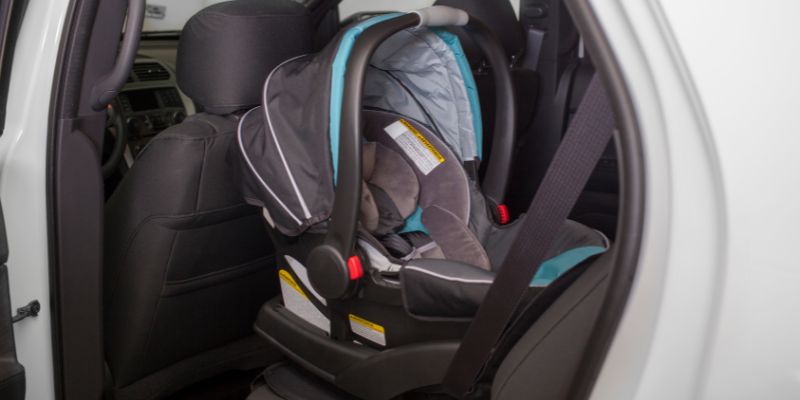
When we talk about infant car seats, we’re usually referring to the “carrier” style seats that click into a base. These are designed to be easily removed from the car and carried with your sleeping or fussing baby. The weight of these carriers can range quite a bit. Most infant car seat carriers fall into a general weight category, but there are definitely outliers.
Generally, you’ll find most infant car seat carriers weighing between 7 and 19 pounds. This number doesn’t include the weight of your baby, of course! The base that stays in the car usually has its own sturdy weight, but that’s not a factor in how much you’ll be carrying.
What Contributes to the Weight?
Several factors influence how much your infant car seat weighs. Manufacturers use different materials and incorporate various features, all of which add pounds. Understanding these can help you appreciate why some seats are heavier than others:
- Materials: The type of plastic used for the shell, the padding, and the canopy all contribute. Lighter, high-strength plastics and lighter fabrics can reduce overall weight.
- Safety Features: Advanced side-impact protection systems, extra layers of energy-absorbing foam, and robust frame designs are crucial for safety but can add to the weight.
- Additional Features: Some seats come with features like anti-rebound bars, adjustable headrests with integrated harnesses, or even built-in cup holders, all of which can slightly increase the weight.
- Weight Capacity: While not directly about the seat’s empty weight, understand that seats have weight limits for the child. Infant seats are typically for newborns up to around 20-35 pounds, depending on the model.
Average Weight of Popular Infant Car Seats
To give you a clearer picture, let’s look at some examples. Keep in mind that these weights are for the infant carrier itself, without the base or the baby. Prices and specific models can change, so what’s popular today might be different tomorrow, but these give you a good idea of the typical range.
Here’s a look at the approximate weight of some well-known infant car seats. This information is based on manufacturer specifications and can vary slightly by retailer or model year.
| Brand & Model Example | Approximate Carrier Weight (lbs) | Key Features Mentioned |
|---|---|---|
| Chicco KeyFit 30 | 9.5 lbs | Easy install, premium padding |
| Graco SnugRide 35 Lite LX | 7.2 lbs | Lightweight design, infant head support |
| UPPAbaby MESA | 9.9 lbs (without infant insert) | SMARTSecure features, direct-connect system |
| Britax B-Safe Gen2 | 11.5 lbs | Steel frame, Britax SafeCell Protection |
| Nuna PIPA Lite LX | 7.9 lbs | Dream drape, no-rethread harness |
| Cybex Aton 2 | 11.2 lbs | Linear Side-impact Protection, European routing option |
As you can see, there’s a noticeable difference, even within popular brands. The Graco SnugRide 35 Lite LX is one of the lighter options, while the Britax B-Safe Gen2 is on the heavier side. These are just examples, and it’s always best to check the specific model you are interested in for the most accurate weight information.
How to Find the Car Seat Weight
Don’t worry, finding the weight of a car seat is straightforward! You don’t need a special tool or a trip to the scales. Here are the easiest ways to get this information:
- Check the Product Packaging: If you’re buying in-store, the box will almost always list the weight of the car seat carrier and often the base separately. This is usually found in the “specifications” or “details” section.
- Read the Product Description Online: When shopping online, the product page on the retailer’s website (like Amazon, Target, buybuy BABY) will have a detailed specifications or technical details section. This is where the weight, dimensions, and other important info are listed. Look for “Product Weight” or “Item Weight.”
- Consult the Manufacturer’s Website: The official website for the car seat brand (e.g., Chicco, Graco, Britax) is the most definitive source. They’ll have detailed product pages for each model, clearly stating weights and measurements. This is also a great place to download the user manual, which is invaluable for installation and use.
- Look for Reviews and Comparison Sites: Many parenting blogs, safety organizations, and consumer review sites compare car seats and will list their weights. Be sure to trust reputable sources. For example, the National Highway Traffic Safety Administration (NHTSA) provides a lot of great information on car seat safety and installation. You can learn more about proper car seat installation on their website.
Remember to look for the weight of the carrier only. The base is designed to stay in the car, so its weight isn’t a factor in how much you’ll be physically lifting and maneuvering the car seat on a daily basis.
Factors Influencing Your Decision Beyond Weight
While the weight of an infant car seat is a significant practical consideration, it’s crucial not to let it be the only factor. Safety is paramount, and a slightly heavier seat might offer better protection, more comfort for your baby, or an easier installation process, which is also a huge win for parents.
Consider these additional points when choosing an infant car seat:
- Safety Ratings: Always check for safety certifications and ratings from organizations like NHTSA. Ensure the seat meets or exceeds federal safety standards.
- Ease of Installation: A seat that is difficult to install correctly can compromise safety, no matter how light it is. Look for features like clear belt paths, easy-to-use LATCH systems, and bubble indicators. Many parents find seats with a “click” or “lock-off” mechanism for the seatbelt easier to install securely.
- Compatibility with Your Vehicle: Not all car seats fit perfectly in all cars. Check the manufacturer’s vehicle fit list or try fitting it in your car if possible before purchasing.
- Compatibility with Your Stroller: If you plan to use the infant car seat with a stroller (creating a travel system), ensure they are compatible. Many brands offer adapters or specific strollers designed to work with their infant car seats.
- Baby’s Comfort Features: Look for features like adjustable headrests, comfortable padding, and good ventilation. Some seats come with infant inserts to provide better support for newborns.
- Durability and Longevity: While infant seats have a weight and height limit, some may last longer than others if they accommodate a wider range. Also, consider how well the materials will hold up over time.
A common mistake is focusing solely on weight and overlooking critical safety or usability features. For instance, a seat that’s a pound or two lighter but is notoriously difficult to install might not be the best choice. Conversely, a slightly heavier seat that clicks into its base with confidence and offers superior side-impact protection could be the better option for your peace of mind.
Car Seat Weight: Pros and Cons of Lighter vs. Heavier Seats
To help you weigh the options, let’s look at the advantages and disadvantages of lighter versus heavier infant car seats.
Lighter Infant Car Seats
Pros:
- Easier to Carry: This is the most obvious benefit. Less strain on your back, arms, and shoulders, especially when dealing with a wiggly toddler or a newborn who needs constant comfort.
- Convenience for Daily Errands: Maneuvering a lighter seat through crowded stores or up and down stairs is significantly easier.
- Less Fatiguing: In those early weeks and months, less physical strain means more energy for your baby.
Cons:
- Potentially Fewer Features: Sometimes, manufacturers achieve lower weights by using less robust materials or omitting certain advanced safety features (though this is becoming less common with modern designs).
- May Feel Less Substantial: Some parents might perceive lighter seats as being less sturdy, even if they meet all safety standards.
- Might Outgrow Sooner: While not always linked to weight, some ultra-light models might have lower weight or height limits than their heavier counterparts, meaning you might need to switch to a convertible car seat sooner.
Heavier Infant Car Seats
Pros:
- Often Packed with Features: Heavier seats can sometimes indicate more robust construction, advanced safety systems (like steel frames or extra foam), and more comfortable padding.
- Sense of Security: Some parents feel a heavier seat is inherently safer, though again, all approved seats meet rigorous standards.
- Potentially Greater Longevity: Some heavier models may offer higher weight or height limits, potentially extending their usability for your child.
Cons:
- Difficult to Carry: This is the primary drawback. Carrying a heavy seat, especially with a growing baby, can be physically demanding and uncomfortable.
- Less Convenient for Daily Travel: Transporting a heavy seat can make quick trips more of a chore.
- Can Be More Fatiguing: The added weight can contribute to tiredness, making everyday tasks more taxing.
When making your choice, think about your own physical comfort and how you plan to use the car seat. If you’ll be doing a lot of “in and out” with the seat, a lighter option might be a lifesaver. If you tend to leave the seat in the car more often and prioritize advanced features, a slightly heavier one might be worth it.
When Does Car Seat Weight Really Matter Most?
The importance of car seat weight can shift as your baby grows and your routine evolves. It’s most relevant during the infant stage because:
- Frequent Removal: This is the period when you are most likely to be taking the infant carrier in and out of the car regularly for appointments, errands, or visits.
- Baby’s Weight is Still Manageable: While babies grow quickly, a newborn’s weight is usually less of an issue. However, as your baby approaches the maximum weight limit of the infant seat (often 22-35 lbs), the combined weight of the seat and baby can become substantial if the seat itself is already heavy. A 10-pound seat with a 25-pound baby is easier to carry than a 18-pound seat with a 25-pound baby!
- Parental Recovery: For mothers, especially those who have had C-sections or difficult births, carrying extra weight can be particularly challenging in the postpartum period.
Once your child transitions to a convertible car seat (which stays installed in the car), the weight of the seat becomes less of a personal carrying concern, though it still matters for installation stability. For the infant carrier phase, however, minimizing your lifting burden is a practical measure that significantly impacts daily life.
Tips for Choosing the Right Infant Car Seat
Aside from weight, here are some more tips to help you select the perfect infant car seat:
- Test Drive (if possible!): If you can, visit a baby store and lift a few different models. Try putting them on a stroller if you plan to use them as a travel system.
- Read Reviews from Real Parents: Look for reviews that mention ease of carrying, installation ease, and overall satisfaction.
- Consider Your Lifestyle: Are you constantly on the go? Do you have multiple cars? Do you rely heavily on a stroller? Your daily routine should heavily influence your choice.
- Check Expiration Dates: Car seats have expiration dates. Ensure the one you buy has plenty of life left in it. This information is usually printed on the seat.
- Don’t Overlook the Base: While the carrier weight is key, ensure the base is easy to install securely in your specific vehicle. Some bases have features like integrated belt lock-offs which can simplify installation.
Ultimately, the “best” infant car seat is one that fits your baby safely, installs correctly in your car, and is practical for your family to use every day.
Frequently Asked Questions about Infant Car Seat Weight
Here are some common questions parents have about infant car seat weight:
Q1: Is a lighter infant car seat always safer?
A1: Not necessarily. All car seats sold in the United States must meet federal safety standards set by the NHTSA. While lighter seats are more convenient, safety is determined by design, materials, and rigorous testing, not just weight. Focus on seats with excellent safety ratings and features.
Q2: Can I take the car seat out of the base to weigh it?
A2: Yes, most infant car seats consist of the carrier and a separate base. The weight you’ll be carrying is that of the carrier itself. The base stays secured in the car. You can usually purchase the carrier separately or remove it from the base for a more accurate idea of its standalone weight before purchasing.
Q3: Do stroller travel systems add extra weight?
A3: Yes, when you combine an infant car seat with a stroller, the total weight increases. Strollers themselves can range from lightweight umbrella styles to heavier, feature-rich models. It’s a good idea to check the weight of both the car seat and the stroller if you plan to use them together as a travel system, especially if you’ll be lifting the stroller frequently.
Q4: How much does a convertible car seat weigh compared to an infant seat?
A4: Convertible car seats, which are used from birth through toddlerhood and stay installed in the car, are generally much heavier than infant carriers. They can weigh anywhere from 15 to 50 pounds or more. This is because they are built sturdier to accommodate a larger child and are not designed to be removed from the car regularly.
Q5: If a car seat is much lighter, does that mean it has fewer safety features?
A5: Not always. Modern advancements in materials science allow manufacturers to create strong, lightweight components. However, some ultra-light models might have fewer “convenience” features, or their weight limits might be lower. Always compare the specific safety features and specifications for any seat you’re considering.
Q6: At what age or weight should I stop using an infant car seat?
A6: You should stop using an infant car seat when your child reaches either the maximum height or weight limit specified by the car seat manufacturer. These limits are clearly stated on the seat’s tags and in the manual. Typically, infant seats are outgrown around 20-35 pounds or