Best RCA Cables for Car Audio (2026): Based on Specs and Reviews
Choose twisted-pair, well-shielded RCA cables with solid connectors and the shortest length that reaches the amp. For many trunk installs, about 16 to 20 feet of RCA cable covers the run with a little slack. Poor RCA choice can add alternator whine, intermittent signal dropouts, and ground-noise headaches that take hours to trace. This guide starts with the failure modes, then shows how shielding, length, connector fit, and channel count should match your install.
Quick picks
Start with the noise problem, not the marketing copy. The right cable depends on whether you need the strongest rejection of alternator whine, a long trunk run, or a budget 2-channel link to a single amp.
| Pick | Best for | Key spec | Tradeoff |
|---|---|---|---|
| Stinger SI8417 | Multi-amp installs | 17-foot 4-channel, locking split-tip connectors | High price |
| KabelDirekt 25-foot RCA | Long runs | 25 feet, double shielding, high-purity copper conductors | Longer run can be more than you need |
| Amazon Basics 2 RCA | Tight budgets | 15 feet, 24K gold-plated connectors, copper material | 2-channel only |
| Skar Audio SKAR4CH-RCA17 | Noise-focused routing | 17-foot 4-channel twisted pair | No published shielding detail in the listing |
| KnuKonceptz Krystal Kable | Compact four-channel runs | 13-foot 4-channel, twisted pair, foil wrapping | Shorter length limits placement freedom |
How we chose
We compared published specs, not vague claims. The filters were simple: channel count, length, shielding type, connector design, and whether the cable fits a real vehicle routing path.
Noise rejection mattered more than conductor hype. A 99.99% copper claim is secondary if the cable is too long, poorly shielded, or routed beside a power wire.
We also weighed connector retention. A loose RCA fit can sound like a cable problem, even when the real issue is contact pressure at the jack.
Amazon Basics 2 RCA Audio Cable: best for tight budgets

This 15-foot 2-channel cable is for a simple head unit-to-amp link where you need a basic, clean connection without spending much. The listed 24K gold-plated connectors and copper material make it a straightforward low-cost pick for a single amplifier or subwoofer amp.
Its main drawback is scope. It is not a 4-channel cable, so it does not fit multi-amp signal paths, and 15 feet may be short in some SUV or trunk installs. It is the right kind of cable only if your routing path is short and direct.
Skar Audio 17-Foot 4-Channel Twisted Pair RCA Interconnect Cable: best for alternator whine

This is the best fit when your main complaint is noise rejection and you need a 4-channel run. The 17-foot length, twisted pair design, and flexible jacket make it a strong match for vehicles where the signal path has to cross around factory wiring or tight trim panels.
The drawback is that the listing centers on twisted pair and flexibility, not a long list of shielding details. If your install is especially noisy, you still need correct grounding and a clean power-wire route; a cable alone will not cure a bad system layout.
STINGER SI8417 17-Foot 4-Channel audiophile grade interconnect RCA cable Wire: best for secure fit

This cable makes sense for multi-run installs where connector retention matters as much as shielding. The locking split-tip connectors are the standout feature, and the 17-foot 4-channel format fits many trunk-based amplifier layouts without excess slack.
The drawback is cost. At $84.00, it sits well above the budget end of the market, so it only makes sense when the secure connector fit or the installation layout justifies the spend. If your problem is routing rather than contact pressure, cheaper options can do the job.
KnuKonceptz Krystal Kable 4 Channel 4M Twisted Pair RCA Cable 13′: best for compact installs

This is the best compact-car option in the list. The 13-foot length, twisted pair layout, foil wrapping, tinned copper braid, and gold-plated male RCA connections make it a practical choice when the amp sits close to the head unit or under a seat.
The main drawback is obvious: 13 feet may be too short for many trunk installations. If you need to route to the cargo area, do not force this pick just because it has strong noise-control features.
Sky High Car Audio Premium 4-Channel RCA Cable: best for balanced long runs

This 18-foot 4-channel cable is a middle-ground choice for installers who need more reach than a compact run but do not want to jump to 25 feet. The mylar foil shield, split-tip ends, and threaded connectors point to a cable aimed at fit and noise control.
The drawback is that the listing does not give the same level of detail on conductor material or shielding stack depth that some rivals do. It is a sound fit when your route is moderate, but not the first pick if you want the most explicit shielding spec on paper.
Best RCA cables for car audio?
The best RCA cables for car audio are the ones that match the failure mode you are trying to fix. For alternator whine, choose twisted pair with strong shielding. For long trunk runs, keep the cable as short as possible and favor a well-shielded 17- to 25-foot option only when you need the reach.
As a practical matter, a 2-channel RCA interconnect cable works for a single stereo signal path to one amp, while a 4-channel cable fits systems with front and rear amplification or signal splitting. The cable only carries analog audio from the head unit to the amplifier; it does not repair a bad amp ground or a power wire routed beside the signal path.
Quick picks by use case
- Best noise rejection: Skar Audio 17-Foot 4-Channel Twisted Pair RCA Interconnect Cable
- Best long run: KabelDirekt 25-foot RCA cable
- Best budget 2-channel: Amazon Basics 2 RCA Audio Cable
- Best compact 4-channel: KnuKonceptz Krystal Kable 13′ twisted pair
- Best secure connector fit: STINGER SI8417
What causes alternator whine in car audio RCA cables?
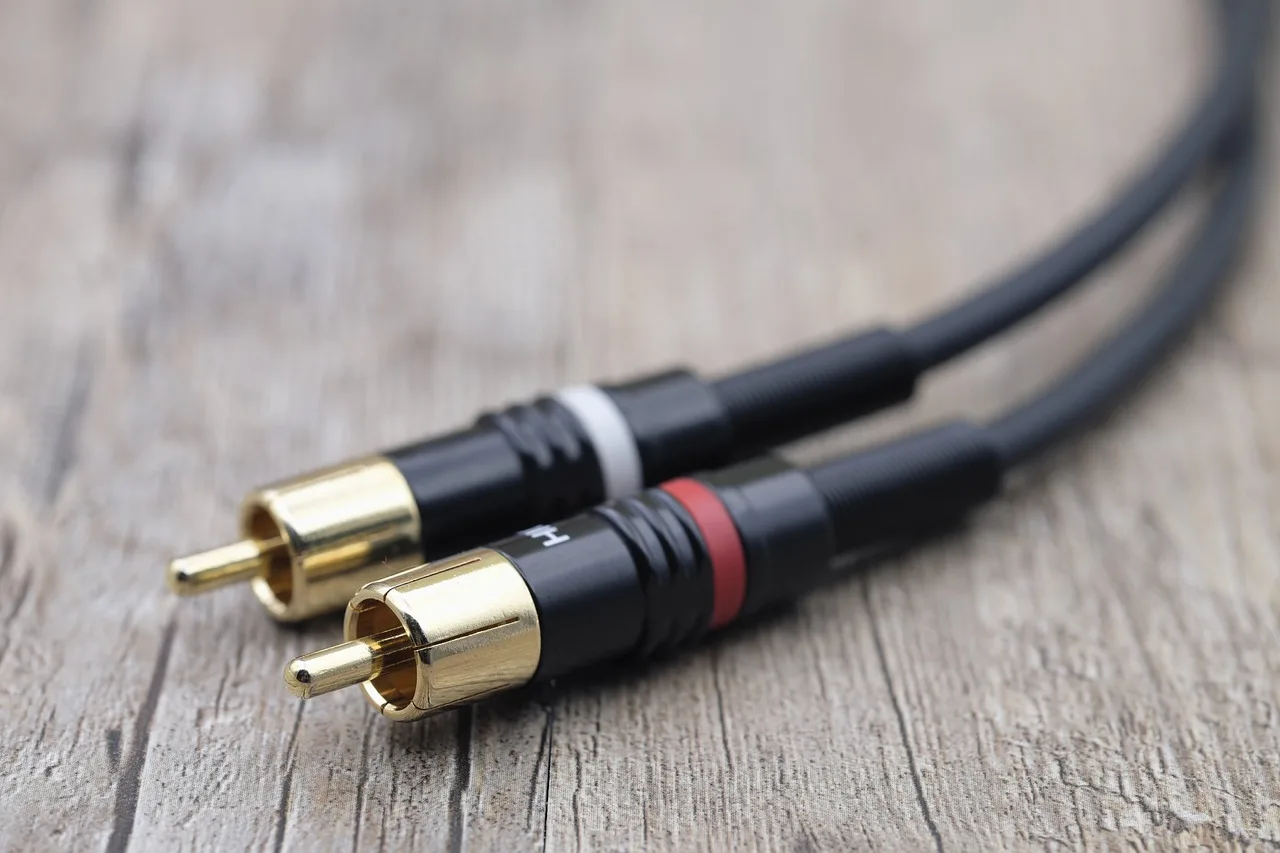
Alternator whine usually points to a ground loop, poor routing, or a cable that is picking up electromagnetic noise from nearby power wiring. The RCA cable can be part of the problem, but it is rarely the only one. Twisted pair design and better shielding help, yet they cannot override a bad ground or a signal cable laid beside a high-current wire.
A common mistake is blaming the cable first because the whine changes with engine speed. That symptom can also come from the charging system and amp grounding point. If the noise appears only when the engine is running, inspect ground routing and wire separation before swapping RCA cables.
Shielding that matters
Foil shielding helps against high-frequency interference. Braided shielding usually holds up better to mechanical stress and can be more forgiving in a moving vehicle. Double shielding, like aluminum-mylar foil plus copper braid, gives a broader defense against EMI and RFI. Triple shielding adds braid, foil, and a drain wire, which can be useful in noisy installs, but it still cannot fix a ground loop on its own.
Twisted pair advantages
Twisted pair RCA design reduces the effective antenna behavior of the cable, which is why it shows up often in noise-focused car audio models. It is a sensible choice when the signal must cross near factory harnesses, seat motors, or other noisy wiring. That said, twisted pair is an aid, not a cure.
When the problem is not the cable
If the whine remains after rerouting the RCAs away from power wires, the next suspects are the amp ground, head unit ground, and a shared ground path with other accessories. Cable swaps help when the cable is the path for noise; they do not help when the noise is entering through the power or ground side of the system.
What shielding is best for car audio RCA cables?
Double shielding is the safest general pick for car audio because it balances flexibility, coverage, and noise rejection. Foil-only designs can work in clean installs. Braided shielding helps in tougher routing environments. Triple shielding is best reserved for especially noisy systems or long runs where extra protection is worth the added complexity.
One guide from The Car Resource recommends under 15 feet for cable runs and notes that triple shielding includes braid, foil, and a drain wire. Another source, Gagadget, recommends checking shielding coverage over conductor grade. That advice fits real installs: a well-shielded 17-foot cable often beats a fancy conductor claim on a poorly shielded longer run.
How shield type maps to failure mode
- Alternator whine: double or triple shielding, plus twisted pair.
- Static or crackle: braided or double shielding, plus secure connector fit.
- Cramped routing: flexible jacket and compact connector shell matter more than a marketing claim.
- Long run across the vehicle: double shielding is the minimum sensible target.
Is OFC copper better for RCA cables in a car?
OFC copper is a sensible choice, but it is not magic. Published claims often cite 99.9% or 99.99% oxygen-free copper, usually with multi-strand conductor construction. That can help conductivity and resistance, but the audible payoff is small if the cable already has adequate copper quality and the install is clean.
For RCA cables, conductor quality matters most when the run is long or the cable is thin and poorly made. The Car Resource recommends 99.9% OFC conductors. That is a reasonable baseline. Still, shielding, connector pressure, and routing usually matter more than chasing the highest purity claim.
When copper grade matters most
Use OFC as a baseline if you are comparing otherwise similar cables. If one cable offers better shielding, better connector retention, or a more suitable length, that is usually the better choice even if the copper claim is less flashy. Excess cable can increase interference, so a shorter well-made run is often the smarter buy.
What length RCA cable do I need for my car amplifier?
Choose the shortest practical run that reaches the amp with a little slack for trim panels and seat movement. For many trunk installs, 16 to 20 feet is the useful range. If the cable is longer than the route requires, you add extra wire to manage and more surface area for noise pickup.
Amazon Basics lists a 15-foot option, Skar Audio offers 17 feet, Sky High Car Audio lists 18 feet, and KabelDirekt offers 25 feet. Those lengths show the real range installers face. A 25-foot cable is only sensible when the amp sits far from the head unit or you need a full-size vehicle route with room to spare.
15-foot installs
Use a 15-foot cable when the amp is relatively close, such as under a seat or in a short hatchback route. This keeps slack low and simplifies routing. It is a good fit when you want a clean path and fewer opportunities for the RCA to cross power wiring.
20-foot installs
Choose a 20-foot class cable when you have a trunk mount, longer sedan route, or enough separation between the dash and the amplifier location that a shorter cable would be stretched too tightly. This is often the sweet spot for a full-size vehicle.
25-foot installs
A 25-foot cable is for long vehicles or layouts where the amp position forces a long path. KabelDirekt’s 25-foot cable fits this need. The drawback is simple: if you do not need that much length, you are carrying extra cable that can be harder to dress cleanly and may increase interference risk.
Say your amp is in the trunk of a sedan and the head unit is in the dash. A 17-foot cable may reach with minimal slack, while a 25-foot cable would leave excess to coil. That extra coil is not harmless if it sits near power wiring or the amplifier.
RCA cable decision matrix
This matrix ties the symptom to the cable feature most likely to help. It does not replace grounding, routing, or head unit diagnosis. It does tell you where to start when the symptom points toward the signal cable path.
| Symptom | Most likely helpful shield type | Connector type | Ideal length range |
|---|---|---|---|
| Alternator whine | Double shielding or triple shielding; twisted pair preferred | Full metal or locking split-tip for stable contact | 15 to 20 feet |
| Popping or static | Braided or double shielding | Gold-plated connector with firm retention | Shortest practical run, often 8 to 17 feet |
| Loose fit or intermittent signal | Any shield; the fit issue is the priority | Split-tip or full metal connector with tighter retention | Any length that reaches without strain |
| Long-run signal loss | Double shielding with twisted pair | Well-machined brass or nickel-plated brass shell | 17 to 25 feet |
| Cramped routing | Foil or double shielding in a flexible jacket | Compact shell with low-profile strain relief | Shortest practical run, often 13 to 17 feet |
Suppose a 4-channel amp starts crackling only when you turn the steering wheel and run the HVAC blower. That symptom can point to interference pickup and cable routing, not a weak copper claim. A shielded twisted-pair cable and a cleaner route around factory wiring are the right first moves.
How do I stop noise in car audio RCA cables?
Start with separation. Keep RCA cables away from power wire, especially long parallel runs. Then check the ground point, confirm the head unit and amplifier share a solid reference, and make sure the connectors seat firmly. If noise remains, move to a better-shielded twisted-pair cable with a shorter run.
Ground loops, ignition wiring interference, and poor routing can all create the same symptom. That is why the cable should be part of the diagnosis, not the only suspect. A twisted pair design and stronger shielding can help reject EMI and RFI, but they will not cure a miswired system.
Practical checklist
- Reroute RCA cables away from power cables and fuse blocks.
- Check the amplifier ground point for clean metal contact.
- Confirm the RCA plugs fit tightly at both ends.
- Shorten the run if the cable is longer than the route needs.
- Move to double shielding or twisted pair if noise persists.
Which one should you buy?
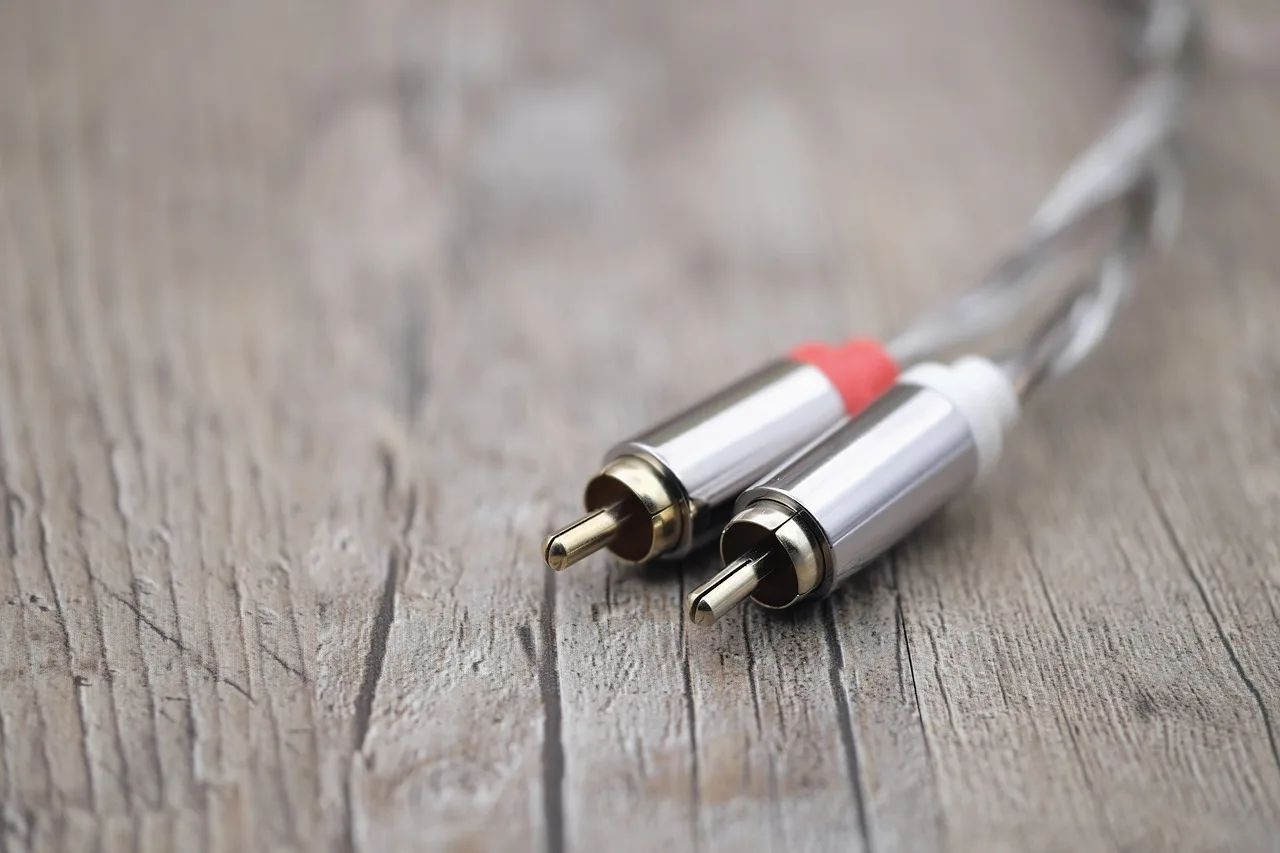
If you need a single answer, the best overall pick here is the STINGER SI8417 for multi-amp systems that need secure connector retention and a 17-foot 4-channel layout. It is not the cheapest, but its fit and format make sense for many trunk-based installs.
Choose Amazon Basics if you want the lowest-cost 2-channel option and your route is short. Choose Skar Audio if alternator whine or noisy routing is the main concern. Choose KabelDirekt if you need the longest run and want double shielding. Choose KnuKonceptz for compact four-channel installs. Choose Sky High when you want a middle-length 4-channel cable with a shielded build.
Subwoofer-only systems
A single amp driving a sub usually needs only a 2-channel RCA cable. If the run is short, Amazon Basics is the budget play. If the run is noisier or longer, a twisted-pair 4-channel cable is not necessary unless your head unit or signal path requires it.
Multi-amp systems
For front and rear amplification, use a 4-channel cable so you do not stack adapters or splitters unnecessarily. The STINGER SI8417 is the strongest fit-first option, while Skar Audio gives you a lower-cost twisted-pair path. Choose length based on the actual route, not the dash-to-trunk distance printed in your head.
Compact-car installs
In a small cabin, shorter is usually better. KnuKonceptz at 13 feet is well suited to under-seat or compact-hatch routes. A 15-foot 2-channel cable can also work if the amp is close and the cable can stay away from power lines.
Budget vs noise-priority builds
If the goal is lowest cost, buy the shortest cable that still reaches cleanly. If the goal is noise rejection, spend on shielding and connector quality before you spend on conductor purity claims. A well-routed 17-foot twisted-pair cable often beats a longer, prettier spec sheet.
Frequently asked questions
What are the best RCA cables for car audio?
The best RCA cables are the ones that match the install. For noise-priority builds, choose twisted pair with double shielding. For long runs, choose a cable that reaches with minimal slack. For secure fit, look for split-tip or full metal connectors rather than chasing copper claims alone.
Do RCA cables make a difference in car audio?
Yes, but mostly when the cable is part of a noise path or a fit problem. A better cable can reduce hiss, whine, and intermittent contact. It will not fix a bad amp ground, a head unit issue, or power wires routed beside the signal path.
Are gold-plated RCA connectors worth it for car audio?
Gold plating helps with corrosion resistance and contact reliability, especially in humid or variable-temperature vehicles. It is worth having, but it is not the main fix for alternator whine. Connector retention, fit, and shielding usually matter more than the plating itself.
Products related to this article
Sponsored / affiliate links. As an Amazon Associate I earn from qualifying purchases. I may earn additional commission from eligible campaigns.