How Much Does a Car Battery Weigh: Discover the Facts
A car battery typically weighs between 30 and 60 pounds. The exact weight depends on the type and size of the battery.
Larger vehicles often require heavier batteries. Understanding the weight of a car battery is important for several reasons. It influences your vehicle’s performance and affects fuel efficiency. Knowing the weight helps when you need to replace or transport the battery.
Different types of batteries, like lead-acid or lithium-ion, also weigh differently. This affects your choice based on your car’s needs and your personal preferences. In this blog post, we’ll explore how various factors contribute to a battery’s weight. We’ll also discuss why this knowledge matters when selecting the right battery for your vehicle. Whether you’re a car enthusiast or just curious, this guide will offer valuable insights.
Car Battery Basics
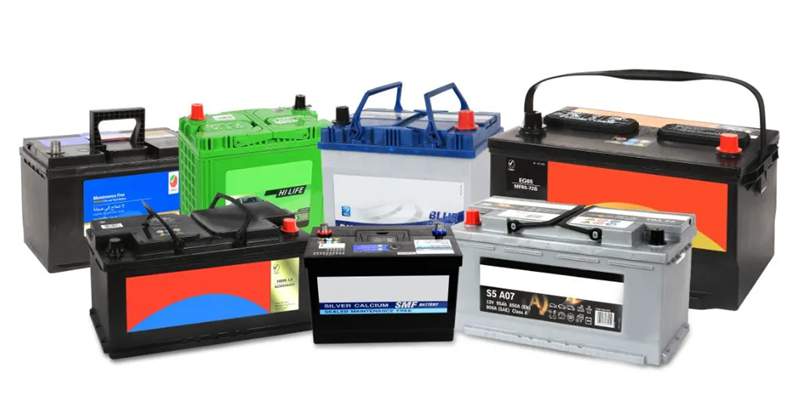
Car batteries come in different types. The most common are lead-acid and lithium-ion batteries. Lead-acid batteries are heavy. They are used in most cars. Lithium-ion batteries are lighter. They are often used in electric cars. Each type has its own weight and features. Lead-acid batteries weigh around 40 pounds. Lithium-ion batteries weigh less than 20 pounds. Choosing the right battery is important.
Car batteries have many parts. The main part is the battery case. It is usually made of plastic. Inside, there are plates and electrolyte. Lead plates are heavy and dense. This makes the battery weighty. The electrolyte is a liquid or gel. It helps the battery work. Materials used affect weight. Strong materials make the battery last longer.
Credit: autoprotoway.com
Weight Factors
Car batteries come in different sizes. Bigger batteries often weigh more. Size matters when choosing a battery. A small car uses a smaller battery. Design also affects weight. Some have handles, others do not. These features can add weight. Always check your car’s manual. It will suggest the right size. A wrong size might not fit. This can cause problems.
Materials used in batteries make a big difference. Lead-acid batteries are common. They are heavier because of the lead. Lithium-ion batteries are lighter. They are often used in electric cars. Each type has pros and cons. Lead-acid is cheaper. Lithium-ion lasts longer. Always consider what your car needs. Weight impacts fuel use. Heavier batteries might use more fuel.
Common Weight Ranges
Standard car batteries usually weigh between 30 to 50 pounds. Most cars use these batteries. They fit well in regular vehicles. These batteries are balanced. They offer good power and are easy to handle. Their weight makes them suitable for everyday use. People often find them in sedans and small trucks.
Heavy-duty car batteries are bigger. They can weigh up to 100 pounds. These batteries are found in larger vehicles. Trucks and SUVs often need them. They give extra power for bigger engines. Their weight is more. This helps with demanding tasks. These batteries are strong and durable. People choose them for tough conditions.
Impact Of Battery Weight
Car battery weight affects vehicle performance and efficiency. Most car batteries weigh between 30 and 50 pounds. Heavier batteries can impact fuel consumption and handling.
Performance Considerations
The weight of a car battery affects driving performance. Heavy batteries can reduce speed. Light batteries often improve acceleration. Drivers notice changes quickly. Handling becomes different with battery weight. It might feel clumsy with a heavy battery. Light batteries make steering more responsive. Safety can be influenced by battery weight. Heavy batteries might affect braking. Less weight can improve cornering. Choose a battery that suits your car’s needs.
Fuel Efficiency
Battery weight impacts fuel efficiency. Cars use more fuel with heavy batteries. Light batteries can save gas. Drivers may see cost savings. Battery choice affects engine load. Less weight means less strain. Fuel economy improves with lighter batteries. Heavy batteries may reduce mileage. Choose wisely for better efficiency. Save money and reduce emissions. Consider battery weight when buying a new car.
Comparing Battery Brands
Car batteries come in different sizes and weights. Some popular brands include Optima, DieHard, and ACDelco. Each brand offers various models. The weight can vary a lot. Optima batteries are known for their lightweight design. DieHard batteries are usually heavier but offer more power. ACDelco batteries are in the middle range. This means they are not too heavy or too light.
Weight Differences
Battery weights can range from 30 pounds to 50 pounds. This is important for performance and fuel efficiency. Lighter batteries help the car move faster. Heavier ones can provide more energy. Consider your needs when choosing a battery. A lightweight battery might be best for city driving. A heavier one could be better for long trips. Always check the specifications before buying. This will help you make the right choice.
Lightweight Alternatives
Car batteries can weigh between 25 to 50 pounds. But lighter options exist. Opting for a lightweight alternative can improve fuel efficiency.
Lithium-ion Batteries
Lithium-ion batteries are much lighter than traditional car batteries. These batteries weigh less due to their special materials. Powerful and efficient, they are a popular choice for electric cars. This battery type helps cars run longer on a single charge. They are also better for the environment. Less weight means less energy used when driving. This can save fuel and reduce emissions. Lithium-ion batteries are not just light, they are also durable. They last longer than other battery types. Their compact design fits easily in cars. This makes them a great option for modern vehicles.
Benefits Of Lightweight Options
Using lightweight batteries has many benefits. Improved fuel efficiency is a major plus. Cars use less fuel with lighter batteries. This can save money on gas. Lightweight batteries also mean better performance. Cars can accelerate faster. Handling improves with less weight. Safety is another benefit. Lighter cars can stop more quickly. This reduces the chance of accidents. Lower weight can also mean less wear and tear on the car. This extends the life of the vehicle. Lightweight options are great for those looking to save money and drive safely.
Selecting The Right Battery
Car battery weight varies between 30 and 50 pounds. It depends on the type and size of the battery. Lightweight batteries suit smaller cars, while heavier ones are needed for larger vehicles. Proper selection ensures optimal performance and longevity.
Evaluating Needs
Car batteries have different weights and sizes. It’s important to know your car’s needs. A small car might need a lighter battery. Bigger cars often need heavier ones. Check your car manual. It tells you the right battery type. Also, think about the weather in your area. Cold places need stronger batteries. Warm places might need different ones. Always choose a battery that fits your car’s needs.
Balancing Weight And Performance
Heavy batteries can give more power. But they are harder to lift. Lighter batteries are easier to carry. They might not last as long. Balance is key. Think about how often you drive. Short trips need less power. Long trips might need more. Choose a battery that gives enough power without being too heavy. This way, your car runs well and you don’t struggle with weight.

Credit: www.way.com
Maintenance And Care
Car battery weight varies, typically ranging from 30 to 50 pounds. Lighter batteries suit smaller cars, while heavier ones power larger vehicles. Regular maintenance ensures optimal performance and extends battery life.
Handling And Storage
Proper care helps the battery last longer. Lift the battery carefully. It’s heavy and can hurt your back. Wear gloves to protect your hands from acid. Store the battery in a cool, dry place. Keep it away from children and pets. Check for leaks often. Leaking acid can cause damage.
Extending Battery Life
Keep the battery clean and free of dust. Dirt can make it lose power faster. Charge it regularly to keep it strong. Avoid letting it drop below 12 volts. Check the connections to ensure they are tight. Loose connections can cause problems. Turn off lights when the car is off. This saves battery power.

Credit: www.ufinebattery.com
Frequently Asked Questions
How Much Does A Car Battery Weigh In Pounds?
A car battery typically weighs between 30 to 50 pounds. Weight varies based on the battery type and size.
How Much Is A Car Battery Worth In Scrap?
A scrap car battery typically fetches between $5 and $10. Prices depend on the battery’s weight and lead content. Local scrap yards may offer different rates, so it’s wise to check. Recycling car batteries is environmentally friendly and can provide a small monetary return.
How Much Does A 12v Car Battery Weigh?
A 12v car battery typically weighs between 30 to 50 pounds. The exact weight depends on the battery type and brand. Lead-acid batteries are heavier than lithium-ion ones. Always check the manufacturer’s specifications for precise weight details. Proper handling is crucial due to their weight and potential hazards.
Is A Car Battery Heavy To Carry?
Yes, a car battery is heavy to carry. It typically weighs between 30 to 50 pounds. Ensure proper handling to avoid injury.
Conclusion
Car battery weight varies based on type and size. Smaller batteries weigh around 25 pounds. Larger ones can exceed 50 pounds. Choosing the right battery is important. Consider your car’s needs and your budget. Heavier batteries often provide more power.
But they’re not always necessary for every vehicle. Always check your car’s manual for guidance. Proper installation ensures safety and performance. Understanding battery weight helps make informed decisions. So, next time you’re shopping for a battery, remember these key points.
Your car will thank you for it.