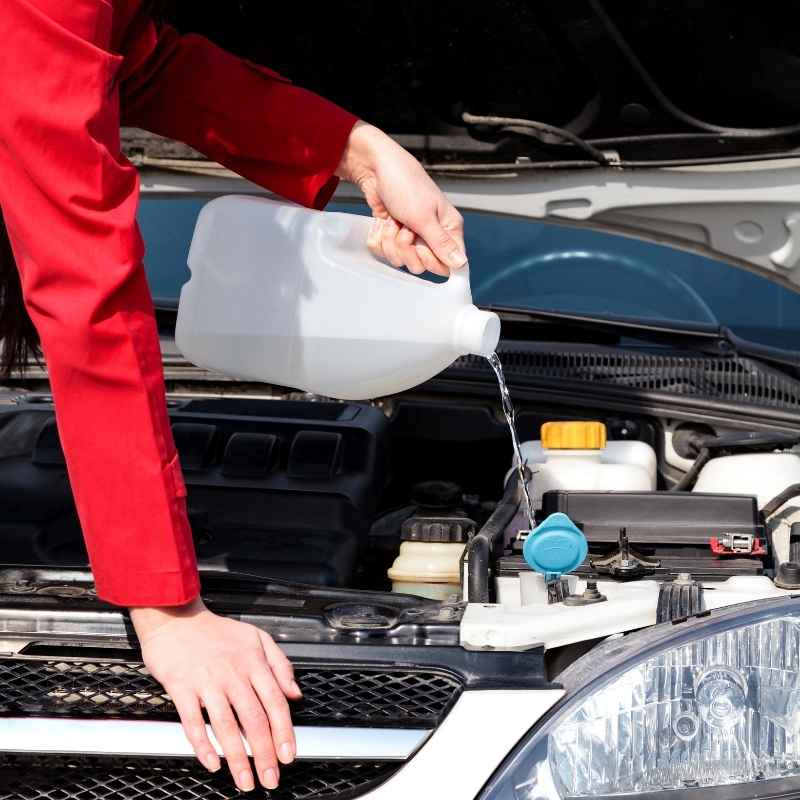
How Much Windshields Washer Fluid Does a Car Hold?
In short, most passenger cars hold between 1 to 4 quarts (0.9 to 3.8 liters) of windshield washer fluid. However, this can vary significantly based on the vehicle’s make, model, and year, with some larger SUVs or trucks potentially holding more. Always check your owner’s manual for the most accurate capacity.
Key Takeaways
- How much windshield washer fluid does a car hold? typically ranges from 1 to 4 quarts (0.9 to 3.8 liters).
- Vehicle size, design, and specific model significantly influence washer fluid reservoir capacity.
- Checking your car’s owner’s manual is the most reliable way to determine its exact fluid capacity.
- Regularly topping up ensures optimal visibility, especially in adverse weather conditions.
- Understanding capacity helps you buy the right amount of fluid and avoid emergency refills.
What is a Windshield Washer Fluid Reservoir?
The windshield washer fluid reservoir is a plastic tank, usually found under the hood of your vehicle. It’s specifically designed to store the cleaning fluid that is pumped to the windshield via small nozzles. These nozzles spray the fluid, which, along with the wipers, helps to remove dirt, bugs, salt, and other debris that can impair visibility.
The size and shape of this reservoir can vary greatly from one car to another. Factors like the overall size of the vehicle, the complexity of its cooling system, and the available space under the hood all play a role in determining how much fluid it can hold. Some reservoirs are integrated into the cooling system’s expansion tank or share space with other components, further complicating their design.
Most reservoirs are made of translucent plastic, allowing you to easily see the fluid level without having to open the cap. They typically have a brightly colored cap, often blue or yellow, with a symbol depicting a windshield and spray to make them easily identifiable. Some vehicles may have multiple reservoirs if they have a separate system for the rear window washer.
Components of the Washer Fluid System
- Reservoir Tank: The storage container for the washer fluid.
- Pump Motor: An electric pump that draws fluid from the reservoir and pushes it to the nozzles.
- Washer Nozzles: Small jets mounted on the hood or windshield cowl that direct the fluid onto the glass.
- Hoses and Tubing: Connects the pump to the nozzles, carrying the fluid.
- Wiper Blades: Work in conjunction with the fluid to clean the windshield.
- Fluid Level Sensor (Optional): Some vehicles have a sensor that triggers a dashboard warning light when the fluid is low.
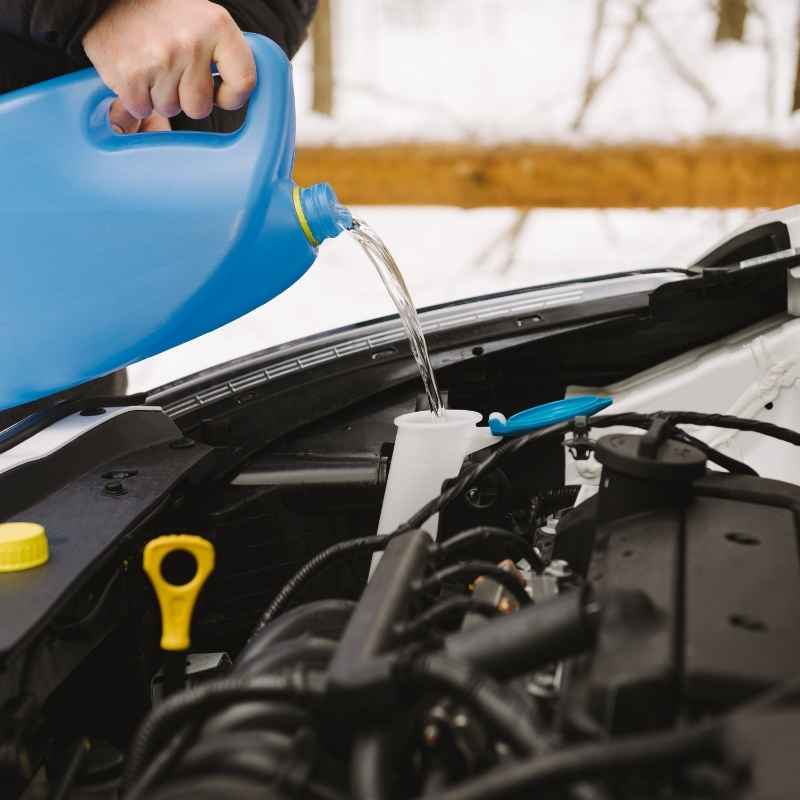
Typical Windshield Washer Fluid Capacities by Vehicle Type
The amount of washer fluid a car can hold is directly related to its size and the intended use. Smaller economy cars and compact sedans generally have smaller reservoirs to save space and reduce weight. Conversely, larger vehicles like SUVs, trucks, and minivans typically have larger reservoirs to handle more extensive windshield surface areas and longer periods between refills.
For instance, a compact car might only hold about 1 to 2 quarts (0.9 to 1.9 liters) of fluid. A mid-size sedan could comfortably hold 2 to 3 quarts (1.9 to 2.8 liters). Larger SUVs and trucks often boast capacities of 3 to 4 quarts (2.8 to 3.8 liters), and in some cases, even slightly more, especially if they have integrated rear washer systems.
It’s also worth noting that some luxury vehicles or those designed for extreme weather conditions might have heated washer fluid systems or larger tanks to accommodate specialized fluids. The design of the engine bay and the placement of other essential components like the battery, brake fluid reservoir, and coolant overflow tank also dictate how much space is allocated to the washer fluid reservoir.
Capacity Ranges:
- Compact Cars: 1 – 2 quarts (0.9 – 1.9 liters)
- Mid-Size Sedans: 2 – 3 quarts (1.9 – 2.8 liters)
- Full-Size Sedans/Wagons: 2.5 – 3.5 quarts (2.4 – 3.3 liters)
- SUVs/Crossovers: 3 – 4 quarts (2.8 – 3.8 liters)
- Trucks/Vans: 3.5 – 5 quarts (3.3 – 4.7 liters)
Factors Affecting Washer Fluid Reservoir Size
Several key engineering and design decisions influence the size of a car’s washer fluid reservoir. Manufacturers must balance the need for ample fluid storage with the constraints of available space, weight, and cost. The primary goal is to provide sufficient fluid for typical driving conditions without compromising other critical vehicle functions or aesthetics.
Vehicle performance and efficiency are also considerations. While not a significant factor in terms of weight, a larger reservoir means more plastic and a slightly heavier component. In the pursuit of fuel economy, manufacturers aim to optimize the size of all components, including the washer fluid tank, to be just large enough for its intended purpose.
The complexity of the vehicle’s electrical and fluid systems also plays a role. Cars with advanced driver-assistance systems (ADAS) that rely on clean sensors, or those equipped with heated washer nozzles, might have different reservoir designs. Some systems may require pumps with higher flow rates or additional heating elements, which could necessitate a slightly larger reservoir to accommodate associated components or allow for greater fluid usage.
Key Influencing Factors:
- Vehicle Size and Class: Larger vehicles generally have larger reservoirs.
- Engine Bay Layout: Space availability dictated by engine size, battery placement, and other components.
- Aerodynamics and Design: Exterior design choices can affect under-hood packaging.
- Climate and Intended Use: Vehicles designed for snowy or dusty regions might have larger capacities.
- Inclusion of Rear Washers: Separate reservoirs or larger main reservoirs are needed for rear wipers.
- Advanced Features: Heated nozzles or specialized fluid systems can impact size.
How to Find Your Car’s Washer Fluid Capacity
The most accurate and reliable way to determine how much windshield washer fluid your specific car holds is by consulting its owner’s manual. This comprehensive document contains detailed information about all of your vehicle’s systems, including capacities for all fluids. It’s the manufacturer’s official guide, ensuring you have the correct specifications.
If you don’t have a physical copy of the owner’s manual, most manufacturers offer digital versions on their websites. You can usually download a PDF of your manual by entering your car’s make, model, and year. This is also a great resource for checking other fluid capacities or maintenance schedules.
Alternatively, you can sometimes find this information by searching online forums dedicated to your car’s make and model. However, always cross-reference information from unofficial sources with your owner’s manual if possible, as capacities can sometimes vary slightly even within the same model year due to different trim levels or options.
Steps to Find Capacity:
- Locate your vehicle’s owner’s manual.
- Find the section on “Fluid Capacities” or “Maintenance.”
- Look for the entry specifically for “Windshield Washer Fluid.”
- Note the capacity in quarts or liters.
- If no manual is available, search the manufacturer’s website for a digital version.
- As a last resort, search reputable online car communities for your specific model.
When to Refill Your Washer Fluid
Maintaining an adequate level of windshield washer fluid is essential for safe driving. Running out of fluid can be dangerous, especially when you suddenly encounter road spray, mud, or bug splatters that obscure your vision. Most modern vehicles have a warning light that illuminates on the dashboard when the fluid level is low, but it’s wise to check periodically.
The best practice is to check the fluid level whenever you refuel your car or perform other routine maintenance. This proactive approach ensures you’re never caught off guard. A quick visual inspection of the reservoir through its translucent plastic is usually sufficient.
If the fluid level is below the “MIN” or “LOW” marking, it’s time to refill.
Warning: Never use plain water to top up your washer fluid, especially in freezing temperatures. Water can freeze and damage the pump, hoses, or nozzles. Always use a proper washer fluid mixture designed for your climate. In winter, use a fluid with antifreeze properties.
Consider your driving conditions. If you frequently drive on dusty roads, in heavy rain, or encounter lots of insects (during warmer months), you’ll likely use more fluid. Drivers in areas that experience heavy snowfall or frequent salt application on roads will also need to refill more often due to the increased need for cleaning.
Refill Indicators:
- Dashboard Warning Light: Illuminates when the fluid level is critically low.
- Visual Inspection: Check the reservoir level against the markings.
- Performance Degradation: If the spray is weak or intermittent.
- Sudden Weather Changes: Prepare before driving into rain, snow, or mud.
- Post-Long Drives: Especially if you encountered challenging road conditions.
- Routine Refueling: Integrate it into your regular car check-ups.
How to Refill Your Windshield Washer Fluid
Refilling your windshield washer fluid is a straightforward process that most car owners can easily do themselves. It requires minimal tools and can be done in just a few minutes. The key is to ensure you use the correct type of fluid and fill it to the appropriate level.
First, locate the washer fluid reservoir under the hood. It’s typically marked with a cap featuring a windshield and spray icon. Once you’ve found it, open the cap.
Be careful not to mix it up with other fluid reservoirs like coolant or brake fluid, which have different colors and symbols.
Next, take your chosen washer fluid (either a ready-to-use solution or a concentrate you mix with distilled water, depending on the product and climate). Pour the fluid slowly into the reservoir. Avoid overfilling; stop when the fluid reaches the indicated maximum fill line or just below the neck of the reservoir.
Tip: For optimal cleaning power and freeze protection, use a washer fluid specifically designed for the current season. Summer formulas often tackle bugs and grime, while winter formulas contain antifreeze to prevent freezing and can help melt light ice.
After refilling, securely close the reservoir cap. It’s a good idea to then start your engine and test the washer system by activating the fluid spray and wipers. This ensures the pump is working correctly and the fluid is reaching the windshield.
If you used a concentrate, remember that it needs time to mix thoroughly, and you might need to cycle the spray a few times.
Refill Checklist:
- Identify the correct reservoir cap (windshield/spray icon).
- Ensure the engine is off and cool.
- Select the appropriate washer fluid for your climate.
- Pour fluid slowly, avoiding spills.
- Do not overfill beyond the maximum line.
- Securely close the reservoir cap.
- Test the washer system to confirm functionality.
- Dispose of empty fluid containers responsibly.
What to Do if You Don’t Know Your Car’s Capacity
If you can’t locate your owner’s manual or find the information online, there’s a simple method to determine your car’s washer fluid capacity. This involves purchasing a standard jug of washer fluid and using it as a measuring tool.
Start by ensuring your washer fluid reservoir is completely empty. You can do this by activating the washer pump until no more fluid comes out. If the reservoir has a low-level sensor, you might need to disconnect it briefly or just wait for it to completely empty.
It’s also a good idea to disconnect the pump motor’s electrical connector to prevent it from overheating if you run it dry for too long.
Once empty, purchase a standard 1-gallon (approximately 3.8-liter) jug of washer fluid. Carefully pour the entire contents of the jug into the reservoir. If the jug empties and the reservoir is not yet full, your capacity is likely close to 1 gallon.
If there’s still significant space, you may need a slightly larger capacity. Most vehicles will fill up from empty within one standard gallon jug, possibly with a little left over for certain models.
Another practical approach is to buy a 1-gallon jug of washer fluid. Fill the reservoir from this jug. If you use the entire jug and the reservoir is still not full, it confirms your car’s capacity is greater than 1 gallon.
For most standard passenger cars, one gallon is often sufficient or even slightly more than what’s needed, so you’ll likely have some fluid left over for future top-ups.
Measurement Method:
- Ensure the reservoir is completely empty.
- Purchase a standard 1-gallon (3.8L) jug of washer fluid.
- Pour the fluid into the reservoir.
- Note how much of the jug is used.
- If the jug is fully emptied and the reservoir isn’t full, your capacity is over 1 gallon.
- If you have fluid leftover, your capacity is around 1 gallon or less.
- For a more precise measurement, use a graduated container if available.
Common Mistakes When Adding Washer Fluid
While refilling washer fluid is generally simple, several common mistakes can lead to minor inconveniences or even minor damage to your vehicle’s system. Being aware of these pitfalls can save you time and money.
One of the most frequent errors is accidentally putting the wrong fluid into the reservoir. This could mean pouring in windshield washer fluid into the coolant reservoir, or vice versa. Mixing different types of fluids can contaminate systems and lead to expensive repairs.
Always double-check the cap and the reservoir opening.
Important: Ensure you are using the correct type of washer fluid. Never use water, especially in freezing conditions, as it can freeze and damage the pump and lines. Use a fluid with antifreeze properties for winter climates.
Another common mistake is overfilling the reservoir. While it might seem harmless, overfilling can sometimes lead to pressure build-up, especially with temperature changes, potentially causing leaks or damage to the reservoir cap seal. It can also lead to spills, creating a mess under the hood.
Forgetting to close the cap securely is another oversight. An unsecured cap can allow dirt, debris, and moisture to enter the reservoir, potentially contaminating the fluid and clogging the pump or nozzles. This can also lead to fluid loss through evaporation or splashing during driving.
Mistake Checklist:
- Pouring the wrong fluid into the reservoir (e.g., coolant, oil).
- Using plain water in freezing temperatures.
- Overfilling the reservoir beyond the maximum line.
- Forgetting to close the reservoir cap tightly.
- Spilling fluid on engine components (can attract dirt).
- Not testing the system after refilling.
- Using a very old or low-quality washer fluid.
Frequently Asked Questions
How much washer fluid does a Honda Civic typically hold?
A Honda Civic typically holds around 2 to 3 quarts (1.9 to 2.8 liters) of windshield washer fluid. This can vary slightly depending on the specific model year and trim level. Always consult your owner’s manual for the exact capacity.
Can I put regular water in my washer fluid reservoir?
No, it is not recommended to use plain water, especially in freezing temperatures. Water can freeze and damage the washer fluid pump, lines, and nozzles. In warmer months, while it might work temporarily, it lacks the cleaning agents and antifreeze properties of dedicated washer fluid.
What is the difference between summer and winter washer fluid?
Summer washer fluid is formulated to cut through bugs, tree sap, and road grime. Winter washer fluid contains higher concentrations of alcohol (like methanol or ethanol) to prevent freezing in cold temperatures and can also help de-ice lightly frozen windshields.
How often should I check my windshield washer fluid level?
It’s a good habit to check your windshield washer fluid level every time you refuel your car or at least once a month. If your car has a low-fluid warning light, pay attention to it, but regular manual checks are still advisable.
What happens if I run out of washer fluid?
If you run out of washer fluid, your windshield wipers will simply drag dry debris across the glass, which can scratch it. More importantly, you’ll lose visibility in crucial moments, especially if you encounter dirt, mud, or heavy spray from other vehicles. Most cars will also have a warning light to indicate a low fluid level.
Final Thoughts
Understanding how much windshield washer fluid does a car hold is a simple yet important aspect of vehicle maintenance. Knowing your car’s capacity ensures you buy the right amount of fluid and helps you anticipate when a refill might be necessary, especially before long journeys or during adverse weather. Always prioritize safety by keeping your washer fluid topped up for clear visibility.
Products related to this article
Sponsored / affiliate links. As an Amazon Associate I earn from qualifying purchases. I may earn additional commission from eligible campaigns.