How Often Should You Check Your Car Oil? A Simple Guide
Figuring out How Often Should You Check Your Car Oil? can seem tricky at first. Many people aren’t sure where to begin! It’s super common to feel a little unsure, especially if you’re new to car care. Don’t worry, it’s a simple process. We’re going to break it down step-by-step so you can easily keep your engine running smoothly. We’ll explore the best ways to keep your engine healthy.
Importance of Regular Oil Checks
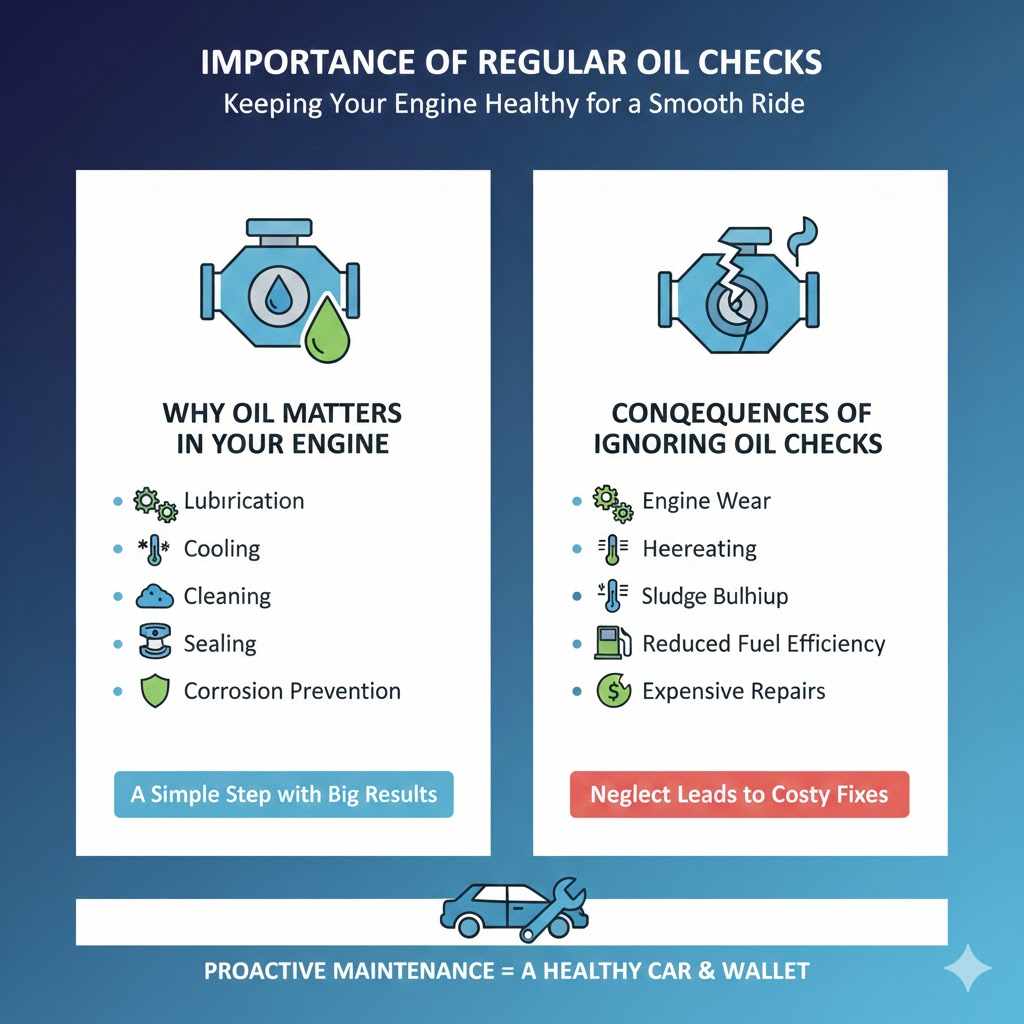
Regular oil checks are like giving your car a health check-up. The oil keeps your engine’s parts from rubbing together and wearing down. It also cleans away dirt and keeps things running smoothly. Ignoring oil checks can lead to serious problems, costing you time and money. Think of it like brushing your teeth – doing it regularly prevents bigger issues later on. Checking your oil frequently helps spot problems early, before they become major headaches. This proactive approach saves your car and helps your wallet.
Why Oil Matters in Your Engine
Your car’s engine has many moving parts that work closely together. These parts create a lot of friction and heat. Engine oil comes into play to reduce this friction. It acts as a lubricant, making the parts slide past each other easily. This prevents them from wearing down quickly. Without oil, the parts would rub directly, causing damage. Oil also helps to cool the engine, preventing overheating. Furthermore, oil picks up dirt and debris. This keeps your engine running efficiently and extends its lifespan. The right oil keeps your car operating at its peak potential.
- Lubrication: Oil reduces friction between moving engine parts.
- Cooling: Oil helps to dissipate heat.
- Cleaning: Oil removes dirt and debris.
- Sealing: Oil helps seal the gaps between piston rings and cylinder walls.
- Corrosion Prevention: Oil protects engine components from rust and corrosion.
Let’s imagine you’re riding a bike. The chain needs grease to move smoothly. Engine oil is like that grease for your car’s engine. Without it, the engine would be like that bike chain without lubrication – hard to pedal and likely to break down. Checking your oil keeps this vital system working correctly. It is a simple step with big results.
Consequences of Ignoring Oil Checks
Skipping oil checks can have some bad consequences. One of the main things that can happen is engine damage. Without proper lubrication, engine parts grind against each other. This can lead to wear and tear. Over time, this damage builds up, requiring expensive repairs or even a complete engine replacement. Additionally, low oil levels can cause overheating. High heat can warp and damage engine components. Another potential issue is sludge buildup. Dirty oil cannot do its job and leaves deposits that block oil passages. These blockages can starve parts of oil, which leads to damage.
- Engine Wear: Friction causes parts to wear down prematurely.
- Overheating: Reduced lubrication leads to excess heat.
- Sludge Buildup: Dirty oil forms deposits that clog passages.
- Reduced Fuel Efficiency: Friction increases, causing the engine to work harder.
- Expensive Repairs: Damage from neglect leads to costly fixes.
Think about a building without maintenance. If the roof leaks or the foundation cracks, the entire structure suffers. The same applies to your car’s engine. Regular oil checks act as preventive maintenance, reducing the likelihood of major issues. A simple inspection can save you from a major financial headache in the future.
The Best Time to Check Your Car Oil
Knowing How Often Should You Check Your Car Oil? is essential. Checking your oil regularly keeps your car in top shape. It only takes a few minutes, and it could save you from serious engine troubles. There are specific times when it’s especially important to take a look. This section will guide you through the ideal intervals and teach you how to do it correctly. This will help you keep your engine running smoothly for longer.
Checking Your Oil Regularly: The Recommended Intervals
Generally, you should check your car oil every month, or every time you fill up your gas tank. This is a simple habit, but it helps a lot. If you drive a lot, or in tough conditions, check more often. These conditions include frequent stop-and-go driving, towing heavy loads, or driving in very hot or cold weather. Many vehicle manufacturers also recommend checking the oil between oil changes. This is a good way to catch any leaks or consumption issues early. Remember to consult your owner’s manual for your vehicle’s specific recommendations. They know the best practices for your specific car model.
- Monthly Checks: A good general rule.
- Before Long Trips: Ensures engine health for longer drives.
- When Refueling: Easy to incorporate into your routine.
- After Towing: Stressful on the engine.
- Every Oil Change: Provides an overall status review.
Imagine you’re preparing for a long hike. You check your gear beforehand to ensure everything is in good shape. Similarly, checking your oil before a long drive helps prepare your car for the journey. It ensures your engine runs efficiently and protects against potential problems. This small effort can make a big difference.
When to Check Oil in Special Driving Scenarios
Certain driving conditions require more frequent oil checks. If you often drive in heavy traffic, the engine works harder. Frequent stops and starts add strain. Towing heavy trailers or hauling loads also puts extra pressure on the engine, increasing heat. Extreme temperatures, either hot or cold, also impact oil performance. Very cold temperatures can make the oil thicker and harder to circulate, while very hot temperatures can cause the oil to break down faster. If you regularly drive in these conditions, checking your oil more frequently helps catch problems early. Staying on top of oil level and quality keeps your car healthy.
- Stop-and-Go Traffic: Increases engine stress.
- Towing: Puts extra strain on the engine.
- Extreme Temperatures: Affects oil performance.
- Off-Road Driving: Can introduce dirt and debris.
- High-Performance Driving: Pushes the engine to its limits.
Consider a construction worker whose tools wear out faster than someone who works in an office. Similarly, your car’s engine faces greater demands under tough driving conditions. More frequent oil checks act like inspecting your tools, ensuring they are ready for the task. It extends their lifespan and keeps things running efficiently.
Step-by-Step Guide to Checking Your Oil
Checking your car’s oil is not hard, and with a little practice, it will become second nature. This section breaks down the steps into a simple process. It equips you with the knowledge to maintain your engine. This allows you to monitor and keep your car healthy. By following these steps, you’ll feel confident about your car maintenance. You can start protecting your car’s engine and extend its lifespan.
Gathering Your Supplies
Before you check your oil, gather what you will need. First, make sure your car is parked on a level surface. This allows for an accurate reading. Next, turn off the engine and let it cool for a few minutes. This prevents burns and allows the oil to settle. You’ll need a clean rag or paper towel to wipe the dipstick. Finally, you may want gloves to keep your hands clean. Keeping these items ready makes the process quicker.
- A Level Surface: Ensures an accurate reading.
- Engine Cool: Avoids burns.
- Clean Rag or Paper Towel: For wiping the dipstick.
- Gloves (Optional): Keep your hands clean.
- Owner’s Manual: For oil type and location of dipstick.
Imagine you’re baking a cake. You need to gather all the ingredients and tools before starting. Checking your car’s oil is the same idea. Having the right things ready keeps the process smooth and effective. That means you are ready to keep your engine in great shape.
The Oil Check Procedure
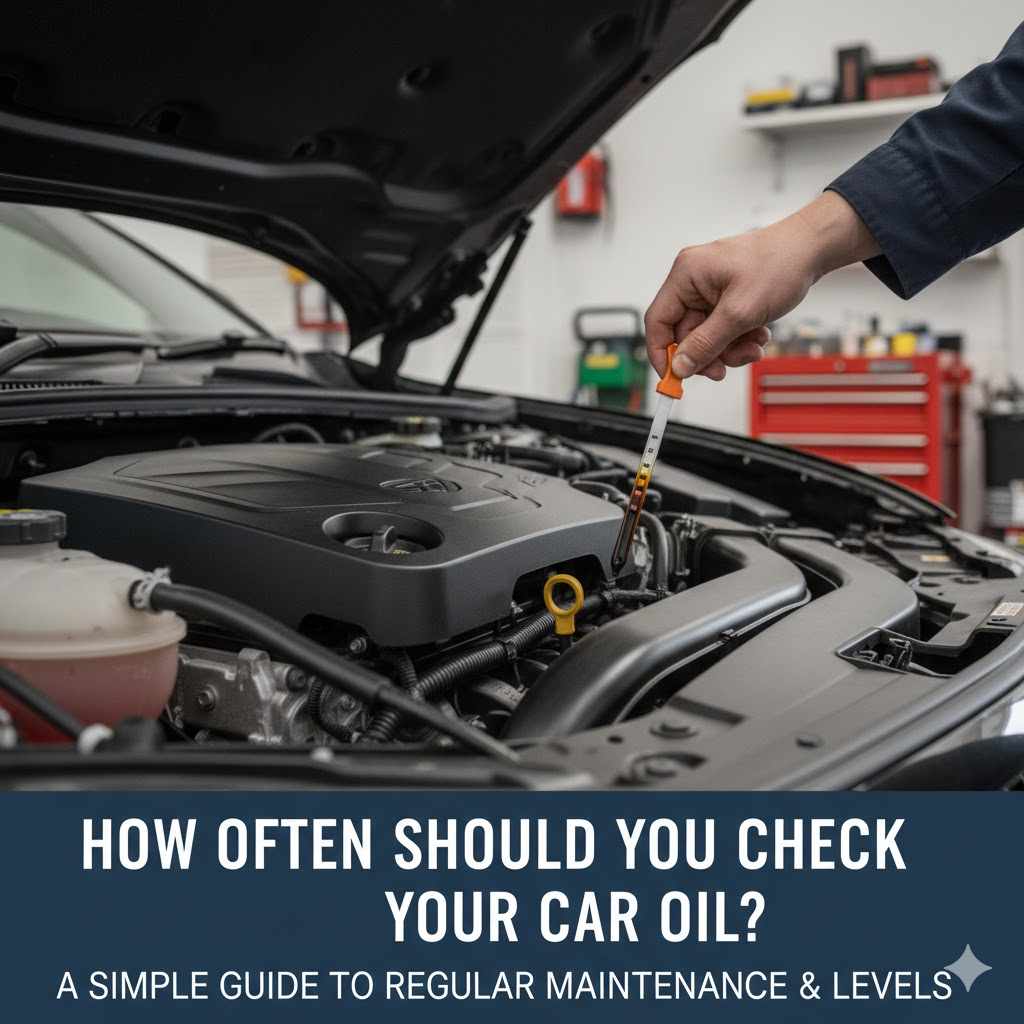
First, find the dipstick. It is usually brightly colored and easy to spot. Refer to your owner’s manual if you can’t locate it. Pull the dipstick out and wipe it clean with the rag or paper towel. Next, reinsert the dipstick fully, then pull it out again. Observe the oil level on the dipstick. The dipstick will usually have “MIN” and “MAX” lines or markings. If the oil level is close to or below the “MIN” mark, you need to add oil. Check the oil color and texture. Fresh oil is usually clear and light brown. If the oil is dark, thick, or contains particles, it might need to be changed soon.
- Locate the Dipstick: Usually brightly colored.
- Remove and Wipe: Clean the dipstick with a rag.
- Reinsert and Remove: Check the oil level.
- Observe the Level: Look at the “MIN” and “MAX” marks.
- Check the Oil Quality: Assess color and texture.
Think about taking a temperature with a thermometer. You first clean it to get an accurate reading. Checking your car oil is similar. You remove the dipstick, clean it, and then reinsert it to get an accurate reading. This allows you to measure and maintain the health of your engine. It is an easy way to prevent problems.
Understanding Oil Quality and Types
Choosing the right oil is key to your engine’s health. Not all oils are created equal. Understanding oil quality and the different types can help you make the right choice. This section will explore the types of oil available and what you should consider when selecting the perfect one for your car. Proper oil selection is key to keeping your car running smoothly and efficiently. This will help you protect your engine and maximize its lifespan.
Types of Engine Oil: Conventional, Synthetic, and Blends
There are several types of engine oil, each with different properties. Conventional oil is the most basic type, made from refined crude oil. It is a good option for older cars and vehicles that don’t need high-performance protection. Synthetic oil is made through a chemical process. It offers superior performance, with better protection against extreme temperatures and reduced friction. Synthetic oil is more expensive, but it can extend the life of your engine. Synthetic blends combine the benefits of both types, with a mix of conventional and synthetic oil. These blends give a performance boost. Oil viscosity, or thickness, also plays a role. It should match the requirements of your car’s engine, as specified in your owner’s manual.
- Conventional Oil: Basic, suitable for older engines.
- Synthetic Oil: High-performance, better for extreme conditions.
- Synthetic Blend: Combines benefits of both types.
- High-Mileage Oil: Specially formulated for older engines.
- Oil Viscosity: Check your owner’s manual for proper thickness.
Imagine you’re selecting a paint for a house. You choose different paints based on the surface and the weather conditions. Choosing engine oil is the same. You pick the type of oil that best suits your car’s engine, driving style, and the environmental factors. This will give your engine the best protection.
According to data from the US Energy Information Administration, the sales of synthetic oil have risen significantly over the past decade. This rise shows that more and more drivers are opting for the superior performance benefits of synthetic motor oil. The shift demonstrates an increased recognition of the value of high-quality engine maintenance.
Selecting the Right Oil for Your Car
To choose the right oil, start by consulting your owner’s manual. It will specify the recommended oil type and viscosity. Oil viscosity is the thickness of the oil. It affects how well it protects the engine under different temperatures. The manual will have this information. It’s also wise to consider the age and condition of your car. For older cars, conventional oil or a high-mileage oil may be suitable. For newer cars or those that experience tough driving conditions, synthetic oil is often a great choice. Pay attention to the oil’s certifications. These certifications from organizations like the American Petroleum Institute (API) assure that the oil meets certain quality standards.
- Check Your Owner’s Manual: Key source of recommendations.
- Consider Your Car’s Age: Factors into oil selection.
- Assess Driving Conditions: Determines oil performance needs.
- Look for Certifications: Ensures oil quality and standards.
- Consult with a Mechanic: For advice if unsure.
Consider you’re choosing a pair of shoes. The best shoe depends on what you will be doing in them. Similarly, the best engine oil depends on your driving habits and your car’s specifications. Following the guidance in your owner’s manual is key to picking the right oil. It will help ensure your engine stays in great condition.
Troubleshooting Common Oil-Related Issues
Knowing How Often Should You Check Your Car Oil? is only half the battle. This section addresses some of the common oil-related issues you might encounter. We’ll explore solutions and provide important advice to keep your car operating at its best. Taking care of these problems helps prevent serious damage and saves you from expensive repairs. This keeps your engine running and your car on the road longer.
Identifying Oil Leaks and Consumption
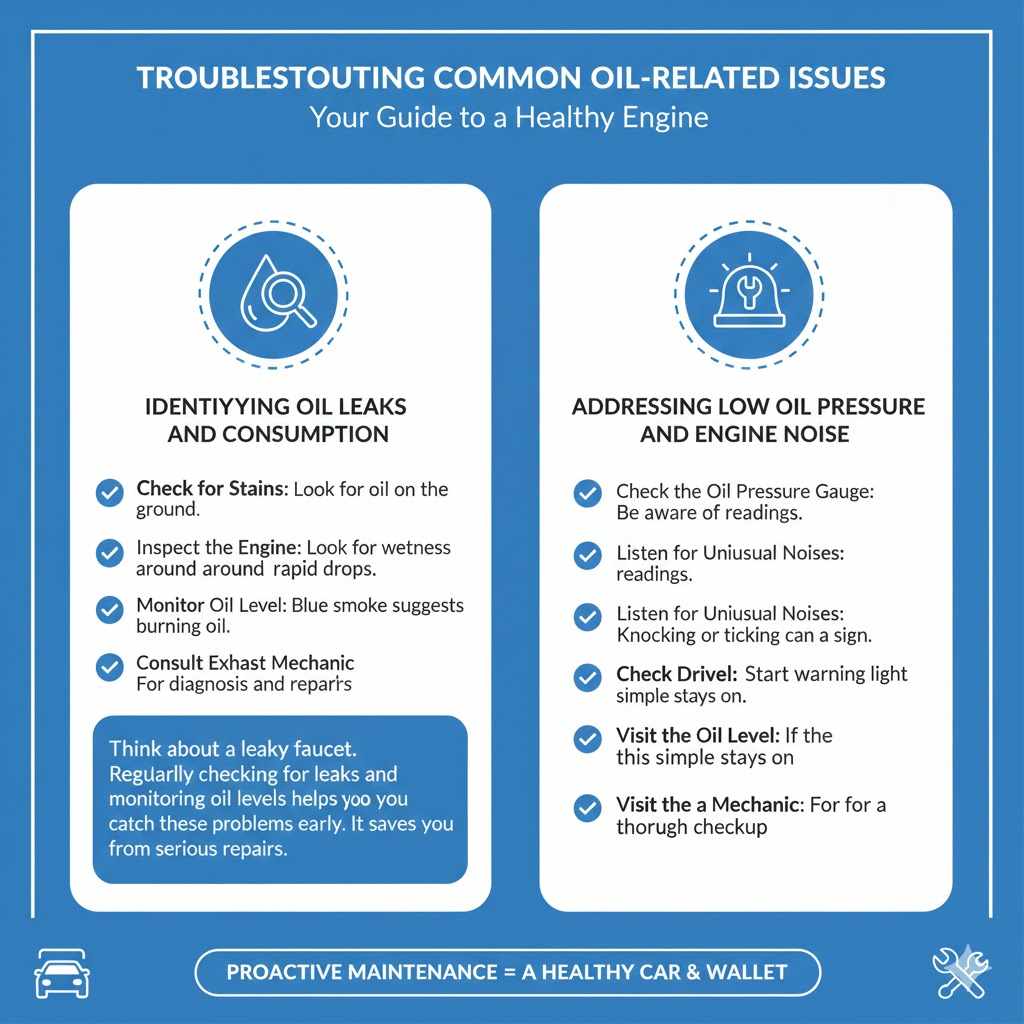
Oil leaks and excessive consumption are common issues. They can be signs of bigger problems. Oil leaks can be identified by checking for oil stains under your car. Check the engine and surrounding components for visible wetness or drips. Check the oil level regularly to see if it’s dropping quickly. Oil consumption refers to the engine burning oil, which can cause the oil level to decrease over time. Blue exhaust smoke is often a sign of burning oil. Low oil levels, even after filling, suggest consumption. These problems should be addressed as quickly as possible. Ignoring these problems can lead to serious engine damage.
- Check for Stains: Look for oil on the ground.
- Inspect the Engine: Look for wetness around components.
- Monitor Oil Level: Watch for rapid drops.
- Check Exhaust: Blue smoke suggests burning oil.
- Consult a Mechanic: For diagnosis and repairs.
Think about a leaky faucet. Over time, it wastes water and increases your bill. Similarly, oil leaks and consumption waste oil and can damage your engine. Regularly checking for leaks and monitoring oil levels helps you catch these problems early. It saves you from serious repairs.
Addressing Low Oil Pressure and Engine Noise
Low oil pressure can be dangerous. It means the oil isn’t circulating properly. It’s often indicated by a warning light on your dashboard. Strange engine noises, like knocking or ticking sounds, can be another sign of problems. Low oil pressure can cause these noises. If you see the oil pressure light or hear these noises, pull over safely and turn off the engine. Further driving could cause serious damage. Check the oil level first. If the oil level is low, add oil. If the problem continues, or if the light stays on, you need to take the car to a mechanic for a complete inspection. Ignoring these warnings can lead to major engine failures.
- Check the Oil Pressure Gauge: Be aware of the readings.
- Listen for Unusual Noises: Knocking or ticking can be a sign.
- Check the Oil Level: Start with this simple step.
- Stop Driving: If the warning light stays on.
- Visit a Mechanic: For a thorough checkup.
Imagine your heart isn’t pumping blood correctly. Your body will feel it quickly. Low oil pressure is similar for your car’s engine. A properly functioning engine depends on good oil pressure. Be aware of any issues and take care of them right away. This protects the engine from harm.
Frequently Asked Questions
Question: How often should I change my car’s oil?
Answer: It depends on the car, the oil, and your driving habits. Generally, most cars need an oil change every 3,000 to 7,500 miles, or every 3 to 6 months. Always check your owner’s manual for specific instructions.
Question: What does the oil pressure warning light mean?
Answer: The oil pressure warning light means that your engine’s oil pressure is low. It could be due to a leak, low oil level, or a problem with the oil pump. Pull over and turn off your engine if the light comes on.
Question: Can I add different types of oil together?
Answer: It’s generally okay to mix different types of motor oil in an emergency. However, it’s best to use the type of oil recommended by your car’s manufacturer. Get it checked as soon as possible if you have mixed oil types.
Question: What happens if I don’t change my oil?
Answer: If you don’t change your oil, it gets dirty and loses its ability to lubricate and cool your engine. This can lead to engine wear, sludge buildup, and ultimately, engine failure. Regular oil changes are essential for keeping your engine healthy.
Question: How do I know if my engine needs an oil change?
Answer: Besides the mileage recommendations, you can check the oil’s color and texture. If it’s dark and thick, it’s time for an oil change. Also, listen to your car for any strange noises, like knocking. Those could be signs of needing an oil change.
Final Thoughts
Knowing How Often Should You Check Your Car Oil? is essential for anyone who drives. Regularly checking your oil is a simple habit, and it is a powerful way to keep your car running smoothly and avoid problems. Checking your oil frequently, usually every month, or when you refuel, is a smart way to stay ahead of potential engine problems.
Remember to look for leaks, assess the oil level, and check the oil’s quality. Don’t forget that the type of oil you use makes a difference, too. Always refer to your car’s manual for recommendations on oil type and viscosity. Following these tips helps you take control of your car’s health. You’ll ensure reliable and enjoyable driving.
Now that you know the importance of checking your car oil, make it a habit! Get in the practice of a quick oil check every month. It’s an easy step that saves you from costly repairs. Also, keep track of your oil changes and stay informed about your car’s maintenance needs. Your engine will thank you, and you’ll enjoy a car that runs more reliably for years to come.