Why Buying a Loaner Car Is a Smart Move
I’ll never forget my first time buying a loaner car from a dealership. I was nervous, but the deal was too good to pass up—a shiny SUV with low miles at a big discount! This article will guide you on how to buy a loaner car from a dealership with easy steps, tips, and tricks to save money. You’ll learn what a loaner car is, why it’s a great choice, and how to avoid common mistakes. Whether you’re new to car shopping or a pro, I’ve got you covered with simple advice and real-world examples.s
What Is a Loaner Car?
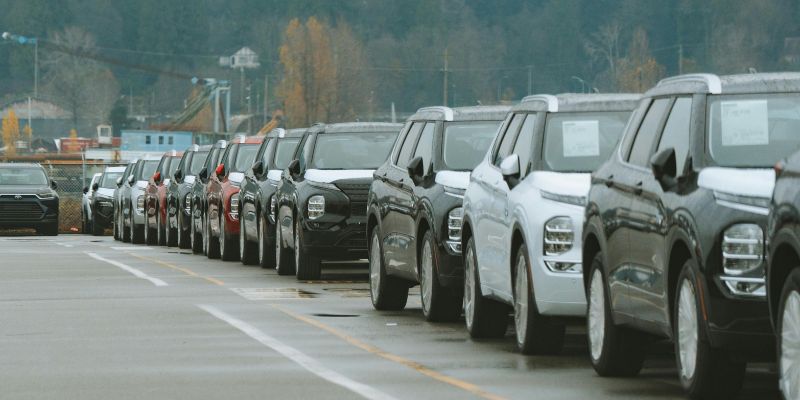
A loaner car, also called a courtesy or demo car, is a vehicle dealerships lend to customers during repairs. These cars are usually new or nearly new, with low miles. Dealerships often sell them at a discount after a few months. They’re like new cars but cheaper!
Why Buy a Loaner Car?
Loaner cars can save you thousands. They’re well-maintained and often come with factory warranties. I once scored a loaner sedan for 20% less than a new one. It felt like a steal! Plus, you get to drive a recent model with cool features.
Benefits of Buying a Loaner Car
Buying a loaner car has big perks. Here’s why it’s a smart choice:
- Save Money: Loaner cars cost less than new ones, often with discounts of $2,000–$5,000.
- Low Miles: Most have under 6,000 miles, so they’re almost new.
- Warranty Coverage: Many include the full factory warranty, giving you peace of mind.
- Well-Maintained: Dealerships keep loaners in top shape for customers.
Drawbacks to Watch For
Loaner cars aren’t perfect. They may have minor wear, like small scratches. Mileage varies, so some have more miles than others. Always check the car’s history to avoid surprises. My friend once skipped this and found a dent later!
Step-by-Step Guide: How to Buy a Loaner Car from a Dealership
Ready to buy a loaner car? Follow these easy steps to get a great deal. I’ve done this twice, and it’s a piece of cake if you know what to do.
Step 1: Find Dealerships with Loaner Cars
Not all dealerships sell loaners. Call or check online to find ones that do. Luxury brands like Lexus or BMW often have loaner programs. I called three dealerships before finding one with a great selection.
Step 2: Ask About Loaner Car Inventory
Visit or call the dealership. Ask, “Do you have loaner cars for sale?” Some list them as “demos” online. Check sites like Consumer Reports for tips on spotting deals Consumer Reports. Be persistent—dealerships don’t always advertise loaners.
Step 3: Inspect the Car Carefully
Look for dings, scratches, or tire wear. Check the mileage—aim for under 5,000 miles. I always take a loaner car for a test drive to feel how it handles. Use a flashlight to spot small flaws in good light.
Step 4: Check the Car’s History
Get a vehicle history report from Carfax to ensure no accidents Carfax. Loaner cars are usually clean, but it’s worth checking. My first loaner had a perfect report, which made me feel confident.
Step 5: Negotiate the Price
Loaner cars often come with discounts. Ask about factory incentives or rebates. I once saved $3,000 by mentioning a competitor’s deal. Don’t be shy—dealers expect you to haggle!
Step 6: Review Warranty and Paperwork
Check if the factory warranty is still active. Most loaners have it, but confirm the details. Read all paperwork carefully. Ask when to return the car if it’s still in loaner service. Sign only when you’re sure.
Step 7: Finalize the Deal
Bring your driver’s license and proof of insurance. Arrange financing or pay cash. Double-check the contract for hidden fees. I always ask, “Are there any extra charges?” to avoid surprises.
Tools and Documents You Need
You don’t need much to buy a loaner car. Here’s a quick list:
- Driver’s License: Proves you can legally drive.
- Proof of Insurance: Shows you’re covered for the car.
- Financing Info: Pre-approval from a bank speeds things up.
- Carfax Report: Optional but smart to check the car’s history.
Visual Idea: A simple checklist graphic of these items would help readers prepare.
Comparing Loaner Cars vs. New Cars
Here’s a table to show how loaner cars stack up against new ones:
| Feature | Loaner Car | New Car |
|---|---|---|
| Price | $2,000–$5,000 less | Full MSRP |
| Mileage | 1,000–6,000 miles | Zero miles |
| Warranty | Full or partial factory warranty | Full factory warranty |
| Condition | Minor wear possible | Brand new, no wear |
Caption: Loaner cars save money but may have slight wear. Choose based on your budget and needs.
Cost-Saving Tips for Buying a Loaner Car
Want to save even more? Try these tips from my own deals:
- Shop at Quarter-End: Dealerships offer bigger discounts to meet sales goals.
- Compare Multiple Dealers: I saved $1,500 by checking three nearby lots.
- Ask About Incentives: Some brands offer rebates on loaners, lowering the price.
Visual Idea: A pie chart showing how discounts, rebates, and negotiation cut costs would be cool.
Common Mistakes to Avoid
Don’t mess up your deal! Here are mistakes I’ve seen:
- Skipping the Inspection: Always check for damage. My cousin missed a scratch and paid for repairs.
- Not Checking Warranty: Confirm how much warranty is left.
- Rushing the Deal: Take time to read the contract. I almost missed a $500 fee once!
My Personal Insights
Buying a loaner car is like finding a hidden gem. My first try was a total win—a 2022 sedan with 3,000 miles for $4,000 less than new. But I learned to inspect every inch of the car. One time, I found a tiny dent that the dealer fixed for free after I pointed it out. Be curious, ask questions, and don’t rush. You’ll feel like a pro when you drive off!
Loaner Car vs. Used Car: Which Is Better?
Wondering how loaners compare to regular used cars? Here’s a quick table:
| Aspect | Loaner Car | Used Car |
|---|---|---|
| Price | Often lower than new | Varies widely |
| History | Usually one owner (dealership) | Multiple owners possible |
| Maintenance | Dealership-maintained | Varies by owner |
| Mileage | Low (1,000–6,000 miles) | Often higher |
Caption: Loaner cars offer low miles and dealer maintenance, but used cars may have more variety.
Safety Advice for Buying a Loaner Car
Safety matters when buying a loaner car. Always test drive to check brakes and handling. Look for uneven tire wear—it could mean alignment issues. I once skipped a test drive and regretted it when the car pulled slightly to the left. Also, confirm the car has no open recalls using SaferCar SaferCar.
Visual Idea: A diagram of key areas to inspect (tires, interior, exterior) would make this easy to follow.

Frequently Asked Questions
What Is a Loaner Car?
A loaner car is a vehicle dealerships lend to customers during repairs. It’s usually new or nearly new, with low miles, and sold at a discount after use.
Are Loaner Cars a Good Deal?
Yes, loaner cars can save you $2,000–$5,000 compared to new cars. They’re well-maintained and often have warranties, but check for wear.
How Do I Find Loaner Cars for Sale?
Call dealerships or check their websites for “demo” or “loaner” listings. Luxury brands like Lexus often have them. Compare multiple dealers.
Do Loaner Cars Have Full Warranties?
Most loaner cars have the full factory warranty, but it may start from the car’s first use. Ask the dealer for exact details.
Can I Negotiate the Price of a Loaner Car?
Yes, you can haggle! Ask about rebates or incentives. I saved $3,000 by mentioning a better deal elsewhere.
Are Loaner Cars Safe to Buy?
Loaner cars are usually safe if you inspect them and check the history. Test drive and use Carfax to avoid surprises.
What’s the Difference Between a Loaner and a Demo Car?
They’re often the same. “Demo” may mean a car used for test drives or loans. Always ask the dealer to clarify.
Conclusion
Buying a loaner car from a dealership is a smart way to save money on a nearly new ride. You get low miles, a warranty, and a great price if you shop smart. Follow my steps: find loaners, inspect carefully, and negotiate like a pro. Avoid mistakes like skipping the history report. Try visiting a dealership this weekend—it’s easier than you think! Share your car-buying stories in the comments or ask me for more tips. Happy driving!