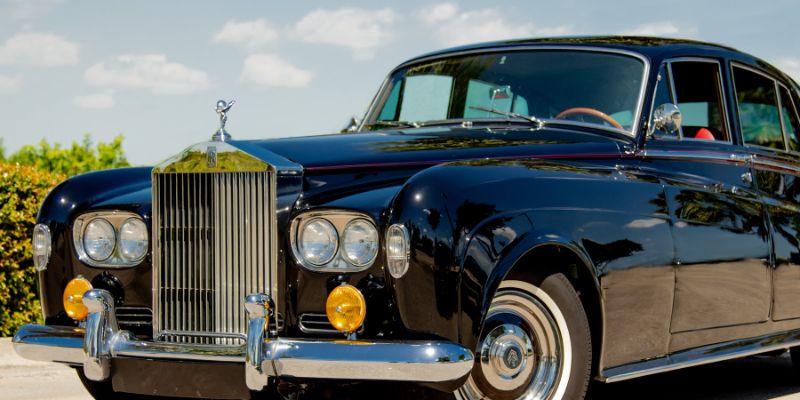
What Are Luxury Car Brands? Full List, Tiers, and Ownership
Luxury car brands are automakers built around premium materials, advanced engineering, and brand prestige rather than just basic transportation — think Mercedes-Benz and BMW at the mainstream end, and Rolls-Royce or Bugatti at the very top.
The gap inside that category is enormous. An entry-level luxury sedan like the Acura Integra starts under $34,000, while a Rolls-Royce Phantom or a Bugatti hypercar can run into the hundreds of thousands or even millions of dollars. What separates them is not just the price tag but who owns the brand, how much of each car is hand-built, and how far the technology and materials go beyond a standard vehicle.
This guide breaks down what actually makes a car “luxury,” lists the major brands and who owns them, corrects a few outdated claims that still circulate online, and answers the most common questions people search for, including which luxury car costs the least.
What Is a Luxury Car Brand?
A luxury car brand is a manufacturer that positions its vehicles above the mass market on materials, technology, comfort, and reputation, and prices them accordingly. There is no single legal definition, but a few traits show up consistently across every brand considered luxury:
- Premium materials — real leather, wood, or carbon fiber trim instead of vinyl and plastic
- Advanced technology — larger infotainment screens, driver-assistance systems, and features that trickle down to mainstream cars years later
- Refined engineering — quieter cabins, smoother rides, and stronger or more efficient engines than the brand’s mainstream counterparts
- Brand reputation and heritage — decades (sometimes over a century) of positioning, racing pedigree, or royal/celebrity association
- Higher build and service standards — tighter manufacturing tolerances, dedicated dealership experiences, and often longer standard warranties
Within “luxury” there are also real tiers. Mercedes-Benz, BMW, Audi, Lexus, Genesis, and Cadillac make up the mainstream luxury tier — genuinely premium cars built at large scale. Rolls-Royce, Bentley, Ferrari, Lamborghini, Aston Martin, and Bugatti sit in a smaller ultra-luxury or exotic tier, where cars are built in far lower volumes, often with significant hand assembly. Lumping both tiers into one “top 10” list, as many older articles do, blurs a distinction that actually matters when you’re comparing prices or shopping.
COLLECTOR’S PICK
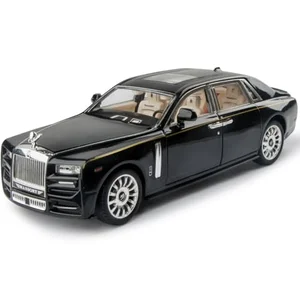 |
Rolls-Royce Phantom 1:24 Diecast Model – $39.99 If the Rolls-Royce shown at the top of this guide has you dreaming big, this 1:24 scale replica captures the Phantom’s presence for a fraction of the real car’s price.
|
A Brief History of Luxury Car Brands
Luxury motoring dates back more than a century. Rolls-Royce was founded in 1904 in England, built on a promise of near-silent engines and hand-finished coachwork, and quickly became a byword for wealth. Mercedes-Benz traces its roots to Karl Benz’s 1886 Patent-Motorwagen, generally credited as the first true automobile, and formalized its modern identity when Daimler-Benz merged in 1926. Bentley followed in 1919, initially built around motorsport success before shifting toward grand touring luxury.
The mainstream luxury segment as it exists today largely took shape in the mid-20th century. BMW rebuilt its lineup around performance-luxury sedans after World War II, Audi consolidated several German marques (including Horch and DKW) under the Volkswagen Group starting in 1965, and Toyota launched Lexus in 1989 specifically to compete with European luxury brands in the U.S. market — a move that reshaped the segment by proving a mainstream automaker could build a credible luxury sub-brand from scratch. Genesis followed the same playbook for Hyundai in 2015.
The Major Luxury Car Brands, by Tier
Here is how the market actually breaks down. Prices below are approximate starting ranges for base trims and shift with each model year, so treat them as a general guide rather than an exact quote.
| Brand | Tier | Known For | Approx. Starting Price |
|---|---|---|---|
| Mercedes-Benz | Mainstream luxury | Refinement, safety innovation, flagship S-Class | ~$45,000–$60,000 |
| BMW | Mainstream luxury | Driving dynamics, sport sedans | ~$40,000–$55,000 |
| Audi | Mainstream luxury | Quattro all-wheel drive, minimalist interiors | ~$40,000–$55,000 |
| Lexus | Mainstream luxury | Reliability, hybrid lineup, low running costs | ~$45,000–$60,000 |
| Genesis | Mainstream luxury | Value-for-money, long warranty | ~$40,000–$55,000 |
| Cadillac | Mainstream luxury | American luxury, EV lineup | ~$40,000–$55,000 |
| Volvo | Mainstream luxury | Safety engineering, Scandinavian design | ~$40,000–$55,000 |
| Porsche | Performance luxury | Sports cars, the 911 | ~$70,000–$100,000+ |
| Bentley | Ultra-luxury | Hand-finished grand tourers | ~$200,000–$250,000+ |
| Rolls-Royce | Ultra-luxury | Bespoke coachbuilding, near-silent ride | ~$350,000–$450,000+ |
| Ferrari | Exotic / supercar | Racing heritage, mid-engine sports cars | ~$220,000–$300,000+ |
| Lamborghini | Exotic / supercar | Dramatic styling, V10/V12 engines | ~$240,000–$300,000+ |
| Aston Martin | Exotic / supercar | British GT styling, motorsport ties | ~$200,000–$250,000+ |
| McLaren | Exotic / supercar | F1-derived engineering, carbon-fiber chassis | ~$230,000–$280,000+ |
| Bugatti | Hypercar | Extreme top-speed engineering | Multiple millions |
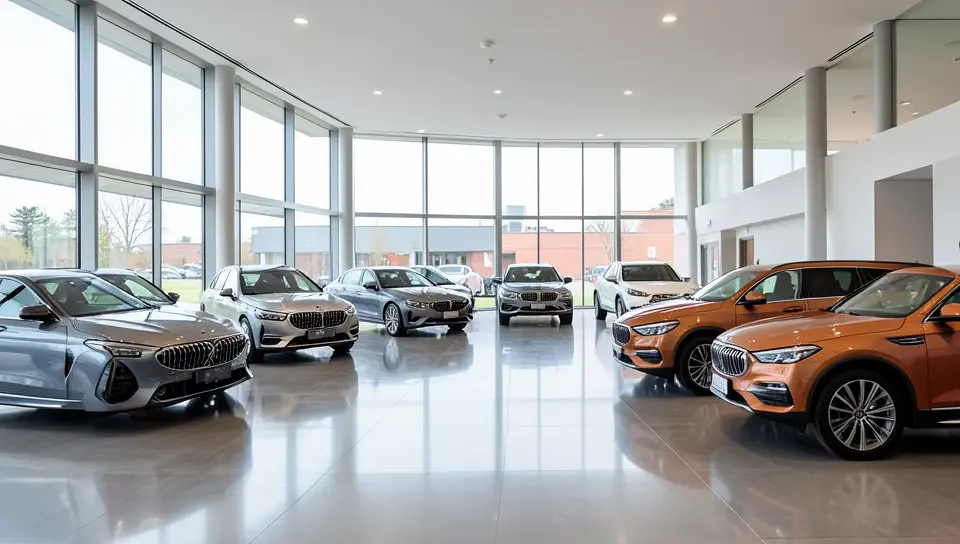
Who Owns Which Luxury Car Brand?
A surprising number of “independent” luxury names actually belong to large mainstream automakers, or to each other. Knowing the parent company can also explain shared parts, platforms, or technology between brands that otherwise seem unrelated.
| Luxury Brand | Owned By |
|---|---|
| Rolls-Royce, MINI | BMW Group (Rolls-Royce since 1998/2003) |
| Bentley, Audi, Lamborghini, Porsche | Volkswagen Group |
| Bugatti | Bugatti Rimac (majority-owned by Rimac Group; Porsche AG holds a minority stake) |
| Lexus | Toyota Motor Corporation |
| Genesis | Hyundai Motor Group |
| Cadillac | General Motors |
| Lincoln | Ford Motor Company |
| Infiniti | Nissan |
| Acura | Honda |
| Maserati, Alfa Romeo | Stellantis |
| Volvo | Zhejiang Geely Holding (Chinese-owned since 2010) |
| McLaren | Bahrain’s Mumtalakat and Abu Dhabi’s CYVN Holdings |
| Mercedes-Benz | Mercedes-Benz Group (independent, publicly traded) |
| Ferrari | Independent, publicly traded (spun off from the Fiat/Stellantis lineage in 2016) |
| Aston Martin | Independent, publicly traded |
The pattern is clear: three groups — BMW, Volkswagen, and Stellantis — account for a large share of Europe’s luxury brands between them, while Toyota, Hyundai, GM, Ford, and Nissan each run one luxury division as a halo brand for their mainstream lineup. Ferrari, Aston Martin, and Mercedes-Benz are the notable exceptions that remain independent public companies rather than divisions of a larger automaker.
What Is the Cheapest Luxury Car You Can Buy?
The Acura Integra is currently the least expensive luxury-branded car sold new, starting at roughly $33,400 before options or destination fees. It’s worth correcting a claim that still circulates: several older articles name the Acura ILX as the cheapest luxury car at around $26,500, but Acura discontinued the ILX after the 2024 model year and it is not sold new in 2026. The Integra effectively replaced it.
A few other genuinely affordable entry points into luxury ownership:
- Tesla Model 3 — starts around $37,000, the most affordable luxury electric option
- BMW 2 Series Gran Coupe — starts in the low $40,000s
- Volvo XC40 — starts around $41,000, among the cheapest luxury SUVs
- Lexus ES — starts in the low $40,000s for the brand’s most accessible sedan
None of these are stripped-down cars. Even the entry-level models in this list come standard with driver-assistance features, upgraded interiors, and infotainment tech that would have been optional or unavailable on a mainstream sedan just a few years ago — which is a large part of why the price floor for “luxury” keeps climbing every year.
Innovative Technology in Luxury Cars
Advanced safety systems are one of the clearest ways luxury brands differentiate themselves. Radar and camera-based driver-assistance suites can track surrounding traffic, warn you before a lane change into a blind spot, and in many current models apply the brakes automatically if a collision looks imminent. Adaptive cruise control, which used to be a luxury-only feature, now maintains a set following distance in traffic without driver input on most premium models.
Infotainment has followed a similar trajectory. Large center-console touchscreens, smartphone mirroring, voice control, and over-the-air software updates are now standard across the segment, and several brands (Mercedes-Benz’s MBUX and BMW’s iDrive among them) build entire in-cabin ecosystems around natural-language voice commands rather than menu navigation. Premium sound systems from brands like Burmester, Bang & Olufsen, and Bowers & Wilkins are also common options that mainstream trims rarely offer.
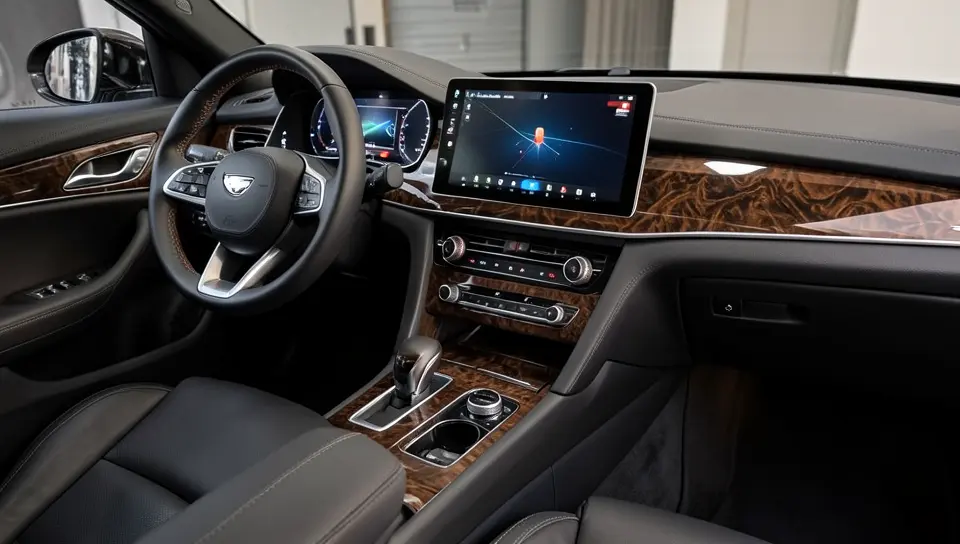
Customization and Personalization
Most mainstream luxury brands offer extensive option packages — paint colors, leather grades, interior trim finishes, and wheel designs — but the ultra-luxury tier takes personalization much further. Rolls-Royce’s in-house Bespoke program lets buyers commission custom paint colors matched to anything from a favorite handbag to a client’s yacht, embroidered interior artwork, and even starlight headliners with fiber-optic “stars” arranged into constellations. Bentley’s Mulliner division offers a similar level of coachbuilding, down to custom stitching patterns and wood veneers sourced and finished in-house.
These programs exist because, at the ultra-luxury level, exclusivity is the product. A Rolls-Royce built through Bespoke can take months to complete and no two are meant to be identical — which is a meaningfully different value proposition than a mainstream luxury sedan with a handful of trim packages.
Luxury Car Market Trends: The Shift to Electric
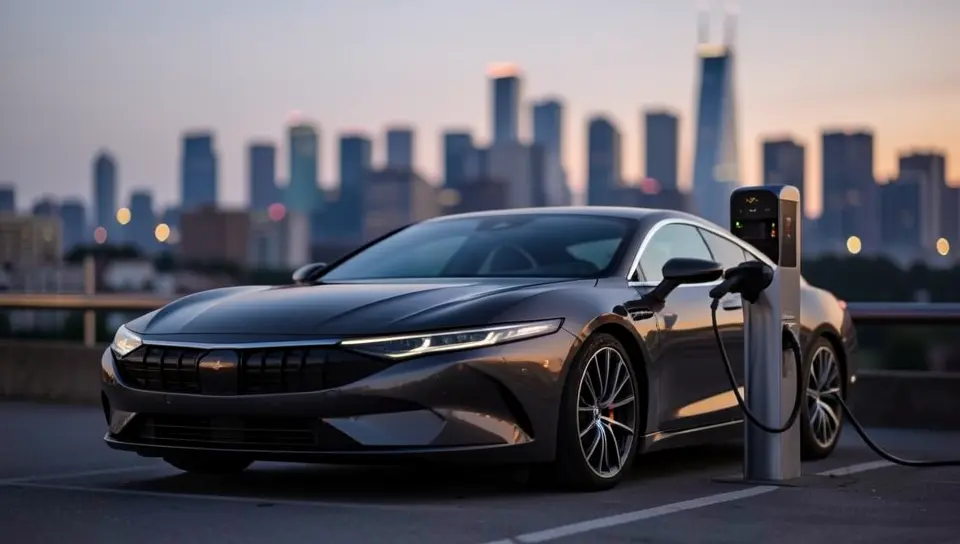
Electrification is reshaping the luxury segment faster than almost any other part of the market. Mercedes-Benz, BMW, Audi, Genesis, Cadillac, and Lexus all now sell dedicated electric models alongside their gasoline lineups, and several ultra-luxury brands have followed: Bentley has committed to an all-electric lineup by the end of the decade, and Rolls-Royce’s Spectre marked the brand’s first series-production EV. Electric drivetrains suit the luxury pitch well — near-silent operation and instant torque are qualities luxury buyers have always paid extra for.
Sustainability claims have become part of the marketing too, with several brands highlighting recycled or plant-based interior materials as alternatives to leather. Whether that fully offsets the environmental cost of building a car in the first place is debatable, but it reflects where luxury buyer expectations have shifted.
Owning and Maintaining a Luxury Car
Luxury cars typically cost more to service than mainstream models — parts, fluids, and labor rates at brand-authorized shops all run higher, and many models call for synthetic oil, specialized diagnostic tools, or brand-specific parts that a general repair shop may not stock. Staying on the manufacturer’s maintenance schedule matters more here than on an economy car, since deferred maintenance tends to show up as more expensive repairs down the line, and can also affect resale value if a buyer asks for service records.
Depreciation is the other major cost to plan for. Many luxury sedans lose value faster in the first three years than comparably priced mainstream cars, partly because of higher repair costs scaring off used buyers and partly because luxury brands refresh their lineups frequently. Brands with strong reliability reputations, such as Lexus and Porsche, tend to hold their value noticeably better than average — worth factoring in if resale value matters to you.
Frequently Asked Questions
What Are the Top Luxury Car Brands?
Among mainstream luxury brands, Mercedes-Benz, BMW, Audi, Lexus, and Genesis are generally considered the top names by sales volume and reputation. In the smaller ultra-luxury and exotic tier, Rolls-Royce, Bentley, Ferrari, Lamborghini, Aston Martin, and Bugatti sit above them on price, exclusivity, and how much of each car is hand-built. There isn’t one universal “top 10” list, since it depends on whether you’re comparing brands within a tier or across all of them.
What Is Considered a Luxury Car Brand?
A brand is generally considered luxury when it consistently offers premium materials, advanced technology, refined engineering, and a strong reputation, and prices its vehicles above comparable mainstream models to match. Mercedes-Benz, BMW, Audi, Lexus, Genesis, and Cadillac are the most widely recognized examples in the mainstream luxury category.
What Is the Cheapest Luxury Car You Can Buy?
The Acura Integra is currently the cheapest new luxury car, starting around $33,400. The Acura ILX, often cited as the cheapest luxury car in older articles, was discontinued after the 2024 model year and is no longer sold new.
What Determines If a Car Is a Luxury Car?
A car is considered luxury based on a combination of premium materials, high-quality construction, advanced technology, refined performance, and the reputation of the brand behind it. Price alone isn’t the determining factor — a well-equipped mainstream car can cost as much as an entry-level luxury model without being marketed or built to the same standard.
Are Luxury Car Brands Owned by Mainstream Automakers?
Many are. Rolls-Royce belongs to BMW Group, Bentley and Lamborghini belong to Volkswagen Group, Lexus belongs to Toyota, and Genesis belongs to Hyundai. A smaller number of luxury brands, including Ferrari, Aston Martin, and Mercedes-Benz, remain independent, publicly traded companies rather than divisions of a larger automaker.
Is Tesla Considered a Luxury Car Brand?
Tesla is usually classified as a luxury or premium electric brand rather than a traditional luxury automaker, since it competes on technology and performance more than on hand-finished materials or brand heritage. Its pricing overlaps heavily with mainstream luxury brands like BMW, Audi, and Lexus, which is why it’s frequently included in luxury car comparisons even though it doesn’t share the century-plus heritage of brands like Mercedes-Benz or Rolls-Royce.
Conclusion
Luxury car brands span a much wider range than most “top 10” lists suggest — from a $33,000 Acura Integra to a Bugatti that costs more than most houses. Knowing the tiers, the parent companies behind each brand, and which claims about pricing have gone stale (the Acura ILX chief among them) makes it much easier to compare brands honestly instead of by reputation alone.
Whichever tier you’re shopping in, weigh the ongoing costs of ownership, ask about maintenance and warranty coverage, and check resale-value data for the specific model, not just the brand. A luxury badge says a lot about how a car is built, but it doesn’t guarantee it’s the right fit for your budget or driving needs.
Products related to this article
Sponsored / affiliate links. As an Amazon Associate I earn from qualifying purchases. I may earn additional commission from eligible campaigns.