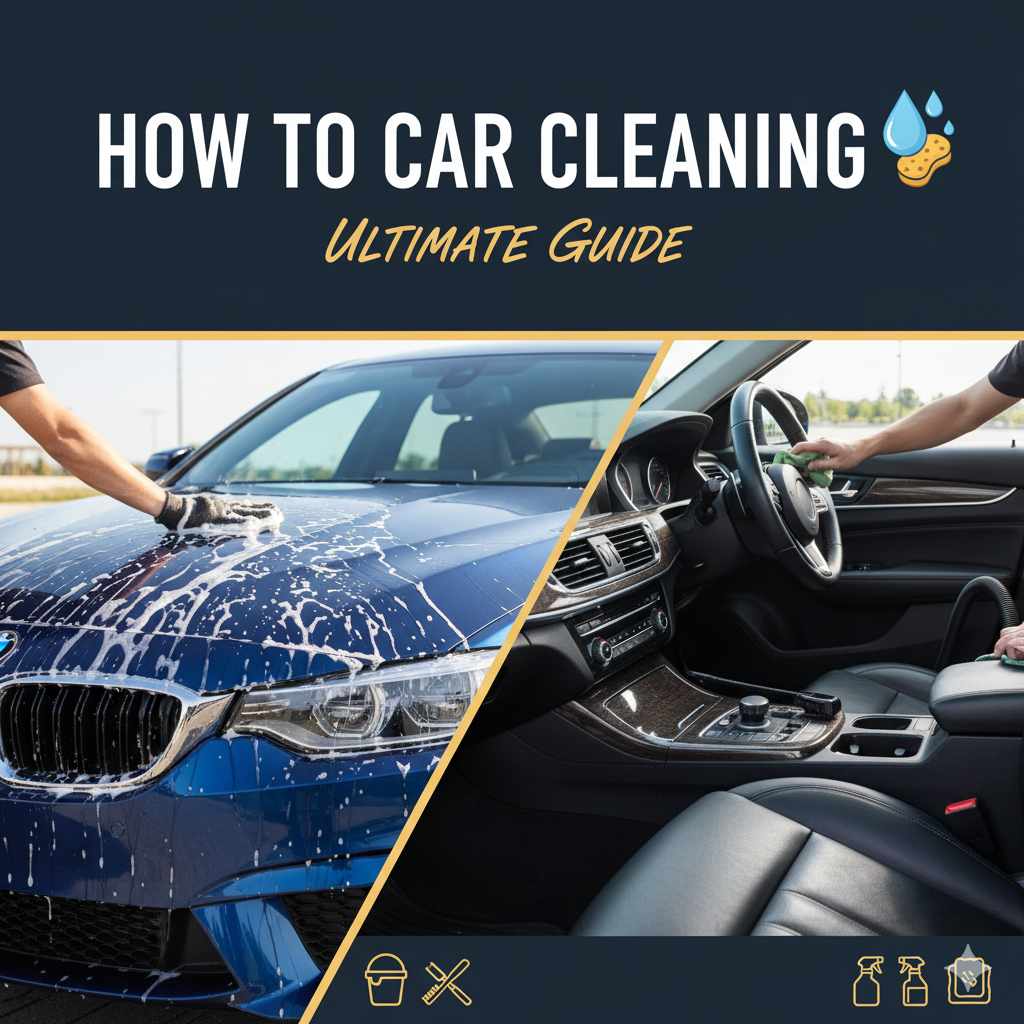
How To Car Cleaning: Ultimate Guide
Mastering car cleaning is simple! This guide provides easy steps to wash, dry, and detail your car like a pro. Get a sparkling finish and protect your investment with these straightforward techniques, perfect for any beginner.
Hey there, fellow drivers! Md Meraj here. Ever look at your car and feel a little… uninspired? Dust, mud, and grime can really dull its shine and make it feel less special. It’s easy to think car cleaning is a chore for experts or something that costs a fortune at a detail shop. But I’m here to tell you that giving your car a fantastic clean is totally achievable for anyone, right at home! Forget the complicated jargon; we’re going to break down car cleaning into simple, easy-to-follow steps. We’ll cover everything from washing away the dirt to making your interior feel brand new. Ready to make your ride gleam? Let’s get started!
The Ultimate Guide to Car Cleaning: Make Your Ride Shine
Keeping your car clean isn’t just about making it look good – though that’s a big perk! A clean car is also a well-maintained car. Regular cleaning helps protect your paint from damage, prevents rust, and keeps your interior from getting too worn out. Think of it as giving your car a spa day, every now and then. It boosts its curb appeal, can even help maintain its resale value, and honestly, it just feels great to drive a sparkling, fresh-smelling car. This guide will walk you through the entire process, from gathering your supplies to the final polish, making it easy even if you’ve never washed a car yourself before.
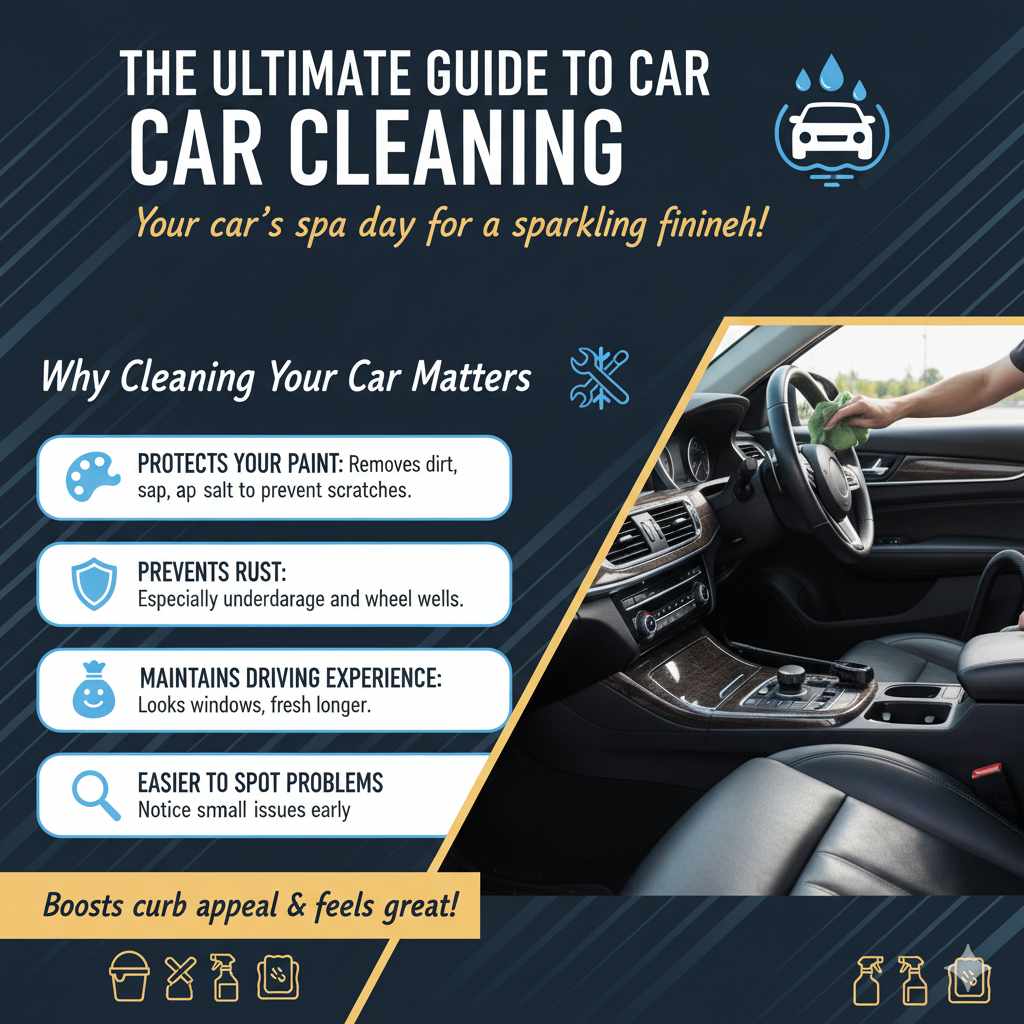
Why Cleaning Your Car Matters
You might be wondering, “Is it really that important to wash my car regularly?” The answer is a resounding yes! Here’s why:
- Protects Your Paint: Dirt, bird droppings, tree sap, and road salt are corrosive. They can eat away at your car’s paint and clear coat over time, leading to dull spots, scratches, and even rust. Regular washing removes these harmful contaminants.
- Prevents Rust: Especially in areas where salt is used on roads in winter, grime can trap moisture against your car’s metal surfaces, promoting rust. Washing thoroughly, especially in wheel wells and undercarriage, helps prevent this.
- Maintains Resale Value: A well-maintained car, inside and out, looks newer for longer. This translates to a higher resale value when you decide to trade it in or sell it.
- Improves Driving Experience: A clean car is simply more enjoyable to drive. Clear windows mean better visibility, and a fresh interior makes every drive more pleasant.
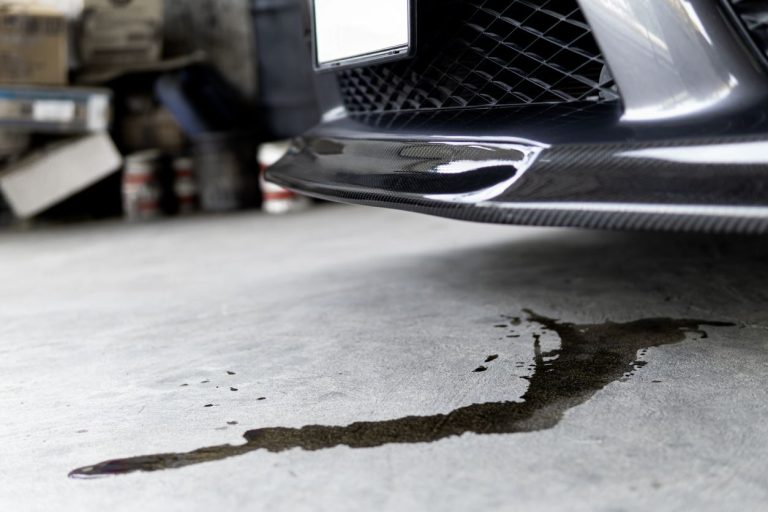
- Easier to Spot Problems: When your car is clean, it’s easier to notice small issues like a chipped paint spot, a loose trim piece, or a developing leak before they become major problems.
Gathering Your Car Cleaning Arsenal: Essential Supplies
Before you start, having the right tools makes a huge difference. You don’t need a ton of fancy equipment. Here’s a list of the essentials:
| Category | Essential Items | Why You Need It |
|---|---|---|
| Washing | Two Buckets (one for soap, one for rinsing mitt) | Prevents grit from scratching paint. |
| Washing | Car Wash Soap (pH-neutral) | Safe for paint, won’t strip wax. |
| Washing | Wash Mitt (microfiber or sheepskin) | Gently lifts dirt without scratching. |
| Washing | Wheel Cleaner and Brush | Tackles brake dust and grime on wheels. |
| Drying | Microfiber Drying Towels (large and absorbent) | Dries quickly without leaving lint or streaks. |
| Interior Cleaning | Interior Cleaner/All-Purpose Cleaner (car specific) | Safely cleans dashboards, plastics, and upholstery. |
| Interior Cleaning | Glass Cleaner (ammonia-free for tint) | For streak-free windows. |
| Interior Cleaning | Vacuum Cleaner (with attachments) | To remove dirt and debris from carpets and seats. |
| Interior Cleaning | Microfiber cloths for interior surfaces | For wiping down and buffing. |
| Protection (Optional but Recommended) | Car Wax or Sealant | Adds shine and protects paint. |
| Protection (Optional but Recommended) | Tire Dressing | Adds a clean, finished look to tires. |
Step-by-Step Car Exterior Cleaning Guide
Let’s get your car looking sharp! Follow these stages carefully for the best results. Make sure you’re not washing your car in direct sunlight, as the soap and water can dry too quickly, leaving spots.
Step 1: Preparation is Key
Find a shady spot for your car. Gather all your supplies. Rinse the car thoroughly with plain water to remove loose dirt and debris. This initial rinse is crucial for preventing scratches during the washing phase. Blast away as much surface dirt as you can!
Step 2: Clean Your Wheels and Tires First
Wheels often have the most stubborn brake dust and road grime. It’s best to clean them first so that the dirty water doesn’t splash onto your clean paint later.
- Spray your wheel cleaner onto one wheel at a time.
- Use a dedicated wheel brush to agitate the cleaner, getting into all the nooks and crannies.
- Rinse the wheel thoroughly.
- Repeat for all four wheels.
Step 3: The Two-Bucket Wash Method
This is arguably the most important part of washing to avoid scratches.
- Fill one bucket with your car wash soap and water.
- Fill the second bucket with plain, clean water.
- Dunk your wash mitt into the soap bucket.
- Wash a section of your car (e.g., the roof or hood) using gentle, straight-line motions, not circles.
- Crucially, rinse your dirty wash mitt thoroughly in the plain water bucket before dipping it back into the soap bucket. This removes the grit you just picked up.
- Work your way from the top of the car down. The dirtiest parts (like the lower panels and bumpers) should be washed last.
For more on safe washing techniques, check out resources that emphasize minimizing friction, like those provided by automotive care associations.
Step 4: Rinse Thoroughly
Once you’ve washed the entire car, rinse it off completely with plain water. Start from the top and let the water flow down. Make sure to rinse away all soap residue, especially from panel gaps and trim pieces, as dried soap can leave marks.
Step 5: Drying Your Car Safely
This is another stage where scratches can happen if you’re not careful. Microfiber drying towels are your best friend here.
- Gently lay a large, plush microfiber drying towel onto a section of the car.
- Pat or blot the water away, allowing the towel to absorb it.
- Alternatively, you can gently drag the towel across the surface, but be careful not to scrub.
- Use multiple towels if needed to ensure the car is completely dry.
Don’t forget to dry door jambs, the trunk, and the hood edges as water can collect and drip later.
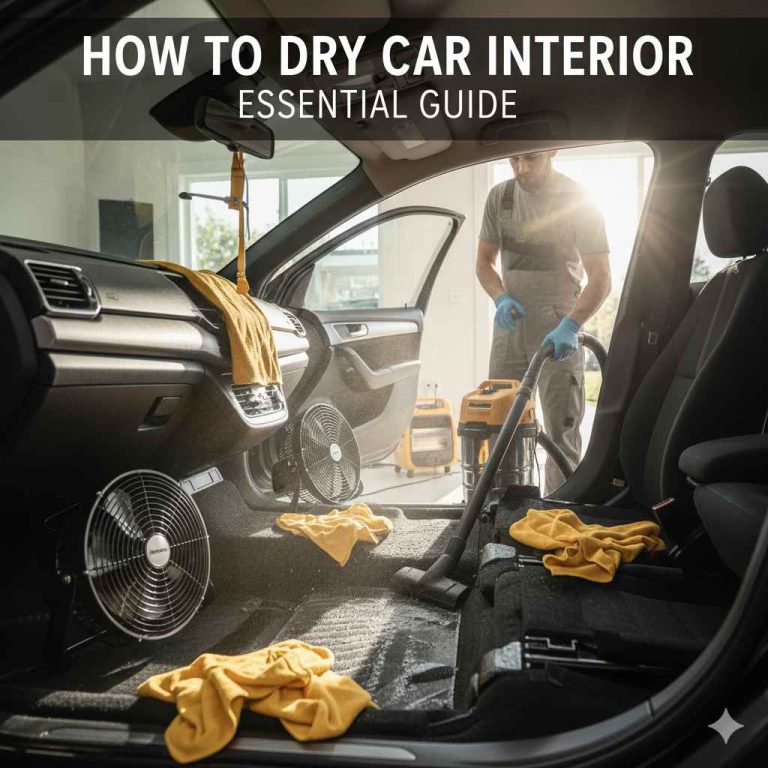
Car Interior Cleaning: A Fresh Oasis
Now, let’s make the inside of your car as clean and inviting as the outside. A clean interior makes every drive feel better!
Step 1: Declutter and Remove Floor Mats
Take everything out of the car that doesn’t belong. This includes trash, personal items, and anything loose. Remove the floor mats so you can clean them separately and vacuum the carpet underneath.
Step 2: Vacuum Everything
This is your chance to get rid of crumbs, dirt, and dust.
- Start with the floor mats outside the car. Vacuum them thoroughly.
- Vacuum the carpets inside your car. Use the crevice tool for tight spots like between the seats and along the edges.
- Vacuum your seats (fabric or leather).
- Don’t forget the dashboard, door panels, and center console – use a soft brush attachment to loosen dust before vacuuming.
Step 3: Clean Interior Surfaces
Use an interior cleaner or a diluted all-purpose cleaner. Always spray cleaner onto a microfiber cloth, not directly onto the surface, to avoid overspray on electronics or windows.
- Wipe down the dashboard, center console, door panels, and steering wheel.
- For leather seats, use a dedicated leather cleaner and conditioner.
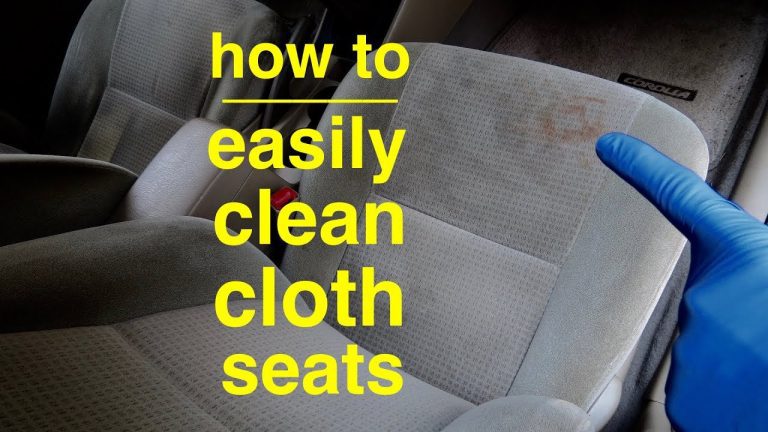
- For fabric seats, you might need a fabric cleaner to tackle stains. Spot test in an inconspicuous area first.
It’s a good idea to use cleaners specifically designed for automotive interiors, as they are formulated to be safe and effective on various materials commonly found in cars. You can often find recommendations from reputable automotive organizations.
Step 4: Clean Your Windows and Mirrors
Streaks on the inside of your windows can be annoying.
- Spray an ammonia-free glass cleaner onto a clean microfiber cloth.
- Wipe the inside of your windows and mirrors.
- Use a second, dry microfiber cloth to buff the glass to a streak-free finish.
Consider cleaning the exterior windows now as well for maximum clarity.
Step 5: Treat Your Floor Mats
If your floor mats are rubber, you can simply wipe them down with a damp cloth or use a rubber cleaner. For carpet mats, try to remove any stains. Some carpet mats can even be shampooed and hosed down, but make sure they are completely dry before putting them back in the car to prevent mold and mildew.
Optional: Protection and Finishing Touches
Want that showroom shine and long-lasting protection? These optional steps make a big difference.
Applying Wax or Sealant
Wax or paint sealant protects your car’s paint from UV rays, dirt, and contaminants, and adds a beautiful głoss.
- Ensure your car is completely dry, clean, and out of direct sunlight.
- Apply a small amount of wax or sealant to an applicator pad.
- Work in small sections, applying the product with light pressure in a circular or back-and-forth motion (follow product instructions).
- Allow the product to haze slightly (check product instructions for time).
- Buff off the haze with a clean, soft microfiber cloth.
This process is often called “detailing” and can significantly enhance durability. Resources from automotive enthusiast clubs often share best practices for waxing.
Tire Dressing
Tire dressing gives your tires a clean, dark, and often a subtle shine, completing the look.
- Ensure tires are clean and dry.
- Apply a small amount of tire dressing to an applicator pad or sponge.
- Spread evenly over the sidewall of the tire.
- Wipe off any excess with a clean cloth to prevent sling onto the paint.
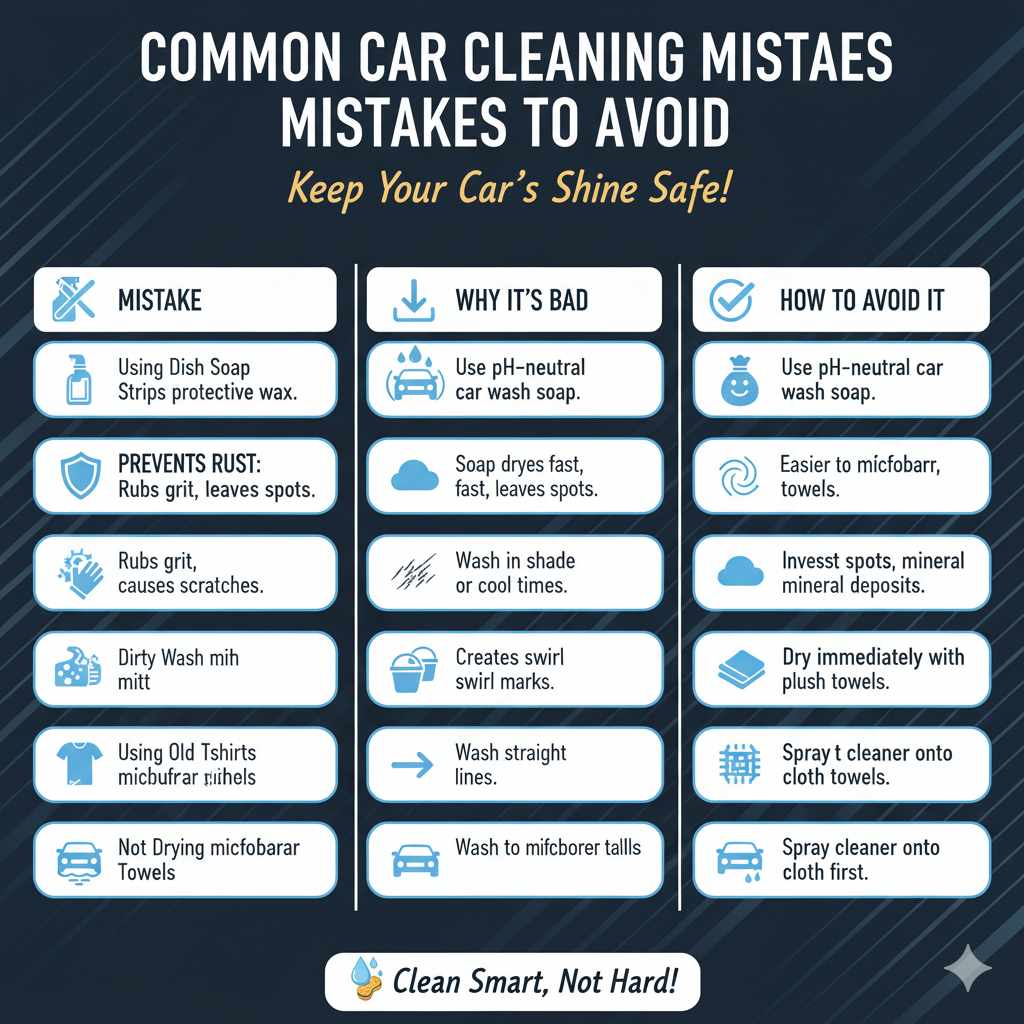
Common Car Cleaning Mistakes to Avoid
Even with the best intentions, some common mistakes can undo your hard work or even damage your car. Here are a few to watch out for:
| Mistake | Why It’s Bad | How to Avoid It |
|---|---|---|
| Using Dish Soap | Strips natural oils, removing protective wax. | Use pH-neutral car wash soap only. |
| Washing in Direct Sun | Soap dries too fast, leaving spots. | Wash in shade or early morning/late evening. |
| Dirty Wash Mitt | Rubs grit back onto paint, causing scratches. | Use the two-bucket method religiously. |
| Circular Washing | Creates “swirl marks” that dull paint. | Wash with straight-line motions. |
| Using Old T-shirts | Linty, abrasive, and don’t absorb well. | Invest in proper microfiber towels. |
| Not Drying Properly | Water spots and mineral deposits. | Dry immediately with plush microfiber towels. |
| Overspraying Interior | Can damage electronics and leave residue. | Spray cleaner onto cloth, not directly onto surfaces. |
Frequently Asked Questions (FAQ) About Car Cleaning
Q1: How often should I wash my car?
Ideally, wash your car every two weeks. However, this can vary depending on your environment. If you live in an area with heavy pollution, salt roads, or lots of trees, you may need to wash it more frequently.
Q2: Can I use my household vacuum cleaner to clean my car’s interior?
Yes, you can! Most household vacuums will work fine. Using attachments like a crevice tool and a brush head will help you get into all the tight spots and lift stubborn dirt from upholstery.
Q3: What’s the difference between car wax and car sealant?
Car wax, often made from carnauba, offers a warm glow and can be easier to apply. Sealants are synthetic and tend to last longer, offering more durable protection. Both are great ways to protect your paint.
Q4: How do I safely clean the cloth seats in my car?
For light dirt, a dedicated interior cleaner sprayed onto a microfiber cloth works well. For stains, use a specific fabric stain remover, and always test it on an inconspicuous area first. Blot, don’t scrub, to avoid spreading the stain.
Q5: Can I use dish soap to wash my car?
It’s best to avoid dish soap. While it cleans grease, it’s also very harsh on your car’s paint and will strip away any wax or sealant you have applied. Always use a dedicated car wash soap that is pH-neutral.
Q6: How can I get rid of water spots on my car?
For fresh water spots, try a quick detailer spray and a microfiber towel. If they are old and baked into the paint, you might need to use a clay bar or a polishing compound, often followed by waxing, to remove them. Prevention by drying thoroughly is the best method.
Conclusion
There you have it! You’ve got the essential knowledge to give your car a thorough and satisfying clean, both inside and out. Remember, the key is to use the right tools, follow simple step-by-step processes, and pay attention to the details. By incorporating regular car cleaning into your routine, you’re not just making your car look fantastic – you’re protecting your investment, ensuring its longevity, and making every drive a pleasure. So grab those supplies, find a nice shady spot, and give your car the attention it deserves. You’ve got this, and the results will speak for themselves!