How to Fix Deep Scratches on a Car: Depth Guide + Repair Steps
A deep scratch is one that has cut through the clear coat and the color coat, so you can see primer or bare metal in the groove. It needs layers put back in order (primer, color, clear), not more polishing.
The most common mistake is treating every scratch the same. A polishing compound works on the top layer only, and a scratch that catches your fingernail has usually gone deeper than that. This guide shows how to read the depth first, then walks the repair for deep scratches using the timings and temperature limits printed on the makers’ own pages (Dupli-Color for touch-up color and primer, 3M and Meguiar’s for compound), and ends with the cases where a body shop is the better call.
How Deep Is the Scratch? The Fingernail Test and Paint Layers
Best Primer Pick for Deep Scratches
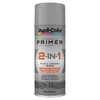 |
Dupli-Color Multi-Purpose Hi-Build 2-in-1 Filler & Sandable Primer, Gray, 12 oz: $17.07 at last check A scratch that has cut through the color coat leaves primer or bare metal showing, and touch-up color should not go straight onto that. This is the primer step, sprayed in light coats and sanded before the color coat.
|
As an Amazon Associate we earn from qualifying purchases.
Factory paint is a stack: primer on the metal, a color (base) coat, then clear coat on top. A scratch is only as deep as the lowest layer it reaches, and that layer decides the repair. Start with two quick checks. Wash and dry the spot, then drag a fingernail across the scratch at a right angle. If the nail catches, assume it has gone past the clear coat (this is a rule of thumb, not a maker specification). Then look into the groove in good light and note the color you see.
| What you see in the groove | Layer reached | What fixes it | DIY or pro |
|---|---|---|---|
| Light line, nail does not catch | Clear coat only | Compound and polish (see our cut and buff guide) | DIY |
| Paint color different from the car, nail catches | Color coat, primer may be near | Clean, thin touch-up color, clear coat | DIY for a short scratch |
| Grey, white or tan layer showing | Primer | Sand edges smooth, primer, color, clear | DIY if it is small and on one panel |
| Silver or dull bare metal | Metal | Prime promptly, color, clear; see our rust repair guide if rust has started | DIY for small spots, pro for large areas |
| Scratch plus dent, crease or cracked paint | Panel damage | Body shop repair | Pro |
Information most guides skip: Dupli-Color’s page for its Scratch Fix All-in-1 pen lists a pen tip for fine scratches and a brush for larger chips, and it states no maximum scratch depth. The same maker sells a separate filler primer. That is why this guide puts the primer step in the middle: the pen’s color and clear steps are fine for finishing a deep scratch, but the pen page does not say it replaces primer on bare metal.
What You Need Before You Start
- Paint code: Dupli-Color says the color code is usually on the vehicle manufacturer’s label, most often in the driver’s side door jamb. Match the code, not the color name.
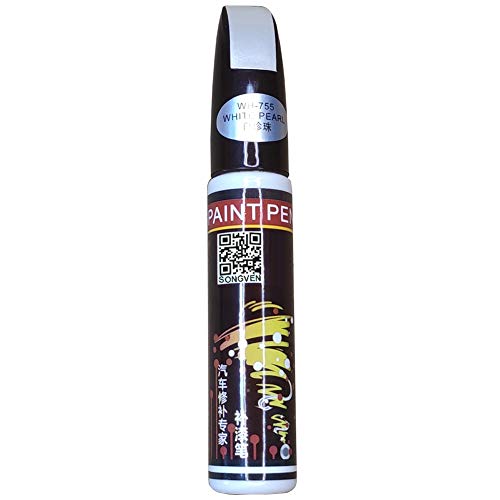
- Touch-up color and clear: The Dupli-Color Scratch Fix All-in-1 pen is one example, with an abrasive prep tip, a pen tip, a brush and a clear applicator in one tool. Many makers sell color-matched pens and sprays by paint code.
- Prep wipe or rubbing alcohol and clean lint-free cloths. Dupli-Color’s pen directions call for one of these to remove oil, wax and grease first.
- Filler primer: the Dupli-Color 2-in-1 Hi-Build filler primer above, or a similar automotive filler primer (Rust-Oleum sells several).
- Sandpaper: 320 grit to scuff the area and 600 grit wet or dry for the primer, per the Dupli-Color primer page.
- Masking tape and paper to protect the surrounding paint from overspray. Our paint-off guide explains why overspray is harder to remove than to prevent.
Safety First: Ventilation, Flammables and Protective Gear
Aerosol primers and paints are flammable and give off fumes. The Dupli-Color primer can pictured above carries a flammability warning on its label. Spray outdoors or in a well-ventilated space, away from ignition sources such as pilot lights and sparks, and read the label and the Safety Data Sheet (SDS) for the exact product before you start. Dupli-Color’s pages link to an SDS for each product. The SDS lists the gloves, eye protection and respiratory protection the maker calls for, so follow it rather than guessing. Do not sand or spray near children or pets, and keep rags and sanding dust away from heat.
How to Remove Deep Scratches from a Car: Step by Step
These steps are for a scratch that reaches primer or metal on one panel. The numbers come from the Dupli-Color pen and primer pages. Use them only between 60 and 95 degrees Fahrenheit (16 to 35 degrees Celsius) in low humidity, which is the range the maker gives for both products.
- Wash and dry the panel. Dirt dragged across the scratch makes it wider.
- Wipe the spot with rubbing alcohol or a prep wipe to remove wax, grease and oil, as the pen directions say.
- Mask a few inches around the scratch with tape and paper.
- Scuff and clean the edges. The primer page says to remove loose paint, dirt and rust, scuff with 320 grit (wet or dry), wipe again with a grease and wax remover, and let it dry. The pen’s abrasive tip does a similar job on small spots: use the pointed edge for fine scratches and the flat face to smooth edges.
- Prime. Hold the can parallel to the surface 8 to 10 inches away and spray in an even sweeping motion: two light coats, then one medium wet coat, 10 minutes between each. The maker lists 3 to 4 coats in total.
- Sand the primer. Wait 30 minutes, then sand wet or dry with 600 grit if needed, and wipe clean.
- Apply color. Hold the Scratch Fix pen upright with the tip up. Use the pen tip for fine scratches or twist the grip counter-clockwise to reach the brush for larger chips. Apply the paint evenly in one direction. The maker recommends 1 or 2 coats with 30 minutes before any additional coat. If you use a spray color instead, follow the can.
- Apply clear. Twist to the clear applicator and apply the clear top coat evenly in one direction. The maker says to wait 30 minutes before any further coats.
- Clean the pen tip with a lint-free cloth, cap it and store it somewhere cool and dry.
The maker’s primer page says to apply the topcoat 30 minutes after the primer is complete, and the pen’s page gives 30 minutes between color coats. Neither page gives a time before polishing the finished repair. Check the clear coat label for the cure time before you wash, wax or polish over it.
Leveling and Polishing the Finished Repair
Touch-up paint often leaves a slight ridge or raised edge. Once the clear coat has cured per its label, you can level it with a fine abrasive and compound. We do not give a grit sequence here because none of the pen, primer or compound pages we read gives one for finished touch-up paint. What the makers do say: 3M describes its Perfect-It II paste rubbing compound as a medium cutting compound designed to remove 1200, 1500 and 2000 grit sanding scratches in automotive paints, including clear coats, and Meguiar’s describes Ultimate Compound as removing fine scratches, swirls and oxidation. Both are finishing steps. If a repair needs heavy leveling, that is a sign to have a shop blend it. Our cut and buff guide covers the polishing side in more detail.
If the clear coat around your repair is peeling or flaking rather than scratched, that is a different problem. See our clear coat peeling guide.
When to See a Body Shop
A pen and a can of primer suit a short scratch on one panel. Book a shop when any of the following is true:
- The scratch runs across a door or fender, or crosses a body line or a panel edge.
- Bare metal shows over a large area, rather than a narrow line.
- The panel is dented, creased or cracked as well as scratched.
- Your car has a pearl, tri-coat or other multi-stage color that a pen is unlikely to match. Photograph the paint code and ask the shop.
- The panel is aluminum. The maker pages we read do not cover aluminum, so ask the shop or check the owner’s manual.
- You are not able to spray in a ventilated, ignition-free space.
Ask for a written quote from at least two shops. We have no verified repair prices for your area, so any dollar figure online (including older versions of this page) is only a guess.
Protect Bare Metal and Prevent Repeats
Bare metal has no paint protecting it, so do not leave a sanded scratch unprimed for long. Prime it the same day if you can, and keep the area dry in the meantime. If you see orange spotting or bubbling around the scratch, the metal has already started to corrode, and the rust guide linked above applies. To avoid fresh scratches, wash with clean mitts and plenty of water, and never wipe a dusty panel dry. Our guide to getting rid of minor scratches covers the light ones.
If you are comparing repair pens and kits before you buy, see our best fix for deep scratches roundup. This page is the process guide: it tells you which layer you are dealing with and what order to work in.
Frequently Asked Questions
How do I tell if a car scratch is deep?
Run a fingernail across it. If the nail catches, the scratch has most likely gone past the clear coat, and polishing alone will not remove it. If you see a different color (usually grey or white primer) or bare metal in the groove, it is a deep scratch that needs primer, color and clear coat. The fingernail catch test is a widely used rule of thumb, not a maker specification.
Can I fix a deep scratch with a touch-up pen?
Only partly. Dupli-Color describes the pen tip of its Scratch Fix pen for fine scratches and the brush end for larger chips, and its page gives no maximum scratch depth. For a groove that reaches primer or metal, the safer sequence is clean, prime, color, then clear, using the pen or brush for the color and clear steps.
Can deep scratches be buffed out?
No. Compounds such as Meguiar’s Ultimate Compound are described by the maker for fine scratches, swirls and oxidation, and 3M describes its Perfect-It II rubbing compound as removing 1200, 1500 and 2000 grit sanding scratches. Neither is described as removing a scratch that has cut through the clear coat into color or primer.
How long should I wait between coats of primer and paint?
Follow the can. For the Dupli-Color 2-in-1 filler primer, the maker says 10 minutes between coats, 30 minutes before wet or dry sanding with 600 grit, and 30 minutes after the primer is complete before the topcoat. For the Scratch Fix pen, the maker says 30 minutes before additional coats. Use them only between 60 and 95 degrees Fahrenheit in low humidity.
What if the scratch is on an aluminum panel?
The repair steps for steel and aluminum are not the same, and the maker pages we read do not cover aluminum. If you see bare metal on an aluminum panel, check your owner’s manual or ask a body shop before sanding or filling it.
When should I take a deep scratch to a body shop?
Go to a shop when the damage runs across more than one panel, when bare metal is exposed over a large area, when the panel is dented as well as scratched, when the paint is a pearl or multi-stage color you cannot match from a pen, or when you are not comfortable spraying primer in a ventilated space.
Conclusion
Match the repair to the layer. Clear coat scratches polish out. Scratches that catch your fingernail and show primer or metal need primer, color and clear, in that order, with the timings printed on the products you buy. Keep the repair small and on one panel, work in a ventilated space with the protective gear the SDS calls for, and hand anything bigger to a body shop.
Products related to this article
Sponsored / affiliate links. As an Amazon Associate I earn from qualifying purchases. I may earn additional commission from eligible campaigns.