How to Charge My Car Battery: A Step-by-Step Guide
Charging your car battery is simple. You need the right tools and a safe method.
This guide will help you charge your car battery quickly and safely. A car battery can lose power for many reasons. Cold weather, leaving lights on, or not driving often can drain it. Knowing how to charge your car battery is essential for every driver.
It saves time and prevents stress when your car won’t start. This process is straightforward but requires care. You must ensure safety while handling the battery and tools. In this guide, we will walk you through the steps. You will learn how to charge your battery efficiently. This knowledge will keep your car running smoothly and save you from unexpected troubles. Let’s dive in and get your car battery charged correctly.
Preparing To Charge
Find a working charger for the car battery. Check the charger cable for breaks. Have a wrench ready to loosen battery bolts. Keep a wire brush to clean terminals. Wear gloves for safety.
Turn off the car before charging. Check the battery for leaks. Keep a fire extinguisher nearby for emergencies. Ensure the charger is off before connecting. Do not touch metal parts with bare hands. Keep the area dry and clean. Stay away from the battery when it’s charging.
Identifying Battery Type
Car batteries are usually lead-acid or lithium-ion. Each type is different. Lead-acid batteries are heavy. They have liquid inside. Lithium-ion batteries are lighter. They last longer.
Always check the car manual. It tells you the battery type. Knowing the type is important. Charging methods differ. Wrong charging can harm the battery.
Selecting The Right Charger
Selecting the right charger is very important for your car battery. First, check your battery type. Batteries can be lead-acid or lithium-ion. Each type needs a different charger. Look at the battery label to find the type. Always match the charger to the battery type. This keeps your battery safe.
Charger features can help keep your battery healthy. Many chargers have a smart charging feature. This stops charging when the battery is full. It can prevent overcharging. Some chargers have a trickle charge mode. This mode keeps the battery charged without overcharging. Always check for these features before buying. It helps in the long run.
Credit: www.interstatebatteries.com
Setting Up The Charging Area
Choose a ventilated spot for charging. This helps with safety. Fresh air is important. Avoid closed spaces. The battery might release harmful gases. These gases need space to escape.
Place the charger on a flat surface. No wobbling or tilting. Make sure the surface is dry. Wet areas can be dangerous. Stability keeps the charger safe. It prevents accidents. Avoid areas with clutter. Clear the space around the charger. Safety first always.
Connecting The Charger
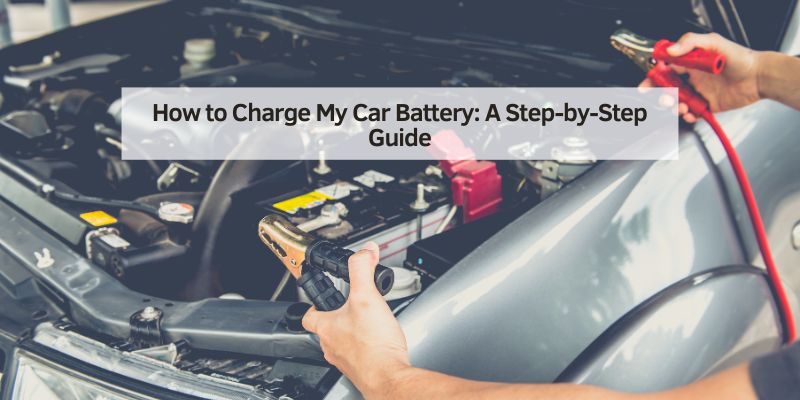
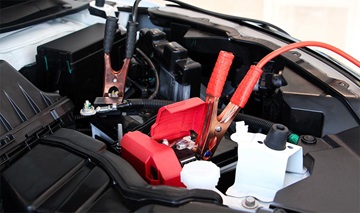
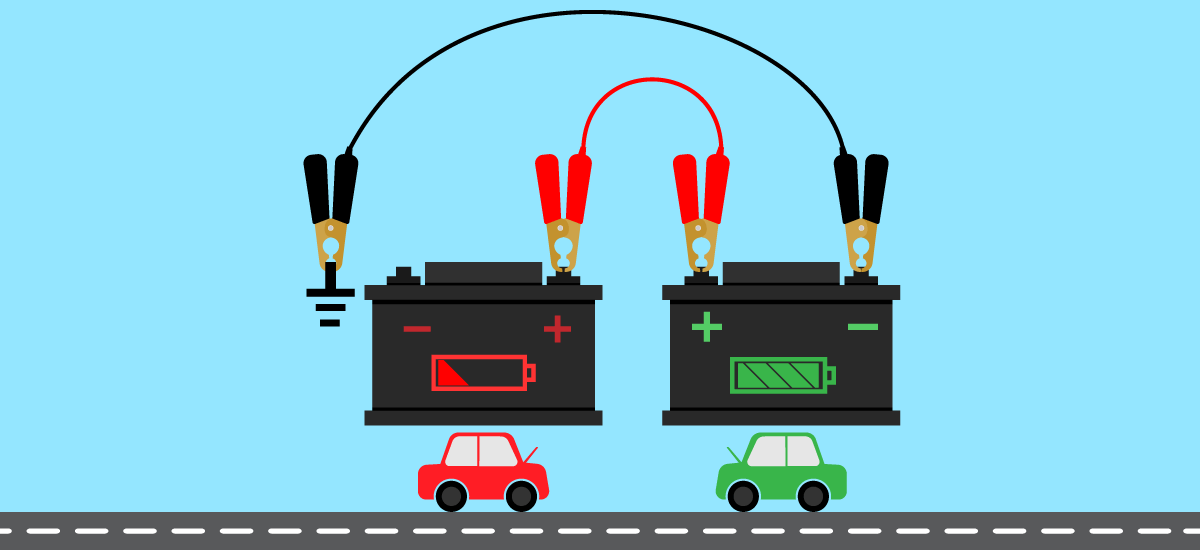
Always start with the positive cable. It’s red and has a plus sign. Connect it to the positive terminal on your car battery. This step is very important. It helps keep the car safe. Be sure the connection is tight and secure. Loose connections can cause problems. Keep your hands and tools away from the terminals. Safety first!
Next, attach the negative cable. It is black and has a minus sign. Connect it to the negative terminal of your battery. Ensure the connection is firm and stable. A strong connection prevents sparks and damage. Double-check that both cables are properly attached. This ensures a good charge.
Credit: ackodrive.com
Charging Process
Charging a car battery needs care. First, check the battery’s voltage. It is important to choose the correct voltage for safety. Most car batteries are 12 volts. Use a charger that matches this voltage. Some cars use different voltages. So, always check your car’s manual. Incorrect voltage can damage the battery. Safety is key. Double-check the voltage settings.
Always watch the charging process. Monitor the charger and battery often. Look for signs of overheating. This can be dangerous. Keep an eye on the charging time. Usually, it takes a few hours. Do not leave the battery unattended. Safety is important. Stop charging if you see smoke or smell burning.
Finishing The Charge
Charging a car battery involves connecting the positive and negative terminals correctly. Ensure you use a compatible charger for your car’s battery type. Monitor the charge process to avoid overcharging and ensure safe operation.
Disconnect Cables Safely
Turn off the car before touching anything. Remove the negative cable first. It’s the black one. Then remove the positive cable. This is very important. Keep tools away from the battery. Store the cables safely. Wear gloves to protect your hands.
Check Battery Status
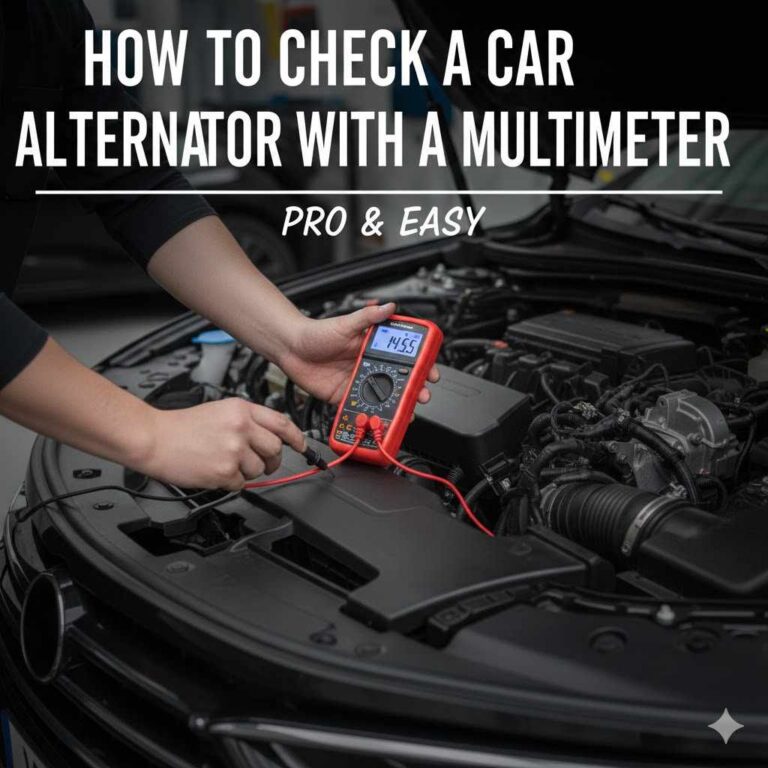
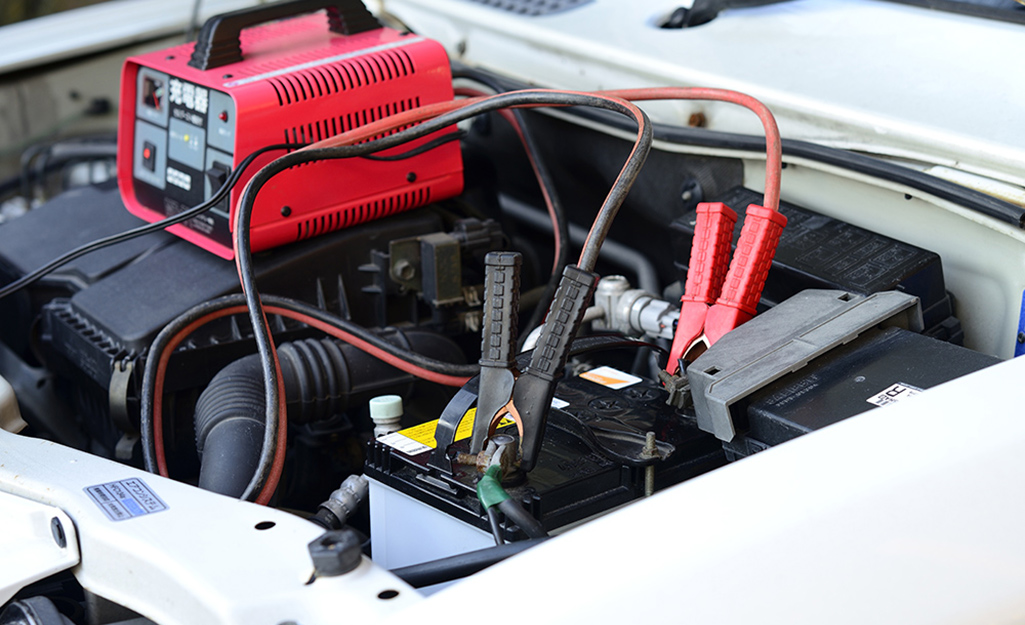
Look at the battery to check if it’s charged. Use a voltmeter to be sure. The number should be around 12.6 volts. If it is lower, it needs more charging. Check for leaks or damages. Clean the terminals if they are dirty. Replace the battery if it’s still not working.
Credit: www.homedepot.com
Maintaining Battery Health
Keep your battery charged to stay healthy. Charge it once a week if not driven often. Use a smart charger for better results. Avoid letting it drain completely. Extreme heat can hurt your battery. Keep it cool and safe.
Check battery terminals for dirt. Clean them to ensure good contact. Don’t use too much power when the engine is off. Always turn off lights when not in use.
Slow engine start might mean trouble. Dim lights are a warning sign too. Listen for a clicking sound when starting. That can mean low battery power. Swollen battery case shows it’s not well. Check for leaks around the battery area.
Frequent need for a jump-start is a bad sign. A strong smell near the battery can mean danger. Always replace an old battery to avoid problems.
Frequently Asked Questions
What Is The Proper Way To Charge A Car Battery?
To charge a car battery, connect the charger to the battery terminals. Ensure the charger is off. Set the charger to the correct voltage. Turn on the charger and monitor the charging process. Once fully charged, turn off the charger and disconnect it.
Can I Recharge My Own Car Battery?
Yes, you can recharge your car battery at home. Use a compatible battery charger. Ensure you connect the charger correctly to avoid damage. Follow safety precautions and consult your car’s manual for guidance. Regularly checking battery health prolongs its life.
How Do You Charge A Car Battery At Home?
To charge a car battery at home, connect a compatible battery charger. Ensure the charger matches the battery’s voltage. Attach the charger’s red clip to the battery’s positive terminal and black clip to the negative terminal. Plug in the charger, turn it on, and monitor the charging process.
Will Autozone Charge Your Battery For Free?
Yes, AutoZone offers free battery charging services. Visit your local store for a complimentary battery test and charge. This service helps extend battery life and ensures your vehicle starts reliably. Friendly staff are ready to assist with any battery-related questions or concerns.
Conclusion
Charging your car battery is easy with the right steps. Always ensure safety first. Follow the instructions in your car’s manual. Use quality equipment for best results. Keep an eye on battery health regularly. Simple maintenance can prevent future issues.
Now you have the knowledge. Go ahead and charge your car battery confidently. Remember, a well-charged battery leads to a smoother drive. Stay safe and enjoy the ride!