How To Check Brakes On A Car (Warning Signs To Watch For)
Your car’s brakes need regular checks. Listen for strange noises, feel for odd pedal behavior, and watch for warning lights. These signs help you know when it’s time for a professional inspection or service to ensure your brakes are working right.
Understanding Your Car’s Brakes
Your car uses a system of parts to slow down or stop your vehicle. The main parts are the brake pedal, the master cylinder, brake lines, and the parts at each wheel. These are usually disc brakes or drum brakes.
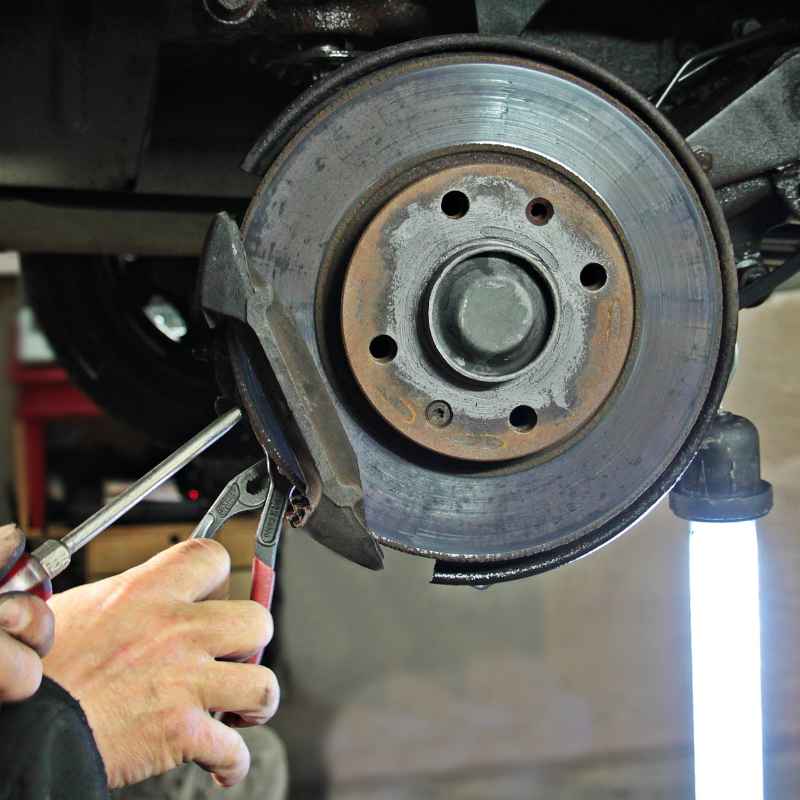
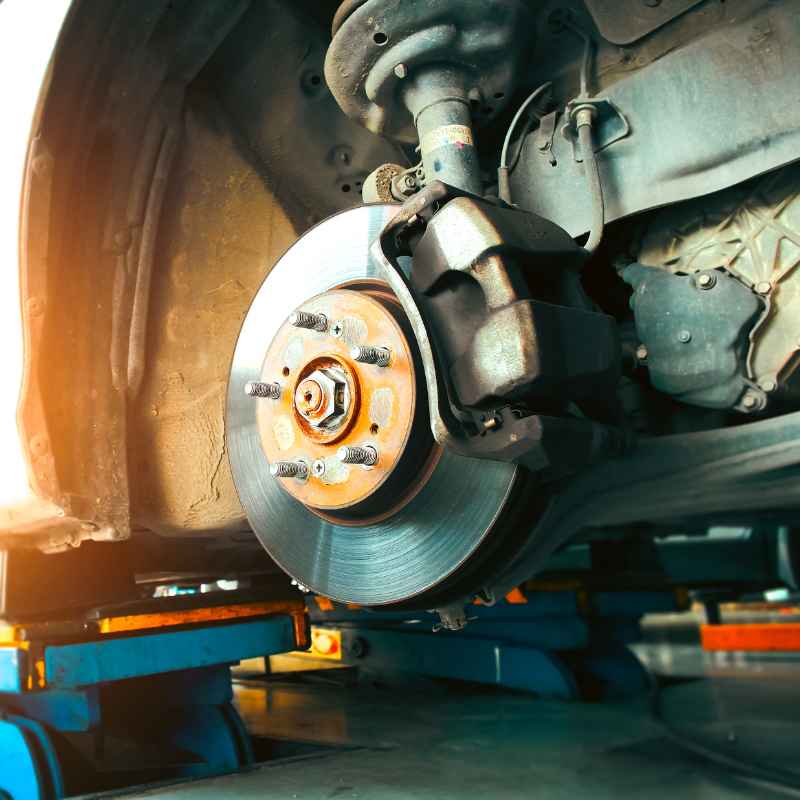
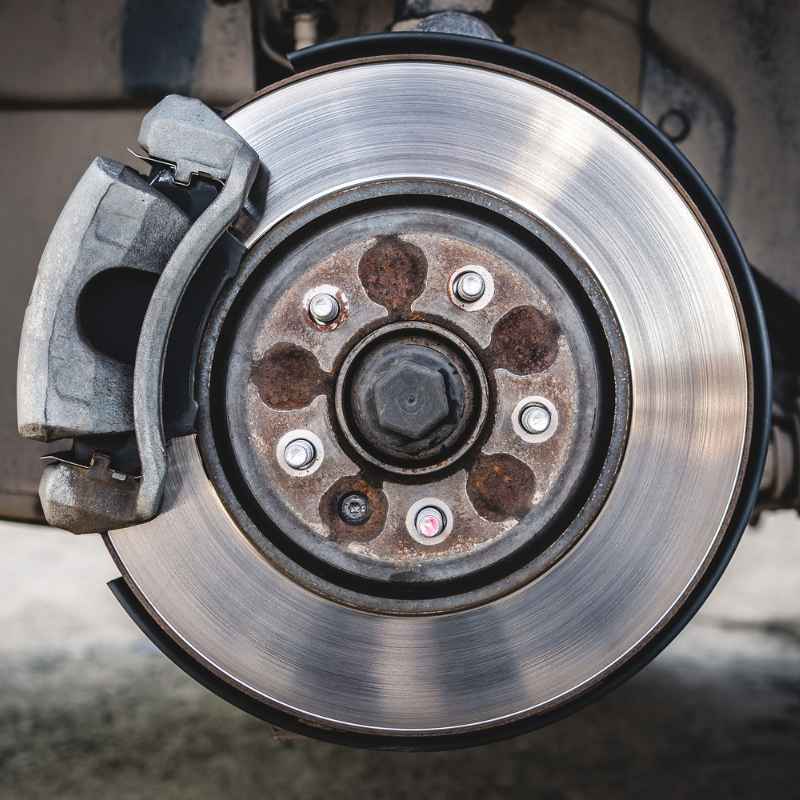
Disc brakes have a rotor and a caliper with pads. Drum brakes have shoes that press outward inside a drum.
When you press the brake pedal, it pushes fluid. This fluid travels through brake lines. It then activates the parts at the wheels.
These parts create friction. This friction slows the wheels down. It’s a complex dance of fluid and force.
All these parts must work together perfectly.
Over time, these parts wear out. Brake pads and shoes get thinner. Rotors can get grooved or warped.
Brake fluid can get old and less effective. Even small leaks in the lines can cause big problems. Regular checks help catch these issues early.
This is before they become dangerous.
My Own Brake Scare: A Lesson Learned
I remember one time, I was driving home late after a long day. It was raining pretty hard. As I approached a red light, I pushed the brake pedal like I always do.
But this time, something felt… soft. The pedal seemed to sink further than usual. My heart did a little flip.
It wasn’t a sudden failure, but a slow, creepy feeling that something was wrong.
I started to get a little nervous. I pumped the pedal a few times. It felt a bit firmer, but that initial softness stuck with me.
I decided to pull over at the next safe spot. I got out and looked at the wheels. I didn’t see anything obviously broken.
But that feeling lingered. I drove home very, very slowly. The next morning, I called my mechanic.
Turns out, a small leak had developed in one of my brake lines. It was an easy fix, but it scared me. It made me realize how much I relied on my brakes without really thinking about them.
That day taught me to pay attention to even the smallest changes.
Common Brake Warning Signs
Listen: Squealing, grinding, clicking noises.
Feel: Soft or spongy pedal, pedal goes too low, vibration.
See: Brake warning light on, fluid leaks.
Smell: Burning smell.
Key Ways to Check Your Car’s Brakes
You don’t need to be a mechanic to do some basic checks. Most of these can be done by you. They help you spot problems before they get serious.
Think of these as quick check-ups for your car’s most vital system.
1. Check the Brake Pedal Feel
This is one of the first things you can check. Sit in your car and start the engine. Press the brake pedal with your foot.
It should feel firm. It shouldn’t feel mushy or soft like a sponge. It should also not go all the way to the floor.
If the pedal feels soft, it could mean there’s air in the brake lines. It might also mean there’s a leak. If the pedal feels hard and requires a lot of force to press, that’s another sign of trouble.
This could be an issue with the brake booster or other parts.
Tip: Do this check when the car is running. The power brake booster needs the engine on to work correctly. This gives you the most accurate feel.
2. Listen for Strange Noises
Your brakes can tell you a lot with their sounds. Most modern brake pads have a small metal tab. This tab is called a wear indicator.
When the pads get thin, this tab touches the rotor. It makes a high-pitched squealing sound.
This squealing is a clear signal that your brake pads are worn. They need to be
Sometimes, you might hear a grinding noise. This is much more serious. It often means the brake pads are completely gone.
Metal is grinding against metal (the rotor). This can cause significant damage. It also greatly reduces your braking power.
If you hear grinding, stop driving the car and get it checked immediately.
Other noises like clicking or knocking could point to other issues. These might be loose brake components or problems with the calipers. Any new or unusual sound deserves attention.
3. Inspect Brake Fluid Level and Color
Brake fluid is like the blood of your braking system. It’s crucial for transferring force. You can usually find the brake fluid reservoir under the hood.
It’s a small, translucent plastic tank. It often has “MIN” and “MAX” lines marked on it.
Check the fluid level when the engine is cold. If the level is below the “MIN” line, you might have a leak. It could also mean your brake pads are very worn.
As pads wear, the caliper piston extends, and the fluid level drops slightly. This is normal. But a sudden drop is not.
The color of the fluid is also important. New brake fluid is usually clear or slightly yellowish. Over time, it can become dark brown or even black.
This indicates that the fluid is old. It may have absorbed moisture. Old fluid can reduce braking performance and cause corrosion in the system.
Most car manufacturers recommend changing brake fluid every 2-3 years.
Brake Fluid Basics
Purpose: Transfers pressure from the pedal to the brakes.
Location: Small reservoir under the hood.
Normal Level: Between MIN and MAX lines.
Normal Color: Clear to light yellow.
When to Worry: Low level, very dark color.
4. Look at the Brake Warning Light
Most cars have a brake warning light on the dashboard. It often looks like a circle with an exclamation mark inside, or the word “BRAKE”. This light can illuminate for a few reasons.
Sometimes, it means your parking brake is engaged. Make sure it’s fully released.
If the light stays on after you release the parking brake, it’s a serious warning. It usually means there’s a problem with your regular braking system. This could be low brake fluid, a leak, or an issue with the anti-lock braking system (ABS).
Do not ignore this light.
Another light you might see is the ABS warning light. It usually has “ABS” written inside a circle. This light means there’s a problem with your anti-lock braking system.
Your regular brakes will likely still work. But the ABS feature, which helps prevent skidding, might not.
5. Check for Vibrations or Pulsations
When you apply the brakes, do you feel a pulsing or vibration in the brake pedal? Or perhaps in the steering wheel? This is often a sign of warped brake rotors.
Rotors are the metal discs that your brake pads clamp onto.
Rotors can warp due to excessive heat. This can happen from heavy braking or overheating. When a rotor is warped, it’s no longer perfectly flat.
As the brake pads squeeze it, they encounter uneven surfaces. This causes the pulsing sensation you feel.
Warped rotors not only make for an uncomfortable ride but also reduce braking effectiveness. They can also cause the brake pads to wear unevenly. Replacing warped rotors is usually necessary to restore proper braking performance and comfort.
6. Examine Tires for Uneven Wear
While not directly a brake part, your tires play a huge role in stopping. Uneven tire wear can sometimes be a symptom of braking problems. For example, if one brake is dragging, it can cause that tire to wear out faster or differently.
Look at the tread on all your tires. Are they wearing down evenly across the surface? Or is one side more worn than the other?
Are there any bald spots? This could indicate a brake caliper is sticking or an alignment issue that might be related to how the brakes are applied.
Also, check the tire pressure. Properly inflated tires are essential for safe driving. Underinflated tires can affect braking distance.
They can also lead to premature tire wear.
Tire Wear Clues
- Even Wear: Generally good.
- Wear on One Side: Alignment or suspension issue.
- Wear in the Center: Over-inflation or too much driving.
- Wear on Edges: Under-inflation.
- Brake-Related Wear: Unusual patterns like flat spots or rapid wear on one axle.
Understanding Brake Pad and Rotor Wear
Brake pads and rotors are wear items. They are designed to be replaced periodically. Knowing how they wear is key to understanding when they need service.
Brake Pad Thickness
Brake pads are the friction material. They are pressed against the rotors. New brake pads are typically about 8-12 millimeters thick.
This includes the metal backing plate. You should consider replacing them when they reach about 3-4 millimeters thick.
Many pads have that wear indicator tab we talked about. It makes a squealing noise when the pad is getting low. Some pads also have a thin groove in the center.
If this groove disappears, it’s time for new pads.
Some mechanics will measure the pad thickness for you. They use a special tool. It gives you an exact measurement.
This is more precise than just looking.
Brake Rotor Condition
Brake rotors are metal discs. They get hot from friction. Over time, they can develop grooves.
They can also become warped or cracked. Grooved rotors can make your brakes feel less effective. They can also cause the new brake pads to wear out faster.
A mechanic can measure the thickness of your rotors. They can also check for flatness. If rotors are too thin or warped, they need to be replaced.
Sometimes, they can be “resurfaced” or “turned.” This is grinding them flat again. But they can only be resurfaced a limited number of times.
Brake Rotor and Pad Lifespan
Brake Pads: Typically last 30,000 to 70,000 miles. Varies greatly by driving style and material.
Brake Rotors: Often
Key Factor: Driving habits (aggressive braking wears them faster). Quality of parts also matters.
When is it Time to Get Professional Help?
While DIY checks are great, some things require a professional touch. Mechanics have the tools and knowledge to diagnose complex issues. They can also perform repairs safely.
Signs You Need a Mechanic Immediately
Sudden Loss of Braking Power: If your pedal goes to the floor and your car barely stops, this is an emergency. Pull over safely and call for a tow. Do not try to drive it.
Persistent Grinding Noises: This means metal-on-metal contact. It’s dangerous and damaging. Get it checked right away.
Brake Warning Light Stays On: This light is a direct signal from your car’s computer. It needs professional attention.
Leaking Brake Fluid: If you see puddles under your car or the fluid level is very low, do not drive. This is a critical safety issue.
Car Pulls Strongly to One Side When Braking: This indicates a problem with one of your brakes. It could be a stuck caliper or a collapsed brake hose.
Regular Maintenance Schedule
Even if you don’t notice any problems, follow your car’s maintenance schedule. Your owner’s manual will tell you when to have your brakes inspected. Many recommend an inspection every 6 months or 12,000 miles.
A more thorough check is often suggested every 24,000 miles or two years.
These regular checks allow mechanics to spot small issues. They can fix them before they become big, expensive problems. They can also check other related components like your brake lines and calipers.
Professional Brake Checks Include:
- Brake Pad/Shoe Inspection: Measuring thickness and checking for damage.
- Rotor Inspection: Checking for wear, warping, and cracks.
- Brake Fluid Check: Level, color, and moisture content.
- Brake Line and Hose Inspection: Looking for leaks, cracks, or damage.
- Caliper and Wheel Cylinder Check: Ensuring they move freely.
- Parking Brake Functionality: Testing its effectiveness.
Real-World Scenarios and What They Mean
Let’s look at some common situations you might encounter with your car’s brakes.
Scenario 1: The “Spongy” Pedal After a Long Drive
You’ve been driving for a few hours. You notice your brake pedal feels a bit softer than usual. This could be due to the brakes overheating on a long trip, especially if there were many hills.
Overheated brake fluid can expand, making the pedal feel softer.
What to do: On your next break, let your car sit for a while. Allow the brakes to cool down completely. If the pedal feels normal after cooling, it was likely just heat.
However, if it’s a regular occurrence or the pedal feels excessively soft even when cold, it’s worth getting checked. It might point to older brake fluid or a slight issue with your brake system.
Scenario 2: A New Squeak After Rain
You notice a high-pitched squeak when you first start driving after a rainy day. It goes away after a few brake applications. This is often normal.
Moisture can cause a thin layer of rust to form on the rotors overnight or during wet weather. This rust is quickly scraped away by the brake pads on the first few stops.
What to do: If the squeak goes away quickly, you probably don’t need to worry. If it continues after several stops, or if it’s a grinding noise, it’s a different story. That could mean rust has gotten into the pads or there’s an issue with the brake components.
Scenario 3: The Dashboard Light Flickers
Your brake warning light comes on briefly, then goes off. This can be unnerving. It might happen when you go over a bump.
This could indicate a loose connection in the brake warning light system or a sensor issue. It’s less critical than a light that stays on.
What to do: While it might be minor, it’s still a sign that something isn’t quite right. It’s best to have a mechanic look at it during your next scheduled service. They can check the connections and ensure the system is functioning correctly.
Don’t wait for it to become a constant issue.
Brake System Components to Watch
Brake Pads/Shoes: The primary friction material.
Brake Rotors/Drums: The spinning discs or drums the pads/shoes press against.
Calipers (Disc): Hold the brake pads and press them against the rotor.
Wheel Cylinders (Drum): Push the brake shoes outward.
Brake Lines/Hoses: Carry brake fluid under pressure.
Master Cylinder: Converts pedal force into hydraulic pressure.
Brake Fluid: The hydraulic fluid that transmits force.
What This Means for You
Keeping your brakes in good shape is not just about avoiding costly repairs. It’s about your safety and the safety of others. Knowing these warning signs empowers you.
When Brake Noises Are Normal
As we mentioned, a light squeak after rain or a brief noise when starting up after a car wash is usually nothing to worry about. Some brake pad materials might make a slight noise under certain conditions. But these should be brief and go away quickly.
When to Worry About Brake Symptoms
Any persistent, loud, or unusual noises (grinding, knocking) are cause for concern. A brake pedal that feels soft, sinks to the floor, or pulses strongly is a major red flag. Any warning light on your dashboard related to the brakes needs immediate attention.
Don’t assume it will just go away.
Simple Checks You Can Do Today
Check your brake pedal: Does it feel firm? Does it go too low?
Listen for noises: Any squealing, grinding, or clicking?
Look under the hood: Is the brake fluid level correct and its color okay?
Check your dashboard: Is the brake light on?
These simple checks take only a few minutes. They can save you from a dangerous situation. And they can save you a lot of money on repairs.
Quick Tips for Brake Care
Taking good care of your brakes can extend their life. It also ensures they perform at their best.
- Avoid Riding the Brakes: Try not to rest your foot on the brake pedal while driving. This causes unnecessary wear and heat.
- Brake Smoothly: Whenever possible, brake gradually instead of slamming on the brakes. This is easier on your pads and rotors.
- Downshift on Steep Hills: Use your lower gears to help control your speed on long downhill stretches. This reduces the workload on your brakes.
- Address Issues Promptly: Don’t wait to fix small problems. A worn pad can damage a rotor. A small leak can become a big one.
- Use Quality Parts: When it’s time for replacement, use good quality brake pads and rotors. They perform better and last longer.
Frequently Asked Questions About Checking Car Brakes
How often should I check my car’s brakes?
It’s a good idea to do a quick check of your brake pedal feel and listen for noises every time you get gas. A more thorough visual inspection of the pads and rotors should happen at least once a year, or as recommended by your car’s manufacturer. Many mechanics suggest checking them during oil changes.
What does it mean if my brake pedal goes to the floor?
If your brake pedal sinks all the way to the floor, it means there is a serious problem. This usually indicates a significant loss of hydraulic pressure. It could be a large brake fluid leak, a faulty master cylinder, or air in the brake lines.
This is a dangerous situation, and you should stop driving the car immediately and have it towed to a mechanic.
Can I check brake pads myself without taking off the wheel?
In many cars, you can see a portion of the brake pads through the spokes of the wheels. Look for the thickness of the friction material. You might also be able to see the brake rotor.
However, for a proper inspection, it’s best to remove the wheel. This allows you to see the entire rotor surface and check the condition of the pads more accurately.
Why do my brakes squeal when it’s cold or wet?
A light squeal that happens when the brakes are cold or after they’ve been exposed to moisture is often normal. This can be caused by a thin layer of rust on the rotors or by condensation. The squeal usually disappears after a few brake applications as the pads scrape the rotor clean.
Persistent or loud squealing, however, indicates worn brake pads.
What is the difference between brake pads and brake shoes?
Brake pads are used in disc brake systems. They are clamped against a rotor. Brake shoes are used in drum brake systems.
They press outward against the inside of a drum. Many modern cars use disc brakes on all four wheels, but some older or larger vehicles might use drum brakes on the rear.
Is it okay to drive with a slightly soft brake pedal?
No, it is not okay to drive with a brake pedal that feels significantly soft or sinks to the floor. Even a slightly soft pedal means your braking system is not performing at its best. This can increase your stopping distance.
It’s best to have it checked by a professional as soon as possible to ensure your safety.
Final Thoughts on Brake Safety
Taking care of your car’s brakes is a critical part of being a responsible driver. By knowing what to listen for, what to feel, and what to look for, you can catch problems early. Don’t wait for a brake failure to realize their importance.
Regular checks and prompt attention to warning signs keep you and your loved ones safe on the road.
Products related to this article
Sponsored / affiliate links. As an Amazon Associate I earn from qualifying purchases. I may earn additional commission from eligible campaigns.