How to Check If Car AC Is Working Properly: Proven Guide
Checking your car’s AC is straightforward. Listen for the compressor engaging, feel for cold air, and look for condensation. If it blows warm, the system likely needs attention from a professional.
Feeling that sweltering heat inside your car when you desperately need a cool breeze can be incredibly frustrating. A working air conditioner isn’t just a luxury; it’s essential for comfort and even safety on hot days. But how do you know if your car’s AC is truly performing at its best, or if it’s starting to falter? Many drivers worry about complex repairs and hefty bills. Don’t let confusion about your car’s AC system stress you out. This guide will walk you through simple, step-by-step checks you can do yourself to assess your car’s air conditioning performance. You’ll learn to identify common signs of trouble, so you can either relax knowing your AC is great, or know when it’s time to seek professional help.
Why Your Car AC Might Not Be Working
Car air conditioning systems are complex, involving several key components working together. When one part has an issue, it can affect the entire system. Understanding common reasons for AC failure can help you diagnose problems more effectively. These often involve simple issues like low refrigerant or more complex mechanical problems within the compressor or fans.
Some of the most frequent culprits behind a poorly performing car AC include:
- Low Refrigerant: This is perhaps the most common reason. Refrigerant (often called Freon) is the substance that cools the air. Leaks can cause the refrigerant level to drop over time.
- Compressor Issues: The compressor is the heart of the AC system. If it’s not engaging, or it’s failing internally, the system won’t cool effectively.
- Electrical Problems: Fuses, relays, or wiring issues can prevent the AC system from receiving power.
- Condenser Blockage: The condenser, located at the front of the car, needs good airflow to dissipate heat. Debris like leaves or dirt can block it.
- Evaporator Problems: The evaporator is inside the car and cools the air. It can become frozen or clogged with debris, hindering airflow.
- Cooling Fans Not Working: The radiator and condenser fans are crucial for cooling the refrigerant. If they aren’t spinning, the system won’t work efficiently, especially at low speeds.

Simple Checks You Can Do at Home
You don’t need to be a master mechanic to perform a basic check of your car’s AC system. These simple steps will help you get a clear picture of how it’s performing. It’s all about observing and listening. For these checks, ensure your car is in a safe, well-ventilated area, ideally outdoors.
Step 1: Start the Engine and Turn on the AC
The first thing to do is get everything powered up. Start your car’s engine, then turn the air conditioning system on to its coldest setting and the fan speed to high. This ensures the system is running under load, which is when you’ll notice problems most easily.
Step 2: Listen for the AC Compressor
The AC compressor is a vital part that circulates the refrigerant. When the AC is turned on, you should hear a distinct “click” or “thump” sound as the compressor clutch engages. This is a good sign that the electrical and mechanical components that activate the compressor are working. If you don’t hear this sound, or you hear grinding or squealing, it could indicate a problem with the compressor itself or its supporting systems.
What to listen for:
- A solid click as the clutch engages.
- A smooth sound of operation once engaged.
Warning signs:
- No sound at all.
- Grinding, rattling, or squealing noises.
Step 3: Feel the Airflow from the Vents
After letting the AC run for a minute or two, place your hand in front of the air vents. You should feel a strong, steady stream of air. If the airflow is weak, even with the fan on high, it could point to an issue with the cabin air filter being clogged or a problem with the blower motor.
Step 4: Check the Air Temperature
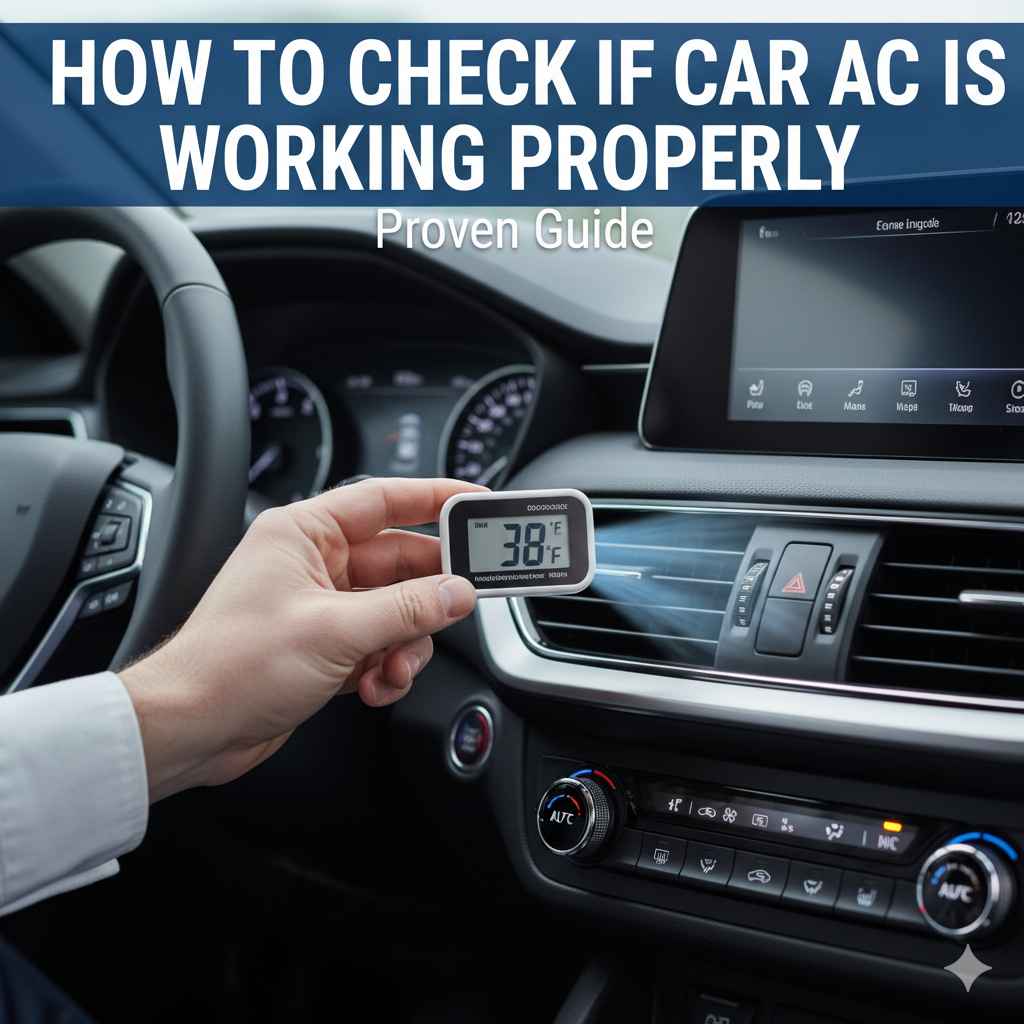
This is the most critical step for comfort. Feel the air temperature coming from the vents. Properly functioning AC should blow noticeably cold air, much colder than the outside temperature. To get a more precise reading, you can use a thermometer and hold it in front of a vent for a few minutes. For a car that’s been sitting in the sun, it might take a few minutes for the system to cool down the cabin effectively, but the air coming directly from the vents should become quite cold relatively quickly.
A good benchmark is that the air from the vents should be around 40–50°F (4–10°C) when the ambient outside temperature is 80°F (27°C) or higher. You can use a simple kitchen thermometer or a digital thermometer for this.
Step 5: Look for Condensation on AC Lines (Optional but Helpful)
If you’re comfortable and able to safely look under the hood while the engine is running and the AC is on, you can check the AC refrigerant lines. These are typically insulated metal pipes. The larger, insulated line (the low-pressure line) should feel cold and may even show signs of condensation (sweating or small water droplets). If this line is not cold or is dry, it might mean that the refrigerant isn’t cooling properly, possibly due to low refrigerant levels or a system issue.
Safety Warning: Be extremely cautious when working around a running engine. Keep hands, hair, and clothing away from moving parts like belts and fans.
Step 6: Inspect the Condenser
The condenser is usually located at the very front of your car, in front of the radiator. It looks like a smaller, finned radiator. Turn off the engine and open the hood. Inspect the condenser for any obvious blockages. Leaves, plastic bags, dirt, or other debris can accumulate on its surface, preventing it from effectively releasing heat. If it’s blocked, gently clean it with a hose (low pressure) or a soft brush. Make sure to do this when the engine is cool.
Step 7: Check the Cabin Air Filter
A clogged cabin air filter is a surprisingly common cause of weak AC airflow. This filter cleans the air entering your cabin. If it’s packed with dirt and debris, it restricts airflow, making your AC feel less effective. The cabin air filter is usually located behind the glove box or under the dashboard. Consult your car’s owner’s manual for its exact location and replacement instructions. Replacing it is often a simple DIY task and can significantly improve airflow and AC performance.
You can generally find your cabin air filter location by checking your owner’s manual or searching online for [Your Car Make Model Year] cabin air filter location.” For example, a guide on YourMechanic.com can offer visual examples.
Troubleshooting Common AC Problems
If your AC isn’t blowing cold air or airflow is weak, it’s time to dive a bit deeper. While some issues are best left to professionals, understanding the problem can save you time and money.
Scenario 1: No Cold Air, but Fan Blows
If your fan is blowing air, but it’s warm, the problem likely lies with the cooling mechanism itself.
- Low Refrigerant: As mentioned, this is the prime suspect. A leak allows refrigerant to escape, and without enough of it, the system can’t cool effectively. This requires a professional with specialized equipment to find the leak, repair it, and recharge the system.
- Compressor Not Engaging: If you didn’t hear the click in Step 2, the compressor might not be running. This could be due to a blown fuse, a faulty relay, a bad clutch coil, or an issue with the AC pressure switch.
- Cooling Fan Malfunction: If the electric cooling fans that pull air through the condenser aren’t working, the refrigerant won’t cool down properly. This is more noticeable when you’re stopped or moving slowly.
Scenario 2: Weak Airflow
If the air coming out feels cool but isn’t blowing strongly, focus on airflow restrictions.
- Clogged Cabin Air Filter: This is the most common reason for weak airflow. Replacing it is usually simple.
- Blower Motor Issue: The blower motor is what pushes the air through the vents. If it’s failing, it won’t generate strong airflow. You might hear unusual noises from it.
- Duct Blockage: While rarer, something could be obstructing the air ducts themselves.
Scenario 3: Strange Noises
Unusual sounds from the AC system are a clear indicator of a problem.
- Whining/Squealing: This often points to a failing bearing in the compressor or a worn serpentine belt.
- Grinding/Rattling: This can indicate internal damage to the compressor or a loose component.
- Hissing: This might be a sign of a refrigerant leak.
When to Call a Professional
While these DIY checks are great for initial assessment, there are times when you absolutely need to bring in an expert. Trying to perform complex AC repairs without the right knowledge and tools can be dangerous and lead to more damage and expense.
You should call a professional mechanic if:
- You suspect a refrigerant leak. Handling refrigerants requires special equipment and licenses due to environmental regulations and safety concerns. According to the U.S. Environmental Protection Agency (EPA), proper handling and disposal of refrigerants are critical.
- You hear loud or unusual noises like grinding, squealing, or hissing.
- The AC system has completely stopped working, and basic checks haven’t revealed the cause.
- You are not comfortable performing any of the checks or suspect a more involved mechanical or electrical issue.
- Your car is blowing hot air despite trying basic troubleshooting.
Benefits of Professional AC Service
A certified mechanic has the advanced diagnostic tools, such as manifold gauges and leak detectors, to accurately pinpoint AC problems. They can:
- Safely recover and recharge refrigerant.
- Precisely identify and repair leaks.
- Diagnose and replace faulty components like the compressor, condenser, or evaporator.
- Check electrical systems and perform necessary repairs.
- Ensure the system is properly evacuated and charged, maximizing efficiency and longevity.
Understanding AC System Components
To better understand what’s happening under the hood, it helps to know the main parts of your car’s AC system:
| Component | Function | Common Issues |
|---|---|---|
| Compressor | The “heart” of the system; it pumps refrigerant and pressurizes it to circulate through the system. | Clutch failure, internal wear, leaks, electrical issues. |
| Condenser | Located at the front of the car, usually in front of the radiator. It releases heat from the refrigerant into the outside air. | Blockages from debris, bent fins, leaks. |
| Evaporator | Located inside the dashboard; it absorbs heat from the cabin air, cooling it. | Blockages, ice buildup, leaks, mold/mildew. |
| Receiver/Drier or Accumulator | Stores refrigerant and removes moisture from it. | Clogging, contamination. |
| Expansion Valve or Orifice Tube | Regulates the flow of refrigerant into the evaporator. | Clogging, sticking. |
| Refrigerant | The chemical that circulates through the system, changing state to absorb and release heat. | Leaks, low levels. |
| Blower Motor | Pushes air through the system and out the vents. | Fan motor failure, electrical issues. |
| Cooling Fans | Pull air through the condenser to help release heat. | Motor failure, electrical issues. |
Signs of AC System Imbalance
Even if your AC is still cooling, certain signs might indicate it’s not working at its peak efficiency:
- Uneven Cooling: Some vents blow colder air than others.
- AC Takes Too Long to Cool: It feels like it takes forever for the cabin to cool down after you turn it on.
- Musty Odors: This can point to mold or mildew growth on the evaporator, which can affect air quality and cooling.
- Frequent Cycling: The AC compressor turns on and off too often, rather than running smoothly.
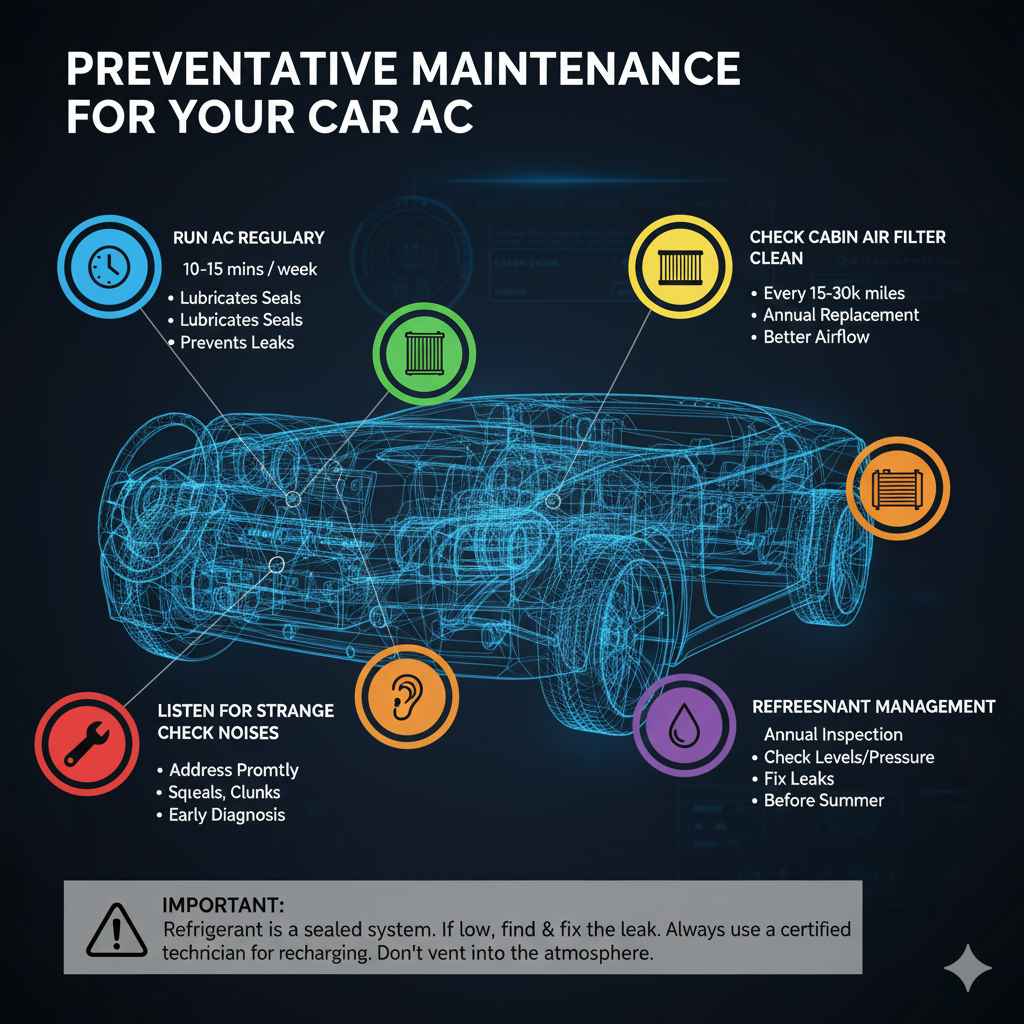
Preventative Maintenance for Your Car AC
Just like any other system in your car, your AC can benefit from regular maintenance. A few simple steps can help keep it running efficiently and prevent costly repairs down the line.
- Run Your AC Regularly: Even in cooler months, run your AC for about 10-15 minutes every couple of weeks. This circulates the refrigerant and keeps the seals lubricated, preventing them from drying out and causing leaks.
- Check Cabin Air Filter: Replace your cabin air filter according to your car’s maintenance schedule, typically between 15,000 and 30,000 miles or once a year. More often if you drive in dusty conditions.
- Keep Condenser Clean: Periodically check and clean debris from the condenser. A gentle rinse with a hose can help maintain airflow.
- Listen for Strange Noises: Address any unusual sounds from the AC system promptly.
- Professional Check-ups: Consider having your AC system inspected by a professional during your car’s regular service appointments, especially before the summer season. They can check refrigerant levels, system pressures, and overall performance.
The Importance of Refrigerant Management
Refrigerant is a sealed system. If you’re frequently needing to “top it up,” it means you likely have a leak. Refrigerant doesn’t get “used up” like oil or gas. Adding refrigerant without finding and fixing the leak is a temporary fix and can be harmful to the environment. If you suspect you’re low on refrigerant, it’s best to let a certified technician handle it. They have the tools to check the exact pressure, find leaks, and recharge the system correctly. You can learn more about refrigerant handling from resources like the SEMA Builders website, which discusses professional equipment used in servicing these systems.
Frequently Asked Questions (FAQ)
Q1: How often should I have my car’s AC serviced?
It’s a good idea to have your AC system checked annually, especially before the hot season. A professional can inspect for leaks, check refrigerant levels, and ensure all components are working correctly.
Q2: My car AC blows air, but it’s not very cold. What’s the most likely cause?
The most common reason is low refrigerant levels, usually due to a leak in the system. Other possibilities include a failing compressor, a clogged condenser, or issues with the cooling fans.
Q3: Is it safe to add refrigerant myself?
While DIY refrigerant recharge kits are available, it’s generally not recommended for beginners. Overcharging the system or adding the wrong type of refrigerant can cause serious damage. It’s best to let a professional diagnose the problem and handle any refrigerant additions.
Q4: What does it mean if I hear a clicking sound when I turn on my AC?
A clicking sound usually means the AC compressor clutch is engaging, which is a normal and good sign. It indicates that the electrical signal is reaching the compressor, and it’s attempting to start its cycle.
Q5: Why does my car AC smell musty?
A musty smell often indicates the presence of mold or bacteria growing on the evaporator core or in the air ducts. Running the AC with the heat on for a short period, or using specialized AC cleaning sprays, can sometimes help. Regular replacement of the cabin air filter also helps.
Q6: Can a dirty cabin air filter really affect AC cooling?
Yes, a severely clogged cabin air filter restricts airflow significantly. While it doesn’t prevent the refrigerant from getting cold, it drastically reduces the amount of cool air that reaches you.