How to Clean Car Seats: Leather, Fabric & Vinyl Methods
Car seats need a cleaning method matched to their material — mild soap and water for fabric, a pH-balanced cleaner for leather, and a damp microfiber cloth for vinyl, never ammonia or bleach on any of them. Neglected upholstery does more than look bad: Kelley Blue Book’s condition scale marks stained seats down from Very Good to Fair, costing hundreds at trade-in. This guide covers a universal 6-step routine, material-specific fixes, and a leather-fabric-vinyl comparison.
[Insert your Affiliate Disclosure reusable block here]
Quick Answer
Match your cleaner to the seat material: mild soap and water for fabric, a pH-balanced leather cleaner and conditioner for leather, and a damp microfiber cloth (or light steam) for vinyl. Vacuum first every time, never use ammonia or bleach on any material, and let seats air-dry completely before closing the doors.
Tools You’ll Need to Clean Any Car Seat
Before touching any seat material, gather these basics — they cover leather, fabric, and vinyl alike:
- Vacuum with a brush attachment — for loose dirt, dust, and crumbs in seams and corners
- Soft-bristle brush — for working cleaner into fabric without scratching
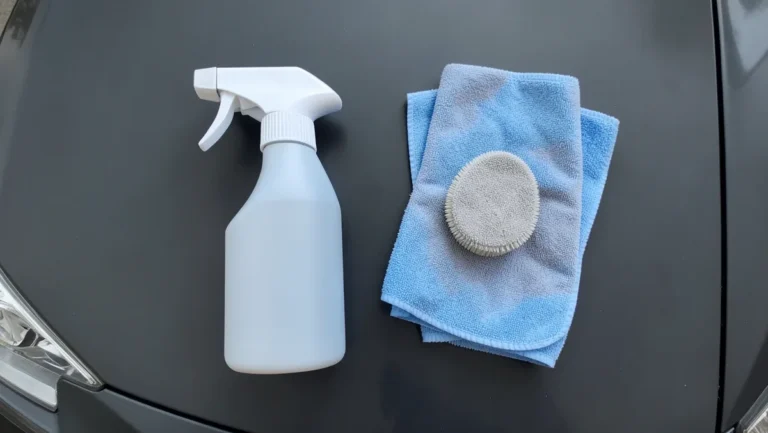
- Microfiber cloths (several) — one for applying cleaner, one for buffing dry
- Material-specific cleaner — mild soap for fabric, pH-balanced leather cleaner for leather, all-purpose or vinyl-safe cleaner for vinyl
- Conditioner or protectant — leather conditioner, fabric protector spray, or vinyl UV protectant
- Baking soda and white vinegar — for odors and light stains
Best Car Seat Cleaner Pick
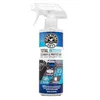
Chemical Guys Total Interior Cleaner & Protectant (Leather & Vinyl), 16 oz
One bottle that safely cleans and protects both leather and vinyl surfaces — useful if your car has both, like leather seats and a vinyl dashboard.
- Best for: Mixed-material interiors (leather seats plus vinyl trim)
- Why we picked it: Matches this guide’s leather-and-vinyl split and adds UV protection in the same step
- Main drawback: Not formulated for fabric — you’ll still need a dedicated cleaner for cloth seats
Compare more seat cleaning options by material
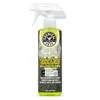 Fabric Seats Chemical Guys Citrus Fabric & Carpet Cleaner Spray, 16 oz
|
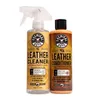 Leather Seats Chemical Guys Leather Cleaner & Conditioner Kit, 2 x 16 oz
|
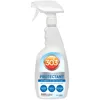 Vinyl Seats 303 Aerospace Protectant for Vinyl, Plastic & Rubber, 32 oz
|
As an Amazon Associate we earn from qualifying purchases.
Leather vs. Fabric vs. Vinyl: Which Is Easiest to Clean?
Vinyl is the easiest of the three to clean — it resists stains and dries fastest, since it doesn’t absorb liquid the way fabric does. Fabric is the hardest, because spills and odors soak into the fibers instead of sitting on the surface. Leather falls in the middle: it needs specialized products, but a quick wipe-down is usually enough for everyday dirt.
| Material | Cleaning Difficulty | Safe Cleaner | Dry Time |
|---|---|---|---|
| Vinyl | Easiest | Damp microfiber cloth or mild soap | 10–15 minutes |
| Leather | Moderate | pH-balanced leather cleaner + conditioner | 15–20 minutes |
| Fabric | Hardest | Mild fabric cleaner, soft brush | 2–4 hours (air dry) |
How to Clean Leather Car Seats
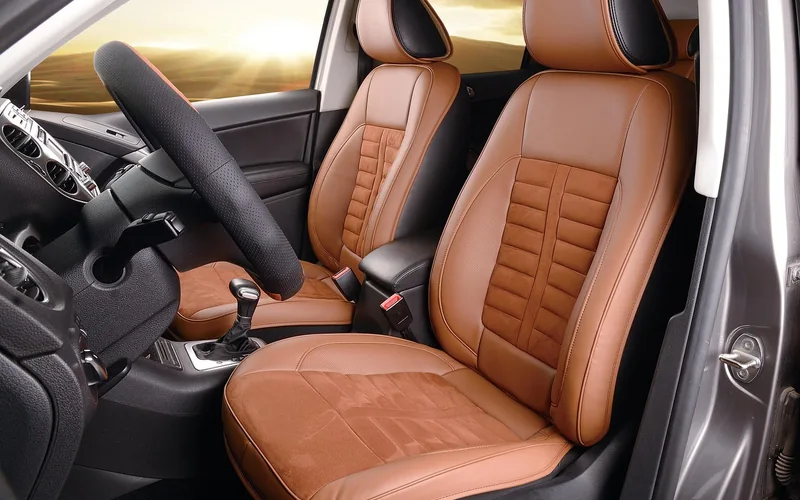
Leather seats need a pH-balanced leather cleaner, not general-purpose soap — regular dish soap or all-purpose cleaner strips the natural oils that keep leather flexible. Spray the cleaner onto a soft cloth, then rub in gentle circles. Avoid rough scrubbing; it can scuff the finish. Wipe away extra cleaner with a second, dry cloth.
After cleaning, leather needs conditioning. Apply a small amount of leather conditioner on a clean cloth and rub it in gently — don’t overdo it, since too much conditioner can leave seats feeling greasy. Let it absorb for 5–10 minutes, then buff with a dry cloth for a matte, non-shiny finish. Repeat every 2–3 months to prevent cracking.
How to Clean Fabric Car Seats
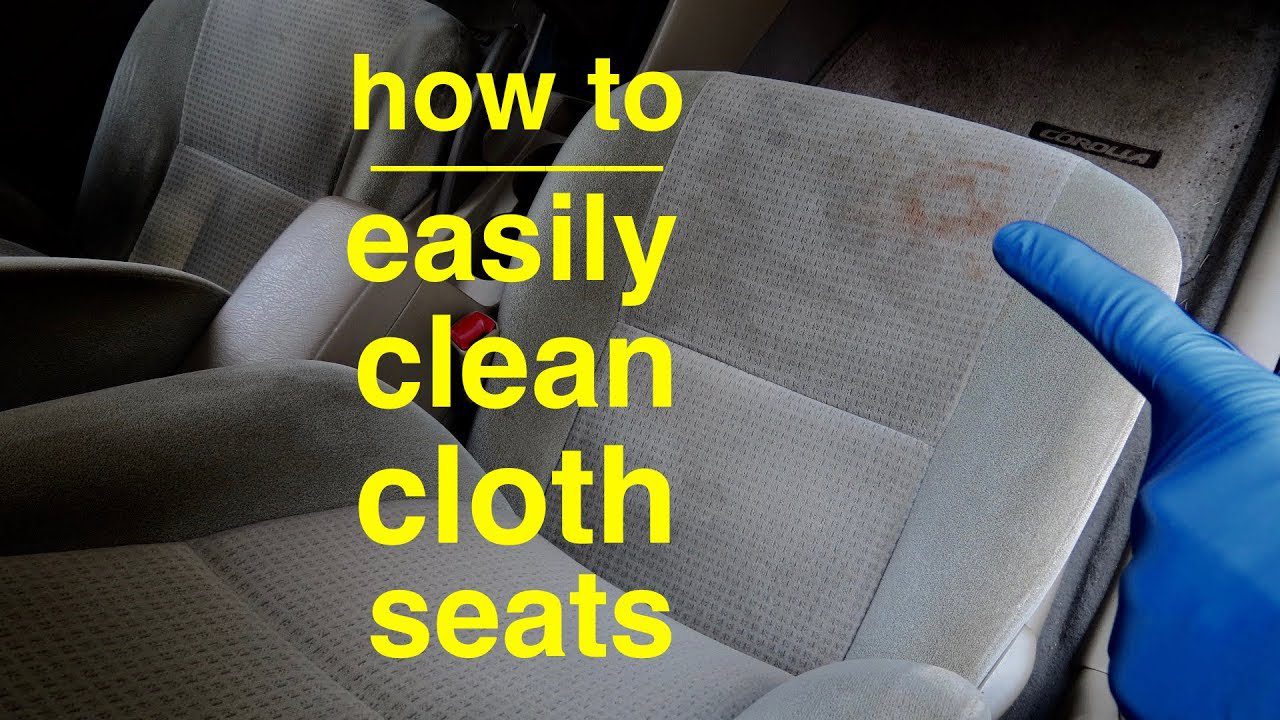
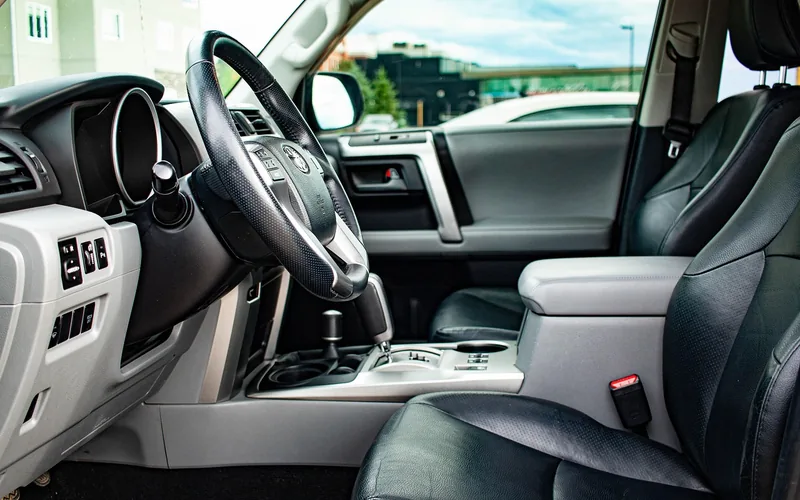
Vacuum fabric seats first to lift dust and crumbs out of the weave. Mix a mild fabric cleaner with water, apply it with a soft brush, and scrub gently in small circles — don’t soak the fabric, since trapped moisture causes musty odors and mold. Wipe with a damp cloth to remove soap residue, then let the seats air dry with the windows cracked; skip the hairdryer, since concentrated heat can shrink or warp the fibers.
Baking soda lifts odors — sprinkle it over the seat, leave it for a few hours, then vacuum it up. A light mist of white vinegar and water also helps with smell, but don’t soak the fabric. For a deeper, streak-free method plus a full stain-by-stain breakdown, see our dedicated fabric seat cleaning guide.
How to Clean Vinyl Car Seats
Vinyl seats are the easiest of the three materials to clean because they don’t absorb liquid. Spray your cleaner onto a damp microfiber cloth rather than directly onto the seat, then wipe in straight passes. A steam cleaner also works well on vinyl — it lifts embedded dirt and sanitizes without chemicals, but keep the steamer head moving constantly, since holding it in one spot too long can warp or discolor the surface.
Vinyl cracks and fades faster than leather when it’s left unprotected, mainly from UV exposure through the windows. Apply a vinyl UV protectant every 30–45 days, especially if the car is parked outside regularly. Avoid silicone-based “shine” products — they attract dust and can make the surface slippery.
Stain Removal Techniques
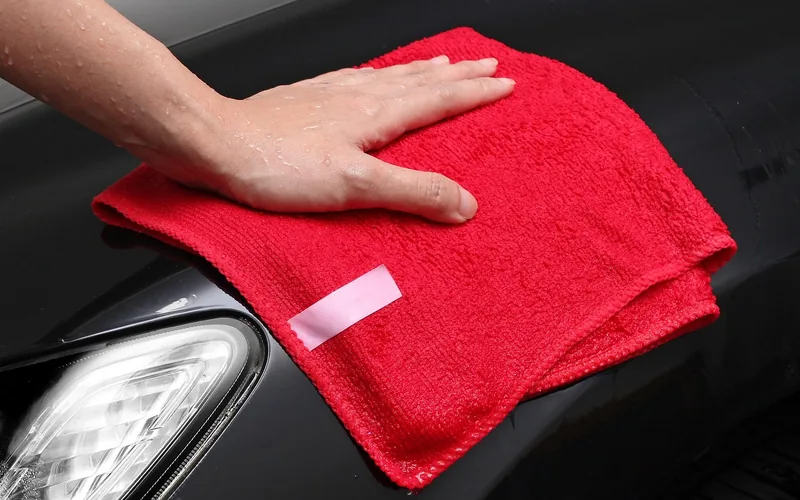
For food stains, dab — don’t rub — with a clean cloth, since rubbing spreads the stain into the fibers. Apply a mix of water and vinegar, blot until the stain fades, then rinse with clean water and dry with a towel to remove the vinegar smell. Repeat if needed; some stains take two or three passes.
Ink stains need faster action. Dab (never pour) rubbing alcohol onto a clean white cloth, press gently to lift the ink, and switch to a fresh section of cloth as it picks up color. Rinse with a damp cloth and dry with a towel. Always test in a hidden spot first — alcohol can discolor some fabric dyes and leather finishes. For a full stain-by-stain breakdown covering both fabric and leather, see our complete stain removal guide.
“Always blot, never dab or wipe at stains. Don’t apply excessive pressure when blotting, as you can cause stains to seep deep into the foam.”
Protecting Car Seats After Cleaning
Cleaning gets seats spotless; protecting keeps them that way. Each material needs its own protectant — using the wrong one can do more harm than skipping it entirely.
Fabric Protector
Spray a fabric protector evenly over clean, dry seats, covering corners and seams. Let it dry fully to form a barrier that stops liquids from soaking in. Reapply every few months, especially after a deep clean.
Leather Protectant
A leather protectant guards against cracking and fading and keeps color from going dull. Apply it with a soft cloth in gentle circles, working it into the leather. Doing this regularly helps leather upholstery last significantly longer than leaving it bare.
Vinyl UV Protectant
Vinyl fades and cracks fastest of the three materials when it’s left unprotected, since it has no natural oils to resist sun damage the way leather does. A UV protectant applied every 30–45 days is the single most effective step for extending a vinyl seat’s life.
How Often Should You Clean Your Car Seats?
Vacuum weekly to catch loose dirt and crumbs before they grind into the material. Do a full deep clean — fabric shampoo, leather conditioning, or a vinyl wipe-down — once a month, or more often if you drive with kids, pets, or muddy work boots. Waiting longer lets stains and odors set in, which takes more effort (and stronger products) to reverse later.
📊 Kelley Blue Book’s own vehicle condition guide factors in seat and upholstery wear when separating a “Very Good” rating from a “Fair” one — and KBB notes that even small changes in your condition assessment can shift your car’s estimated value by hundreds of dollars. — Source: Kelley Blue Book, 2026
Maintaining Cleanliness Between Deep Cleans
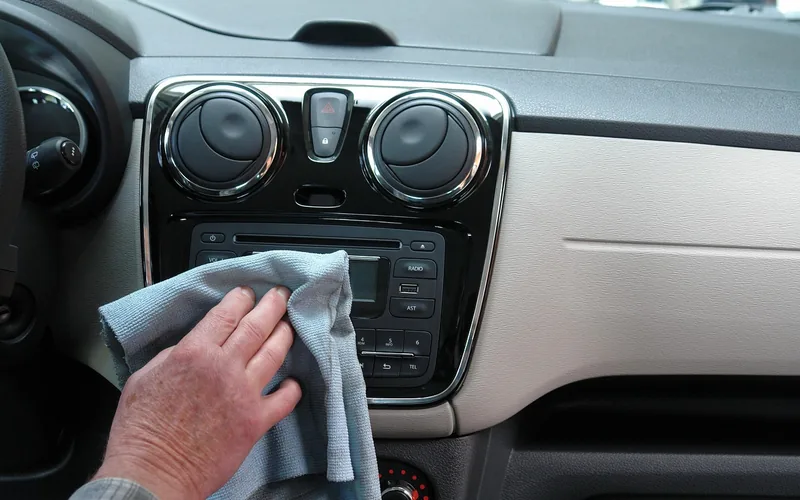
Spills happen — the key is acting fast. Blot (don’t rub) the spill with a towel immediately; rubbing spreads it further into the material. Use a little water on sticky spots and scrub gently with a soft brush. Keeping a small cleaning kit (microfiber cloth, mild cleaner, baking soda) in the car makes quick cleanups possible before a stain has time to set.
Frequently Asked Questions
What is the best way to clean fabric car seats?
Vacuum the seats to remove dirt and debris. Use a fabric cleaner and scrub gently with a soft brush. Blot stains with a clean cloth. Allow seats to air dry completely.
What is the best thing to clean the interior of a car?
Use a microfiber cloth and a gentle all-purpose cleaner for the car interior. These tools effectively remove dust, dirt, and stains from surfaces like dashboards, consoles, and seats. For leather seats, apply a leather cleaner and conditioner to maintain their look and durability. Always test products on a small area first.
What not to use to clean car seats?
Avoid using bleach, ammonia-based cleaners, or harsh chemicals on car seats. They can damage fabric and leather. Use mild soap or specialized car seat cleaners for safe cleaning.
What is the best home remedy to clean car seats?
Mix equal parts of vinegar and water in a spray bottle. Spray onto the car seat and scrub with a soft brush. Wipe with a clean cloth. This natural solution effectively cleans and freshens car seats. Always test a small area first to ensure it won’t damage the fabric.
How do you clean vinyl car seats?
Wipe vinyl with a damp microfiber cloth and mild soap solution, or use light steam for embedded dirt — keep the steamer head moving to prevent warping. Finish with a UV protectant to prevent the cracking and fading vinyl is prone to when left unprotected.
How often should you clean your car seats?
Vacuum weekly to remove loose dirt and crumbs, and do a full deep clean — fabric shampoo, leather conditioning, or a vinyl wipe-down — once a month to prevent stains and odors from setting in.
Does a clean interior affect your car’s resale value?
Yes. Kelley Blue Book’s own condition guide factors in upholstery wear when separating a “Very Good” rating from a “Fair” one, and even small changes in your condition assessment can shift your car’s estimated trade-in value by hundreds of dollars.
Conclusion
Clean car seats come down to matching the method to the material: mild soap for fabric, pH-balanced cleaner and conditioner for leather, and a damp cloth or light steam for vinyl — with a UV protectant to keep vinyl and leather from cracking. Vacuum weekly, deep clean monthly, and blot spills the moment they happen rather than letting them set.
For the rest of your interior beyond the seats, see our full car interior cleaning guide, or check what a professional detailing service typically covers if you’d rather leave the deep clean to someone else.
Products related to this article
Sponsored / affiliate links. As an Amazon Associate I earn from qualifying purchases. I may earn additional commission from eligible campaigns.