How to Clean Your Car’s Engine Bay Without Worrying
Cleaning under your car’s hood seems hard, right? It can feel tricky for many folks! You might think it’s full of complicated parts that you shouldn’t touch. But don’t worry, it’s easier than you imagine. Knowing How to Clean Under a Car Hood Safely is a useful skill. This post will show you how to do it step-by-step. Get ready to keep your engine area looking great with simple techniques!
Before You Start: Safety First!
Before you even think about grabbing a sponge, safety must come first. You’re working with a machine that can be dangerous if handled incorrectly. There are hot parts, electrical connections, and moving pieces that could cause injury if you’re not careful. This section will walk you through what to do before you start to make sure the process is safe and problem-free. This includes what you need and what you should avoid, giving you an overview to make cleaning your car safe.
What You Need and What to Avoid
Gathering the correct supplies and knowing what to avoid can make a big difference. Using the wrong items might harm your car’s engine or even cause you some safety concerns. Having the right tools makes the job much easier and helps protect the engine parts. The goal is to clean effectively without taking risks or damaging anything. This part focuses on the supplies needed and things you need to stay away from during the cleaning process.
- Protective Gear: Always wear safety glasses to protect your eyes. It is also a good idea to put on some gloves. This is a must-have for safe cleaning.
- Cool Engine: Make sure your car’s engine is completely cool before you begin. Never clean a hot engine; it’s dangerous. The cool engine is a safer way to clean and makes the task simpler.
- Avoid High-Pressure Washing: Do not use a high-pressure washer directly on the engine. The powerful spray can force water into sensitive electrical components. This can cause damage and possible problems.
- Use the Right Cleaners: Choose engine degreasers and cleaners suitable for cars. Check the instructions and be careful to follow the label directions. Be sure the products you use won’t damage any engine parts.
Let’s say you’re getting ready to clean your engine and don’t take the time to put on safety glasses. When you start spraying cleaner, some splashes back and goes into your eyes. This could cause problems. That’s why protecting yourself is so important. Another example is trying to clean an engine that’s still hot. You could easily burn yourself if you get close to hot parts.
Essential Tools and Supplies
Having the right tools is important for any cleaning job. Having everything you need ready makes the process smooth and effective. Choosing the right products and tools is key to successful cleaning without damaging anything. This part will explain what you need to have to clean your engine bay right.
- Engine Degreaser: This is the primary cleaner. It helps remove oil, grease, and grime. Be sure it is made for automotive use.
- Spray Bottles: Use a spray bottle to apply the degreaser and water. This gives you more control and helps prevent spills.
- Microfiber Towels: Soft microfiber towels are perfect for wiping surfaces. They won’t scratch parts and can soak up liquid.
- Detailing Brushes: These help you get into hard-to-reach areas and remove dirt without scratching anything.
- Garden Hose with a Spray Nozzle: A regular garden hose is usually okay, but make sure the nozzle has a gentle setting for rinsing.
Imagine you’re trying to clean under the hood but do not have the right cleaner. Water alone won’t get rid of the oil and grease, which makes the job harder. Or, if you don’t have enough microfiber towels, you may have to reuse dirty ones, spreading dirt around. Using the correct tools is not only about effectiveness; it is also about making things easier.
Steps to Clean Under Your Car’s Hood Safely
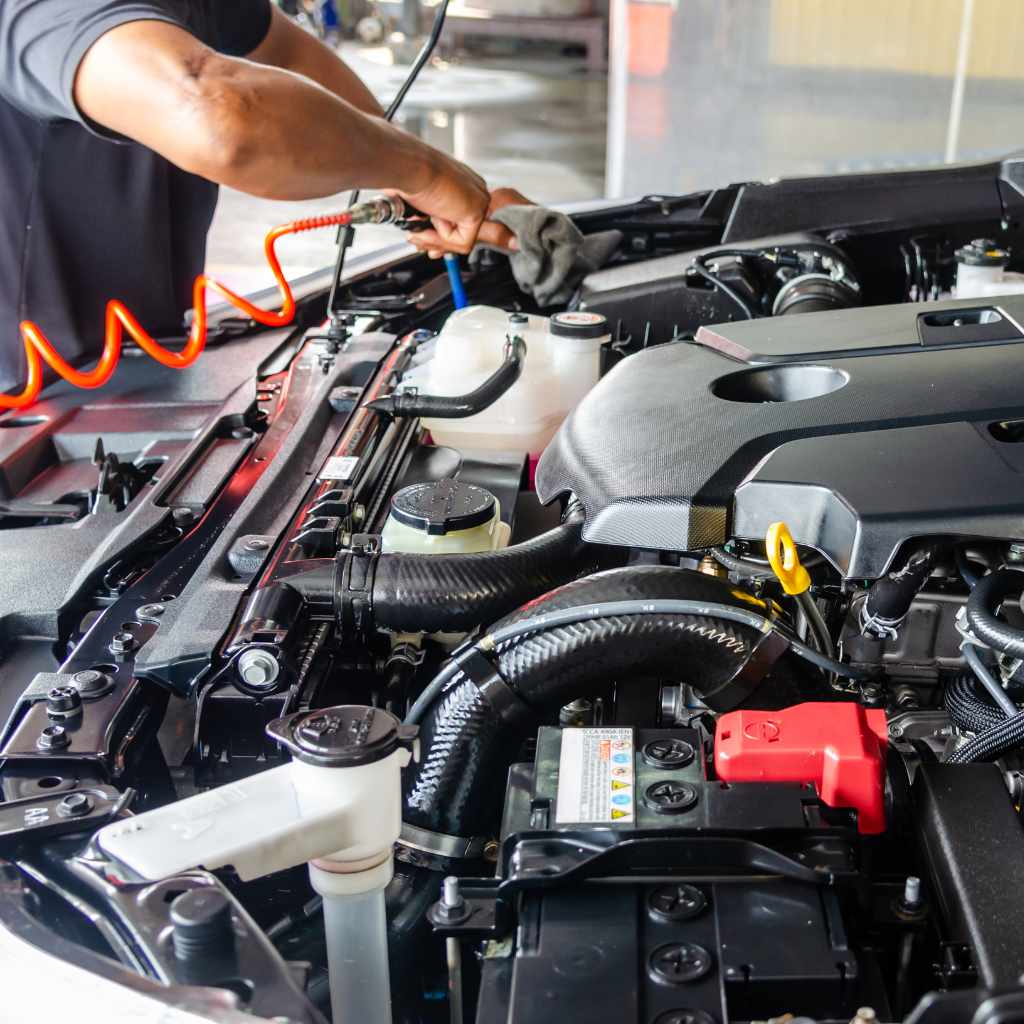
Once you are ready with the right tools and gear, you can get down to the actual cleaning. This segment shows you how to do it safely and efficiently. You will go step-by-step from beginning to end, ensuring you do it right. Following the steps will help you achieve a cleaner engine without causing damage or putting yourself at risk.
Preparing the Engine Bay
Preparing your car’s engine bay before cleaning is a critical step. It helps keep the water and cleaning products out of sensitive areas. This will prevent damage and ensure the cleaning is safe and effective. It’s the groundwork for a successful cleaning job. Preparing your engine bay helps prevent issues and make your cleaning experience a success.
- Disconnect the Battery: Disconnecting the negative terminal of your car’s battery is a good idea to prevent electrical shorts. This is a simple but important safety step.
- Cover Sensitive Electronics: Cover any sensitive electrical components, such as the air intake and distributor cap, with plastic bags or covers. This protects them from water damage.
- Inspect for Loose Wires: Check for any loose wires or connections. Fixing these before cleaning can prevent electrical problems.
- Remove Debris: Remove any loose leaves or large debris from the engine bay. A clean area is simpler to work with.
Let’s say you’re ready to clean and don’t disconnect the battery. If you accidentally spray water into the wrong area, it could cause an electrical short. Another instance is if you forget to cover your air intake. Water could get in and damage the engine if it gets into this area. Preparing the engine protects your car and makes sure the cleaning process is safe.
Applying Cleaner and Cleaning
This is where you start cleaning. Properly applying the degreaser and removing the grime is key to a spotless engine bay. Taking the right steps ensures you do the cleaning effectively without damaging anything. Following these steps carefully will lead to a good outcome. Taking the right approach gets rid of the dirt and grease and leaves your engine bay looking its best.
- Apply Degreaser: Spray the degreaser on all dirty areas. Be sure to cover all the greasy parts and let it sit for the recommended time (usually about 5-10 minutes).
- Agitate the Grime: Use a detailing brush to scrub areas with a lot of grime. This helps break down the dirt.
- Rinse Carefully: Use a garden hose with a gentle spray to rinse the engine bay. Avoid directly spraying sensitive electrical components.
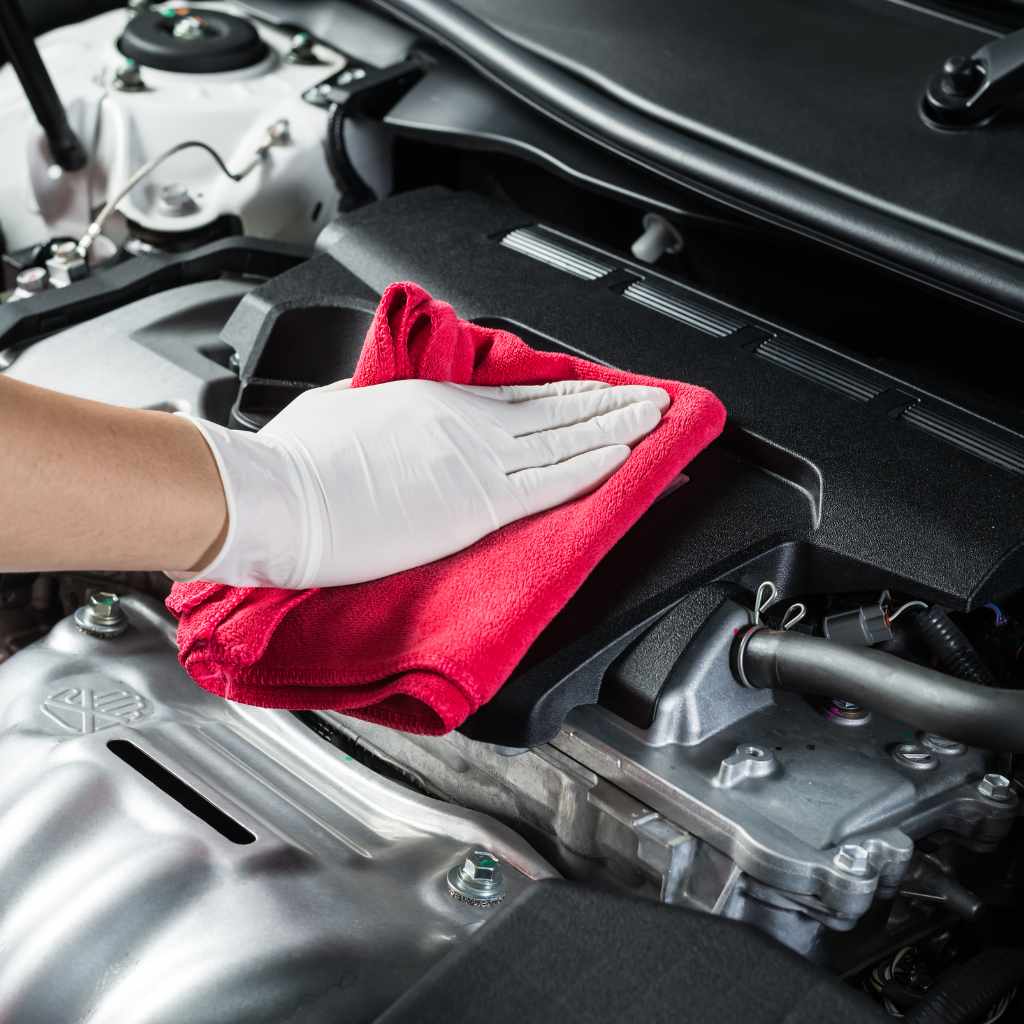
- Wipe Down Surfaces: Use microfiber towels to wipe down all surfaces. This helps dry the area and remove any remaining dirt.
Suppose you spray degreaser and don’t let it sit long enough. The product might not have enough time to remove the grease properly, which means the cleaning won’t be as effective. Or, if you use a powerful spray setting, it could force water into areas it shouldn’t go, causing problems. Doing each step correctly gives the best outcomes.
Drying and Finishing Touches
This section is about finishing up and making sure everything looks great. Drying the engine bay and taking care of the small details is what completes the job. The end result is not just a clean engine but a well-cared-for area. These tips will show you how to finish your engine bay cleaning project and give it that final touch.
- Air Dry or Towel Dry: Let the engine bay air dry, or dry it with microfiber towels. If you’re in a hurry, you can use a leaf blower on a low setting to help with drying.
- Inspect for Remaining Dirt: Check for any dirt or grime that you may have missed and spot-clean them if needed.
- Apply Protectant: If you want, apply a protectant product to the plastic and rubber parts. This helps protect them and gives the engine bay a fresh look.
- Reconnect the Battery: Reconnect the battery’s negative terminal. Your car is now ready!
Imagine you finish cleaning but do not take the time to dry everything thoroughly. Water could get in places and cause problems. Or, if you skip applying protectant, the plastic parts might fade faster. Taking these extra steps ensures your car’s engine bay not only looks great but is also well-protected.
Common Mistakes to Avoid
Even with great instructions, it’s easy to make mistakes. This section highlights things you should avoid while cleaning under your car’s hood. Learning about these errors will help you avoid them and get great results. Knowing the mistakes will help you stay safe and do a better job, which will help you avoid problems.
Using the Wrong Products
Using the wrong products can be a major setback. It can lead to damage and doesn’t clean effectively. Using the right cleaners helps make cleaning safer. Choosing the wrong items can damage your car’s engine. This section will walk you through the correct products to use and what you should avoid, giving you a better understanding of what to use.
- Using Household Cleaners: Avoid using household cleaners. They may be too harsh and can damage engine components.
- Using Abrasive Cleaners: Avoid abrasive cleaners. These could scratch parts.
- Using the Wrong Degreaser: Make sure you use an automotive degreaser. It’s designed for the job.
- Not Checking Product Compatibility: Always check to ensure any product you use is safe for your car’s materials.
Imagine you use a strong household cleaner to clean your engine bay. It might damage the rubber hoses or plastic parts. Or, using an abrasive cleaner, you might scratch your car’s paint, which will make it look bad. Choosing the right products will protect your engine and keep it looking great.
Forgetting Safety Measures
Safety should always be the top priority. Skipping safety measures can be a big risk. You can get hurt or damage your car if you skip safety steps. This part stresses the importance of safety steps. Putting safety first helps keep you safe while also protecting your car.
- Not Wearing Safety Glasses: Safety glasses keep your eyes safe from splashes. Not using safety glasses can lead to some eye irritation.
- Cleaning a Hot Engine: Cleaning a hot engine can cause burns. Never work on an engine that is too hot to touch.
- Working in a Poorly Ventilated Area: Ensure you’re in a well-ventilated space to avoid breathing in harmful fumes.
- Not Disconnecting the Battery: Not disconnecting the battery can lead to short circuits. It’s a key safety step.
Suppose you clean your engine without wearing eye protection. A splash of cleaner can get in your eye and cause pain. Or, cleaning a hot engine can result in severe burns. Safety is about avoiding risks and ensuring you can clean your car safely.
Ignoring the Details
Ignoring small details during cleaning can diminish the final outcome. These minor details make a big difference, giving the engine bay a fantastic look. Paying attention to these small parts ensures that your car looks clean and is well-cared-for. These tips will help you do a job that is impressive and professional.
- Not Covering Sensitive Electronics: Make sure you protect sensitive areas. Water can damage these.
- Not Agitating the Grime: Scrubbing helps remove stubborn grime.
- Not Rinsing Thoroughly: Not rinsing all the cleaner off can leave a residue.
- Not Drying Completely: Ensure the area is completely dry. Moisture can cause problems.
Suppose you forget to cover your car’s electrical components before cleaning. Water can damage them and lead to expensive repairs. Or, if you don’t agitate the grease, the cleaner may not remove it efficiently. It is these details that can help you get the best outcome.
Troubleshooting Common Issues
Even with careful planning, things don’t always go as expected. This segment helps you troubleshoot issues that you may face while cleaning under your car’s hood. Solving problems helps you do the cleaning well. Having these troubleshooting tips will help you avoid problems and make the experience smoother.
Dealing with Stubborn Grime
Sometimes, dirt and grease can be tough to remove. Knowing how to get rid of it is important for a nice-looking engine bay. These tips will help you make sure you get rid of the grime and give you advice on how to handle it. Having a plan makes a big difference in ensuring things look great.
- Use a Stronger Degreaser: If the grime is too much, try a stronger automotive degreaser.
- Let it Soak Longer: Allow the degreaser to sit longer. This gives it more time to work.
- Use a Stiffer Brush: If a detailing brush isn’t working, use a brush with stiffer bristles to scrub the tough spots.
- Repeat the Process: You may need to apply the cleaner and scrub several times to get rid of everything.
Let’s say you’re cleaning, and the grime won’t come off, even after spraying it with cleaner. Soaking for a longer period may make the cleaning more effective. Or, you might need a brush that can scrub the area better. Knowing how to change your approach helps you clean effectively.
Handling Water Damage
Water damage can be a concern. Understanding how to solve water-related issues will help you prevent any problems. Knowing what to do in these situations ensures you avoid future problems. This part helps you deal with water problems and keeps your car running.
- Dry Electrical Components: If you find water on electrical components, carefully dry them. A hairdryer on a low setting can help.
- Check for Short Circuits: After cleaning, check for short circuits, and repair them as needed.
- Avoid Spraying Directly: Take care to avoid spraying water directly onto any electrical parts.
- Consult a Professional: If you’re unsure about any water-related issue, seek help from a professional mechanic.
Suppose you accidentally get water on an electrical component. Carefully drying the area can help avoid problems. Or, if you suspect there’s a short circuit, checking and fixing the issue can prevent further problems. Knowing how to handle these issues prevents potential damage.
Extra Tips and Tricks
Adding a few extra tips and tricks can make the process simpler and easier. These tricks can also make cleaning the engine more effective. This section has useful ideas that improve your cleaning skills. The tips provide more information to boost your skills and make cleaning easier.
Using a Steam Cleaner
A steam cleaner is a great tool for engine cleaning. It uses steam to remove dirt and grease. This is a very effective and gentle method. The steam loosens dirt, and it is a good way to clean your engine bay without harsh chemicals. This section will explore using a steam cleaner. You’ll learn how to use it safely and efficiently to get great results.
- Prepare Your Engine: The same safety steps apply. Make sure the engine is cool and the battery is disconnected.
- Use the Steam Cleaner: Direct the steam at the dirty areas. Be careful with electrical components.
- Wipe Away Residue: Use a microfiber towel to wipe off any dirt or residue.
- Let it Dry: Allow the engine bay to dry completely. This keeps everything in top shape.
Suppose you use a steam cleaner but forget to protect your electrical parts. The steam can still cause damage to your car. Or, if you do not dry the area well, moisture can build up. Knowing how to use these tools properly and safely is essential.
Protecting Your Engine Bay
Protecting your car’s engine bay can help make cleaning easier. It helps preserve the parts and protects them from damage. These tips will help you keep your engine looking good longer. Proper protection saves time and makes it easier to clean.
- Use Protectant Sprays: These sprays can help protect plastic and rubber parts. They make them look better and prevent damage.
- Regular Cleaning: Routine cleaning keeps dirt from building up. This prevents problems and makes the engine bay easier to clean.
- Check for Leaks: Address any oil or fluid leaks promptly. This prevents dirt from building up.
- Professional Detailing: Occasionally, a professional detailing can give your engine bay a deep clean and protection.
Let’s say you do not use any protective sprays on the plastic parts. They might dry out and fade. Or, if you do not address small leaks, grease will build up. Protecting your engine helps keep it looking great for a longer time.
Real-Life Examples and Results
Seeing real examples of cleaning results can be very helpful. They show the impact of the cleaning. This section shows the effectiveness of the process, which is useful for cleaning and helps to keep your car looking great. The examples can give you a better idea of what to expect.
- Case Study 1: Restoring a Neglected Engine: A car owner with a very dirty engine bay followed the steps. They carefully applied the degreaser, scrubbed thoroughly, and rinsed. The results were excellent. They brought a neglected area back to its original condition.
- Case Study 2: Preventing Damage: A car owner focused on safety, covering electrical components before cleaning. They avoided potential water damage, which helped the car run well. Their efforts paid off with an engine bay that looked great without any issues.
Imagine seeing a before-and-after picture where the engine bay is restored to its original condition. This gives you motivation. Another example shows someone who avoids water damage. They have a clean engine and a car that continues to run smoothly. Seeing these results offers inspiration and helps build confidence.
The Impact of Regular Maintenance
Regular engine bay cleaning provides many benefits. Keeping the engine bay clean can make your car look better. It also helps to ensure the engine is working right. This part will explore the benefits and why it matters to clean your engine bay.
- Improved Engine Performance: A clean engine runs more efficiently. Dirt and grease can trap heat. A clean engine can cool better.
- Easier Maintenance: Cleaning the engine bay lets you find problems more easily. You can see leaks or damage.
- Enhanced Appearance: A clean engine bay makes your car look better. It shows you care for your car.
- Increased Vehicle Value: A clean engine can boost your car’s value. It shows your car has been well-maintained.
Suppose you ignore cleaning and do not address any leaks. Dirt and grease can build up over time. It can damage parts. A clean engine makes things simpler. A better-looking car also shows that you take good care of it.
How To Clean Under a Car Hood Safely: A Visual Guide
Pictures can help you understand the process better. Seeing each step can show you how to do it correctly. Visual information makes the whole process simpler. This section will guide you through the process with a visual guide. Step-by-step images will boost your learning. That will help you understand and do each step easily.
- Step 1: Gather Your Supplies: Lay out all the tools and supplies needed to make sure you have everything you need. You’ll need engine degreaser, spray bottles, microfiber towels, detailing brushes, and a garden hose with a spray nozzle.
- Step 2: Prepare the Engine Bay: Disconnect the car’s battery and cover any sensitive electrical components. This keeps them safe from damage. This is a very important part of the process.
- Step 3: Apply Degreaser: Spray the engine degreaser on all dirty areas. Make sure all the areas are covered to get the best result. Follow the directions on the product.
- Step 4: Scrub the Grime: Use detailing brushes to scrub all the areas. This will help remove all the dirt. Make sure you get into all the hard-to-reach spots.
- Step 5: Rinse the Engine Bay: Use the garden hose with a gentle setting to rinse off the degreaser. Avoid spraying electrical parts. This will rinse all the product away.
- Step 6: Wipe and Dry: Wipe down all surfaces with microfiber towels. If you’re in a hurry, you can use a leaf blower on a low setting to help with drying.
- Step 7: Reconnect the Battery: Reconnect the battery’s negative terminal. Your car is now ready! Make sure everything is good to go.
Imagine seeing a picture of all the supplies laid out. You’ll know what to prepare. Another image will show you how to spray the degreaser correctly. You’ll be ready to start the cleaning process. These visuals will show you how to clean your engine bay with ease.

Frequently Asked Questions
Question: Is it safe to use a pressure washer on my engine?
Answer: It’s best not to. High-pressure washers can push water into electrical components, causing damage. Use a garden hose with a gentle setting instead.
Question: What’s the best degreaser to use?
Answer: Choose a degreaser made for cars. Make sure to read the instructions. Many automotive stores sell engine degreasers.
Question: Do I need to disconnect the car battery?
Answer: Yes, it is always a good idea. Disconnecting the negative terminal of the battery helps prevent any electrical shorts. This is a key safety measure.
Question: How often should I clean my engine bay?
Answer: Cleaning every few months is usually sufficient. How often you clean it depends on your driving habits and environment. If you live somewhere dusty, clean it more often.
Question: What if I get water on my car’s electronics?
Answer: If water gets on your electronics, carefully dry them. A hairdryer on a low setting may help. Check for short circuits. If you are not sure what to do, get professional help.
Final Thoughts
You now have the knowledge and steps to keep your car’s engine bay looking great. Cleaning under the hood can seem hard, but it’s simpler than you think. You have learned how to prepare, clean, and finish the job safely. You know the best tools, products, and steps for effective cleaning. Remember to always prioritize safety by protecting yourself and your car’s components. By doing this regularly, you will improve your car’s look and performance. Go ahead and start cleaning today to boost your car’s value and appearance. With a bit of practice, you will be able to do this with ease.