Best Cars With Plush Seats For Road Trips
The best cars with plush seats for road trips are full-size luxury SUVs, large minivans, and a few quiet midsize EVs; for most shoppers, the best starting point is models with power-adjustable seats, lumbar support, and low cabin noise. Pick the wrong setup and long drives bring sore backs, tired legs, and extra stops. This guide ranks comfort by seat feel, cabin calm, and body support, then matches the best body styles to different trip types.
Quick picks for road-trip comfort
The Lincoln Navigator Reserve is often a strong choice for plush front seats, while the Chrysler Pacifica is commonly a practical family choice for space and easy loading. The Cadillac Escalade IQ is the quietest-feeling premium EV option, and the Kia EV9 stands out when you want rear-seat comfort plus long-range electric travel.
| Pick | Best for | Key comfort detail | Trip-fit note |
|---|---|---|---|
| Lincoln Navigator Reserve | Plush front seats | Comfy, plush seats and adaptive cruise control | Strong choice if the driver wants the softest, most relaxed first-row experience |
| Chrysler Pacifica | Families and luggage | Seats up to seven adults; Stow ’n Go seats | Best if you need easy seat folding and flexible cargo space |
| Cadillac Escalade IQ | Quiet premium travel | Luxurious cabin; 415 miles in MotorTrend’s 70-mph Road-Trip Range test | Good fit for long, calm highway runs with fewer charging stops |
| Kia EV9 | Electric family travel | Rear seats recline and have charging ports; up to 349 miles of range | Useful if rear passengers matter as much as the driver |
| Toyota Highlander Hybrid Platinum | Efficient three-row use | 7-seater; 36/35 miles per gallon | Best when you want family seating with fewer fuel stops |
What makes a seat feel plush?
Plush seats are not just soft seats. The best road-trip seats combine cushioning, thigh support, lumbar support, and enough adjustability to fit different body sizes without pressure points. Heating and ventilation help too, especially when a long drive starts before dawn or runs through changing weather.
Cushioning and thigh support
Good cushioning spreads body weight across the seat base instead of concentrating it under the hips. Thigh support matters just as much on a six-hour drive, because a short cushion can leave taller drivers feeling like their legs are hanging off the front edge.
Lumbar support and adjustability
Plush seats usually have more than basic power movement. Look for lumbar adjustment, seat-base angle changes, and enough fore-aft travel to keep your knees and lower back in a neutral position. Ten-way-or-more power seats are often a strong starting point for comfort shoppers.
Heating, ventilation, and massage
Seat heating helps on cold starts. Ventilation helps when a long drive turns warm and sticky. Massage functions are a premium extra, but they matter most when the seat already fits well; massage cannot fix poor cushion shape or weak lumbar support.
Why rear seats matter too
A front seat can feel excellent and still be a poor road-trip choice if the rear bench is upright, tight, or hard to enter. For families, rear-seat recline, charging ports, and easy access matter because passengers spend the same hours in the car, just without the steering wheel.
Road-trip seat comfort matrix
Use this matrix to separate plushness from marketing. It focuses on the parts of comfort that actually affect long-distance travel: cushioning, bolstering, lumbar support, rear-seat comfort, and cabin quietness.
| Vehicle | Cushioning | Bolstering | Lumbar support | Rear-seat comfort | Cabin quietness | Best for |
|---|---|---|---|---|---|---|
| Lincoln Navigator Reserve | Very good; plush seats are called out directly | Likely relaxed, comfort-first shape rather than tight sport hold | Adaptive comfort focus makes it a strong fit for long stints | Best for larger families who need easy space and an upscale second row | Quiet premium-cabin intent; built for calm highway cruising | Drivers who want the softest-feeling front seat and easy highway miles |
| Cadillac Escalade IQ | High-end luxury focus suits long-distance cushioning | Comfort-first rather than firm support | Luxury trim should favor fatigue reduction over aggressive hold | Large cabin gives rear passengers room to settle in | Luxurious cabin with an EV hush at speed | Quiet premium travel with a long range between stops |
| Kia EV9 | Comfortable enough for long days; rear-seat comfort is the standout | Balanced, family-friendly seating rather than sporty bolstering | Good long-trip support is aided by a roomy cabin layout | Rear seats recline and have charging ports | EV quietness helps reduce highway fatigue | Families who care about rear-seat comfort as much as front-seat comfort |
| Chrysler Pacifica | Comfort-oriented seating with easy adult access | Supportive for the class, with a practical minivan posture | Designed for easy in-and-out and long family days | Seats up to seven adults; strong second- and third-row utility | Cabin calm depends on road and trim, but the layout favors conversation | Families who need flexible seating and quick cargo changes |
| Toyota Highlander Hybrid Platinum | Balanced comfort with efficient long-trip use | Good for steady highway support rather than plush luxury | Platinum trim typically aims at comfort-minded buyers | 7-seater layout gives usable family space | Hybrid powertrain helps on fuel use; cabin calm depends on speed and tires | Shoppers who want a three-row SUV with fewer fuel stops |
Top pick for long-distance comfort
The Lincoln Navigator Reserve ranks first because it combines the clearest comfort signal in the list with a large-cabin layout and adaptive cruise control. That mix matters on long highway days, where seat feel, low fatigue, and relaxed driving behavior all count.
Why it ranks first for seat feel
MotorTrend says the Lincoln Navigator has comfy, plush seats and adaptive cruise control. That pairing is useful because seat softness alone does not create a relaxing trip; the driver also needs less constant speed correction and fewer physical adjustments behind the wheel.
Ride quality and cabin noise
A large luxury SUV usually aims to isolate rough pavement, wind noise, and tire thrum better than an ordinary two-row crossover. That matters on long interstates, where a quiet cabin can make even a full day of driving feel less tiring.
Tradeoffs to know before buying
The Navigator Reserve carries about eight passengers, which is a strength for family travel but also a reminder that size comes with parking and garage compromises. If you do not need that much room, a smaller, quieter sedan or EV may feel easier in daily use.
Which cars work best for families?
For families, the best road-trip car usually has three things: easy rear access, usable cargo space, and seating that keeps passengers from squirming after an hour. SUVs and minivans make the most sense when you need multiple child seats, luggage, and room for snacks, bags, and strollers.
Two-row versus three-row layouts
Two-row models can feel calmer and simpler for couples or one child, but three-row layouts add flexibility for grandparents, friends, or extra gear. The tradeoff is that third-row comfort varies a lot, so adults should sit back there before buying if that seat will see real use.
Minivan advantages for rear-seat comfort
The Chrysler Pacifica is the clearest family-first pick here. MotorTrend says it seats up to seven adults and has Stow ’n Go seats, which makes the second and third rows easier to manage when bags, coolers, or child gear need space fast.
Cargo space and easy loading
Cargo matters because road-trip comfort breaks down quickly when luggage blocks sight lines or forces bags into footwells. Minivan seating usually gives the easiest folding and loading path, while large SUVs help when you want both adult-sized seating and bulky family gear storage.
A minivan with flexible seats makes that load easier to organize than a sedan, because you can keep the cabin clearer and still leave space for rear passengers to stretch.
Are SUVs or sedans more comfortable for road trips?
Neither body style wins every time. Sedans often feel quieter and more settled on smooth highways, while SUVs usually win on seating height, easier entry, and rear-seat flexibility. If you carry people, luggage, and child seats, the SUV usually has the edge.
How body style changes seat height and access
Higher seating positions make entry and exit easier, which helps older passengers and anyone who dislikes climbing into a low car. Sedans can still be excellent for comfort, but the lower hip point can be less friendly on repeated stops during a long drive.
When a sedan rides quieter
A well-insulated sedan can feel very calm at highway speed because of its lower shape and often smaller cabin volume. That said, the best sedan only stays comfortable if the seats fit your body and the trunk holds your luggage without crowding the rear seats.
When an SUV is the better fit
Choose the SUV when you want more cargo room, more seat height, or easier rear-seat access. The Kia EV9 and Lincoln Navigator show why: both emphasize passenger comfort first, and both make rear seating more usable than many lower-riding options.
How do you choose the right road-trip car?
Start with seat fit, then add cabin quietness, rear-seat comfort, and the kind of trip you actually take. A solo driver needs different comfort than a family of five, and an EV buyer needs to think about charging rhythm as part of the comfort equation.
Solo and couple travel priorities
If most trips are for one or two adults, focus on front-seat cushioning, lumbar support, and low noise. The Cadillac Escalade IQ and Lincoln Navigator Reserve lean hard into that calm, premium highway feel, while the Kia EV9 adds a quieter electric setup and useful rear-seat flexibility.
Family travel priorities
If children ride along, rear-seat room matters as much as the driver seat. The Kia EV9’s rear seats recline and have charging ports, which helps on long trips with tablets or phones. The Chrysler Pacifica stays practical because it can seat up to seven adults and adapts easily to changing cargo needs.
EV range, fuel economy, and charging stops
Road-trip comfort is not only about the seat. It also depends on how often you stop. The Kia EV9 offers up to 349 miles of range, and the Cadillac Escalade IQ posted 415 miles in MotorTrend’s 70-mph Road-Trip Range test. The Toyota Highlander Hybrid is rated at 36/35 miles per gallon, which helps reduce fuel stops without charging planning. (Motortrend)
Driver assists that reduce fatigue
Adaptive cruise control and lane assistance reduce the small steering and speed corrections that wear a driver down over time. That is one reason the Lincoln Navigator Reserve stands out: its comfort story includes both plush seating and adaptive cruise control, which matters on long, straight highway runs.
Suppose a couple wants a quiet weekend car with one long interstate leg and one mountain pass. A luxury SUV or EV with strong seat support and adaptive cruise control will usually feel less tiring than a bare-bones crossover, even if both have similar cargo space.
What should I look for in road trip seats besides softness?
Look for shape, support, and adjustability before you look for softness alone. A seat can feel cushy in a showroom and still leave your lower back sore after two hours. Good road-trip seats keep your hips level, your thighs supported, and your shoulders relaxed.
Key seat traits to compare
- Lumbar adjustment: Helps keep the lower back supported on long highway stretches.
- Thigh support: Useful for taller drivers and passengers who need more cushion under the legs.
- Power adjustability: Lets more body types find a natural position without strain.
- Heating and ventilation: Helps on cold starts and hot afternoons.
- Rear-seat recline: Matters if adults or older kids will spend hours in back.
Why trim level matters
Trim choice can change comfort a lot. Leather, upgraded upholstery, power-seat ranges, and massage functions often appear only on higher trims. That means a base version of a vehicle may feel far less plush than the version that gets the comfort features shoppers actually want.
How to choose the right road-trip car for your use case
Use this simple order: seat fit first, cabin quietness second, space third, and range or fuel economy after that. If the vehicle does not fit your body or your passengers well, a big range number will not save the trip.
For solo drivers
- Prioritize front-seat cushion length, lumbar support, and power adjustment.
- Check cabin noise at highway speed and steering-wheel comfort.
- Pick adaptive cruise control if you do long interstate drives.
For couples
- Make sure both front seats feel supportive, not merely soft.
- Check trunk or cargo space for both bags and extra layers.
- Choose a quiet cabin if you want easy conversation for hours.
For families
- Measure second- and third-row comfort, especially recline and legroom.
- Check how easy it is to load child seats and luggage at the same time.
- Favor vehicles with rear charging ports and flexible folding seats.
- For child seats, check the manufacturer’s manual for LATCH and seat-position guidance before you buy.
Frequently asked questions
What cars have the most plush seats for road trips?
Full-size luxury SUVs and sedans usually lead on plush seating because they offer deeper cushions, more adjustment, and stronger lumbar support. In this list, the Lincoln Navigator Reserve stands out most clearly for plush front seats, while the Cadillac Escalade IQ adds a premium cabin and long-range electric travel.
Which car is best for long road trips with comfortable seats?
The Lincoln Navigator Reserve is the strongest all-around answer here because MotorTrend describes it as having comfy, plush seats and adaptive cruise control. That combination reduces driver fatigue and keeps the cabin relaxed over long highway days, especially when you want easy access and big-trip flexibility.
Which vehicles offer plush seats and enough space for luggage?
The Chrysler Pacifica is the most flexible family hauler here because its Stow ’n Go seats make cargo changes simple. The Lincoln Navigator Reserve also offers major space, and the Kia EV9 gives families rear-seat comfort plus a useful electric range for longer trips.
What is the most comfortable car for a family road trip?
The Chrysler Pacifica is the clearest family-focused pick, with seating for up to seven adults and flexible Stow ’n Go seating. If your family values rear-seat comfort and charging access more than sliding doors and van packaging, the Kia EV9 is also a strong family-road-trip choice.
How do I choose a road trip car if I care most about seat comfort?
Start with the seat itself, then check noise, ride quality, and how easy the cabin is to live with on a long day. If the vehicle has weak lumbar support, too little thigh support, or a noisy cabin, it will not feel truly comfortable no matter how soft the seats seem at first.
Which cars have the quietest, most relaxing cabins for highway driving?
The Cadillac Escalade IQ and Lincoln Navigator Reserve are the strongest quiet-cabin picks in this set. The Escalade IQ adds an electric powertrain and a luxurious cabin, while the Navigator focuses on plush seating and a comfort-first highway feel. Both suit long, low-stress drives.
Products related to this article
Sponsored / affiliate links. As an Amazon Associate I earn from qualifying purchases. I may earn additional commission from eligible campaigns.
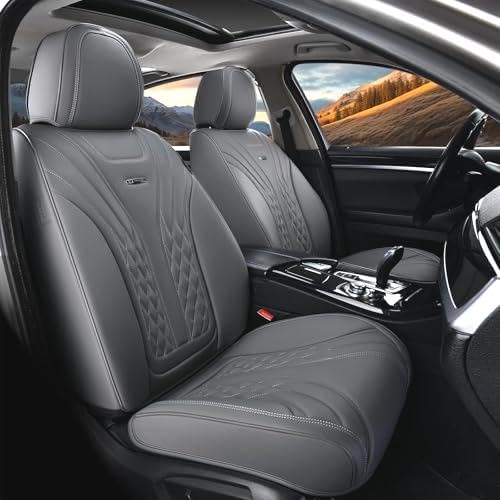 Coverado Car Seat Covers, Car Seat Covers Front Seats, 2-Pack Front Seat Cover, Nappa Leather Waterproof Seat Covers, Car Seat Protectors, Automotive Seat Covers Universal Fit for Most Vehicles
 CAR Pass 5 Seats Luxury Leather Seat Covers Full Set, Waterproof Durable Premium Leather Car Seat Covers, Universal Fit for Most Trucks Sedans Vans SUVs Cars Deluxe Sporty (Black and Gray)