3 Best Microfiber Sponges for Car Detailing (2026): We Compared
Choose The Rag Company Premium Grade Terry Microfiber Detailing Applicator Sponges for the widest range of wash jobs because the 3in x 5in size, hidden seams, and washable terry wrap give you better control, paint contact, and reuse than a plain bulk sponge.
Quick comparison
| Product | Badge | Best for | Price | ||
|---|---|---|---|---|---|
 |
The Rag Company – Premium Grade Terry Microfiber DetailingThe Rag Company | Our pick | 3"x5" · Terry Microfiber · Black 6-Pack | $11.00
Price as of 18 Oct 2026
|
View |
 |
AIDEA Microfiber Applicator Pad-8 Pack, Car Wash Sponge,AIDEA | Budget pick | 8-Pad Pack · Grey · Foam Core | $6.99
Price as of 18 Oct 2026
|
View |
 |
Turtle Wax 3-Piece Essential Microfiber car wash kit withTurtle Wax | Also great | 3-Piece Kit · Sponge + Cloths | $19.87
Price as of 18 Oct 2026
|
View |
This guide compares size, seam placement, fit, and contact surface first. Those details matter more than marketing claims when you are choosing a paint-contact tool for clear coat, black paint, or tight panels.
How we chose
We compared each option on four practical points: how the fiber surface handles grit, how the shape fits different hands, how the seams sit against paint, and how much cleanup the tool needs after use. We also looked for machine-washable construction, because repeat use only helps if care stays simple enough to keep the fibers working.
Price mattered only where a listing gave a concrete figure. We also favored designs that fit a specific task instead of another generic “safe for paint” claim.
Quick picks
| Best for | Pick | Key spec | Price |
|---|---|---|---|
| General wash contact | The Rag Company Premium Grade Terry Microfiber Detailing Applicator Sponges | 3in x 5in, hidden seams, machine washable | $11.00 |
| Budget bulk pads | AIDEA Microfiber Applicator Pad-8 Pack | 8-pack, foam core, machine washable | $6.99 |
| Beginner bundle | Turtle Wax 3-Piece Essential Microfiber car wash kit | Sponge, glass cloth, drying cloth | $19.87 |
Microfiber sponge decision matrix
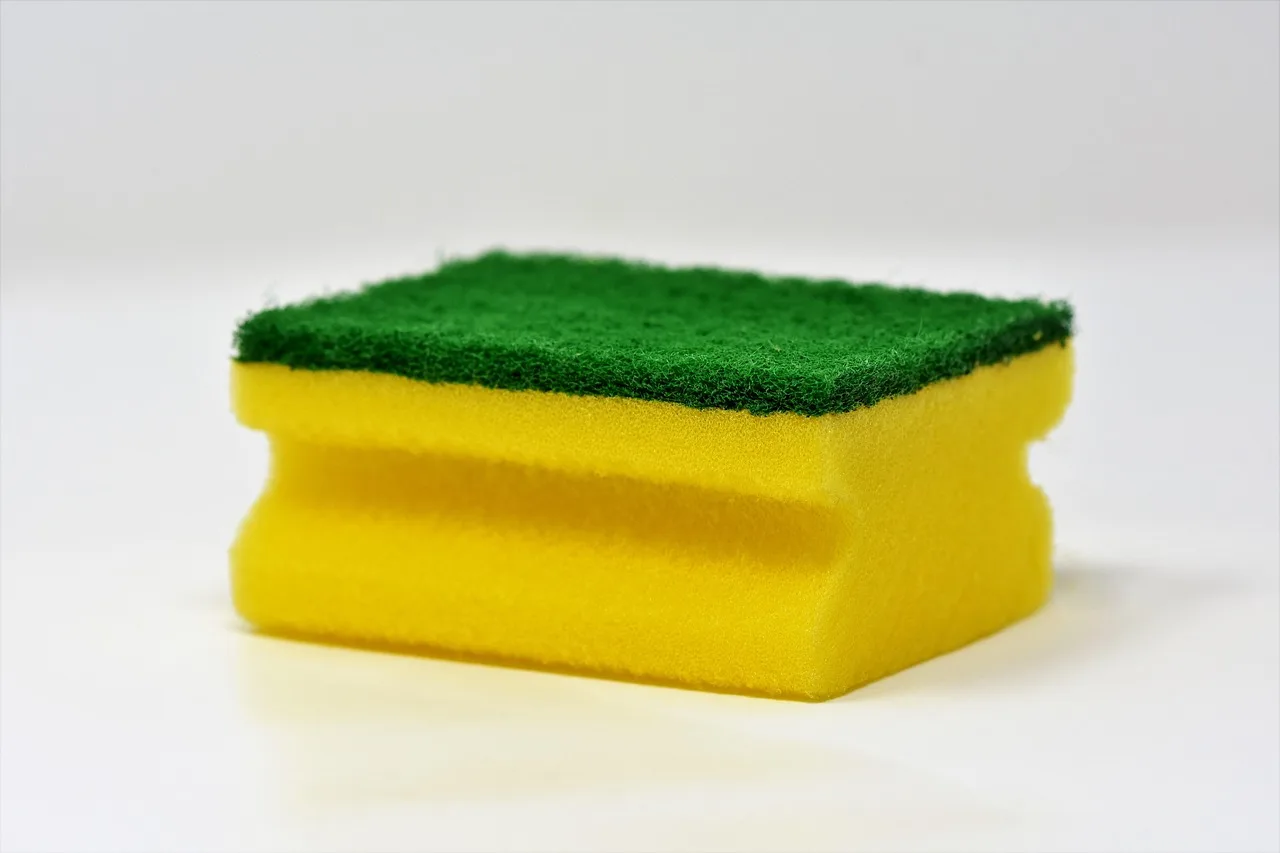
This matrix ranks microfiber sponge types by the job they do best. Use it to match the tool to the panel, the paint, and the amount of grit you expect to lift.
| Task | Risk level | Ideal construction | Maintenance burden | When to avoid it |
|---|---|---|---|---|
| Two-bucket contact wash on clear coat | Low to medium | Plush microfiber wrap, foam-backed core, inside-stitched seams | Rinse well, machine wash, dry fully | Avoid if the seams are exposed or the fit slips during long passes |
| Large side panels and hoods | Low | Chenille microfiber with high suds capacity and a wider hand opening | Moderate; fibers need a thorough rinse after use | Avoid when the vehicle is heavily contaminated with road film or mud |
| Tight panels, mirrors, and trim edges | Medium | Slim pad with controlled thickness and secure cuff fit | Low to moderate | Avoid if you need long soap carry or large-panel speed |
| Wheels and lower body only | High | Double-sided pad with a separate scrub face and clear separation from paint tools | Higher; needs strict segregation and more frequent washing | Avoid for full-body paint washing unless you can keep it wheel-only |
| Black paint or soft clear coat | Low | Plush microfiber, inside-stitched seams, high pile, no exposed edges | Moderate | Avoid low-pile pads, rough scrub zones, or loose cuffs |
Say your car has soft black paint and a wide hood. A plush foam-backed sponge with hidden seams gives you a larger contact patch without exposing stitches to the panel, which lowers the chance of visible marring when you repeat passes.
Suppose you are washing a hatchback with narrow mirrors and door handles. A slimmer pad is easier to control there than a bulky mitt, because it follows the shape without folding over and trapping grit in a loose pocket.
What is the best microfiber sponge for car detailing?
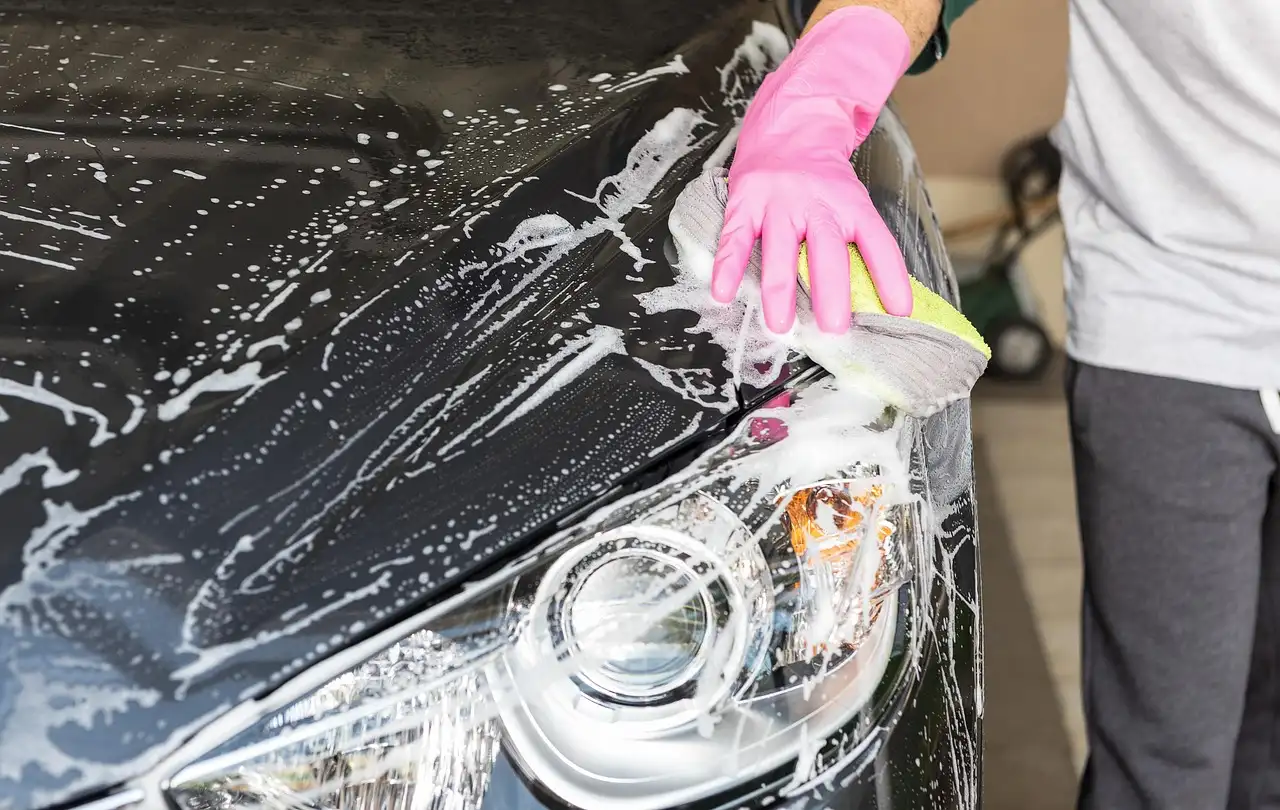
The best all-around choice is a plush, foam-backed microfiber sponge with inside-stitched seams and a fit that stays planted in your hand. That construction gives you dirt trapping, strong suds retention, and enough control for two-bucket washing without making the tool feel bulky.
For most DIY washes, that is more useful than a generic sponge shape. A good microfiber car wash sponge lifts dirt into the pile instead of dragging it across clear coat, and a reusable build only works if the fibers stay open after rinsing and drying.
What that construction does better
Microfiber works because the split fibers hold loosened grit away from the paint surface. Chenille microfiber adds noodle-like fibers, which increase soap carry and give a gentle wash action when the car is not caked in heavy road grime.
A premium microfiber blend is often described as 70/30 polyester-polyamide. That mix is common in detailing towels because it balances absorption and durability, and the same logic matters in wash tools that need to hold suds without falling apart after repeated laundering.
Why fit and seam placement matter
Elastic cuff fit or a secure hand opening matters because a slipping sponge is harder to guide around body lines. Inside-stitched seams help too, because seam placement keeps rough edges away from painted panels.
GSM, or grams per square meter, is another useful spec. Lower-cost microfiber often sits in a lighter range, while higher GSM material is usually plusher and more absorbent; for wash contact, more density can improve soap retention, but excessive bulk can make the tool harder to rinse clean.
The Rag Company Premium Grade Terry Microfiber Detailing Applicator Sponges: best for all-around paint contact
This is the strongest all-purpose pick if you want a compact tool that works for wash contact, product application, and smaller panels. The 3in x 5in size is manageable in one hand, and the hidden seams reduce the chance that stitching will rub against paint.
Based on the manufacturer’s specs and published product details, the soft terry microfiber wrap and machine-washable construction make it a practical repeat-use option. The main drawback is size: it is less efficient on large body sides than a full mitt, so bigger vehicles may take longer to wash.
AIDEA Microfiber Applicator Pad-8 Pack: best for budget bulk
This pack fits buyers who want several pads for separate tasks without spending much. The foam core and microfiber face make it useful for quick wash contact, trim work, or product application, and the eight-pad count makes sorting by job easier.
The price is $6.99 for the pack, which is strong value for a reusable microfiber tool. The drawback is that budget pads usually demand more attention to fit and seam quality, so you should inspect each one before it ever touches paint.
Turtle Wax 3-Piece Essential Microfiber car wash kit: best for beginners
This kit suits someone who wants a simple starting point with a sponge, glass cloth, and drying cloth in one purchase. It covers the basic wash sequence without forcing you to source each piece separately, which can be useful if you are building a kit from zero.
At $19.87, it is not the cheapest path to a single wash tool. The drawback is that bundled kits often include items you may not need right away, so a buyer focused only on sponge quality may prefer a dedicated mitt or pad instead.
Are microfiber wash sponges better than mitts for cars?
Microfiber wash sponges are better when you want flatter panel contact, easier control on tight surfaces, and a more compact grip. Mitts still make more sense for large panels and for users who prefer the hand-sock feel, because they can hold more soap and follow broad curves with less effort.
The choice is less about “better” and more about where the tool works cleanly. A sponge-style pad often gives you better precision near badges, mirrors, and grilles, while a mitt is usually faster across a hood or roof.
Where sponges win
Sponges and pads are easier to guide along straight body lines. They are also simpler to flip, rinse, and reload when you are using a two-bucket wash method and want clear feedback from the panel.
A secure hand fit matters here. If the sponge rotates or slips, you lose pressure control and risk pressing loose grit into the paint.
Where mitts still win
Chenille mitts usually offer more suds capacity and more flexible coverage over larger areas. That is why they remain common for door skins, hoods, roofs, and other broad sections where speed matters more than pinpoint control.
Microfiber Wholesale’s 10″ Chenille Microfiber Mucho Mop Kit and 10″ Chenille Mucho Mop Pad show how large-format chenille tools are often aimed at broader detailing work. The tradeoff is bulk, which can make them less useful for trim-heavy cars or very tight hand spaces.
Chenille microfiber mitt: best for large panels
A chenille microfiber mitt is the best fit for broad panels because the noodle-like fibers hold plenty of soap and help lift grit away from the surface. That makes it a strong choice for roofs, hoods, and doors when the car has normal road film rather than heavy mud.
It also suits people who want a classic wash-mitt feel. The tradeoff is that chenille can retain more water and soap than a slimmer pad, which means more rinsing if you let contamination build up in the pile.
Why chenille works
The long strands increase surface area, so the mitt carries more lubrication between rinse cycles. That extra suds capacity is useful because more lubrication reduces friction and the odds of dragging grit across clear coat.
Published listings show the category is common in detailing. Chemical Guys’ Chenille Premium Scratch-Free Microfiber Wash Mitt is listed at $8.99 for a single mitt, while AIDEA’s Car Wash Mitt Microfiber comes as a 2-pack under $10, with the AIDEA mitt size listed as 7.12”X10.14”.
Likely drawbacks
Chenille is not the best answer for every panel. Long fibers can hold dirt if the wash gets too far along without a rinse, and a mitt that is too loose can slip, twist, or trap debris in the cuff area.
That is why a secure cuff and a clear rinse routine matter. If the mitt cannot stay planted on your hand, it is no longer an advantage.
Double-sided wash pad: best for wheels and lower body
A double-sided wash pad makes sense when you want one tool to handle a scrub side and a softer microfiber side. It is most useful for wheels, rocker panels, and other lower-body zones that need more than gentle surface contact.
It becomes risky if you let that same pad wander onto paint after wheel use. The scrub face can carry brake dust, road tar, and embedded grit, so it should stay separate from your paint-only wash tools.
When two-sided helps
Two-sided pads are useful when you want quick task switching on one panel area. The microfiber face handles normal wash contact, while the scrubber surface can tackle stubborn grime on wheels or lower sills.
Detaling-Center lists the Ultimate two sided chenille microfiber wash sponge MIC495 at 10.90 €, and the Chemical Guys Wash pad MIC415 at 11.12 €. Those listings point to the exact use case: one side for general contact, one side for tougher cleaning.
How to avoid cross-contamination
Keep a wheel-only pad separate from any paint-contact sponge. If the same tool touches both, the risk is not theoretical; wheel residue can move straight onto clear coat on the next pass.
A common first-timer mistake is washing the lower panels first and then moving the same pad to the hood. That sequence puts the dirtiest contact right where the finish is most visible.
Elastic-cuff wash pad: best for small hands
An elastic-cuff wash pad is best when hand fit is a priority. A secure opening reduces slippage, improves control during repeated passes, and keeps the tool from shifting when your hand gets wet and slick.
That matters more than many listings admit. A pad that looks soft but moves around in your grip is harder to steer, slower to rinse cleanly, and more likely to expose an edge or seam to the paint.
What to check before you buy
Look at the opening size, not only the outer dimensions. A pad that is too wide may fold at the cuff, while one that is too tight can be awkward to load with soap and rinse between panels.
Also check whether the seams are inside-stitched. That detail reduces exterior scratch risk and is especially useful on compact pads that will touch curved surfaces and body lines.
What should you buy for black paint?
For black paint, choose the plushest microfiber sponge or mitt you can control comfortably, with hidden seams, a secure cuff, and no rough scrub face on the paint side. Black finishes reveal marring quickly, so the safest option is the one that keeps contact soft and controlled, not the one with the most aggressive cleaning texture.
On soft clear coat, higher pile and better seam placement matter more than marketing terms. A pad with exposed edges, loose stitching, or weak suds retention can leave visible haze even if the label says scratch-free.
Specs that matter most on dark finishes
GSM matters because denser microfiber usually carries more water and lubrication. For drying and buffing, CarCareReviews notes 600–900+ GSM towels, and while wash tools are a different category, the same basic idea applies: more plushness can mean more cushion between grit and paint.
You should also look for edgeless or inside-stitched construction, a firm but comfortable hand fit, and easy rinse behavior. If the tool stays soggy and loaded with dirt, it stops being gentle.
How to choose
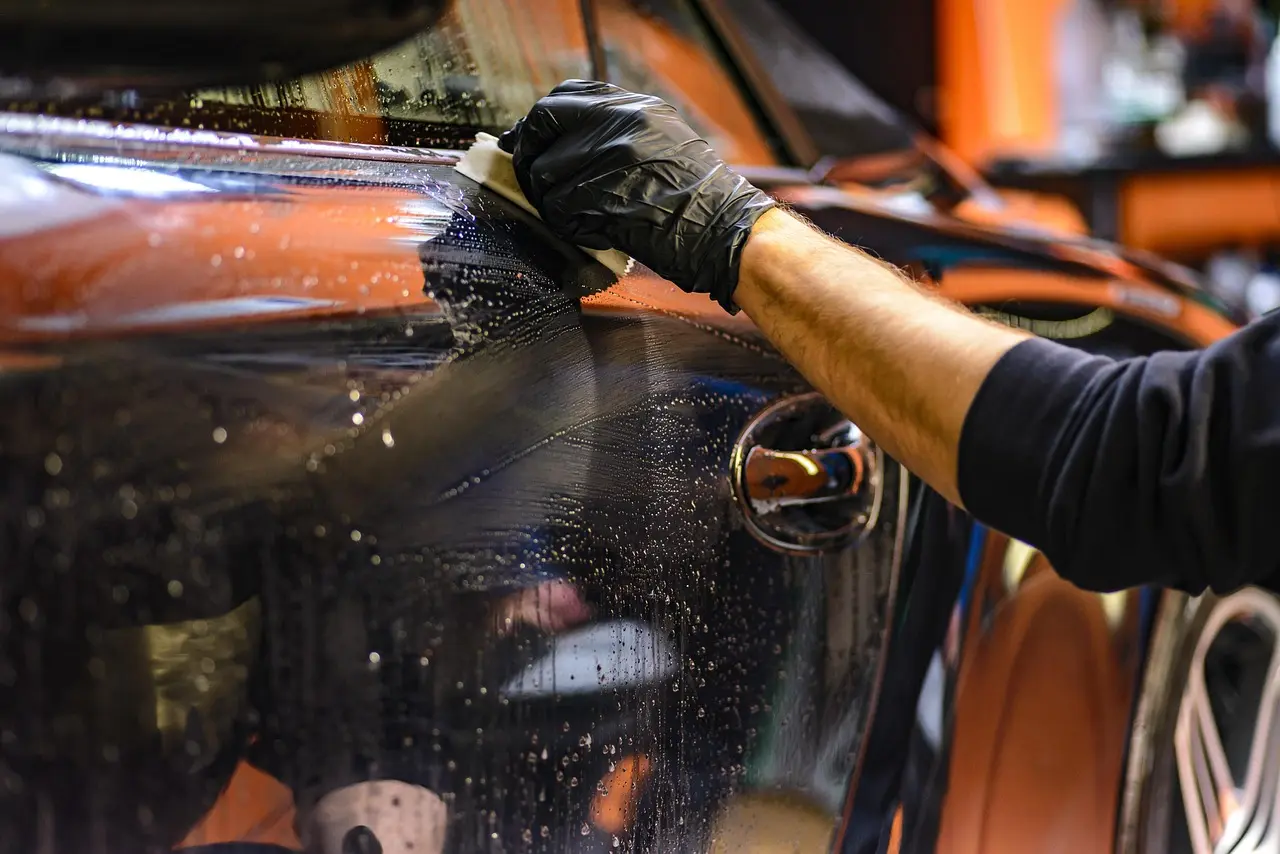
Start with the wash step. If you want one tool for general bodywork, pick a plush microfiber sponge or terry wrap with hidden seams. If you want speed on large panels, choose chenille. If you need wheel cleaning too, keep a separate double-sided pad for that job only.
Then match hand size to shape. Small hands usually do better with slimmer pads and secure cuffs; larger hands may prefer mitt-style coverage. If the tool shifts in your grip, it is the wrong fit even if the microfiber is good.
- Use a two-bucket wash method so the sponge can be rinsed before it reloads paint with grit.
- Keep paint tools and wheel tools separate.
- Choose inside-stitched seams or hidden seams over exposed stitching.
- Prefer plush microfiber for black paint and soft clear coat.
- Pick chenille when you need higher suds capacity and broader panel coverage.
- Wash the tool after use, dry it fully, and retire it when the pile mats down or the edges roughen.
Red flags to avoid
| Red flag | Why it matters | Better choice |
|---|---|---|
| Exposed seams | Stitching can contact paint and increase scratch risk | Inside-stitched or hidden seams |
| Poor cuff fit | The tool slips and loses control on curved panels | Elastic cuff or snug hand opening |
| Low suds retention | Less lubrication means more friction on the surface | Plush microfiber or chenille with stronger soap carry |
| Weak cleaning separation between paint and wheels | Brake dust and road grit can transfer to clear coat | Separate wheel-only pad or mitt |
Which one should you buy?
If you want the most balanced choice, buy The Rag Company sponge. If you want the lowest cost per piece and need extras for separate jobs, buy the AIDEA 8-pack. If you want a simple starter bundle for the whole wash routine, the Turtle Wax kit is the easiest single purchase.
If your car has soft paint, prioritize seam placement and plushness over everything else. If your hands are small, lean toward a pad with a snug cuff. If you wash large vehicles often, a chenille mitt will usually move faster across wide surfaces than a compact sponge.
How do I wash and maintain a microfiber car sponge?
Wash it with microfiber-safe detergent, rinse it well after use, and dry it fully before storage. Do not use fabric softener, because it coats the fibers and reduces both dirt trapping and absorbency.
Machine washable microfiber is a basic expectation, not a guarantee of long life. If the pile mats down, the cuff loosens, or the seams start to roughen, the tool should move out of paint duty.
Care steps that matter
Shake out trapped grit before it goes into the wash. Separate wheel-contact tools from paint-contact tools. Use a gentle cycle when possible, and avoid high heat that can damage the backing or stiffen the fibers.
After drying, store the sponge where it will stay clean. A perfect microfiber face means little if it picks up dust from a dirty shelf before the next wash.
Frequently asked questions
What should I look for in a scratch-free car wash sponge?
Look for inside-stitched seams, plush microfiber, secure cuff fit, and strong suds retention. Those features matter because they reduce exposed edges, improve control, and keep lubrication between the surface and the grit you are trying to remove.
Which microfiber sponge is safest for black paint?
The safest choice for black paint is the plushest microfiber option you can control comfortably, with no exposed seams and no scrub side on the paint face. Dark paint shows faint marring fast, so soft contact and good seam placement matter more than speed.
Do microfiber sponges hold enough suds to prevent swirls?
Yes, if the construction is plush enough and you keep the tool rinsed. Suds help reduce friction, but they do not cancel contamination on their own; if grit stays trapped in the fibers, the risk goes up even with a soapy surface.
Are two-sided microfiber wash sponges worth buying?
They are worth buying when you need one side for microfiber contact and one side for tougher lower-body or wheel work. They are not the best choice for paint-only washing unless you can keep the scrub surface strictly away from clear coat.
Products related to this article
Sponsored / affiliate links. As an Amazon Associate I earn from qualifying purchases. I may earn additional commission from eligible campaigns.