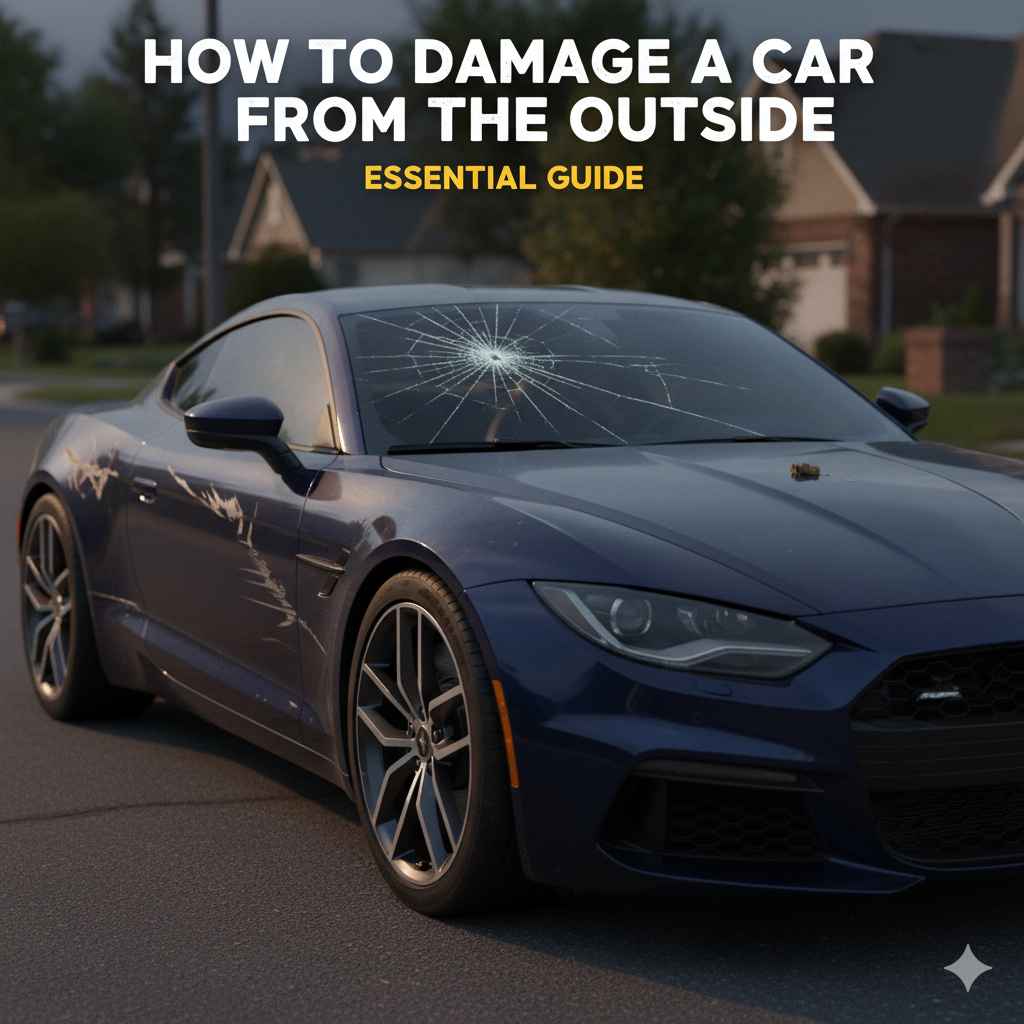
How to Damage a Car From The Outside: Essential Guide
This guide details common ways car exteriors can be damaged, covering factors like weather, road debris, improper washing, and minor impacts. Understanding these causes helps you protect your vehicle and avoid costly repairs.
Hello car owners! Md Meraj here, your friendly guide to all things automotive. We all love our cars for how they look and perform, but sometimes, despite our best efforts, the outside of our vehicles can take a beating. Whether it’s an accidental scuff, a chip from a passing truck, or just the regular wear and tear of daily driving, understanding how damage happens is the first step to preventing it or knowing how to fix it. This guide will walk you through the most common ways your car’s exterior can get damaged, so you can be better prepared to keep your ride looking its best. Let’s dive in and learn what to look out for!
Understanding Exterior Car Damage: What You Need to Know
Your car’s exterior is the first line of defense against the elements and the road. It’s constantly exposed to sun, rain, dust, rocks, and even other vehicles. This constant exposure means that damage is, unfortunately, a common concern for many car owners. From tiny paint chips to larger dents, these issues can not only affect your car’s appearance but also its resale value and even lead to rust if not addressed. As your trusted automotive guide, I aim to simplify these potential problems, offering clear explanations that help you understand what’s happening and what you can do about it.
We’ll explore the everyday scenarios that can lead to exterior car damage. This isn’t about avoiding driving, but about being more aware. By understanding the culprits behind common exterior woes – like that annoying door ding or the fine scratches on your paintwork – you can take proactive steps. This knowledge will help you protect your investment and keep your car looking sharp for years to come. Let’s break down the common causes of exterior damage, one by one.
Common Causes of Exterior Car Damage
Your car’s exterior is a complex system designed to protect its inner workings and passengers. However, it’s also the most visible part, making it susceptible to a variety of damaging factors. Understanding these common causes is the first step in preventing or mitigating them.
1. Environmental Factors
Sun Exposure (UV Rays)
The sun is a powerful force, and its ultraviolet (UV) rays can wreak havoc on your car’s paint and plastic components over time. Prolonged exposure can cause the paint to fade, lose its gloss, and even lead to oxidation, which is a chalky, dull appearance. Plastic trim pieces can become brittle, discolored, and crack. Think of it like a severe sunburn on your skin – the damage is cumulative and can weaken the material.
Rain and Moisture
While rain itself isn’t directly damaging in the short term, prolonged exposure to moisture can contribute to rust and paint degradation, especially if the paint is already chipped or scratched. Acid rain, a form of precipitation with high levels of nitric and sulfuric acids, can etch into your clear coat, leaving dull spots. Standing water in poorly drained areas can also trap dirt and salt, accelerating corrosion.
Extreme Temperatures
Both extreme heat and cold can affect your car’s exterior. Extreme heat can cause paint to expand and contract, potentially leading to micro-cracks over time. In cold climates, road salt and de-icing chemicals are highly corrosive and can eat away at paint and metal. Freezing water trapped in tiny cracks can also expand, widening those fissures.
Wind and Air Pollutants
Wind can carry abrasive particles like sand and dust, which can sandblast your paint. Industrial areas or busy cities often have air pollutants that can settle on your car’s surface, chemically bonding with the paint if left untreated and causing etching or discoloration.
2. Road Debris and Hazards
Gravel and Stones
One of the most common culprits for paint chips are small stones and gravel kicked up by other vehicles, especially on highways or unpaved roads. These projectiles can hit your car with considerable force, chipping away at the clear coat and base paint, leaving behind those tell-tale white or colored spots. High-speed impacts are the most damaging.
Mud and Dirt
While seemingly harmless, caked-on mud and dirt can be abrasive, especially if you try to wipe them off when they’re dry. The grit trapped within can create fine scratches. Additionally, certain soils can contain minerals or chemicals that might react with your car’s finish over time.
Salt and Chemicals (Winter Driving)
As mentioned earlier, road salt and de-icing chemicals used in winter are extremely corrosive. They stick to your undercarriage, wheel wells, and lower body panels, actively corroding the metal and damaging paint. If you live in or travel through snowy regions, washing your car regularly, especially the undercarriage, is crucial.
3. Improper Washing and Cleaning Techniques
Using the Wrong Cloths or Sponges
This is a big one! Using dish soap, abrasive kitchen sponges, or old rags to wash your car is a guaranteed way to introduce swirl marks and fine scratches into your paint. These materials are not designed for automotive finishes and trap dirt particles that then act like sandpaper against the paint. Always use a dedicated microfiber wash mitt for the paintwork. For more on proper car washing, check out resources from organizations like Popular Mechanics for detailed guides.
Automatic Car Washes
While convenient, many automatic car washes, especially older brush-style ones, can cause damage. The brushes can harbor grit from previous cars, and their aggressive scrubbing motion can introduce swirl marks and light scratches. Touchless washes are generally safer, but they often use harsher chemicals to compensate for the lack of physical contact.
Drying Methods
Rubbing a car dry with a chamois or even a standard bath towel can cause scratches, as these materials can snag on microscopic imperfections and drag dirt particles. Air drying can leave water spots, especially on dark paint, if the water contains minerals that are left behind as the water evaporates.
4. Minor Collisions and Impacts
Parking Lot Dings and Scratches
This is often the most frustrating type of damage. Other car doors opening too wide, shopping carts rolling into vehicles, or minor bumps while parking can result in dents, scrapes, and paint transfers. These are usually minor but can be unsightly and require attention.
Bumper Scrapes
Low-speed impacts, like nudging a parking bollard or another car’s bumper, can easily result in scuffs and scrapes on plastic bumpers. These are typically superficial but can ruin the aesthetics of a otherwise pristine vehicle.
Hinges and Door Frames
When opening doors, especially in tight spaces or on uneven ground, the door can swing wider than expected, potentially hitting nearby objects like walls, poles, or even other cars. This can cause dents, scratches, or damage to the door’s edge or the surrounding body panel.
5. Vandalism and Intentional Damage
Unfortunately, sometimes exterior damage is not accidental. Keying the paintwork (drawing lines with a sharp object), deliberate dents, or spray paint are forms of vandalism. While these acts are malicious and often require professional repair, understanding them is part of a complete picture of exterior damage causes.
Preventative Measures: Protecting Your Car’s Exterior
Now that we understand the common causes of exterior car damage, let’s talk about how to prevent them. Taking proactive steps can save you a lot of headaches and money down the road.
1. Regular Cleaning and Maintenance
The Right Way to Wash Your Car
Washing your car regularly is crucial. Use the two-bucket method: one bucket for soapy water and one for rinsing your wash mitt. This prevents dirt from being transferred back onto your car. Always use pH-neutral car wash soap and a clean microfiber wash mitt. Rinse thoroughly from top to bottom.
Proper Drying Techniques
After washing, gently pat your car dry with a dedicated, plush microfiber drying towel. Or, for a spot-free finish, use a car dryer or leaf blower to blow water off the surfaces. Avoid rubbing vigorously.
Applying Protection
Regularly applying wax, sealant, or a ceramic coating provides a protective barrier against UV rays, dirt, and minor contaminants. These products fill in microscopic imperfections in the paint and add a sacrificial layer that takes the brunt of environmental exposure. A good quality spray wax can add shine and protection between full waxing sessions. For a deeper dive into paint protection, resources from certified detailing organizations can be very helpful.
2. Mindful Parking and Driving
Choosing Parking Spots Wisely
Whenever possible, park away from high-traffic areas in parking lots. Opt for spots where you can pull in or back out easily, rather than being boxed in. Avoid parking directly next to large vehicles like SUVs or trucks, and steer clear of areas near cart corrals or entrances where the risk of ding is higher.
Awareness of Surroundings
When driving, maintain a safe distance from other vehicles, especially those that might kick up debris. Be cautious on gravel roads or in construction zones. When parking in tight spaces, take an extra moment to gauge distances before maneuvering.
3. Utilizing Protective Accessories
Car Covers
For cars that are parked outdoors for extended periods, a good quality outdoor car cover can offer significant protection against sun, dust, bird droppings, and light debris. Ensure the cover is breathable and fits well to prevent friction damage.
Paint Protection Film (PPF)
For ultimate protection against stone chips and scratches, consider applying Paint Protection Film (PPF) to vulnerable areas like the front bumper, hood, fenders, and mirrors. This is a clear, durable film applied professionally.
For more advanced protection options, resources like AutoRefinish.com offer comparisons between PPF and ceramic coatings.
4. Addressing Minor Issues Promptly
Repairing Paint Chips
Small paint chips should be addressed quickly. Use a touch-up paint pen with a color-matched paint to fill the chip. This prevents water from seeping in and causing rust. The Consumer Reports provides excellent DIY guides on this.
Dealing with Scratches
Light scratches can often be buffed out with a polishing compound. Deeper scratches that go into the primer or metal will require more significant repair, potentially involving touch-up paint or professional attention.
Tools and Materials for Minor Exterior Repairs
While prevention is key, sometimes damage happens. Fortunately, many minor exterior issues can be addressed with basic tools and materials you can easily get. This empowers you to handle small issues yourself and save on repair costs.
Essential Tools and Materials for DIY Repair
Here’s a quick rundown of what you might need for common minor repairs:
- Microfiber Towels: Essential for washing, drying, and applying polishes or waxes without causing scratches.
- pH-Neutral Car Wash Soap: Specifically designed for automotive paint to clean effectively without stripping protection.
- Two Buckets: One for soap, one for rinse water, to maintain cleaner wash mitts.
- Wash Mitt: Soft, typically microfiber or lambswool, to gently agitate dirt.
- Polishing Compound/Scratch Remover: For buffing out light scratches and swirl marks.
- Wax, Sealant, or Ceramic Spray: To reapply protection after cleaning or polishing.
- Touch-Up Paint Pen: Color-matched paint for filling in small chips and deep scratches.
- Rubbing Alcohol or Isopropyl Alcohol: For cleaning surfaces before applying touch-up paint or decals.
- Clay Bar Kit: To remove embedded contaminants from the paint surface, preparing it for polishing or waxing.
- Masking Tape/Painter’s Tape: To protect surrounding areas when using compounds or touch-up paint.
When to Call a Professional
While DIY is great for minor issues, some damage requires professional attention. This includes:
- Deep dents that have creased the metal.
- Scratches that have gone through the paint to the bare metal and show signs of rust.
- Large areas of paint damage or significant paint transfer.
- Damage to complex body panels or trim pieces.
- Any issue that makes you feel uncomfortable or unsure how to proceed.
Comparing Repair Methods: DIY vs. Professional
Deciding whether to tackle a repair yourself or take it to a professional can be tricky. It often depends on the type of damage, your skill level, and your budget. Here’s a quick comparison.
| Factor | DIY Repair | Professional Repair |
|---|---|---|
| Cost | Lower, primarily for materials. | Higher, includes labor and specialized equipment. |
| Time Investment | Can be time-consuming, especially for beginners. | Generally quicker for the owner, but shop turnaround varies. |
| Skill Level Required | Basic to moderate, depending on the repair. | High, requires trained technicians and experience. |
| Tools/Materials | Basic home kit needed for simple tasks. | Access to specialized tools, paints, and equipment. |
| Risk of Error | Higher for beginners, potentially leading to more damage. | Lower, if using a reputable shop. |
| Types of Damage Best Suited For | Light scratches, minor paint chips, wax applications, basic cleaning. | Deep dents, significant paint damage, rust repair, complex issues. |
Understanding Paint Damage Types
It’s helpful to know what kind of paint damage you’re dealing with. This helps determine the best course of action.
- Swirl Marks: Very fine, circular scratches in the clear coat, usually caused by improper washing or polishing. Can often be buffed out.
- Scratches: Lines in the paint. Their severity is determined by how deep they are. Light scratches are in the clear coat, medium are in the color coat, and deep ones reach the primer or metal.
- Chips: Small pieces of paint missing, typically from impact by debris. Can lead to rust if not treated.
- Etching: Dull spots caused by contaminants (like bird droppings or acid rain) that have eaten into the clear coat.
- Fading/Oxidation: Loss of color and gloss due to UV exposure. Can often be restored with compounding and polishing.
For more on detailing and paint correction, the Autopia Forums is a great place to find experienced detailers sharing their techniques.
Frequently Asked Questions (FAQ)
Q1: What is the easiest way to fix minor scratches on my car’s paint?
For very light scratches that are only in the clear coat, a simple scratch removal product or a polishing compound used with a microfiber cloth can often do the trick. Apply a small amount, rub gently in a circular motion, and then wipe clean.
Q2: Will car washes damage my paint?
Some car washes can. Automatic car washes with brushes can cause swirl marks and fine scratches. Touchless car washes are generally safer, but their strong chemicals might strip wax or sealant. Hand washing with proper techniques and dedicated materials is the safest method.
Q3: How can I prevent bird droppings from damaging my car’s paint?
Bird droppings are acidic and can quickly etch into your paint. Remove them as soon as possible using a damp cloth or a dedicated quick detailer spray and a microfiber towel. If dried on, gently rehydrate with water before wiping.
Q4: Is it worth getting a ceramic coating for my car?
A ceramic coating can provide excellent long-term protection against UV rays, chemicals, and minor scratches, while also making the car easier to clean. It’s a significant investment, but many owners find the durability and ease of maintenance worthwhile.
Q5: What causes the chalky white residue on my car’s plastic trim?
This is typically oxidation, caused by prolonged exposure to sunlight (UV rays). The plastic degrades and breaks down, leaving the chalky residue. It can often be restored using dedicated plastic trim restorer products.
Q6: Can I use household cleaners to wash my car?
No, it’s not recommended. Household cleaners like dish soap or all-purpose cleaners can be too harsh, stripping protective waxes or sealants and potentially dulling the paint over time.