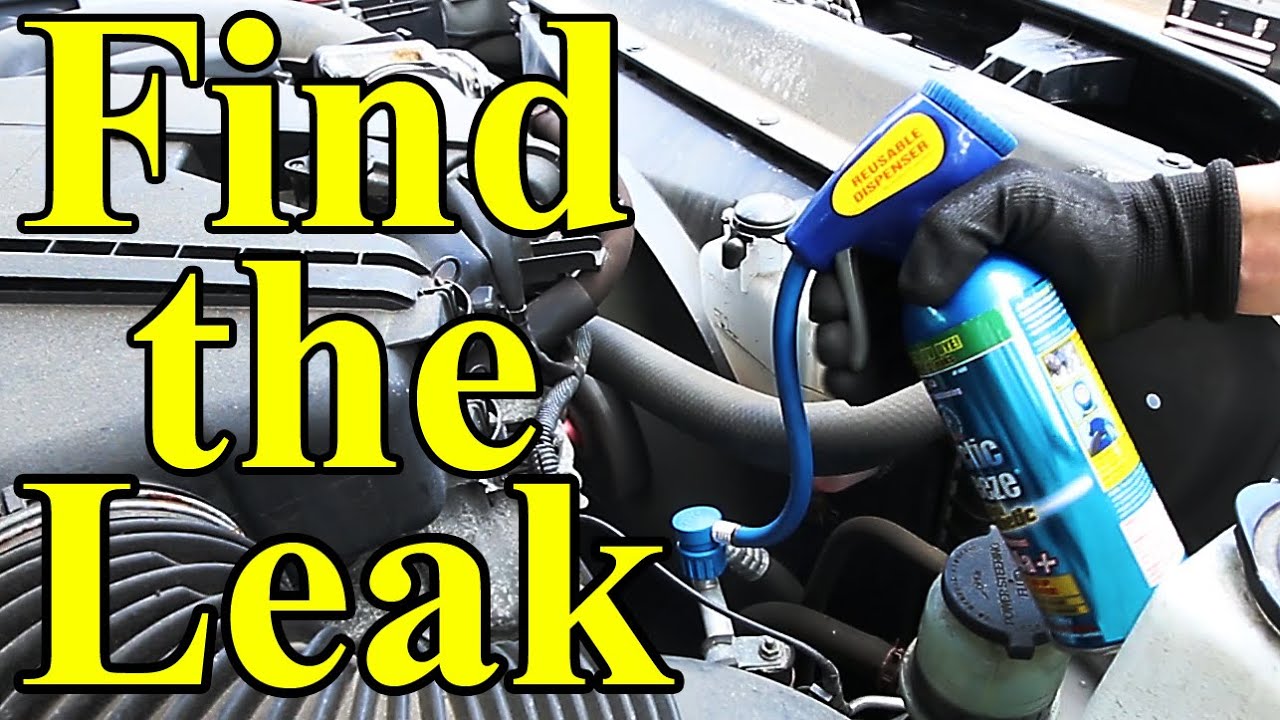
How to Detect a Freon Leak in Car: Expert Tips Revealed
Detecting a Freon leak in your car is crucial. It affects your AC’s performance.
Freon leaks can make your car’s air conditioning system inefficient. This not only leads to discomfort but can also cause long-term damage to your vehicle. Identifying a leak early can save you from expensive repairs and ensure your AC works correctly.
In this post, you’ll learn how to spot signs of a Freon leak and what steps to take next. Understanding these signs is essential for maintaining a comfortable and safe driving experience. So, let’s dive into the basics of detecting a Freon leak in your car.
Credit: keepincool.com.au
Identifying Symptoms Of A Freon Leak
Car AC might not cool like before. Air feels warmer or less cold. Strange noises may come from the AC unit. This could mean a Freon leak. Sometimes, the AC takes longer to cool the car. Weak airflow may also be a sign. These changes are important to notice.
Check under the hood. Look for oily spots near the AC lines. Green or blue stains can appear. These stains might mean Freon is leaking. Wet spots under the car? That could be refrigerant escaping. Smell something strange? It might be Freon. Be careful and check regularly.
Tools Required For Leak Detection
Having the right tools is crucial for finding a Freon leak. A refrigerant leak detector is the primary tool. It senses gas leaks with ease. A UV dye kit is also handy. It helps spot leaks using ultraviolet light. Soap solution is another simple tool. Bubbles form where there is a leak.
Safety is important during detection. Wear gloves to protect your hands. Use safety goggles to shield your eyes. A mask is important too. It prevents inhaling harmful gases. Always have a fire extinguisher close by. It is a precautionary measure.
Visual Inspection Techniques
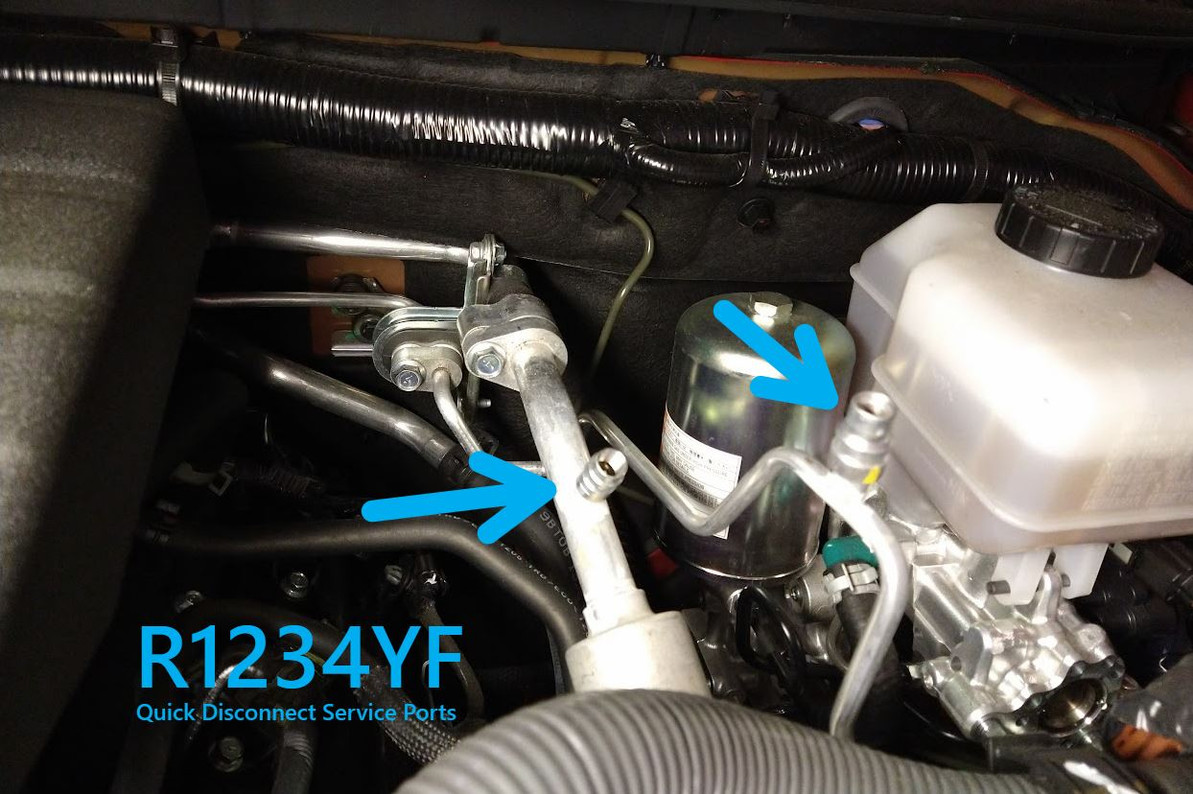
Look at the AC hoses and connections. Ensure everything is tight. A loose connection can cause leaks. Hoses should not be cracked. Cracked hoses are a bad sign. Feel the hoses too. They should not feel oily. Oily hoses might mean a Freon leak.
Check under the car for oil stains. These can show where a leak is. Look near the AC unit. Oil stains near the unit are a clue. Use a flashlight to see better. Bright light helps find small stains. Dark stains are easier to spot with light. Clean the area after checking. This helps with future checks.
Credit: www.wiseautotools.com
Using Leak Detection Dyes
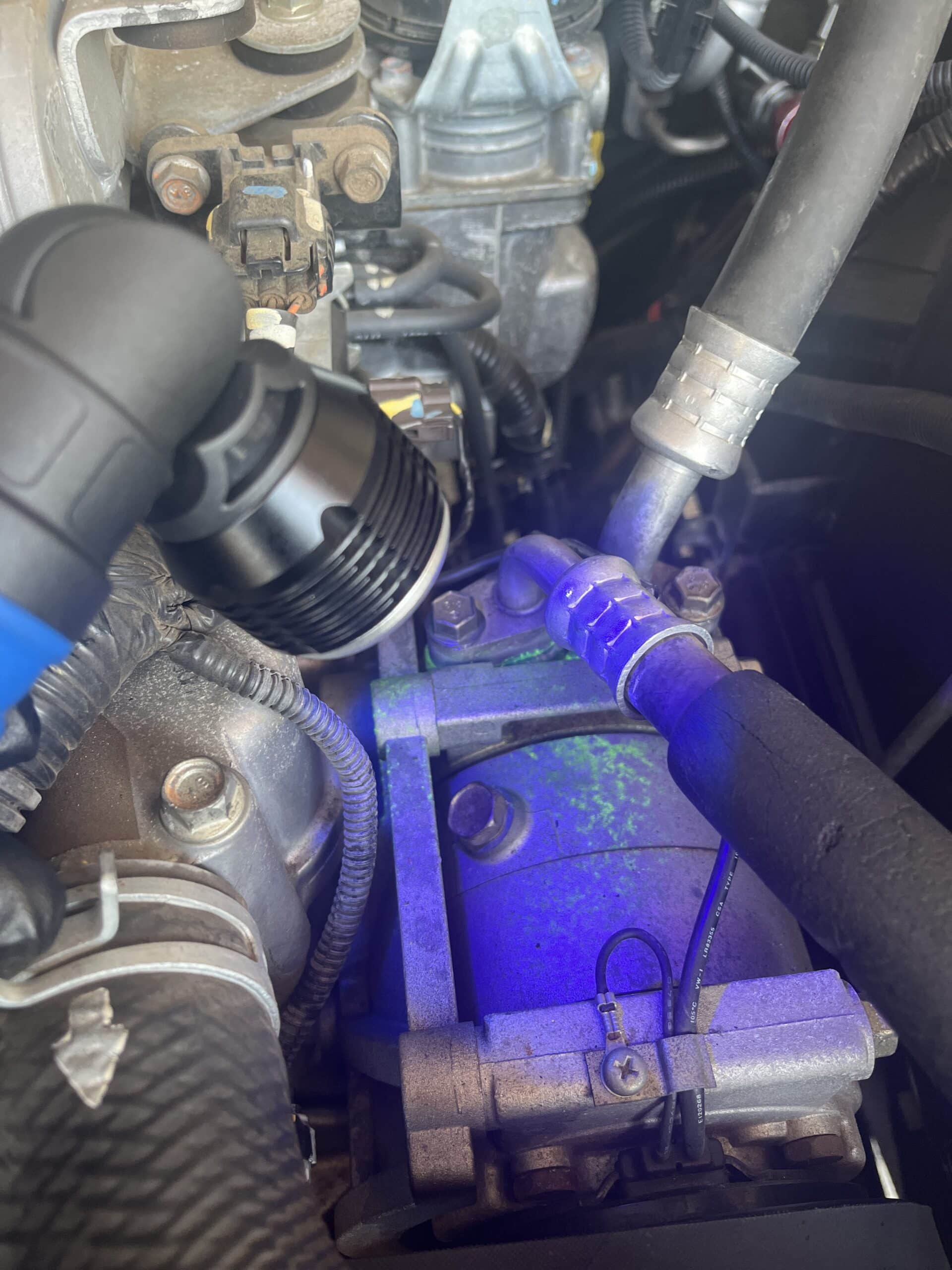
Leak detection dyes are special liquids. They mix with the car’s cooling fluid. Bright colors show where leaks are. When the dye mixes, it spreads through the system. Leaks appear in vivid colors under UV light. Easy to spot even tiny leaks. Safe for the car system and easy to use. Most dyes are non-toxic and environmentally friendly.
Add the dye to the cooling system. Follow the instructions on the product. Run the car for a few minutes. Let the dye circulate. Use a UV light to check for leaks. Look for bright spots under the light. Fix leaks found quickly. Prevent further damage to the car. Regular checks can avoid big problems later. Always wear safety gear when using dyes.
Electronic Leak Detectors
Using electronic leak detectors helps find freon leaks in cars easily. These devices detect gas leaks quickly, saving time and preventing damage. Regular checks ensure your car’s air conditioning works properly.
Device Selection
Electronic leak detectors help find freon leaks in cars. Choose a reliable brand for accurate results. Look for a detector with adjustable sensitivity. This helps in detecting small leaks. Ensure it has a clear display for easy reading. A long probe is useful to reach tight spots.
Detection Procedure
Turn off the car and let it cool. Place the detector near the air conditioner system. Turn on the detector and slowly move it around. Listen for beeps or watch for lights. These indicate a leak. Check all connections and hoses. Repeat if necessary to confirm the leak.
Soap And Water Method
Gather the needed items. You need a spray bottle, some water, and soap. Mix soap and water in the bottle. Shake it well to create bubbles. Safety first: Wear gloves to protect your skin. Ensure the car is off and cool before starting. Open the car hood to access the engine. Locate air conditioning components like hoses and connections.
Spray the soapy water on hoses and fittings. Watch closely for bubbles. Bubbles mean a leak is present. Check all parts carefully. Move slowly and cover each section. If you see bubbles, note the spot. Fixing leaks helps the air conditioner work well. Clean up any soap left on the engine after checking.
Professional Leak Detection Services
A car might have a Freon leak when the air conditioner stops cooling. Strange smells or hissing sounds are also warning signs. If the car’s cabin feels warmer, it could be a leak. Call a professional to fix the problem quickly. They have the right tools to find leaks. This saves time and avoids bigger issues. A professional will use special gas to find leaks. This method is fast and safe.
Choose a service with good reviews. Ask friends for recommendations. Look for technicians with certification. Certified experts know how to handle leaks safely. Compare prices from different services. This helps in finding a service that fits your budget. Always ask about their methods. Ensure they use safe and modern equipment.
Preventing Future Freon Leaks
Spotting a Freon leak in your car is crucial for preventing future issues. Listen for hissing sounds from the AC system. Also, check for unusual odors or reduced cooling efficiency.
Regular Maintenance Tips
Check your car’s AC system often. Look for any signs of wear. Always keep the system clean. Dirt can cause problems. It’s important to replace old parts. They can break easily. Make sure all connections are tight. Loose connections can lead to leaks. A mechanic can help if you’re unsure. Regular checks can save you money. They help find problems early.
Choosing Quality Components
Use only high-quality parts for your car. Cheap parts can break easily. They might cause leaks. Always buy parts from trusted stores. Ask a mechanic for advice. They know which brands are best. Good parts last longer. They keep your car running well. Quality components help prevent leaks. This saves you time and trouble.

Credit: www.youtube.com
Frequently Asked Questions
How To Tell If Your Car Has A Freon Leak?
Check for weak cooling, hissing sounds, or oily residue around AC components. Notice unusual AC system performance? Consider professional inspection for leaks.
Where Is The Most Common Place For A Car Ac Leak?
The most common place for a car AC leak is the hose connections. These areas often wear out over time. Check the rubber seals and gaskets for damage. Regular inspections can help identify leaks early and maintain AC efficiency.
Is There A Way To Detect Freon Leak?
Yes, you can detect Freon leaks using electronic leak detectors or soap bubble solutions. Regular maintenance checks help identify leaks early. Listen for hissing sounds or inspect for oil residue around connections. Employing professional services ensures accurate detection and safety.
How Much Does It Cost To Fix A Freon Leak In Car?
Fixing a Freon leak in a car typically costs between $150 and $800. Prices vary based on the leak’s severity and location. Labor charges and the type of refrigerant also affect the total cost. It’s essential to consult with a professional mechanic for an accurate estimate.
Conclusion
Detecting a Freon leak in your car is crucial. It ensures your vehicle’s cooling system functions properly. Regular checks prevent costly repairs. Listen for hissing sounds. Smell for chemical odors. Check for puddles under your car. Use a UV light to spot leaks.
These steps help maintain your car’s efficiency. Driving with a Freon leak can be dangerous. It affects air conditioning performance. Follow these tips to stay safe. Keep your car cool and comfortable. Remember, regular maintenance is key. Protect your investment with simple checks.
Stay alert, stay safe.