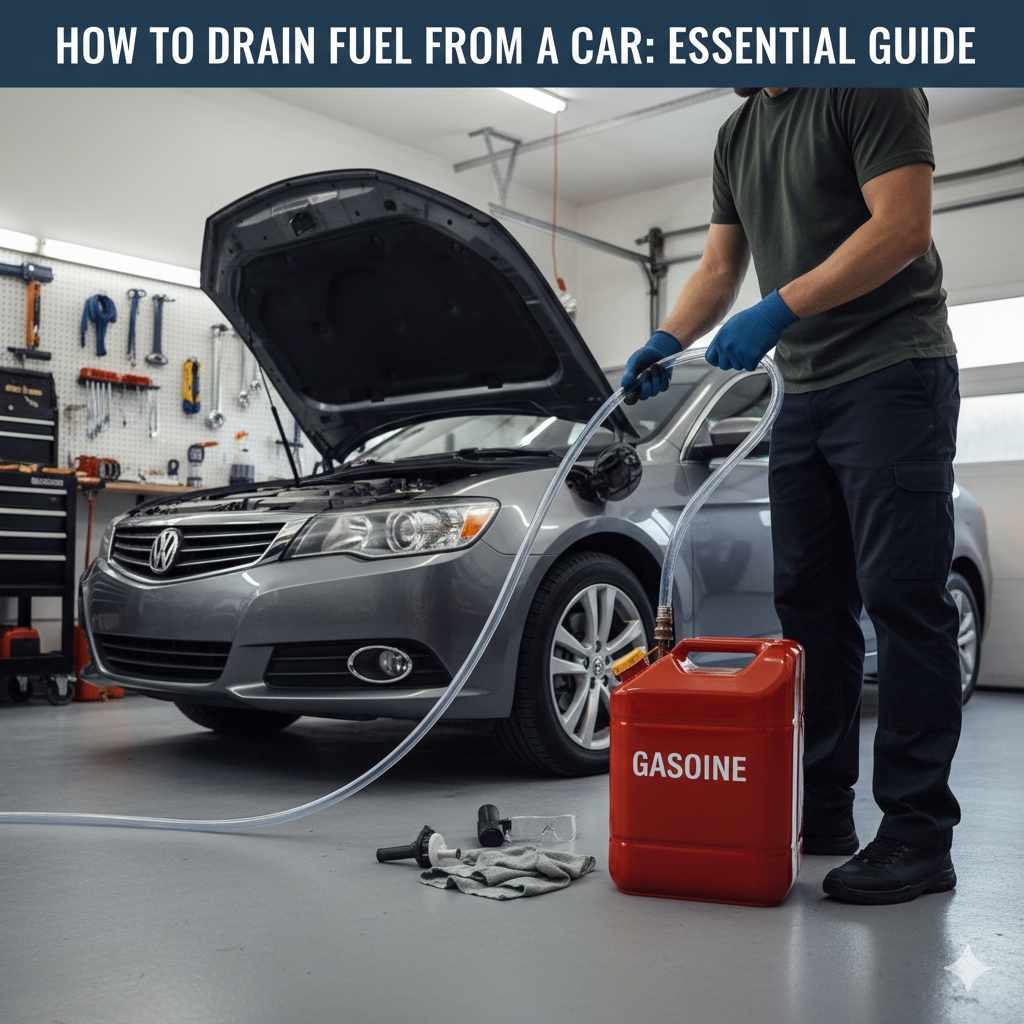
How To Drain Fuel From A Car: Essential Guide
Safely drain fuel from your car by preparing properly, using the right tools, and following step-by-step instructions. This guide ensures a clean and secure fuel removal process for common tasks like tank replacement or seasonal storage, making a potentially messy job manageable for any car owner.
Does your car need a fuel system service, or are you preparing it for long-term storage? Sometimes, you just need to get the old fuel out. It might sound daunting, but draining fuel from your car is a task that many DIY car enthusiasts can tackle with the right knowledge and precautions. We’re here to walk you through it, step-by-step, making sure you can do it safely and effectively. You’ll gain confidence and save money by handling this yourself. Let’s get started and demystify the process!
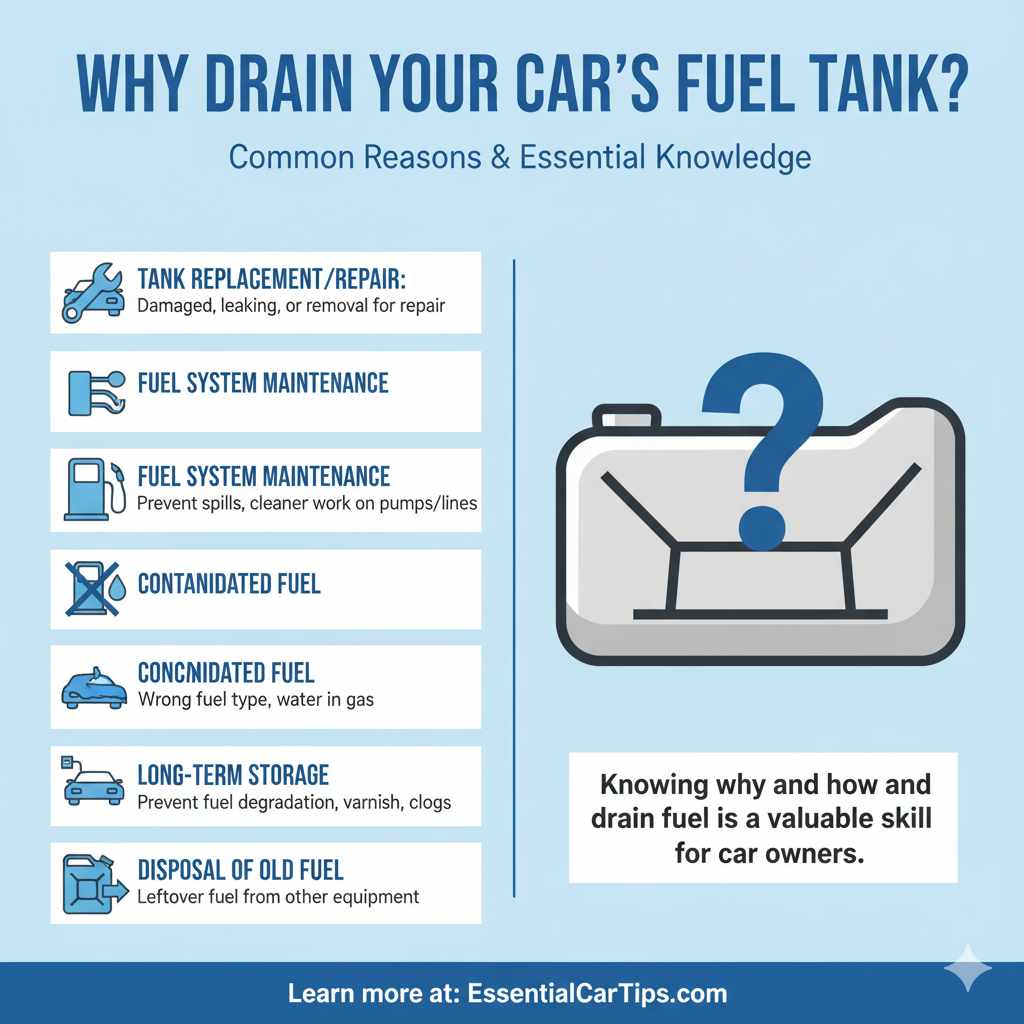
Why Would You Need To Drain Your Car’s Fuel Tank?
There are several common reasons why you might find yourself needing to drain the fuel from your car’s tank. Understanding these will help you appreciate why this skill can be so useful:
- Gas Tank Replacement or Repair: If your fuel tank is damaged, leaking, or needs repair, you’ll need to remove the fuel before taking it out.
- Fuel System Maintenance: Sometimes, especially when working on the fuel pump or lines, draining the tank is necessary to prevent spills and make the job cleaner.
- Contaminated Fuel: If you accidentally put the wrong type of fuel in your car (like diesel in a gasoline car, or vice-versa), or if water has contaminated your gasoline, draining the tank is the first and most crucial step.
- Long-Term Storage: For vehicles being stored for extended periods (e.g., several months or longer), it’s often recommended to drain the fuel to prevent the gasoline from degrading and forming varnish or gum, which can clog the fuel system.
- Disposal of Old Fuel: If you have leftover fuel from a generator or other equipment, and you’re draining it from your car to properly dispose of it.
Safety First! Essential Precautions Before You Start
Working with gasoline is inherently risky due to its flammability. Safety should always be your top priority. Never skip these steps:
- Ventilation is Key: Work in a well-ventilated outdoor area. Never drain fuel in an enclosed garage or space where fumes can build up. Gasoline fumes are highly combustible and can travel to ignition sources.
- No Open Flames or Sparks: Absolutely no smoking, open flames, or tools that can create sparks near the work area. This includes portable heaters, welders, or even static electricity.
- Wear Protective Gear: Always wear safety glasses or goggles to protect your eyes from splashes. Wear fuel-resistant gloves (like nitrile gloves) to protect your skin. Long sleeves and pants are also advisable.
- Fire Extinguisher Ready: Keep a Class B or ABC fire extinguisher specifically designed for flammable liquids nearby and know how to use it.
- Disconnect Battery: For extra safety, disconnect the negative terminal of your car battery to prevent any accidental electrical sparks.
- Proper Containment: Have approved fuel containers ready and ensure they are stable and won’t tip over.
- Disposal Plan: Know where and how you will safely and legally dispose of the drained fuel. Most local recycling centers or auto shops have specific disposal procedures. Never pour it down a drain or onto the ground. Find out about your local hazardous waste disposal regulations. The U.S. Environmental Protection Agency (EPA) offers guidance on hazardous waste disposal.
Tools and Materials You’ll Need
Having the right tools makes the job much easier and safer. Here’s a list of what you generally need:
- Safety Gear: Safety glasses/goggles, nitrile gloves, long sleeves/pants.
- Approved Fuel Container(s): These should be specifically designed for gasoline and have a maximum capacity of 5 gallons.
- Fuel Siphon Pump: This is the safest and easiest method. Look for a manual siphon pump designed for fuel transfer, often with a check valve to prevent backflow and a submersible hose.
- Hose Clamps (Optional but Recommended): To secure hoses if using certain types of pumps or fittings.
- Wrench or Socket Set: May be needed to access fuel lines or drain plugs, depending on your vehicle and chosen method.
- Rags or Shop Towels: For cleaning up small spills.
- Ventilation: Ensure you’re in a well-ventilated, outdoor space away from ignition sources.
- Fire Extinguisher: Class B or ABC rated.
Methods for Draining Fuel From Your Car
There are a few ways to drain fuel, but the most common and beginner-friendly methods involve siphoning or using a drain plug. We’ll focus on the safest and most recommended approach: siphoning.
Method 1: Siphoning Fuel (Recommended for Beginners)
This is the most straightforward and generally safest method for DIYers. It involves using a pump to draw fuel out of the tank through the filler neck.
Step-by-Step Guide to Siphoning Fuel:
Before you begin, ensure your car’s fuel tank is not completely empty. It’s easiest to do this when there’s at least a few gallons of fuel in the tank. If the tank is very low, you might need to consider a different approach, but for most situations, siphoning works best with some fuel present.
- Prepare Your Workspace: Park your car on a level surface outdoors in a well-ventilated area, away from any open flames or sparks. Gather all your tools and safety gear. Make sure your approved fuel container is placed on the ground, lower than the fuel tank.
- Locate the Filler Neck: Open your car’s fuel door. You’ll see the filler neck, which is the tube leading into the fuel tank.
- Insert the Siphon Hose: Take your fuel siphon pump. Most pumps have two hoses: one thicker hose that goes into the fuel, and a thinner hose that goes into your container. Push the thicker, submersible hose several inches down into the filler neck. You may feel it hit a flap or a screen – push gently past this, but don’t force it. The goal is to get the end of the hose into the bulk of the fuel in the tank.
- Position the Outlet Hose: Place the other end of the siphon hose into your approved fuel container. Ensure it’s secure and won’t pop out.
-
Start the Siphon: This is where the pump mechanism comes in.
- Manual Pump with Bulb: If you have a pump with a rubber bulb, squeeze the bulb firmly several times. This will push fuel up the hose and create suction. Once fuel starts flowing, you can often stop squeezing and the flow will continue.
- Automatic Siphon Pump: Some pumps have a mechanism where you shake the hose or pump a specific way to start the flow automatically. Follow the instructions for your specific pump.
- Gravity Feed (Not Recommended for Beginners): While technically possible, attempting to manually suck fuel through a hose to start a siphon is extremely dangerous and can lead to accidental ingestion of gasoline. Avoid this method.
- Monitor the Flow: Once fuel starts transferring, keep an eye on both the tank (to know when it’s getting low) and the container (to avoid overfilling).
- Stop the Siphon: When you have drained the desired amount of fuel, or the tank is nearly empty, quickly lift the outlet hose out of the fuel container before the suction stops completely. This prevents any remaining fuel in the hose from dripping out.
- Empty and Store the Hose: Carefully remove the hose from the filler neck. Allow any residual fuel to drain into your container.
- Seal and Store Fuel: Immediately seal your fuel container tightly. Store it upright in a safe location away from living spaces, heat sources, and ignition sources.
- Clean Up: Wipe up any small spills with rags. Ensure all tools are clean and stored properly.
- Dispose of Fuel Properly: Take the drained fuel to an approved hazardous waste disposal site or an auto service center that accepts used fuel.
Method 2: Using the Fuel Tank Drain Plug (Requires More Mechanical Knowledge)
Some vehicles have a drain plug at the lowest point of the fuel tank. If your car has one, this can be a direct way to drain the tank. However, accessing it can be difficult, and it’s generally not recommended for beginners due to the potential for damage and the need to lift the vehicle.
General Steps (if applicable):
- Lift and Support Vehicle: Safely lift the rear of your vehicle using a jack and secure it with jack stands.
- Locate Drain Plug: Find the fuel tank and its lowest point. You should see a plug.
- Position Container: Place a wide, shallow pan (designed for automotive fluids) directly underneath the drain plug.
- Remove Plug: Use the correct size wrench to carefully loosen and remove the drain plug. Be prepared for fuel to flow out immediately.
- Drain Fuel: Let the tank drain completely into the pan.
- Replace Plug: Once empty, clean the drain plug and its threads. Reinstall the plug and tighten it appropriately, but do not overtighten, as this can damage the tank.
- Lower Vehicle and Dispose: Lower the vehicle and dispose of the fuel properly.
Caution: Many modern vehicles do not have a drain plug on the fuel tank. If yours doesn’t, this method is not an option. Also, accessing the plug can be tricky, and spilling fuel onto hot exhaust components is a significant fire hazard. Siphoning through the filler neck is generally safer for DIYers.
Table: Comparing Fuel Draining Methods
Here’s a quick look at the pros and cons of common methods:
| Method | Pros | Cons | Beginner Friendliness |
|---|---|---|---|
| Siphoning via Filler Neck | Safest for DIYers, minimal tools needed, no need to lift the car, generally clean if done carefully. | Can be slow, may require a good siphon pump, some modern cars have anti-siphon devices that can make it difficult. | High |
| Using Fuel Tank Drain Plug | Fastest method if available, direct draining. | Requires lifting and supporting the vehicle, potential for difficult access, high risk of spills and fire hazard if not done perfectly, many modern cars lack this feature. | Low |
| Dropping the Fuel Tank | Allows complete access for repairs or cleaning, guaranteed to remove all fuel. | Highly complex, labor-intensive, requires extensive tools and mechanical knowledge, significant safety risks, often best left to professionals. | Very Low |
What to Do With Old Fuel
Disposing of gasoline is crucial for environmental protection and safety. Here’s how to handle it:
- Never Pour Down Drains or on Ground: Gasoline is toxic and can contaminate soil and water sources, as well as pose fire risks.
- Approved Containers: Always use approved, sealed containers for storage and transport.
- Local Hazardous Waste Disposal: The best and most responsible method is to take the fuel to a designated household hazardous waste (HHW) collection site in your community. A quick search for “[Your Town/County] hazardous waste disposal” should provide local information.
- Auto Repair Shops: Some auto repair shops or service stations may accept used gasoline for proper disposal, but call ahead to confirm.
- Fuel Recycling Centers: Look for specialized recycling centers that handle used motor fuels.
For more information on proper disposal, you can consult resources from your local government or agencies like the U.S. Environmental Protection Agency (EPA).
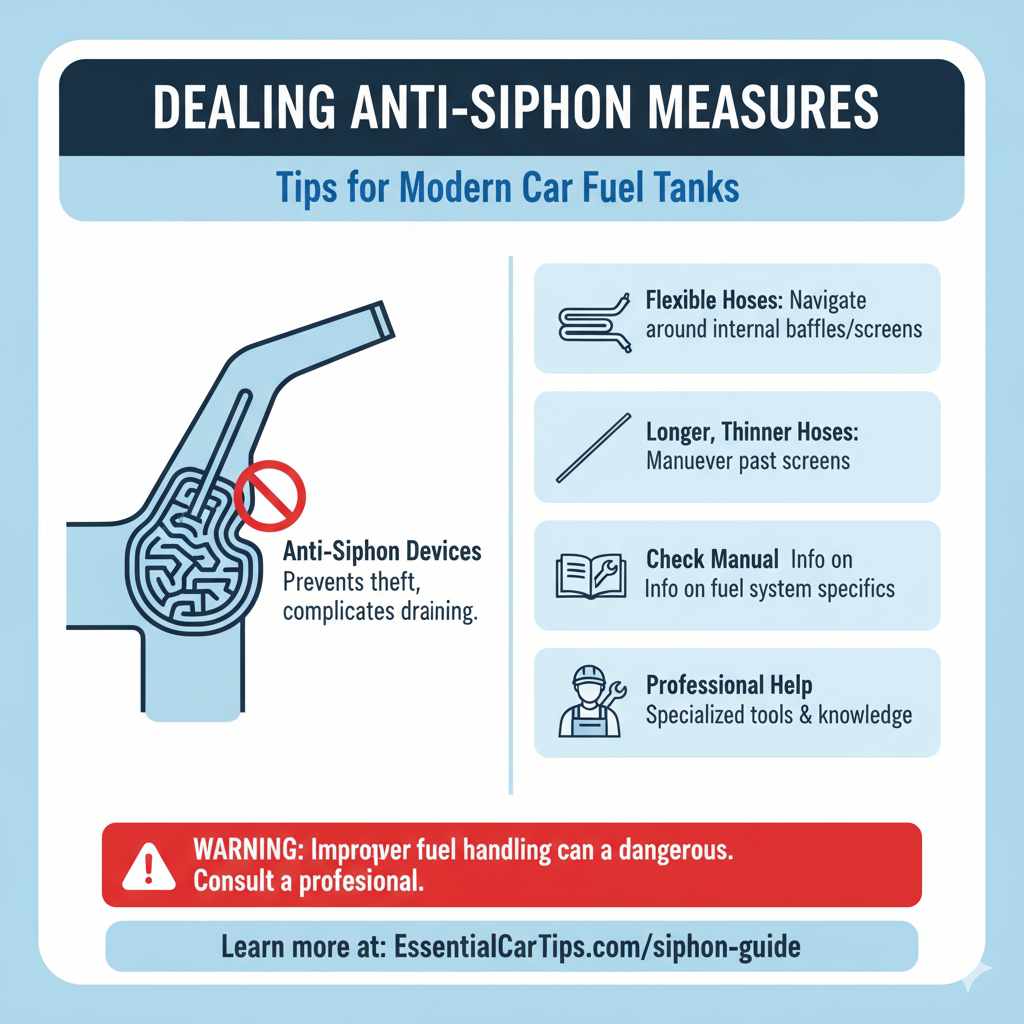
Dealing with Anti-Siphon Measures
Many modern cars are equipped with anti-siphon devices in the filler neck to prevent fuel theft. These can make traditional siphoning tricky. Here are some tips:
- Flexible Hoses: Use a flexible siphon hose that can navigate around internal baffles or screens.
- Longer, Thinner Hoses: Sometimes a thinner hose that is also very long can be gently maneuvered past the anti-siphon screen.
- Check Your Vehicle’s Manual: Your car’s owner’s manual might provide specific information about its fuel system, though it rarely details how to bypass anti-siphon measures.
- Professional Help: If you’re struggling significantly with an anti-siphon device, it might be time to consult a professional mechanic. They have specialized tools and knowledge to handle these situations safely.
Frequently Asked Questions (FAQ)
Q1: Is it safe to siphon fuel myself?
A1: Yes, it can be safe if you follow all the necessary precautions. Always work in a well-ventilated area, wear protective gear, have a fire extinguisher ready, and use approved containers. Never try to manually suck fuel through the hose.
Q2: How much fuel can I safely drain?
A2: You can drain as much fuel as needed, but always keep your approved fuel container in mind. Don’t try to drain more than your container can safely hold. It’s also easier to siphon when there’s at least a few gallons of fuel in the tank.
Q3: What if I accidentally put the wrong fuel in my car?
A3: If you put gasoline in a diesel car or diesel in a gasoline car, you need to drain the tank immediately. The damage can be severe if the incorrect fuel circulates through the engine. Drain as much as possible, then consider having the fuel lines and filter cleaned by a professional.
Q4: Can I reuse the drained fuel?
A4: If the fuel is fresh and was drained for a necessary repair or storage, it can often be reused. However, if the fuel is old, contaminated with water, or had debris in it, it’s best to dispose of it properly. Old fuel can form gum and varnish, damaging your fuel system.
Q5: What kind of container should I use for draining fuel?
A5: Always use an EPA-approved portable gasoline container. These are made of specific plastics or metal, feature self-venting spouts, and are designed to prevent spills and static buildup. Avoid using unapproved containers like milk jugs or open buckets, as they are unsafe and illegal for fuel storage.
Q6: My car has an anti-siphon device in the filler neck. What do I do?
A6: Some modern cars have screens or flaps to prevent siphoning. You may need to try a more flexible siphon hose or gently maneuver it to bypass the device. If you’re having significant trouble, consult your owner’s manual or a professional mechanic.
Q7: How do I know if my car has a fuel tank drain plug?
A7: Many contemporary vehicles do not have a drain plug on the fuel tank. The best way to check is to consult your vehicle’s repair manual or safely inspect the underside of your fuel tank. If it’s not clearly visible, it likely doesn’t have one, and you should plan to siphon.
Conclusion
Draining fuel from your car might seem like a complex task, but by using the right tools and following these safety guidelines, it becomes a very manageable DIY project. Whether you’re performing maintenance, preparing for storage, or correcting a fueling mistake, knowing how to safely extract fuel will save you time and money. Remember, safety always comes first: work in a well-ventilated area, away from sparks and flames, and use appropriate protective gear. With this guide, you’re well-equipped to handle this essential car care task with confidence. Happy wrenching!