How to Remove Hail Dents from Car Hood: 4 DIY Methods + Cost Guide
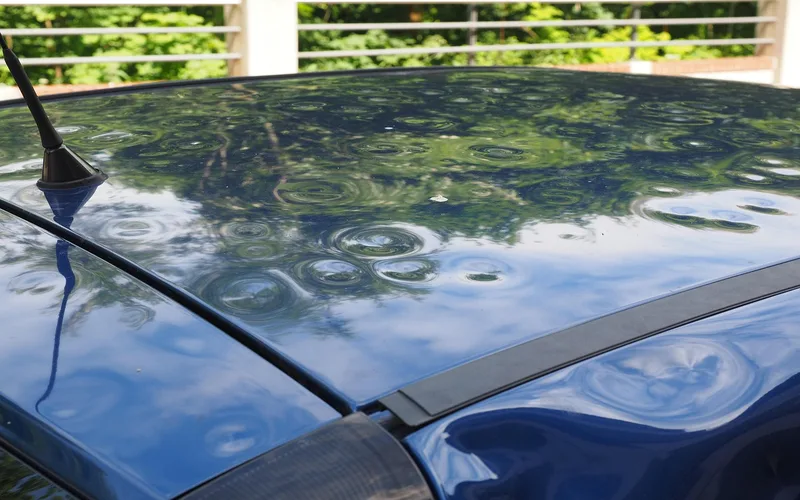
Hail storms can leave dozens of small dents across your hood in minutes, and the repair bill from a body shop can easily reach $2,500 or more. The good news: if the paint is still intact, you can fix many of those dents yourself using tools that cost less than $50.
This guide covers the four most effective DIY methods, explains why aluminum hoods require a different approach, and gives you a real cost breakdown so you know exactly what to expect — whether you go DIY or call a professional.
First: Is Your Hood Steel or Aluminum?
Recommended Products for Hail Dent Removal
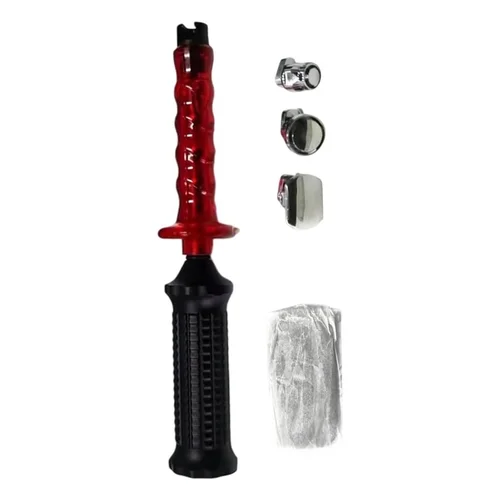
PDR Glue-Pull Dent Kit
Best for hood hail dents — includes slide hammer, 20 tabs, glue sticks
View on Amazon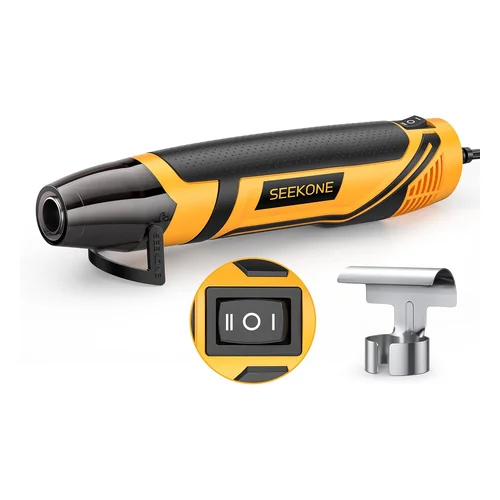
Variable-Temp Mini Heat Gun
For glue tabs on the PDR kit — lower wattage reduces paint risk
View on Amazon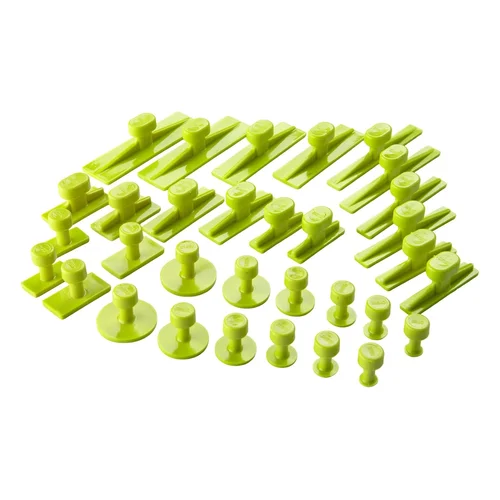
Assorted Dent Repair Glue Tabs
Different sizes for different dent diameters — stock up for multiple panels
View on Amazon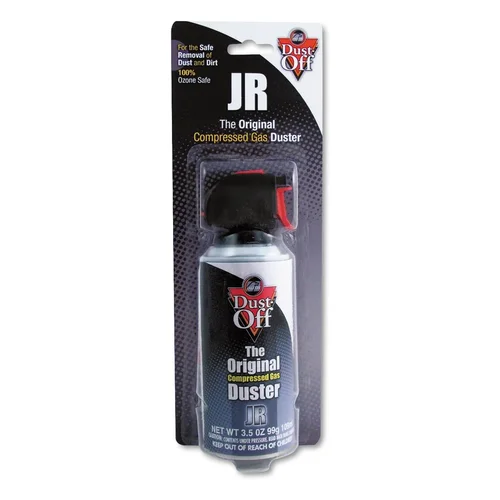
Compressed Air Duster (Inverted Use)
For the hair dryer + cold air method on shallow steel dents
View on AmazonThis matters more than which method you choose. Steel has “metal memory” — it wants to return to its original shape when you apply heat or pressure. Aluminum does not. If you heat an aluminum hood with a hair dryer or apply too much force with a suction cup, you risk stretching the metal permanently, which makes professional repair significantly more expensive.
Aluminum hoods are common on many 2015+ vehicles, including the Ford F-150, most Audi models, and many BMW and Mercedes-Benz hoods. If you’re unsure, check your owner’s manual or tap the hood — aluminum has a noticeably higher-pitched ring compared to steel. If your hood is aluminum, skip to the professional options section below.
Hail Dent Removal Method Comparison
Not all methods work equally well. Here’s how the four main DIY approaches compare for typical hail damage (small, shallow dents, paint intact, steel hood):
| Method | Best For | DIY Cost | Risk Level | Works on Aluminum? |
|---|---|---|---|---|
| PDR Glue-Pull Kit | Small–medium dents, flat panels | $20–$50 | Low | No — too much pull force |
| Hair Dryer + Compressed Air | Shallow dents, steel only | $0–$15 | Medium (paint damage risk) | No — paint can crack |
| Dry Ice | Shallow dents, flat panels | $5–$20 | Medium (frostbite, paint brittleness) | No — cross-contamination risk |
| Boiling Water | Plastic bumpers only | $0 | High on metal hoods | No |
DIY Methods: Step-by-Step
Method 1: PDR Glue-Pull Kit (Best for Hoods)
A paintless dent repair glue-pull kit is the safest and most effective DIY option for hail damage on steel hoods. The kit uses heated glue tabs that stick to the dent surface; a slide-hammer or T-bar puller then draws the metal back out without heat or chemicals.
- Clean the dent area with isopropyl alcohol and let dry completely.
- Heat a glue tab in the hot glue gun and center it precisely on the dent’s lowest point.
- Wait 60–90 seconds for the glue to set (don’t rush — partial adhesion causes the tab to peel off mid-pull).
- Attach the slide hammer or T-bar to the tab and apply slow, steady outward pressure. Do not jerk.
- Twist the tab gently to break the glue bond, then remove it.
- Clean off remaining glue with the included glue remover. Repeat on adjacent dents.
In practice, a first-time DIYer can typically fix 5–10 shallow hail dents in 1–2 hours. Deeper dents may need 2–3 pulls from slightly different angles.
Method 2: Hair Dryer + Compressed Air
The thermal expansion-contraction technique works by heating the dented metal (causing it to expand) and then rapidly cooling it (causing contraction), which can pop the dent out. This works best on very shallow dents where the metal has minimal tension holding it in position.
- Hold a hair dryer 4–6 inches from the dent. Heat for 30–45 seconds — no longer. The panel should feel warm but not hot to the touch.
- Immediately spray compressed air (can held upside down) directly on the dent center for 3–5 seconds. The inverted can releases liquid CO₂ at approximately -60°F.
- Wait 1 minute and check if the dent has moved. If not, repeat once more — do not exceed two cycles on the same spot.
Important: Keep the hair dryer moving — never hold it stationary on one spot. Overheating the clear coat causes it to bubble or peel, which turns a $50 PDR fix into a $500 repaint job.
Method 3: Dry Ice
Dry ice (-109°F) can sometimes pop shallow dents on flat panels like the hood or roof by causing rapid thermal contraction. Work outdoors or in a ventilated area. Always wear insulated gloves — direct contact with dry ice causes frostbite in seconds.
- Park in direct sunlight for 15–20 minutes to warm the hood naturally.
- Wearing thick gloves, slide a piece of dry ice slowly across the dent in a circular motion for 20–30 seconds.
- Remove the dry ice and listen/watch for a popping sound or visual change in the dent.
- If no change, try one more application. If the dent doesn’t respond, dry ice will not fix it.
Dry ice works on roughly 30–40% of hail dents when conditions are right (warm panel, shallow dent, steel). For everything else, use a PDR kit.
Method 4: Boiling Water (Bumpers Only — Not Hoods)
Pouring boiling water over a dent is widely shared online, but it only works on plastic bumper covers — not metal hoods. On a steel hood, boiling water doesn’t deliver enough consistent heat to expand the metal, and the thermal shock can stress the clear coat. On aluminum, the risk of damage is even higher. Use this method only on plastic bumpers, not on any painted metal panel.
Hail Dent Repair Cost: DIY vs. Professional
| Repair Type | Typical Cost | Notes |
|---|---|---|
| DIY PDR Kit | $20–$50 one-time | Works on multiple dents; steel hoods only |
| Professional PDR (per dent) | $50–$150/dent | Best result; preserves factory paint |
| Professional PDR (full hail job) | $2,500–$10,000 | Average ~$6,450 per industry data |
| Traditional body repair | $75–$325/dent | Required when paint is broken; 2–3× PDR cost |
| Aluminum hood PDR surcharge | +25% over steel | Specialized tools and longer labor time |
Assessing the Damage: What Can Be Fixed DIY?
Before you start, check your hood under a work light at a low angle — this reveals dents that are invisible in overhead lighting. Count how many dents you have and assess their depth. As a rough guide, dents shallower than 1/4 inch with no paint cracking are candidates for DIY repair. Dents deeper than 1/4 inch, dents with sharp creases, or any dent where the paint is broken require professional PDR or body repair.
Also check whether your hood has a crumple zone or reinforcing ribs underneath. Dents sitting on a rib will not pop out cleanly with any DIY method — the rib prevents the metal from flexing freely.
When to Call a Professional
Call a professional PDR technician if: your hood is aluminum, any dent has cracked or flaking paint, dents are deeper than 1/4 inch, you have more than 20–30 dents (DIY becomes tedious and results degrade on later attempts), or your insurance covers hail damage with a manageable deductible. Most comprehensive policies cover hail damage — file a claim and get a professional repair if the total damage exceeds your deductible.
For insurance documentation, photograph every dent with a flashlight held at a low angle before attempting any DIY repair. Attempting repairs before filing a claim doesn’t void coverage, but additional damage from DIY attempts may not be covered.
Preventing Future Hail Damage
A fitted car cover rated for hail (look for multi-layer covers with foam or inflatable padding) is the most practical defense. A standard dust cover offers no protection. Parking in a garage or under a carport during hail season eliminates the risk entirely. If a storm is imminent and you have no covered parking, moving blankets secured over the hood with bungee cords provide a meaningful buffer against pea-sized hail — not foolproof, but better than nothing. See our guide to protecting your car from hail for more detail on covers and emergency options.
Frequently Asked Questions
Does boiling water remove hail dents from a car hood?
No — boiling water works on plastic bumper covers, not metal hoods. It doesn’t deliver enough heat to expand steel or aluminum hood panels, and the thermal shock can damage clear coat. Use a PDR glue-pull kit for metal hood dents.
Can I use a hair dryer to remove hail dents?
Yes, but only on shallow dents in steel hoods. Heat the dent for 30–45 seconds (moving the dryer constantly), then immediately apply compressed air (can upside-down) for 3–5 seconds. Works on roughly 40–50% of very shallow hail dents. Never use a heat gun — it’s too hot and will damage paint.
How much does it cost to fix hail dents on a hood?
DIY with a PDR kit costs $20–$50. Professional PDR runs $50–$150 per dent, and a typical full-vehicle hail repair averages $2,500–$10,000 depending on the number of dents and whether any panels need paint. Aluminum hoods add a 25% surcharge over steel.
Do hail dent removal kits actually work?
Yes, for the right kind of dent. PDR glue-pull kits work well on shallow, round hail dents in flat areas of steel panels. They won’t fix sharp creases, deep dents, cracked paint, or any damage on aluminum. Professional PDR tools achieve an 80–90% success rate; DIY kits are effective on perhaps 50–60% of typical hail dents.
Will my car insurance cover hail dents?
Hail damage is covered by comprehensive auto insurance (not collision). If your comprehensive deductible is lower than the repair estimate — which it often is for widespread hail damage — filing a claim makes financial sense. Document all dents with photographs before attempting any DIY repair.
For related repairs, see our guide to popping a dent out of a car bumper (plastic panel technique) and our complete guide to fixing rust on a car — relevant if hail damage went unaddressed and exposed bare metal.
Products related to this article
Sponsored / affiliate links. As an Amazon Associate I earn from qualifying purchases. I may earn additional commission from eligible campaigns.