How to Fix a Car Battery Save Money
Fixing a car battery can seem tough, especially if you’re new to car stuff. You might worry about making things worse or spending too much on a new battery. But guess what?
Many battery problems are actually simple to fix yourself. This guide will walk you through it step by step. We’ll show you how to save money by fixing your car battery instead of replacing it.
Diagnosing Car Battery Issues
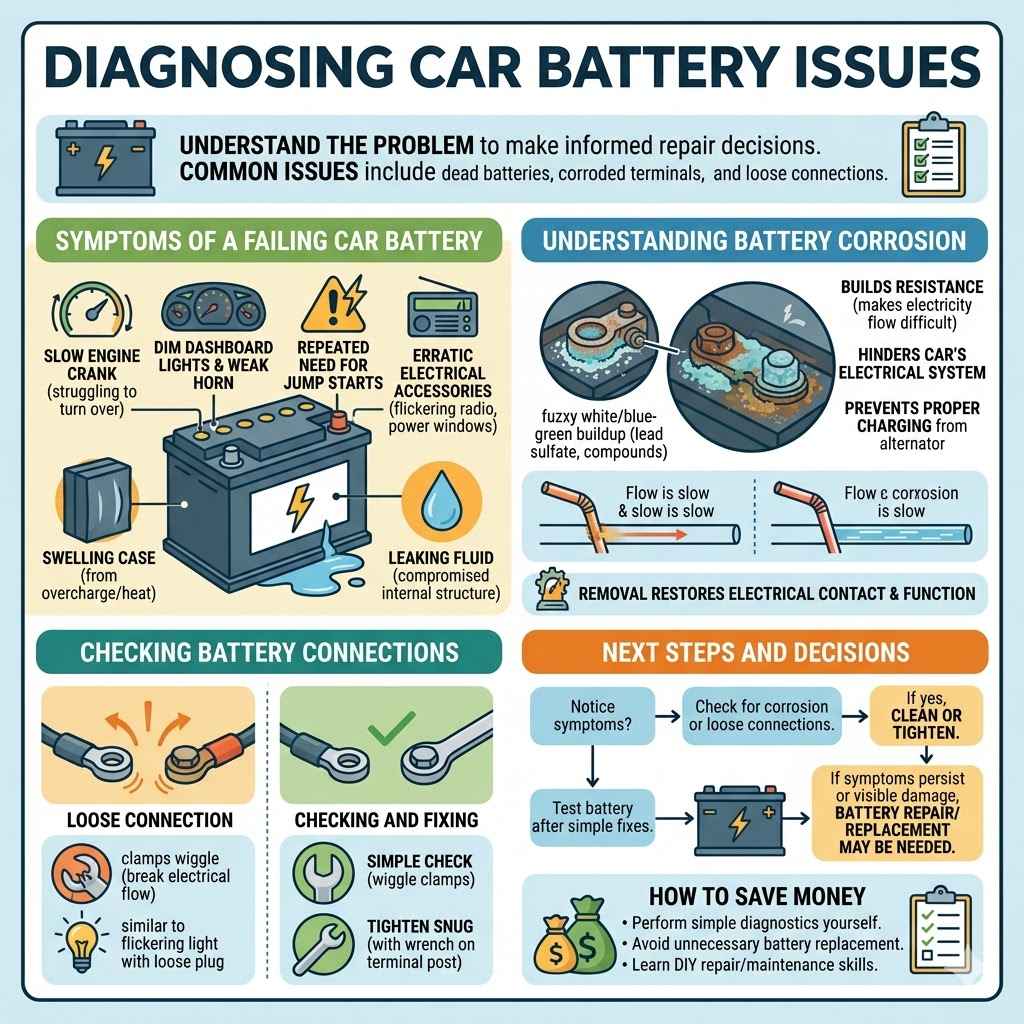
Before you can fix your car battery, you need to know what’s wrong. Common problems include dead batteries, corroded terminals, or loose connections. Knowing the signs helps you figure out if a repair is even possible.
This section will help you spot these issues so you can decide on the best next step for your car.
Symptoms of a Failing Car Battery
A car battery might show several signs that it’s on its way out or has a problem. Noticing these early can save you a lot of trouble and money. A common sign is a slow engine crank when you try to start your car.
It might sound like the engine is struggling to turn over. Lights on the dashboard might also be dim, or the horn might sound weaker than usual.
Another big clue is if your car has needed a jump start recently. While a jump start can get you going temporarily, it often means the battery isn’t holding a charge well. If you find that you need a jump more than once, it’s a strong indicator of a battery problem.
Electrical accessories, like the radio or power windows, might also act strangely. They could flicker, stop working, or behave erratically.
Sometimes, you might see visible signs on the battery itself. This includes swelling of the battery case, which can happen if the battery has been overcharged or exposed to extreme heat. Leaking fluid from the battery is also a serious sign.
It means the battery’s internal structure is compromised.
Understanding Battery Corrosion
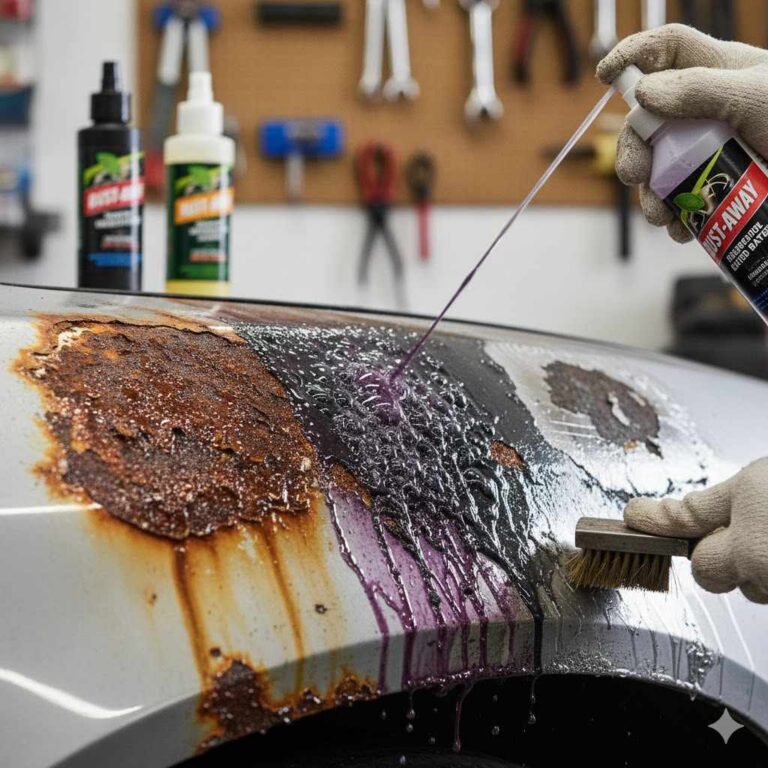
Battery corrosion is that fuzzy, white or blue-green stuff that sometimes appears on the battery terminals and cables. It’s usually a mix of lead sulfate and other compounds. This buildup happens when battery acid leaks or gases escape from the battery.
These gases can react with the metal of the terminals.
Corrosion is a big problem because it creates resistance. This resistance makes it harder for electricity to flow between the battery and the car’s electrical system. Think of it like trying to drink through a straw that’s partly blocked.
The flow is slow and difficult.
When you have corroded terminals, the battery might not get enough power to start the car. It can also prevent the alternator from charging the battery properly. So, even if the battery itself is good, corrosion can make it seem like it’s not working.
The good news is that this type of corrosion is usually quite easy to clean. With the right tools and a little care, you can remove it and restore good electrical contact. This is a key step in learning How to Fix a Car Battery and Save Money.
Checking Battery Connections
Besides corrosion, the connections themselves can be loose. Battery terminals need to be held tightly to the battery posts. If they are loose, they can wiggle around.
This wiggling breaks the electrical connection, even if there’s no visible corrosion.
A loose connection means that power can’t flow reliably. This can cause all sorts of issues, from intermittent starting problems to electrical parts not working at all. It’s similar to how a loose plug in a wall socket might cause a lamp to flicker on and off.
Checking these connections is very simple. You just need to make sure the clamps on the battery cables are snug against the battery posts. Sometimes, they just need to be tightened with a wrench.
This is another straightforward fix that can prevent you from needing a new battery.
Cleaning and Securing Battery Terminals
Dealing with corrosion and loose connections is a fundamental part of car battery maintenance. It’s a task that most people can do without needing to be a car expert. Following these steps will help ensure your battery can deliver power effectively and efficiently.
Tools You Will Need
To tackle battery terminal cleaning and securing, you won’t need a lot of fancy tools. Most of these are common household items or inexpensive to buy. Having the right tools makes the job much easier and safer.
You’ll need a wrench or a socket set to loosen and tighten the battery cable clamps. A wire brush is essential for scrubbing away corrosion. A baking soda and water mixture is great for neutralizing acid.
You might also want some gloves to protect your hands and safety glasses to shield your eyes.
Some people use a specialized battery terminal cleaning tool, which is like a brush with a built-in cleaner. However, a simple wire brush often works just as well. A clean rag or paper towels will be useful for wiping things down.
Having a spray bottle for the baking soda solution can also be handy.
For reassembly, dielectric grease or petroleum jelly can be applied to the terminals after cleaning. This helps prevent future corrosion. It’s a small step that adds a lot of value to the repair.
So gather your supplies, and let’s get started.
Step-by-Step Terminal Cleaning Process
First, make sure your car is turned off. Disconnect the negative (black) cable from the battery terminal first. This is important for safety because it prevents accidental short circuits.
Next, disconnect the positive (red) cable. Once both cables are off, you can use your wire brush to scrub away any corrosion from the battery posts. Apply a little of the baking soda and water paste to the posts and scrub.
This paste helps to break down the acidic corrosion.
Then, clean the inside of the cable clamps using the wire brush and the baking soda paste. Make sure all the green or white residue is gone. Rinse the terminals and clamps with a little clean water, and then dry them thoroughly with a rag.
Once everything is clean and dry, you can apply a thin layer of dielectric grease or petroleum jelly to the battery posts. This will help protect them from future corrosion. This simple cleaning process can often resolve starting issues caused by poor electrical connections.
Securing the Battery Cables
After cleaning, it’s time to reconnect the cables. First, reattach the positive (red) cable to the positive terminal on the battery. Make sure it’s snug.
Then, reattach the negative (black) cable to the negative terminal.
Use your wrench to tighten the clamps on both cables. They should be secure and not move. You don’t want them so tight that you damage the battery posts, but they need to be firm enough to make good electrical contact.
A good test is to try and wiggle the cable clamp; it shouldn’t move.
A solid connection is vital for getting power from the battery to your car’s engine and electronics. If the cables are loose, the car might not start, or you could have problems with your lights, radio, or other electrical systems.
This entire process of cleaning and tightening your battery terminals is a crucial part of understanding How to Fix a Car Battery and Save Money. It’s a hands-on way to keep your car running smoothly without unnecessary expenses.
When a Battery Needs More Than Cleaning
Sometimes, cleaning terminals isn’t enough. If your battery is old, damaged, or simply won’t hold a charge, you might need to consider other options. This section explores those scenarios and what to do next.
Testing Battery Health and Charge
To know if your battery is truly bad, you need to test it. A simple visual inspection and cleaning might not reveal the full story. You can buy a battery tester, or many auto parts stores will test your battery for free.
A battery tester measures the battery’s voltage and its ability to deliver cranking amps.
A common tool for testing is a multimeter. You can use it to check the battery’s voltage when the car is off. A fully charged 12-volt battery should read around 12.6 volts.
If it’s significantly lower, the battery may not be holding a charge well.
When the car is running, the alternator should be charging the battery. You can check this with a multimeter by measuring the voltage across the battery terminals. It should typically be between 13.7 and 14.7 volts.
If the voltage is too low or too high, it could indicate a problem with the alternator or the charging system, which affects battery life.
Another indicator is the battery’s age. Most car batteries last between 3 to 5 years. If your battery is older than that, it’s likely nearing the end of its lifespan, even if it seems to be working okay for now.
Testing can confirm its remaining capacity.
Understanding Battery Lifespan
Car batteries don’t last forever. They have a limited lifespan, and that lifespan can be shortened by several factors. Heat is a major enemy of batteries.
Extreme heat can cause the battery’s internal components to degrade faster.
Cold weather also affects battery performance. While it doesn’t usually shorten the lifespan as much as heat, it can make a weak battery seem completely dead. Cold makes the chemical reactions inside the battery slower, reducing its ability to deliver power.
How you drive also plays a role. Frequent short trips where the engine doesn’t run long enough to fully recharge the battery can put a strain on it. Leaving lights or accessories on also drains the battery, and repeatedly deep discharging a battery can damage it over time.
A typical car battery might last for 40,000 to 60,000 miles or about 3 to 5 years. However, these are just averages. In very hot climates or if the battery is constantly under stress, it might fail sooner.
Conversely, in milder climates with consistent driving, it could last longer.
When your battery starts showing signs of weakness, it’s often better to replace it before it leaves you stranded. Testing can help you predict when this might happen, allowing you to plan and How to Fix a Car Battery and Save Money by avoiding emergency roadside assistance costs.
When to Consider Replacement
If your battery tests consistently show low voltage, or it fails a load test at an auto parts store, it’s probably time for a replacement. You might also consider replacement if the battery is older than 5 years, even if it’s currently working. It’s a preventative measure.
Another clear sign is if the battery case is swollen or cracked. This indicates internal damage that cannot be repaired. Leaking battery acid is also a definitive reason for immediate replacement.
If you’ve cleaned the terminals, checked connections, and your car still has starting issues or electrical problems, the battery itself is likely the culprit. You’ve done the easy fixes, and now it’s time for the next step.
Replacing a battery yourself can save a significant amount of money compared to having a mechanic do it. Auto parts stores often offer free installation if you buy the battery from them. So, even though you’re buying a new part, you’re still saving money by doing some of the labor yourself.
Saving Money on Battery Purchase and Maintenance
Even when you need a new battery, there are smart ways to save money. It’s not just about fixing what you have; it’s also about being a smart shopper and a good car owner.
Choosing the Right Replacement Battery
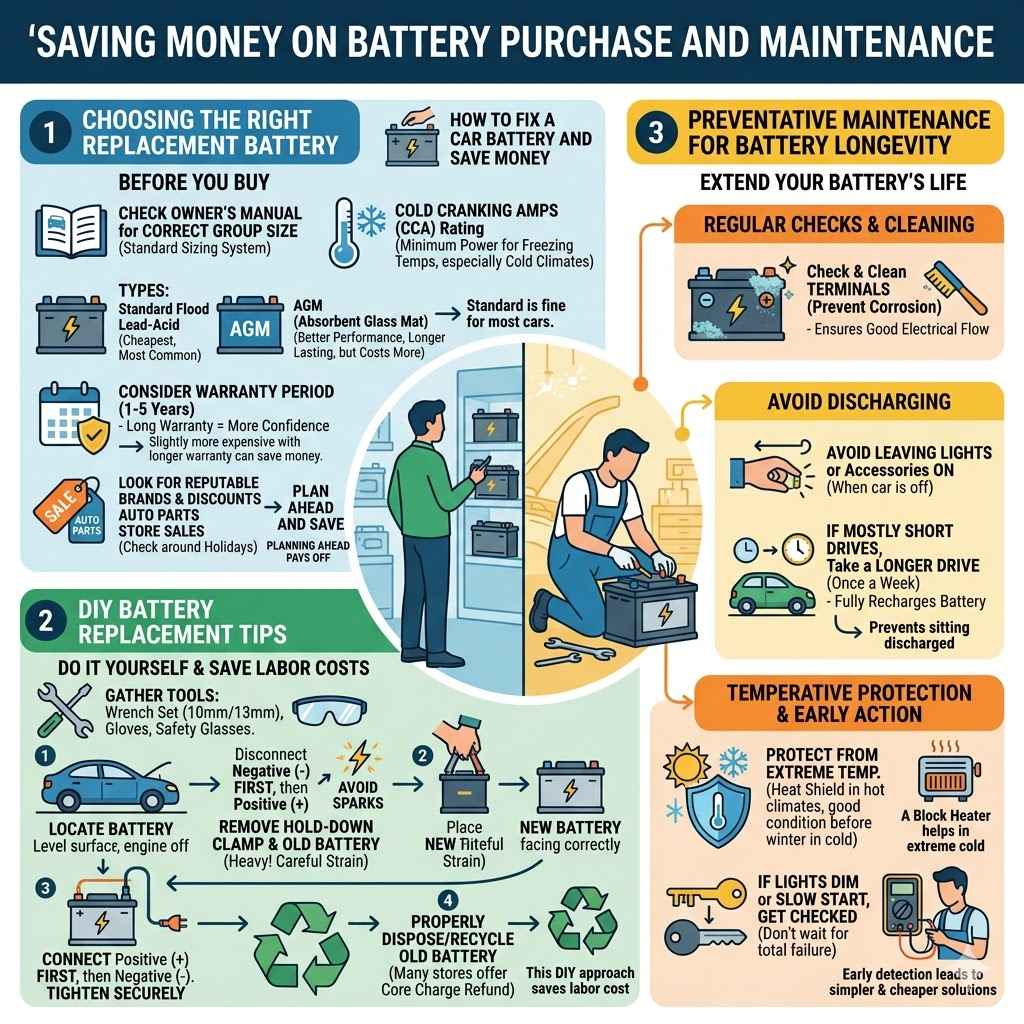
When buying a new battery, you need one that fits your car and meets its power needs. Your car’s owner’s manual will tell you the correct Group Size for the battery. This is a standard sizing system that ensures the battery will fit physically in your car’s battery tray.
You also need to consider the Cold Cranking Amps (CCA). This rating tells you how much power the battery can deliver in freezing temperatures. Cars in colder climates need batteries with higher CCA ratings.
Your car’s manufacturer will recommend a minimum CCA rating.
There are also different types of batteries. Standard flooded lead-acid batteries are the most common and usually the cheapest. AGM (Absorbent Glass Mat) batteries are more advanced, offer better performance, and last longer, but they cost more.
For most cars, a standard battery is perfectly fine.
Look at the warranty. Most batteries come with a warranty, often covering 1 to 5 years. A longer warranty means the manufacturer has confidence in the battery’s durability.
Consider the warranty period when comparing prices. A slightly more expensive battery with a longer warranty might save you money in the long run.
Buying from reputable brands and looking for sales or discounts can also help. Many auto parts stores have frequent sales on batteries, especially around holidays. This is where planning ahead can really pay off and contribute to How to Fix a Car Battery and Save Money.
DIY Battery Replacement Tips
Replacing a car battery yourself is a straightforward process. First, gather your tools: a wrench set (usually 10mm or 13mm), gloves, and safety glasses. Make sure your car is parked on a level surface and the engine is off.
Locate the battery. It’s usually under the hood, but some cars have it in the trunk or under a seat. Disconnect the negative (black) cable first, then the positive (red) cable.
Always disconnect the negative first to avoid sparks.
Remove the battery hold-down clamp or bracket. This secures the battery in its tray. Carefully lift the old battery out.
Batteries are heavy, so be careful not to strain yourself.
Place the new battery in the tray. Make sure it’s facing the correct way so the positive and negative terminals align with the cables. Reinstall the hold-down clamp.
Connect the positive (red) cable first, then the negative (black) cable. Tighten both securely.
Dispose of the old battery properly. Most auto parts stores accept old batteries for recycling, and some may even offer a core charge refund when you return it. This DIY approach saves you the labor cost that a mechanic would charge.
Preventative Maintenance for Battery Longevity
Good preventative maintenance can extend the life of your car battery. Regularly check your battery terminals for corrosion. Clean them as needed, as we discussed earlier.
This simple step ensures good electrical flow.
Avoid leaving lights or accessories on when the car is off. If you drive mostly short distances, consider taking your car for a longer drive once a week to ensure the battery gets fully recharged. This helps prevent the battery from sitting in a discharged state.
Protect your battery from extreme temperatures when possible. In very hot climates, consider a battery heat shield. In very cold climates, ensure your battery is in good condition before winter hits.
A block heater can also help in extreme cold.
If you notice any dimming of lights or slow starting, don’t wait for the battery to die completely. Get it checked. Early detection of problems can often lead to simpler and cheaper solutions, further contributing to your knowledge of How to Fix a Car Battery and Save Money.
Frequently Asked Questions
Question: Can I fix a completely dead car battery?
Answer: If a car battery is completely dead due to a discharged state, it can often be revived by charging it. However, if it’s dead because it’s old, has failed internal components, or is physically damaged, it will likely need to be replaced.
Question: How often should I clean my car battery terminals?
Answer: It’s a good idea to check your battery terminals for corrosion at least once a year, or whenever you notice any signs of white or blue-green buildup. If you live in an area with high humidity or extreme temperatures, you might want to check more often.
Question: Is it safe to jump-start a car with a dead battery?
Answer: Yes, jump-starting a car is generally safe if done correctly. It’s crucial to connect the jumper cables in the correct order (positive to positive, negative to a ground point on the dead car) to avoid sparks or damage to either vehicle’s electrical system.
Question: How much does it typically cost to replace a car battery?
Answer: The cost of a car battery can range from $100 to $300 or more, depending on the car make and model, and the type of battery. Professional installation can add another $20 to $50 to the cost, but doing it yourself saves this expense.
Question: What does it mean if my car battery warning light comes on?
Answer: A car battery warning light usually indicates a problem with the charging system, not necessarily the battery itself. It could mean the alternator isn’t charging the battery, or there’s an issue with the voltage regulator or wiring. You should get this checked by a mechanic promptly.
Summary
You can often fix common car battery issues like corrosion and loose connections yourself. This saves money on repair bills. Testing your battery helps you know if it’s truly failing or just needs attention.
When it’s time for a new battery, choosing the right one and replacing it yourself is a smart way to save cash. Regular maintenance keeps your battery healthy longer. These steps empower you to manage your car battery effectively and keep more money in your pocket.