How To Fix An Electric Car Seat That Won’T Move
This guide is here to help. We’ll walk through what might be going wrong. You’ll learn easy steps to check yourself.
We’ll also talk about when it’s time to call in an expert. Let’s get your car seat moving again.
An electric car seat that won’t move often stems from simple electrical issues, a loose connection, a blown fuse, or a problem with the seat’s motor or switch. Many common problems can be diagnosed and sometimes fixed with basic checks like examining the fuse box or ensuring the battery has power.
Understanding Why Your Electric Car Seat Stops Moving
Electric car seats use a system of motors, switches, and wiring to let you move them forward, backward, up, down, and sometimes even recline or adjust lumbar support. When one of these parts fails, the seat can become stuck. It’s all about the flow of electricity.
If that flow is blocked or weak, the motors won’t get the power they need to work.
Several things can cause this. The most common reasons include:
- Power Supply Issues: The seat needs power to move. If the car battery is low, or there’s a problem with the car’s electrical system, the seat might not get enough juice.
- Fuse Problems: Cars have fuses to protect electrical parts. If a fuse for the car seat blows, it cuts off power to the seat motors.
- Wiring Connections: Wires connect the switch, motor, and power source. If these wires become loose or corroded, the signal or power can’t get through.
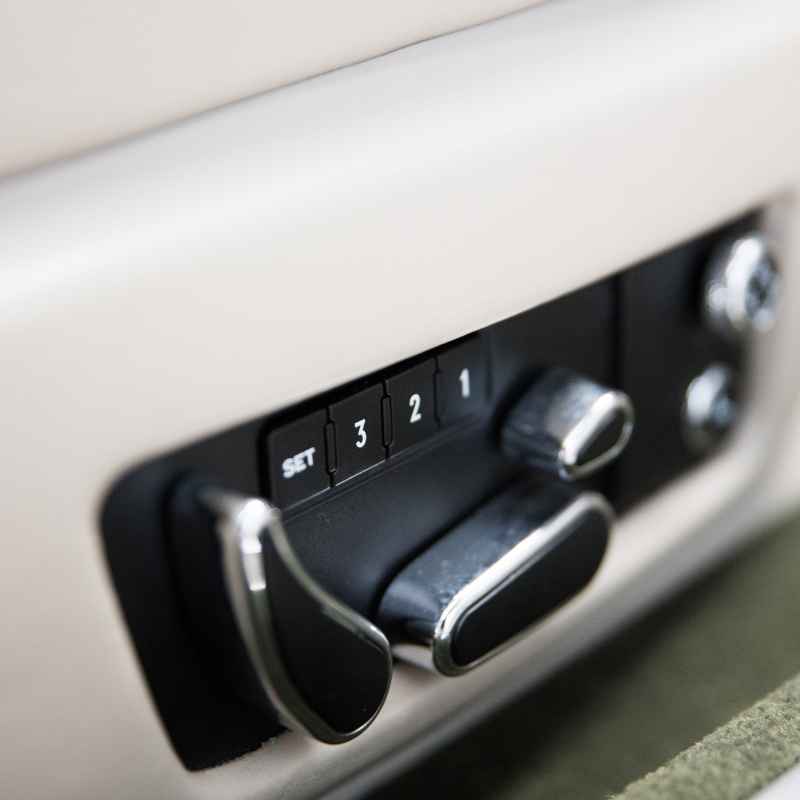
- Faulty Switch: The button or lever you use to move the seat might be broken. It can’t send the signal to the motor.
- Bad Motor: The motor itself that moves the seat can burn out or fail over time.
Most of these issues are related to the car’s electrical system. Understanding this helps pinpoint the problem.
My Own Seat Stuck Moment: A Close Call
I remember a time a few years back. I was heading out for a long drive. I hopped into my car, ready to hit the road.
I tried to slide my driver’s seat back just a touch to get more legroom. Nothing. I pressed the button again.
Still nothing. The seat was stuck in its forward position. My knees were practically hitting the dashboard!
Panic set in for a second. I’m not a car expert, but I knew I couldn’t drive like this. It was uncomfortable and felt unsafe.
I felt a bit silly, like how could a car seat just stop working? I started fiddling with all the buttons, hoping for a miracle. The car’s other electric features, like the windows, seemed fine.
That told me it wasn’t a total power failure.
I spent about twenty minutes looking around. I peeked under the seat. I saw a bunch of wires, but nothing looked obviously disconnected.
It was a hot day, and sweat was starting to bead on my forehead. I was annoyed and worried. I finally gave up and decided I’d have to take it to the shop.
But before I did, I decided to do one last quick search online.
Infographic Style: Common Car Seat Problems and What They Mean
Quick Scan: Why Your Power Seat Might Be Stuck
| Symptom | Likely Cause | What to Check First |
|---|---|---|
| Seat moves slightly, then stops. | Low power or motor strain. | Car battery, check for obstructions. |
| No response from any seat function. | Fuse blown or main power issue. | Fuse box, car battery. |
| One function works, others don’t (e.g., forward/back works, but up/down doesn’t). | Specific motor or switch issue. | Seat switch, specific motor connection. |
| Seat makes a clicking or grinding noise but doesn’t move. | Motor trying to work, but something is blocking it or gears are stripped. | Obstructions under the seat, check for damage. |
Troubleshooting Steps for a Stuck Electric Car Seat
Let’s get down to business. You can do a few simple checks yourself before you even think about calling a mechanic. These steps focus on the most common problems.
Check the Basics: Power and Obstructions
First things first. Is your car actually getting power? Most electric car seats draw power from the car’s main battery.
If your car battery is dead or very low, nothing electrical will work right. Try starting your car. If it struggles or doesn’t start, your battery is likely the issue.
Next, look for anything blocking the seat’s movement. Small items like coins, pens, or debris can fall under the seat. They can jam the tracks or gears.
This is super common. Carefully inspect the rails on both sides of the seat. You might need a flashlight.
Gently try to move the seat manually, if possible, to see if it catches on anything.
Locate and Inspect the Fuse
This is a big one. Fuses are like tiny safety valves for your car’s electrical system. If a motor tries to draw too much power, the fuse will blow to protect it.
Each car model has a fuse box, often located under the dashboard on the driver’s side or in the engine bay. Consult your car’s owner’s manual to find it and to identify the specific fuse for the power seats.
Once you find the fuse, pull it out gently. Look at the metal wire inside. If it’s broken or looks burnt, the fuse is blown.
You’ll need to
Split Insight: Fuse Replacement Tips
Label: Your owner’s manual will show a diagram of the fuse box. It will label each fuse. This is key!
Amperage: Never use a fuse with a higher amperage rating. This can cause damage or a fire.
Replacement: Use a fuse puller tool if you have one. It makes it easier. If not, small pliers can work, but be gentle.
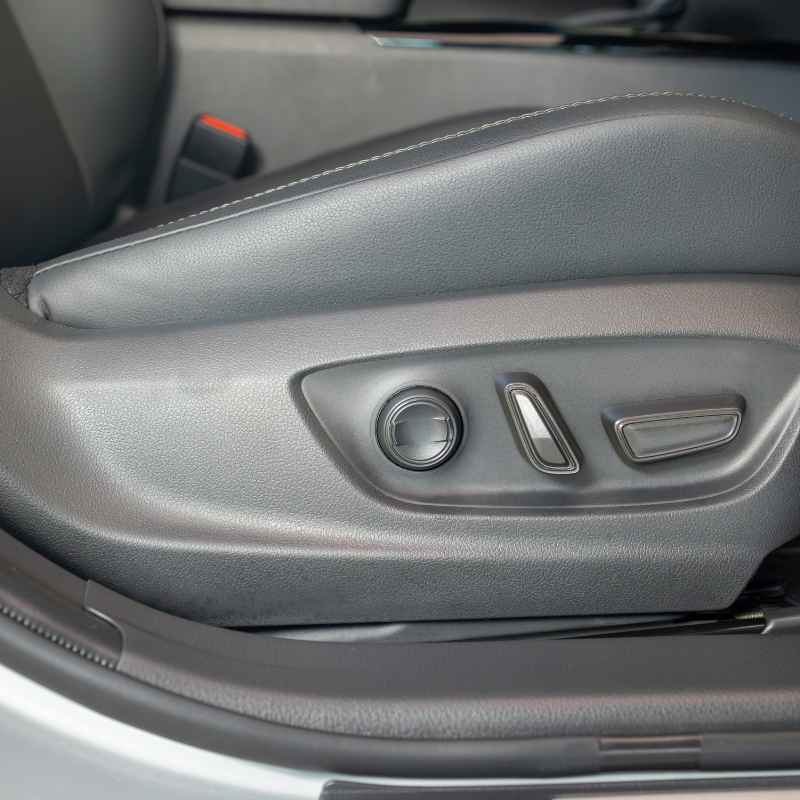
Examine the Seat Switch and Controls
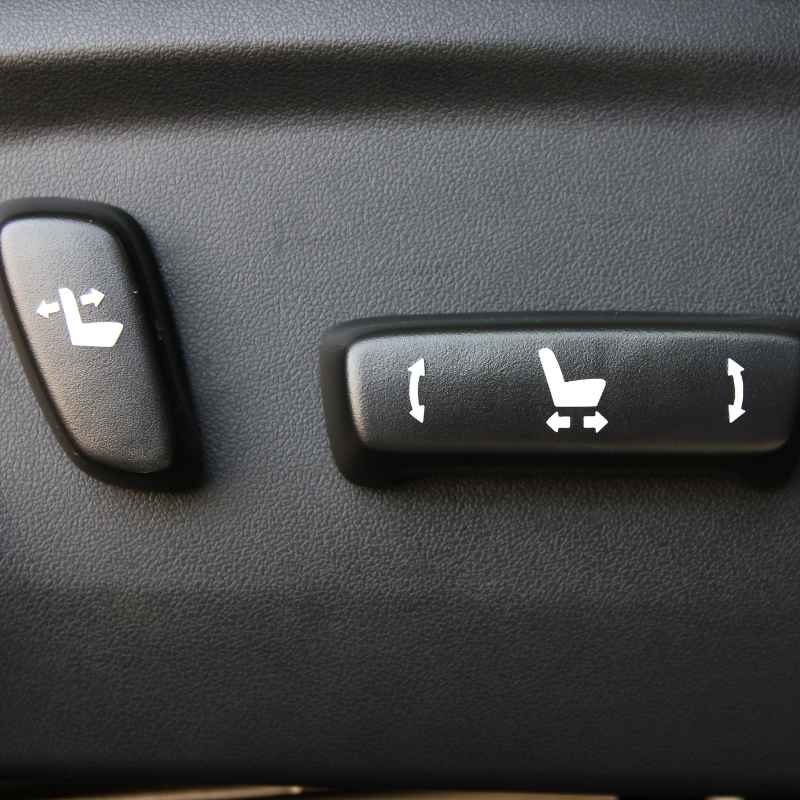
The switch you press to move the seat can also go bad. Sometimes they get dirty inside. Other times, the electrical contacts wear out.
Try pressing the switch firmly and in different ways. Does it feel loose or sticky?
To check the switch itself, you might need to remove the plastic trim around it. Again, your owner’s manual can show you how. Once exposed, look for any obvious damage or loose wires connected to the back of the switch.
If you’re comfortable with it, you could try gently wiggling the wires to see if that restores connection.
Inspect the Wiring Under the Seat
This is where things can get a bit more involved. Most of the wiring for power seats runs underneath the seat itself. These wires connect the switch to the motors.
Over time, these wires can get pinched, cut, or pulled loose, especially if the seat moves a lot or something gets caught.
With the car battery disconnected (this is important for safety!), carefully look at all the wires and connectors. Are any wires frayed or broken? Are any connectors pulled out of their sockets?
Gently tug on any connectors you see to ensure they are secure. If you see a damaged wire, this might be the problem, but repairing it often requires specific tools and knowledge.
Contrast Matrix: Normal vs. Concerning Signs
Normal Signs:
- Seat moves smoothly and responds to all controls.
- Small clicks as motors engage.
- Occasional need to wiggle switch for full range.
Concerning Signs:
- No movement at all, no sounds.
- Clicking, grinding, or buzzing noises without movement.
- Seat moves only in one direction or one axis.
- Burning smell from under the seat.
- Loose wires or damaged connectors.
When to Call the Professionals
Sometimes, the problem is beyond a simple fix. If you’ve checked the fuse, looked for obstructions, and can’t find any obvious loose wires or a faulty switch, it’s probably time to call a professional. This is especially true if your car has complex seat features like memory settings or heated seats, which have more intricate electronics.
Mechanics have specialized tools and diagnostic equipment. They can test the motors directly. They can trace the electrical signals through the system.
They can also access parts diagrams and technical service bulletins specific to your car model. This helps them find and fix the issue accurately.
Don’t hesitate to seek help. Trying to fix complex electrical issues without the right knowledge can sometimes make the problem worse. It could even be a safety hazard.
A qualified mechanic will ensure the repair is done correctly and safely.
Real-World Context: Why Car Seats Break Down
Car seats are used every single day. They take a lot of wear and tear. Think about how many times you adjust your seat in a week.
Or how many different people might drive your car and adjust the seat.
Usage Habits: If people slam the buttons or force the seat when it’s stuck, they can damage the motors or switches. Quick adjustments or rough handling add stress to the system. Some drivers might even have pets that chew on wires under the seat.
Design and Materials: Car manufacturers aim for durability, but components can still fail. Motors can wear out after thousands of cycles. Wires can become brittle over time due to heat and vibration in the car.
The plastic trim around switches can crack.
Environment: Extreme temperatures can affect electrical components. In very hot climates, wires can become more fragile. In very humid areas, corrosion can be a bigger issue on electrical connections.
Moisture getting under the seat can also cause problems.
Stacked Micro-Sections: What Causes Motor Failure?
Wear and Tear: Like any mechanical part, motors have a lifespan. Frequent use eventually wears them out.
Overheating: If a motor is overworked or blocked, it can overheat and burn out.
Electrical Surges: Power fluctuations in the car’s electrical system can damage sensitive motor components.
Impact: A hard jolt or accident can sometimes damage the delicate internal workings of the motor.
What This Means For Your Car Seat Situation
So, what’s the takeaway from all this? It means you have a few options.
When It’s Normal: It’s normal for car seats to occasionally need a little jiggle. Sometimes a wire connection might be slightly loose and can be nudged back into place. A blown fuse is also a fairly common and fixable issue.
These are often simple fixes.
When to Worry: You should worry if you’ve done all the basic checks and the seat still won’t move. If you notice any burning smells, hear loud grinding noises, or see visible damage to wires or the motor, it’s time to stop tinkering and get professional help.
Simple Checks You Can Do:
- Make sure the car is on and has power.
- Check for obvious obstructions under the seat.
- Locate and check the power seat fuse in your car’s fuse box.
- Gently test the seat switch for any looseness or damage.
These quick checks can save you a trip to the mechanic if the problem is simple. But always prioritize safety. If you’re unsure about any step, it’s better to ask for help.
Quick Tips to Get Your Electric Car Seat Moving Again
If you’re a bit handy and want to try a few more things, here are some tips. Remember to always disconnect the car battery before working on electrical components to avoid shocks or short circuits.
- Clean the Switch Contacts: If you can access the back of the switch, you might be able to clean the metal contacts with an electrical contact cleaner. Make sure it dries completely before reconnecting.
- Check Motor Connections: If you can see the motors under the seat, check that their electrical connectors are firmly plugged in. Sometimes they can vibrate loose.
- Test Individual Motors: If you have a multimeter, you can test if power is reaching individual motors. This requires knowing which wires carry power and ground for each motor. This is more advanced and requires some knowledge of car wiring.
- Listen for Motor Sounds: When you press a button, try to listen closely under the seat. Do you hear any humming, clicking, or grinding? This sound can tell you if the motor is getting power but can’t move, or if it’s not getting power at all.
Remember, these are just suggestions. If you’re not comfortable, it’s always best to leave it to the pros.
Frequently Asked Questions About Stuck Car Seats
Why is my electric car seat stuck and won’t move at all?
If your electric car seat is completely stuck and won’t move in any direction, the most common reasons are a blown fuse, a loss of power to the seat system, or a faulty main switch that controls all functions. You should start by checking the fuse box and ensuring your car battery has enough charge.
My power seat makes a grinding noise but doesn’t move. What’s wrong?
A grinding noise usually means the motor is trying to work, but something is preventing it. This could be an obstruction jammed in the seat’s tracks or gears. It’s also possible the gears inside the motor are stripped or damaged.
Check for anything blocking the seat’s path first.
Can a loose wire cause my car seat to stop working?
Yes, absolutely. Loose or damaged wiring is a very common cause for power seat problems. Wires connect the battery, switches, and motors.
If a connection is loose or broken, the electrical signal or power cannot reach the motor, preventing movement. Inspecting the wiring harness under the seat is a key troubleshooting step.
How do I find the fuse for my electric car seat?
You can find the fuse for your electric car seat by consulting your car’s owner’s manual. It will have a diagram showing the location of the fuse box (often under the dashboard) and a chart that identifies which fuse controls which component, including the power seats.
Is it safe to try and fix a stuck power car seat myself?
Simple checks like looking for obstructions or replacing a fuse are generally safe for most people. However, if the issue involves diagnosing electrical problems, testing motors, or repairing wiring, it’s best to consult a qualified mechanic. Working with car electronics can be dangerous if you don’t have the right knowledge and tools.
My car seat only moves in one direction. What could be the problem?
If only one specific function of your power seat works (e.g., it moves forward but not backward, or up but not down), this often points to a problem with the specific motor responsible for that movement or the part of the switch that controls it. It suggests the main power supply and other functions might be okay.
Final Thoughts on Getting Your Seat Moving
Dealing with a stuck car seat can be a real pain. But by following these steps, you can often figure out what’s going on. Many issues are simple fixes like a blown fuse or an object stuck under the seat.
Remember to always be safe. If you’re ever unsure, it’s better to call a professional. Getting your car seat back in working order will make your driving much more comfortable and safe.
Products related to this article
Sponsored / affiliate links. As an Amazon Associate I earn from qualifying purchases. I may earn additional commission from eligible campaigns.