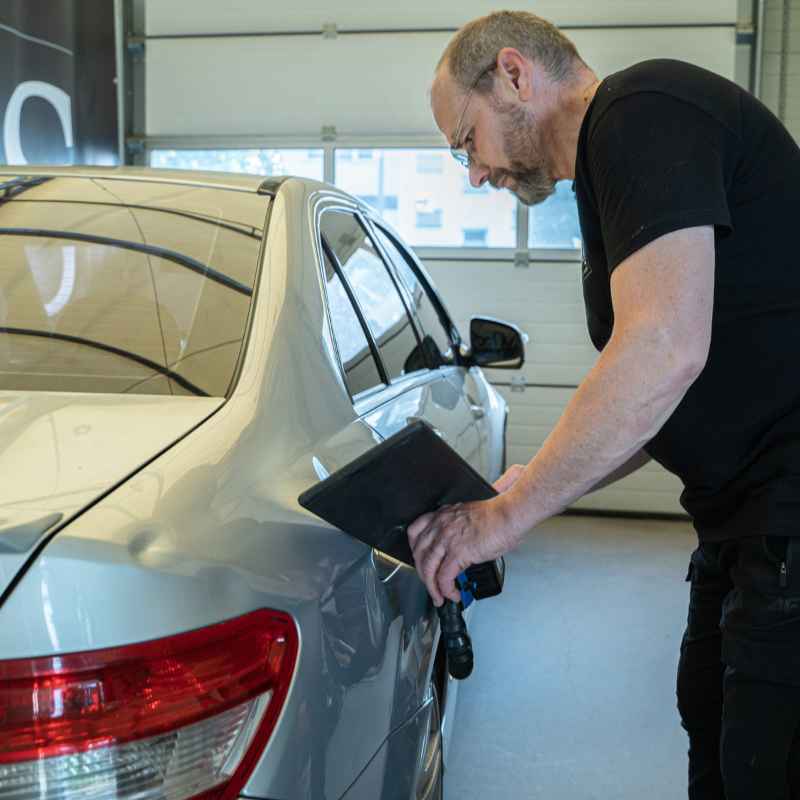
Can Hot Water Really Fix A Body Dent On Your Car? Try This
You see it. That little dent on your car door. Maybe a rogue shopping cart or a careless cyclist.
It stings, right? You want it gone. Fast.
And maybe cheap. Lots of folks online say hot water can work wonders. It sounds too easy.
Does it actually work? We’re going to dive deep into this car dent mystery. We’ll see if warm water is your new best friend for car repair.
Or if it’s just a myth that leaves you with a wet car. Let’s find out together.
Hot water can sometimes help pop out minor, shallow dents on flexible plastic bumpers or thin metal panels. The heat expands the material, and the quick cooling can cause it to contract, potentially pulling the dent back into place. It’s a low-cost trick for very specific types of damage, but it won’t fix creases or deep impacts.
Understanding How a Car Dent Happens
A car dent is simply a pushed-in area on your car’s body. It happens when something hits your car. This impact makes the metal or plastic bend inward.
The force can be from a light bump. Or it can be from a strong crash. Most dents are small.
Some are larger. They can change the smooth lines of your car. This makes it look less than perfect.
We all want our cars to look good. Dents get in the way of that.
Think about your car’s body. It’s usually made of metal. Steel or aluminum are common.
Some cars use plastic. Bumpers are often plastic. These materials can bend.
But they also have a memory. They like to stay in their original shape. When you push them in, they resist.
But enough force will make them change. This change is what we call a dent. The shape of the dent matters.
Is it a gentle curve? Or a sharp crease?
The location of the dent is also key. Is it on a flat panel? Or is it near a body line?
Body lines are those raised or sunken lines on your car. They give it shape. Dents on body lines are harder to fix.
They pull the metal in weird ways. This makes it tricky to push back out. Even with heat.
Or pressure. Understanding this helps us know what might work best.
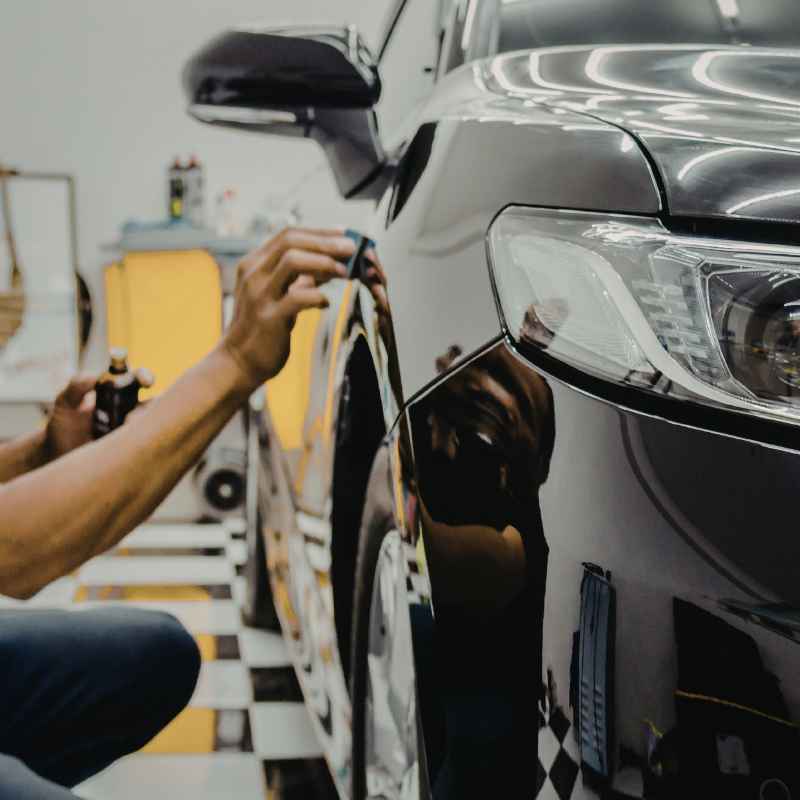
The Hot Water Trick: What’s the Idea?
The idea behind using hot water is simple science. You’re using heat to make the material of your car’s body expand. Then, you rapidly cool it down.
This rapid change can sometimes make the dent pop back out. It’s like a surprise. The material expands, then shrinks fast.
This shock can make it return to its old shape. Think of it like a balloon. You warm it up.
It gets a bit bigger. Then you cool it fast. It might change shape a bit.
This trick works best on flexible materials. Plastic bumpers are a great example. They are designed to flex.
They can absorb impacts. Metal panels, especially thinner ones, can also respond. This works on shallow dents.
Dents that are more of a curve. Not sharp folds. The heat makes the plastic or metal softer.
It becomes more willing to change. It loses some of its stiffness for a moment. This is your window.
Then comes the cold. Often, people use cold water. Or even an ice pack.
This sudden cooling causes the material to contract. It pulls back. This pulling action is what might snap the dent back into place.
It’s a quick temperature change. This change plays on the material’s properties. It’s a DIY fix.
It doesn’t cost much. But it has limits. That’s important to remember.
My Own Close Call with a Tiny Dent
I remember one sunny Saturday. I was washing my car. It’s my weekend ritual.
I love keeping it clean. As I was drying the rear passenger door, I saw it. A small, but noticeable, ding.
It was right on a flat part of the panel. My heart sank a little. I hadn’t hit anything.
I couldn’t imagine how it got there. Maybe a rogue baseball from a park nearby? Or a runaway skateboard?
It wasn’t a sharp crease. It was more of a soft inward curve. About the size of a quarter.
I got online. I started searching for quick fixes. That’s when I stumbled upon the hot water method.
It seemed too good to be true. My mind raced with questions. Could this really work?
Was I going to make it worse? The thought of taking it to a shop felt like a hassle. And expensive.
I decided to give the hot water a try. I grabbed my biggest kettle. I filled it with water.
I heated it up. I carefully poured the hot water over the dented area. It was hot, but not boiling.
I let it sit for a minute. The metal felt warm. Then, I ran cold water from the hose over the same spot.
I held my breath.
And you know what? It actually worked. The dent popped out.
It wasn’t perfect. You could still see a slight imperfection if you looked closely. But for a quick, free fix, I was amazed.
It was a small win. It showed me that sometimes, simple methods can surprise you. That little dent taught me a lot about how car materials react.
What Kind of Dents Can Hot Water Actually Fix?
Let’s be super clear here. Hot water isn’t a magic wand. It won’t fix every dent.
It’s best for shallow, rounded dents. These are often called “push dents.” They haven’t creased the metal. They haven’t torn the paint.
Plastic bumpers are ideal candidates. They are more flexible. A minor scuff that pushed the bumper in slightly?
Hot water might help. Think of a dent that looks like someone gently pressed their thumb into the car.
The metal needs to be relatively thin and flat for this to work. Cars with flexible body panels are more likely to see results. Older cars with softer steel might respond better than newer cars with high-strength alloys.
It also depends on the size. Small dents, maybe the size of a golf ball or smaller, have a better chance. Bigger dents need more force.
Or a different approach.
If the paint is cracked or chipped, forget about it. Heat can actually make paint damage worse. It might bubble or peel more.
This method is strictly for dents where the paint is intact. Also, if the dent has sharp edges or a crease, the hot water won’t flatten it out. Those require more specialized tools and techniques.
Think of it as a “gentle nudge” fix, not a “major repair” solution. It’s for the minor inconveniences.
Hot Water Dent Fix: Best Case Scenarios
Type of Dent: Shallow, rounded, no creases.
Material: Flexible plastic bumpers, thin metal panels.
Paint Condition: Fully intact, no cracks or chips.
Size: Small to medium (e.g., quarter-sized to golf-ball-sized).
Location: Flat, unobstructed areas of the car body.
Why Some Dents Just Won’t Budge
Some dents are just stubborn. They refuse to move, no matter how much hot water you pour on them. This usually happens for a few key reasons.
First, the depth of the dent. If the metal is pushed in very far, the material is stretched. It has lost its original shape more severely.
Just heating and cooling won’t have enough power to pull that much stretched metal back. It needs a stronger force.
Sharp creases are another big problem. When metal bends sharply, it creates folds. These folds are hard to undo with simple heat.
It’s like trying to un-wrinkle a folded piece of paper by just warming it up. The fold itself is a structural change. You need to physically un-fold it.
This requires tools that can get behind the metal or carefully pull the surface.
The thickness and type of metal matter a lot. Modern cars often use high-strength steel. This metal is very strong.
It’s designed to be safe in accidents. But it’s also less flexible. It resists bending.
And it resists bending back. So, a dent on a thick steel panel might just stay put. Even with the heat treatment.
It simply doesn’t have the give needed.
Paint damage is also a deal-breaker. If the paint is broken, the hot water can actually make things worse. It can seep into the cracks.
It can lift the paint. It might even cause more layers to peel. This turns a dent repair into a paint repair.
Which is a whole different, more costly job. So, if the paint looks compromised, put the kettle down.
When Hot Water Isn’t the Answer
Dent Type: Sharp creases, deep dents, stretched metal.
Material: Thick metal panels, high-strength steel.
Paint Condition: Cracked, chipped, scratched, or peeling paint.
Location: Dents on body lines, edges, or reinforced areas.
Force Required: Dents that need significant pulling or pushing force.
The Science Behind the Pop: Thermal Expansion and Contraction
Let’s get a little nerdy for a second. It’s all about how materials change with temperature. When you heat up metal or plastic, its molecules start to move faster.
They spread out a bit. This makes the material expand. It gets slightly larger.
For a car panel, this means the dented area might push outwards a tiny bit as it warms up. The whole panel might expand a little.
Then, you cool it down quickly. Imagine pouring cold water or using an ice pack. The molecules slow down.
They get closer together. This makes the material contract. It shrinks.
If the dented area shrinks faster or differently than the surrounding metal, it can create enough tension. This tension can overcome the forces holding the dent in place. It’s like a sudden tug-of-war.
The material tries to return to its original size and shape.
This rapid change is key. A slow cooling process won’t create the same effect. You need that quick temperature drop.
It’s the shock that can make the dent pop. It’s important to use water that is hot, but not scalding. You don’t want to damage the paint.
And you need to cool it down effectively. Ice packs work well for this rapid cooling phase. Think of it as a thermal shock treatment.
This works best on materials that conduct heat well. Metal is excellent at this. Plastic is good too.
But some plastics might react differently. It’s a balance. You’re using physics to your advantage.
You’re making the car’s own material work for you. Without needing fancy tools. It’s a neat trick of science.
Applied to a common car problem.
How to Actually Try the Hot Water Method Safely
Ready to give it a shot? Here’s a safe way to try. First, assess the dent.
Is it the right kind? Shallow, intact paint, flexible material? If yes, gather your supplies.
You’ll need hot water. A kettle or a pot works. You’ll also need cold water.
A hose or a bucket with ice. And a soft cloth or towel. A pair of gloves might be good too.
For handling the hot water.
Start by cleaning the dented area. Make sure it’s free of dirt and debris. This stops any grit from scratching the paint.
Now, carefully pour the hot water over the dent. Don’t dump it all at once. Pour it slowly and evenly.
Let it soak in for about 30-60 seconds. You want the material to warm up nicely. Feel it gently with your gloved hand.
It should be warm, not burning hot.
Next, it’s time for the cold. Grab your cold water or ice pack. Apply it to the dented area.
You can pour the cold water. Or hold the ice pack there for a minute or two. This rapid cooling is crucial.
You’re looking for a “pop.” Sometimes you’ll hear it. Or you might see the dent visibly move.
After the cold treatment, dry the area with your cloth. Inspect the dent. Did it pop out?
Even partially? If it’s better, great! If not, you can try it again.
Maybe a couple more times. But don’t overdo it. If it’s not working after 2-3 tries, it’s probably not going to work for that particular dent.
You don’t want to risk damaging the paint with excessive heat or cold.
Quick Steps for Hot Water Dent Repair
- Assess the Dent: Ensure it’s shallow, paint is intact, material is flexible.
- Clean the Area: Remove dirt and debris to prevent scratches.
- Apply Hot Water: Slowly pour hot (not boiling) water over the dent for 30-60 seconds.
- Apply Cold: Immediately follow with cold water or an ice pack for 1-2 minutes.
- Check Results: Dry the area and inspect for improvement.
- Repeat (If Needed): Try 2-3 times if you see minor progress.
- Stop if No Change: If no improvement, the dent likely needs a different method.
Beyond Hot Water: Other DIY Dent Fixes
If hot water doesn’t cut it, don’t despair. There are other simple DIY methods you can try. Some are surprisingly effective for specific dents.
One popular method uses a hairdryer and compressed air. You heat the dented area with the hairdryer. Like you did with hot water.
Then, you spray compressed air upside down onto the dent. This blast of cold air can cause rapid contraction.
Another common DIY tool is a plunger. Yes, like a toilet plunger. But use a clean one!
A cup-style plunger works best. You wet the rim of the plunger. You press it firmly over the dent.
Make sure you get a good seal. Then, you pull it out sharply. The suction can sometimes pull out shallow dents.
This is more effective on larger, flatter areas.
There are also dent puller kits you can buy online. These often involve suction cups. You attach the cup to the dent.
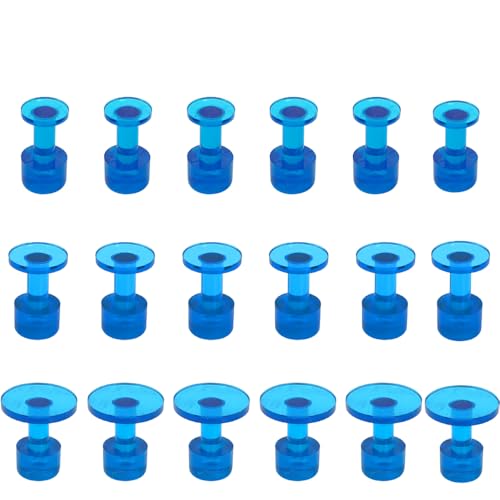
Then you use a lever or handle to pull the dent outwards. Some kits use hot glue. You glue a tab to the dent.
Then use a special puller tool. These kits require a bit more care. You can accidentally pull paint if you’re not careful.
But they offer more pulling power than just hot water.
For very minor dents, some people swear by using a block of dry ice. The extreme cold can cause the metal to contract. You have to be very careful with dry ice.
Always wear thick gloves. And work in a well-ventilated area. You apply the dry ice directly to the dent.
The rapid cooling can cause the metal to shrink. Sometimes popping the dent out.
DIY Dent Repair Options
- Hair Dryer & Compressed Air: Heat with hairdryer, then blast with cold compressed air.
- Plunger Method: Use a clean cup plunger to create suction and pull out the dent.
- Suction Cup Dent Pullers: Kits that attach a cup to pull dents with leverage.
- Hot Glue Dent Pullers: Glue tabs to the dent, then use a tool to pull them.
- Dry Ice (Use with Caution): Extreme cold can cause metal contraction. Requires safety gear.
When to Call a Professional for Car Dent Repair
Sometimes, the DIY route just isn’t enough. Or you’re worried about making it worse. That’s when it’s time to call in the pros.
Professional dent repair specialists have the tools and skills. They can handle dents that DIY methods can’t. This includes sharp creases.
Deep dents. Or dents on tricky locations like body lines. Or car pillars.
Paintless Dent Repair (PDR) is a common technique. Technicians use special tools. They carefully massage the metal from behind the panel.
Or they use glue-pulling techniques from the outside. The goal is to restore the metal’s shape. Without damaging the paint.
This is often the best option. It preserves your original paint. And it’s usually faster and cheaper than traditional body shop work.
If the paint is damaged, you’ll likely need a body shop. They can repair the metal. Then they can repaint the area.
This is a more involved process. But it ensures a seamless finish. Professionals can also assess the structural integrity of the panel.
Some impacts might cause hidden damage. They can identify and fix that too.
Don’t hesitate to get a quote. Most PDR specialists offer free estimates. You can show them a picture of the dent.
Or bring your car in. They’ll tell you what they can do. And what it will cost.
It might be more than hot water. But it’s often worth it for a clean, professional fix. Especially if the dent is large or complex.
Signs You Need a Professional Dent Repair
Complex Dents: Sharp creases, deep dents, stretched metal.
Location Issues: Dents on body lines, pillars, edges, or reinforced areas.
Paint Damage: Cracked, chipped, or significantly scratched paint.
Multiple Dents: Several dents or widespread damage.
Hesitation: If you’re unsure or worried about causing more damage.
Desire for Perfection: If you want a flawless finish.
The Final Verdict: Does Hot Water Work for Car Dents?
So, the big question. Can hot water really fix a body dent on your car? The answer is: sometimes.
It’s not a universal fix. It’s a clever trick for a very specific type of damage. Think of it as a first-aid for minor dents.
It can work on shallow, flexible dents on plastic bumpers. Or thin metal panels. Where the paint is perfectly intact.
It relies on thermal expansion and rapid contraction. The heat softens the material. The cold shock makes it snap back.
My own experience showed it can work. That small ding on my car door vanished. But I also know its limits.
A sharp crease won’t disappear. A deep dent will remain. And a damaged paint job is a no-go zone for this method.
If you have a minor dent that fits the criteria, it’s definitely worth a try. It’s cheap. It’s easy.
And it might just save you a trip to the repair shop. Just be smart about it. Don’t use boiling water.
Don’t keep pouring hot water repeatedly if it’s not working. Listen to your car. And know when to stop.
For anything more serious, or if you’re unsure, professional help is the way to go. Paintless Dent Repair specialists are amazing. They can often fix dents you thought were permanent.
But for that quick, minor fix? Hot water might just be your surprisingly effective friend. Give it a gentle try.
You might be pleasantly surprised.
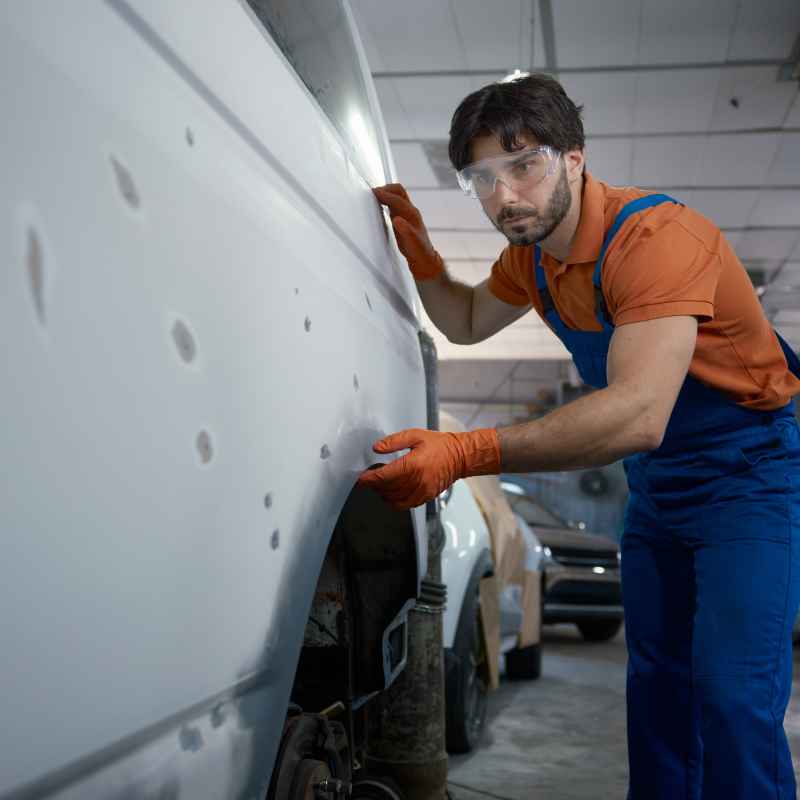
Frequently Asked Questions About Fixing Car Dents with Hot Water
Can I use boiling water to fix a car dent?
No, it’s not recommended to use boiling water. Boiling water can be too hot. It might damage your car’s paint.
It could cause the paint to bubble, peel, or crack. Use hot water that is warm to the touch, not scalding. Your car’s paint can be sensitive to extreme heat.
Will hot water fix dents on aluminum car panels?
Aluminum panels can sometimes respond to the hot water method. Especially if they are thin and the dent is shallow and rounded. Aluminum is more prone to creasing than steel.
So, this trick works best if the dent has not created a sharp fold. Always check the paint condition first.
How many times can I try the hot water method on a dent?
You can usually try the hot water method 2 to 3 times on a single dent. If you don’t see improvement after a few attempts, it’s unlikely to work. Trying too many times might risk over-heating the paint.
Or over-cooling the metal. If it’s not working, it’s time to consider other options.
What if the dent has a small scratch but no cracks in the paint?
If there’s a very minor scratch that hasn’t broken the paint layer, you might still be able to try the hot water method. However, be extra careful. The scratch is a weak point.
Heat could potentially make the scratch worse. Or cause the paint to chip around it. It’s riskier.
Consider professional advice if you’re unsure.
Can hot water fix dents on car doors or fenders?
Yes, it can. Car doors and fenders are often made of metal panels that can be susceptible to dents. The success depends on the depth and sharpness of the dent.
If it’s a shallow, rounded dent on a relatively flat part of the door or fender, hot water has a good chance of helping. Avoid trying on heavily creased areas.
Should I use soap with the hot water when fixing a dent?
Adding soap to the hot water is generally not necessary for the dent repair itself. It won’t add any benefit to the thermal expansion process. If you are cleaning the car first, you would use soap then.
But for the application of hot water to fix the dent, plain hot water is sufficient and best.
Conclusion
The hot water dent fix is a popular DIY trick. It can work wonders on shallow, minor dents. Especially on plastic bumpers or thin metal.
It uses basic science to help your car pop back into shape. While it’s not a miracle cure for all dents, it’s a great first step. It’s cheap, easy, and often effective.
For those frustrating little dings, give it a gentle try.
Products related to this article
Sponsored / affiliate links. As an Amazon Associate I earn from qualifying purchases. I may earn additional commission from eligible campaigns.