How to Fix Coolant Leak in Car: Easy DIY Solutions
Imagine you’re cruising down the highway, enjoying the smooth ride, when suddenly, the temperature gauge starts creeping into the danger zone. Your heart sinks as you realize there might be a coolant leak in your car.
This isn’t just a minor inconvenience; it’s a potential hazard that can lead to engine damage if left unchecked. But don’t worry—you’re not alone in facing this issue. In this guide, you’ll discover simple, effective steps to identify and fix a coolant leak in your car.
With clear instructions and practical advice, you’ll gain the confidence to tackle this problem head-on, ensuring your vehicle runs safely and efficiently. So, whether you’re dealing with a small drip or a significant leak, this article is your go-to resource for keeping your car cool and reliable. Stay with us, and learn how to safeguard your engine, save money, and prevent future headaches.
Identifying Coolant Leak
Coolant leaks can cause big trouble for cars. Low coolant levels often mean a leak. Drivers might spot puddles of green or orange fluid under the car. Engine overheating is another sign. Steam from the hood could also mean a leak. Dashboard warning lights might turn on too. It’s important to check for these signs early. Early checks help avoid damage to the engine.
Coolant leaks can happen in different places. Radiator is a common location. Hoses that carry coolant might crack. Water pump can also leak if worn out. Heater core inside the car is another spot. Sometimes, cylinder head gasket might leak. It’s wise to inspect these areas often. Regular checks prevent bigger problems later.
Preparing For Repair
Always start by ensuring the car is turned off. Let the engine cool down. Hot engines can be very dangerous. Wear glovesto protect your hands. Safety goggles are important too. They protect your eyes from splashes. Work in a well-ventilated area. This keeps harmful fumes away. Keep a fire extinguishernearby. It’s better to be safe.
- Wrench
- Screwdriver
- Coolant
- Leak sealant
- Hose clamps
- Ragsfor cleaning
Temporary Fixes For Leaks
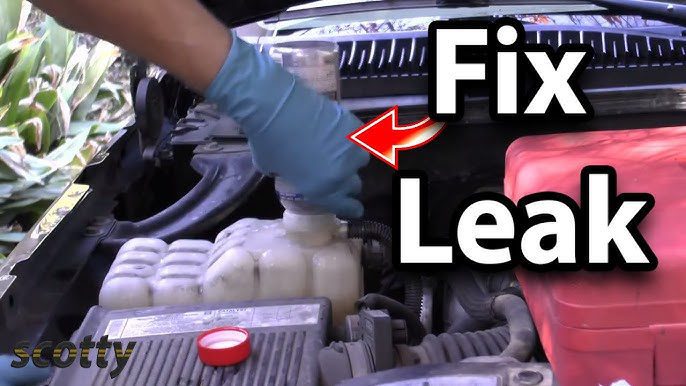
Using Commercial Sealantscan be a quick solution. These sealants are found in stores. They can block small leaks fast. Pour the sealant into the radiator. Start the car and let it run. The sealant moves through the system. It finds and seals leaks. This method is easy and works for small problems.
Applying Epoxy Patchesis another option. Epoxy is a strong glue. First, clean the leaking area. Mix the epoxy well. Spread it over the leak. Let it dry completely. This forms a strong patch. Epoxy works well for metal parts. It can hold until you get a permanent fix.

Credit: www.youtube.com
Repairing Hose Leaks
First, check if the hose is broken. Look for cracks or holes. Use a wrench to remove the hose. Place a new hose in the same spot. Make sure it’s the right size. Tighten the hose with clamps. This keeps it secure. Do not let the hose move. This will stop leaks.
Loose connections can cause leaks. Check each connection point. Use a screwdriver to tighten them. Ensure there are no gaps. A tight seal is important. It stops coolant from leaking. Inspect connections often. This keeps your car safe. Regular checks help avoid bigger problems.
Fixing Radiator Issues
A clean radiator helps your car stay cool. First, open the hood. Check for dirt or leaves blocking the radiator. Use a gentle brush to remove dirt. Make sure the radiator fins are straight. Bent fins block air. Use a hose to wash away remaining dirt. Be gentle with the water pressure. High pressure can damage the fins. Let the radiator dry before closing the hood.
Small cracks can cause leaks. Look for wet spots on the radiator. Use a flashlight for better vision. Dry the area around the crack. Apply radiator sealant to the crack. Follow the instructions on the sealant package. Let it dry completely. This helps stop the leak. If the crack is big, consider professional help. Larger issues need more than sealant.
Credit: www.highlinewarren.com
Dealing With Water Pump Leaks
Water pump gaskets can cause leaks. Check them carefully. Look for any cracks or wear. A leaking gasket means coolant is escaping. Coolant loss can cause engine problems. Use a flashlight to see better. Check around the gasket edges. Feel for moisture with your fingers. A dry gasket is good. A wet gasket is bad. If it’s wet, it might need fixing.
A faulty water pump needs replacing. First, remove the old pump. Make sure the engine is cool. Use the right tools. Unscrew the bolts carefully. Take out the old pump gently. Install the new pump. Make sure it fits right. Tighten the bolts securely. Check for leaks. Start the engine. Listen for strange noises. Everything should run smoothly. If not, check the installation again.
Post-repair Checks
After fixing a coolant leak, ensure everything is secure by checking hoses and connections. Inspect the radiator and reservoir for any new leaks or issues. Test drive the car to confirm the repair holds under pressure.
Testing Coolant System
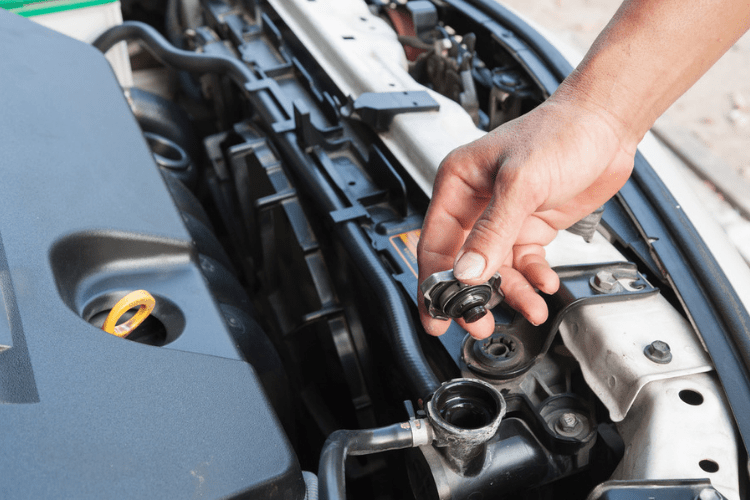
After fixing the leak, check the coolant system. Start the car and let it run. Look for any leaks under the car. Make sure the engine is cool before you touch anything. Check the coolant level in the reservoir. It should be between the “min” and “max” lines. If not, add more coolant. Use a flashlight to see better. Listen for hissing sounds which can mean a leak. Touch the hoses gently. They should be firm, not squishy. A squishy hose can mean a problem.
Monitoring For Future Leaks
Keep an eye on the coolant level each week. This helps spot leaks early. Check under the car for puddles. A small puddle can mean a slow leak. Smell for a sweet scent inside the car. This can mean a leak too. Look at the dashboard for warning lights. They tell you if something is wrong. Always carry extra coolant in the trunk. It helps if a leak happens again. These checks help keep your car safe.
Credit: www.goldeagle.com
Frequently Asked Questions
What Causes A Coolant Leak In Cars?
Coolant leaks can occur due to a damaged radiator, worn hoses, or a faulty water pump. Over time, these components may crack or degrade. Regular maintenance can help identify potential leak sources early. Always check your car’s coolant level and inspect for visible leaks.
How Can I Identify A Coolant Leak?
Look for puddles of green or orange fluid under your car. A low coolant level in the reservoir is another indicator. You might also notice the engine overheating or a sweet smell from the engine bay. Regular visual inspections can help catch leaks early.
Is It Safe To Drive With A Coolant Leak?
Driving with a coolant leak is not advisable. It can lead to engine overheating, causing severe damage. If you suspect a leak, address it immediately. Pull over if the temperature gauge rises unexpectedly. Regular maintenance can help prevent leaks and ensure safe driving.
How Much Does It Cost To Fix A Coolant Leak?
The cost varies depending on the leak’s location and severity. Minor hose repairs might cost less than $100, while radiator replacement can exceed $300. Regular maintenance and early detection can reduce repair costs. Always consult a professional mechanic for an accurate estimate.
Conclusion
Fixing a coolant leak is essential for car health. Regular checks help catch leaks early. Use the right tools for repairs. Always consult a mechanic for major issues. Ignoring leaks can damage your engine. Proper coolant management ensures smooth driving.
Keep your car manual handy for reference. Don’t forget to top up coolant levels after repair. Maintaining your car prevents costly future repairs. Stay proactive to keep your engine in good shape. Address leaks promptly for safe, efficient driving. Your car will thank you for the attention and care.