Rad Seal for Cars: Best Radiator Stop Leak Products
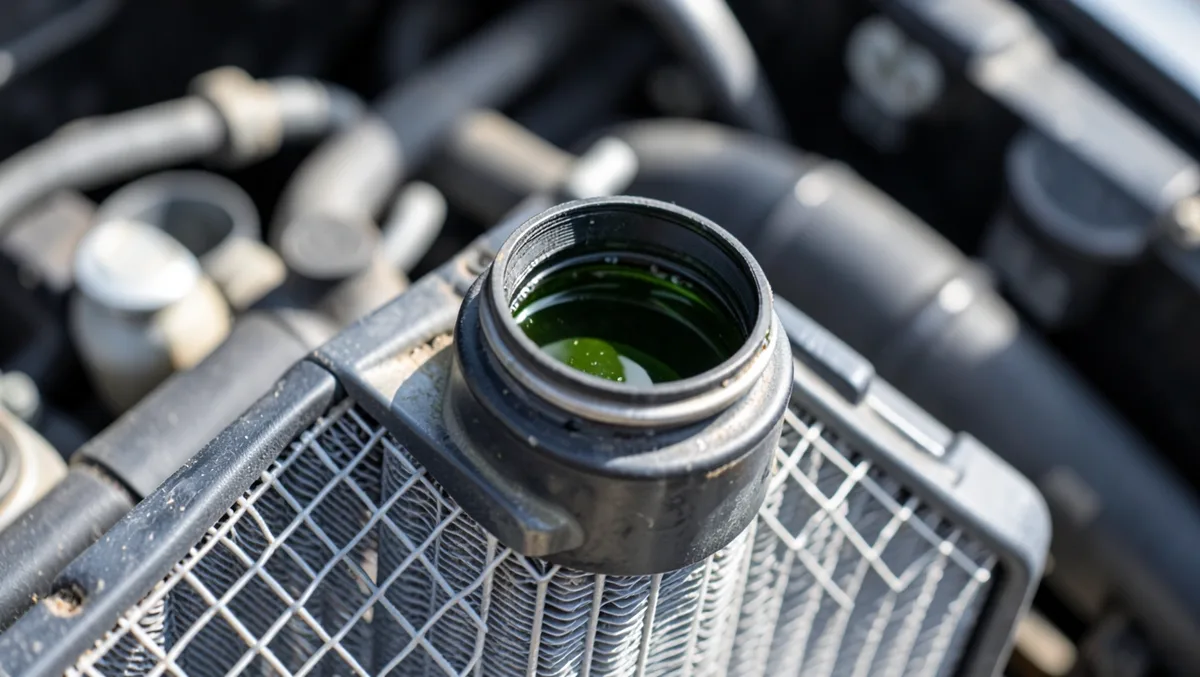
A rad seal — more accurately called a radiator stop leak — is a coolant additive that circulates through your cooling system and lodges in small cracks and pinholes to plug a leak, no draining or flushing required.
K-Seal ST5516 is the most widely recommended option because it mixes with any antifreeze and can seal a small leak in about 15 minutes of idling. These products genuinely fix a hairline radiator seam or a weeping freeze plug, but they will not repair a blown head gasket or a cracked block — for damage that size, you need a mechanic, not a bottle.
How Rad Seal Actually Works (and What It Will Not Fix)
Most bottles you will find at an auto parts store use one of two mechanisms. Liquid formulas like K-Seal suspend ceramic microfibers and tiny copper particles in the coolant; when that mixture reaches a crack or pinhole, the particles mesh together at the gap and cure into a plug as they cool. Older powdered-metallic and pelletized sealants — including the product actually named Rad Seal, made by Kleen-Flo Industries, along with classics like Bar’s Leaks — work on the same principle, using fine metal or fiber particles that get forced into the leak under system pressure and bind there.
Either type is a legitimate fix for a small radiator seam leak, a weeping freeze plug, or a hairline crack in a heater core. What it will not do is patch a leaking hose, reseal a cracked engine block, or stop a blown head gasket from pushing combustion gas into your coolant — those need physical repair. If you are not sure where the coolant is actually escaping from, it is worth diagnosing the leak first so you are not pouring sealant into a system that needs a real part replaced.
K-Seal ST5516 Heavy-Duty Multi-Purpose One Step Coolant Leak Repair
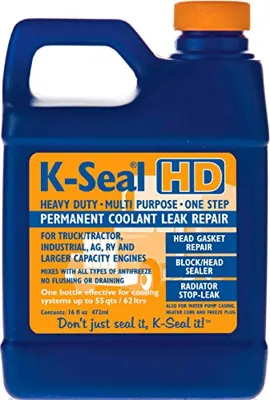
The K-Seal ST5516 is the 16 oz heavy-duty version of K-Seal’s formula, built for larger cooling systems (up to about 55 quarts) like trucks, tractors, and ag or industrial engines, though it works fine in an ordinary car too. You pour it straight into the radiator or overflow tank with the engine cold, then drive normally — there is no need to drain or flush the system first.
Pros:
- Pour-and-go application with no draining or flushing.
- Mixes with every antifreeze type, including OAT and HOAT coolants.
- Sized for larger systems — effective up to roughly 55 quarts.
- Also seals head gaskets, water pump casings, heater cores, and freeze plugs, not just the radiator.
Cons:
- Marketed as “permanent,” but it is best treated as a long-term bridge repair, not a guaranteed lifetime fix.
- Will not seal a large crack, a split hose, or a badly blown head gasket.
Check the current price on Amazon by clicking here.
Bar's Leaks Cooling System Radiator Stop Leak, 16.9 oz
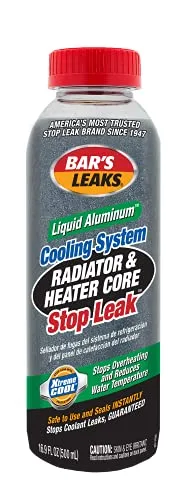
Bar’s Leaks has been selling stop-leak sealants since 1947, and its liquid-aluminum formula is one of the most established alternatives to K-Seal’s ceramic-fiber approach. It targets the same problems — radiator seams, heater core pinholes, and freeze plugs — using suspended aluminum particles instead of copper and ceramic fiber.
Pros:
- Low cost relative to most one-step sealants.
- Works alongside your existing coolant with no flushing step.
- Long track record from a brand that has made stop-leak products for decades.
Cons:
- Aluminum-particle formulas carry a slightly higher clogging risk in modern radiators with very narrow tube channels than fiber-based formulas do.
- Not a fix for large leaks or physical damage to the radiator core.
See today’s price on Amazon through this link.
K-Seal ST5501 Multi-Purpose One Step Coolant Leak Repair, 8 oz
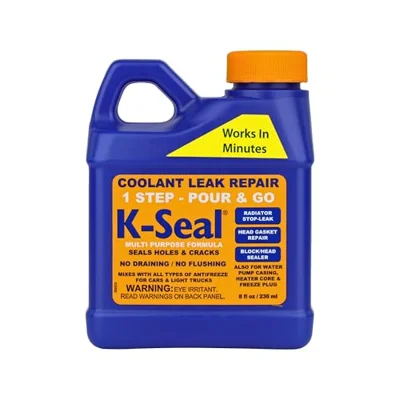
The ST5501 is K-Seal’s standard 8 oz bottle, sized for an ordinary car or light truck rather than the larger systems the ST5516 targets. It uses the same ceramic-microfiber-and-copper formula and works in minutes to seek out holes and cracks in the radiator, head gasket, freeze plugs, block, heater core, and water pump, without affecting cooling efficiency once it sets.
Pros:
- Right-sized for a standard car cooling system (versus the larger ST5516).
- One-step, no-flush application — pour and drive.
- Covers multiple leak points, not just the radiator itself.
Cons:
- The smaller 8 oz size is not rated for larger-capacity systems like the ST5516 is.
- Same limitation as any stop leak: no help for a large crack or a failed gasket.
Click here to check the current Amazon price.
Is a Rad Seal a Permanent Fix?
Most manufacturers, K-Seal included, market their formulas as a “permanent” repair, but that claim deserves some skepticism. Independent mechanics generally treat these products as a long-term bridge rather than a guaranteed permanent one: on a genuinely small pinhole or seam leak, the seal can hold for months or even years, but on a larger or growing crack it tends to work loose again over time. They also carry a real, if modest, risk of clogging narrow coolant passages in newer aluminum radiators or heater cores if you use more than the recommended dose or apply it to a leak too large for a chemical fix. Treat a rad seal as buying you time to plan a proper repair, not as a reason to skip one indefinitely.
Frequently Asked Questions
What Is K-Seal ST5516 Used For?
K-Seal ST5516 is a heavy-duty sealant for coolant leaks in the radiator, head gasket, block, heater core, water pump casing, and freeze plugs. It mixes with any antifreeze type and needs no flushing — you pour it in cold and drive.
How Does Bar’s Leaks Radiator Stop Leak Work?
Bar’s Leaks uses suspended aluminum particles that circulate with your coolant and get pressed into small cracks and pinholes in the radiator, heater core, or freeze plugs, sealing the gap as the engine runs. It requires no draining or flushing beforehand.
Is K-Seal ST5501 Suitable for All Cars?
Yes. K-Seal ST5501 is sized for a standard car or light-truck cooling system and is compatible with every common antifreeze type. It requires no flushing, which makes it a straightforward fix across most vehicles.
Can These Products Prevent Overheating?
Indirectly, yes. By sealing a leak that was letting coolant escape, these products help your system hold its proper coolant level, which keeps your engine at a safe operating temperature. They do not fix an overheating problem caused by something else, like a failed thermostat or a bad water pump.
How Do You Apply a Rad Seal Product Correctly?
Shake the bottle well, then pour the full contents into the radiator or coolant reservoir with the engine cold. There is no need to drain or flush the system first. Start the engine and let it idle for 10 to 20 minutes so the sealant can circulate and reach the leak.
Is Rad Seal a Permanent Fix?
Not reliably. It works best as a long-term repair for small leaks and can last months to years, but manufacturer claims of a “permanent” fix should be treated with some caution, especially on a leak that is still growing.
Conclusion
Choosing the right rad seal for your car comes down to matching the product to your leak. K-Seal ST5516 is built for larger cooling systems and heavier-duty use, the ST5501 is sized for a typical car, and Bar’s Leaks offers a lower-cost, long-established alternative that works the same way.
All three are pour-and-go, mix with any antifreeze, and need no flushing. None of them replace a real repair for a large crack, a split hose, or a blown head gasket — for a small pinhole or seam leak, though, any of these three is a genuine way to buy yourself time and keep your engine running at a safe temperature.
Products related to this article
Sponsored / affiliate links. As an Amazon Associate I earn from qualifying purchases. I may earn additional commission from eligible campaigns.