How to Fix Rust on a Car: Quick & Easy Solutions
Rust can damage your car’s appearance and structure. Fixing rust helps maintain your vehicle’s value.
Dealing with rust spots can seem daunting. But it’s a manageable task with the right steps. Rust is not just an eyesore; it can weaken your car’s metal, leading to bigger issues. Understanding how to tackle rust can save you from costly repairs down the road.
Whether you’re dealing with minor surface rust or deeper corrosion, knowing the right techniques is key. This guide will walk you through the process of identifying rust, preparing the affected area, and applying the necessary treatments to ensure your car remains in top condition. Get ready to restore your car’s shine and strength, keeping it looking its best for years to come.

Credit: www.familyhandyman.com
Identifying Rust Spots
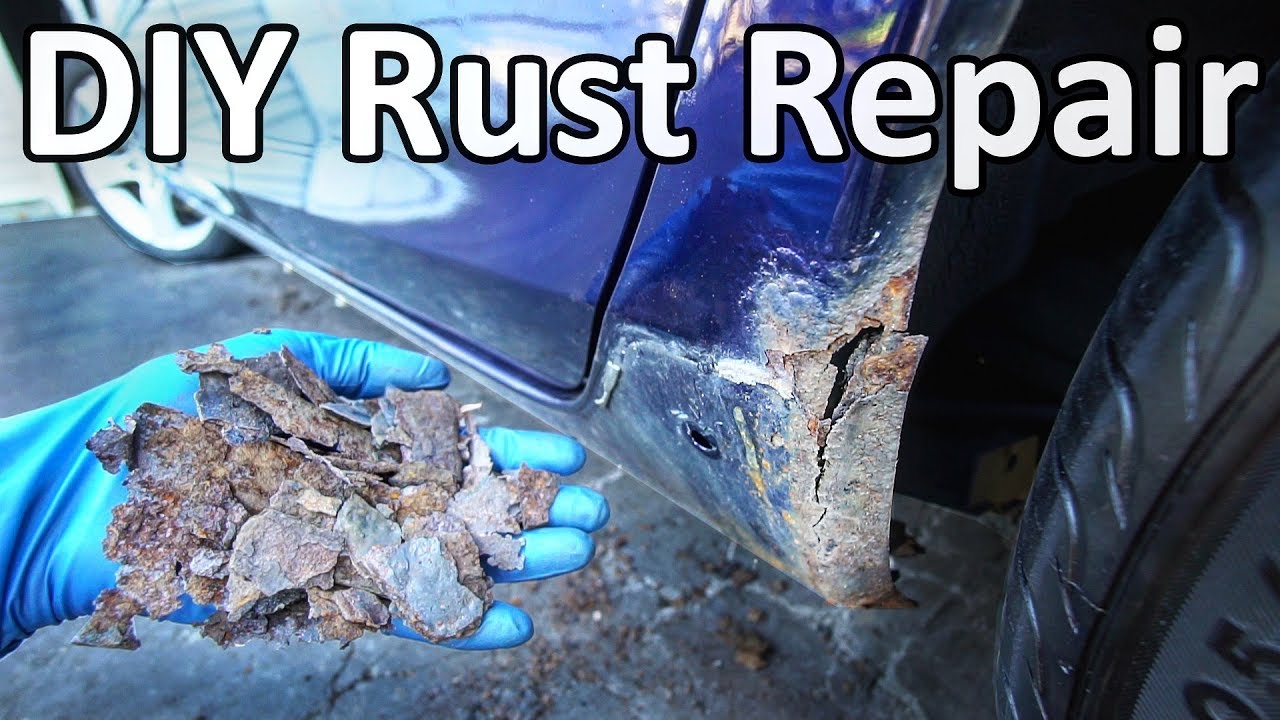
Rust likes to hide in sneaky places on cars. Wheel wells often have rust. Door edges can also be rusty. Under the car is another spot. Always check the car’s bottom. Rust can harm the metal. It makes the car look bad. It can weaken the car too.
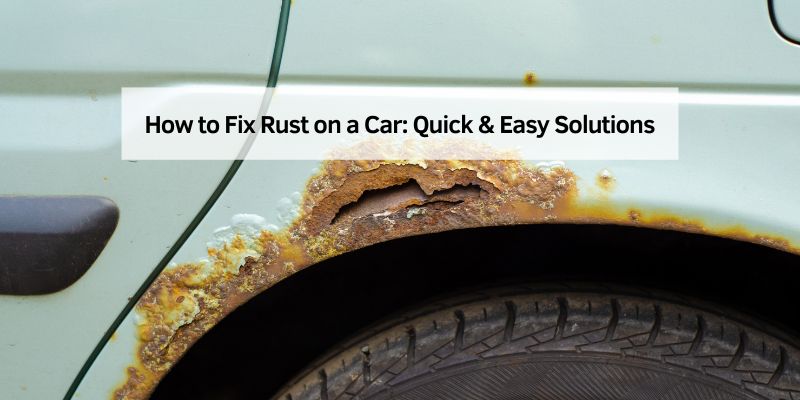
Rust spots are usually brown or red. Look for bumpy spots on the car. Rust feels rough to touch. Sometimes, rust makes the paint bubble. Check for these signs. Rust can spread quickly. Quick action can stop it.

Credit: www.youtube.com
Gathering Essential Tools
To fix rust, gather some important tools. You will need a screwdriver. It helps to remove any parts. A sandpaper is essential. It smoothens the rusty surface. A paintbrush is also needed. It helps to apply paint. A primer will protect the metal. Don’t forget a rust remover. It cleans rust well.
Before starting, ensure you have safety gear. Gloves protect your hands. Safety goggles keep your eyes safe. Wear a mask to avoid dust inhalation. A protective suit is helpful. It keeps your clothes clean. Always work in a well-ventilated area. This ensures fresh air. Safety first!
Preparing The Car Surface
First, gather all the cleaning tools. Use a soft cloth and some warm water. Gently wipe the rusty area to remove dust. You can use a mild soap for tough dirt. Rinse the area well with clean water. Make sure no soap is left. This will help in the next steps.
Start by using a clean towel. Pat the area dry with it. A hairdryer can also be helpful. Set it to a cool setting. Keep the dryer moving so it doesn’t overheat. The area should be completely dry. Moisture can cause more rust. Ensure no water is left behind.
Removing Rust Effectively
Sandpaper is great for removing rust. Start with coarse sandpaper. Rub it on the rusted area. Work until the rust is gone. Use finer sandpaper next. Smooth out the rough spots. Move in small circles. Sand until the metal is shiny. Wipe away dust. Sanding takes time. Be patient.
Chemical rust removers are easy to use. Buy them from car shops. Wear gloves to protect skin. Apply remover to rusty spots. Wait for the chemical to work. Check instructions for time. Wipe off the remover. Use a cloth or sponge. Repeat if rust remains. Ensure car surface is clean. Chemicals can be strong. Use in a well-ventilated area.
Applying Rust Converter
Rust converters are useful for fixing rust on cars. They change rust into a stable surface. This helps the car stay strong. It also stops rust from spreading. Using a rust converter is easy. It saves time and effort. It also saves money on car repairs. Many people like rust converters for their quick results.
Clean the rusty area first. Use soap and water. Dry it well. Then, apply the rust converter. Use a brush or spray for even coverage. Let it dry as per the instructions. Two coats may be better. Always follow safety tips. Wear gloves and goggles. Ventilate the area well. This makes the process safe.
Priming And Painting
A good primer is key for a smooth finish. Rust-inhibiting primers work best. They stop rust from spreading. Check labels for metal protection. Use a spray primer for even coverage. Shake the can well. Spray in short bursts. Keep the can 12 inches from the car. This avoids drips and runs. Let it dry before painting. Follow the drying time on the can.
Clean the surface before painting. Dust and dirt can ruin the finish. Use even strokes when painting. Start at the top and work down. Overlap each stroke a little. This avoids streaks. Apply thin coats of paint. Let each coat dry fully. Check the paint can for drying times. Sanding between coats helps. Use fine sandpaper for a smooth surface. This makes the final coat look shiny.
Sealant For Long-term Protection
Sealants help protect cars from rust. There are different types. Wax sealants are easy to apply. They give a nice shine. Another type is ceramic sealants. They are strong and last long. Acrylic sealants are great for color protection. They keep cars looking new. Pick the right sealant for your car. Each type has its benefits.
Sealants can be applied in different ways. Spray is easy and fast. It’s best for large areas. Brush gives more control. It is good for small spots. Cloth helps spread sealant evenly. First, clean the car surface. Then, apply the sealant. Follow the steps for the best results. Regular application helps keep cars safe.
Preventive Measures
Check your car for rust spots often. Clean your car regularly. Dirt and grime can cause rust. Wax your car every few months. Wax adds a protective layer. Inspect the undercarriage. Rust can hide there. Fix small rust spots fast. They can grow bigger.
Park your car in a garage if possible. Use a car cover if parking outside. Keep your car dry. Avoid puddles and salty roads. Salt can cause rust. Rinse your car after driving on salty roads. Repair scratches and dents quickly. They can lead to rust.
Credit: www.youtube.com
Frequently Asked Questions
Can Car Rust Be Repaired?
Yes, car rust can be repaired. Scrape off rust, apply primer, and repaint for minor damage. Severe rust may need professional repairs, including panel replacement, ensuring structural integrity and extending vehicle lifespan. Regular maintenance helps prevent rust.
How Expensive Is It To Fix Rust On A Car?
Fixing rust on a car can cost between $100 to $2000. Minor surface rust repairs are cheaper. Major structural damage requires extensive work and raises costs. Prices vary by severity, location, and labor rates. Regular maintenance helps prevent expensive rust repairs.
Always get quotes from multiple repair shops for a better deal.
How Do Body Shops Repair Rust?
Body shops repair rust by removing the affected area and applying rust converter. They then patch or replace damaged metal. Afterward, they sand the surface, apply primer, and paint to match the original color. The final step involves sealing to prevent future rust.
What Is The Best Thing To Put On Rust On A Car?
Use a rust converter to neutralize rust on a car. Apply it directly to the affected area. After the converter dries, paint over it to protect from further rusting. This ensures a smooth finish and long-lasting protection. Always follow the product instructions for best results.
Conclusion
Fixing rust on a car is crucial for its longevity. Follow these steps to keep your car in great shape. Rust removal is easier than you think. Regular maintenance will prevent rust from spreading. Use the right tools and products for best results.
Clean the area thoroughly before starting. Protect your car from future rust with paint or sealant. Your car will look better and last longer. Stay proactive and save money on repairs. Enjoy a rust-free ride!