Does Car Insurance Cover a Broken Windshield? What to Know
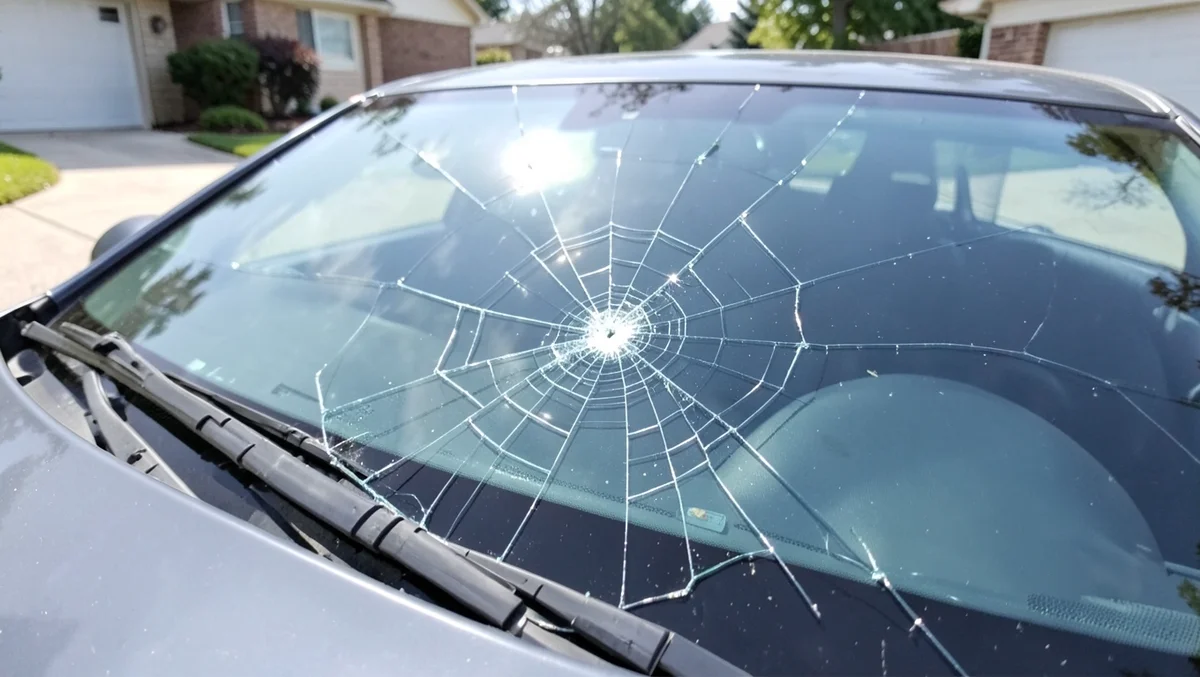
In most cases, yes — car insurance covers a broken windshield if you carry comprehensive coverage. Comprehensive is the part of your policy that pays for glass damage from rocks, hail, vandalism, and other non-collision causes. Liability-only policies typically will not pay for it, since that coverage only pays for damage you cause to someone else.
Whether your specific claim gets paid, and how much it costs you out of pocket, depends on your deductible, your state’s glass-coverage rules, and whether the damage is a small chip or a full crack. Here is how to check your own policy before you call anyone.
How Car Insurance Covers a Broken Windshield
Car insurance is split into a few distinct coverage types, and only one of them usually applies to a cracked or shattered windshield:
- Liability coverage pays for damage and injuries you cause to other people or their property. It never pays to fix your own windshield.
- Collision coverage pays to repair your car after it hits another vehicle or object, such as a pole or guardrail. If a collision cracks your windshield, collision coverage can apply — but it usually carries a higher deductible than glass claims.
- Comprehensive coverage pays for damage that is not caused by a collision: rocks, hail, falling branches, vandalism, and animal strikes. This is the coverage that pays for the vast majority of windshield claims.
If your policy does not include comprehensive coverage — which is common on older or lower-value cars, or on any policy that only carries state-minimum liability — a broken windshield is an out-of-pocket repair. Some insurers also sell a separate, lower-cost glass coverage endorsement that specifically lowers or removes the deductible for glass claims without touching the rest of your comprehensive deductible.
FIX A CHIP BEFORE IT CRACKS
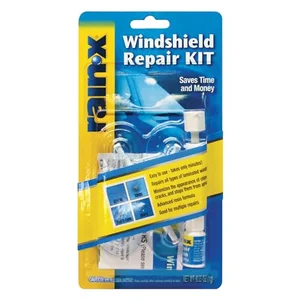 |
Rain-X Fix a Windshield DIY Repair Kit – $12.67 A small rock chip caught early can often be repaired for the cost of a kit like this instead of a full, more expensive windshield replacement claim.
|
Common Causes of Windshield Damage
A few situations account for most windshield insurance claims:
- Rock and road debris: A stone kicked up by a truck or another car is the single most common cause. This is a textbook comprehensive claim.
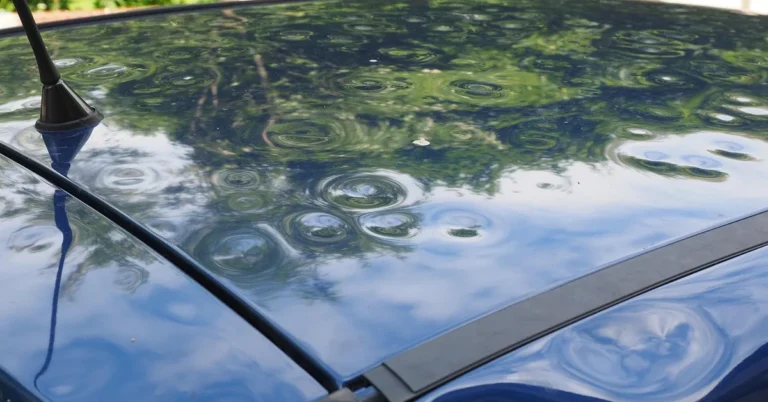
- Hail: Large hailstones can crack or pit a windshield. Comprehensive coverage generally applies, though most policies bundle hail damage under the same deductible as other glass claims.
- Falling branches and storm debris: Wind-driven debris and falling limbs are treated the same way as hail — a non-collision event covered by comprehensive.
- Vandalism and theft-related damage: A deliberately smashed or scratched windshield is typically covered by comprehensive, minus your deductible.
- Temperature stress: Sudden temperature swings — blasting the defroster on an icy windshield, for example — can cause a small existing chip to spread into a large crack. This is usually still treated as comprehensive damage, not a mechanical failure.
Deductibles and Full Glass Coverage by State
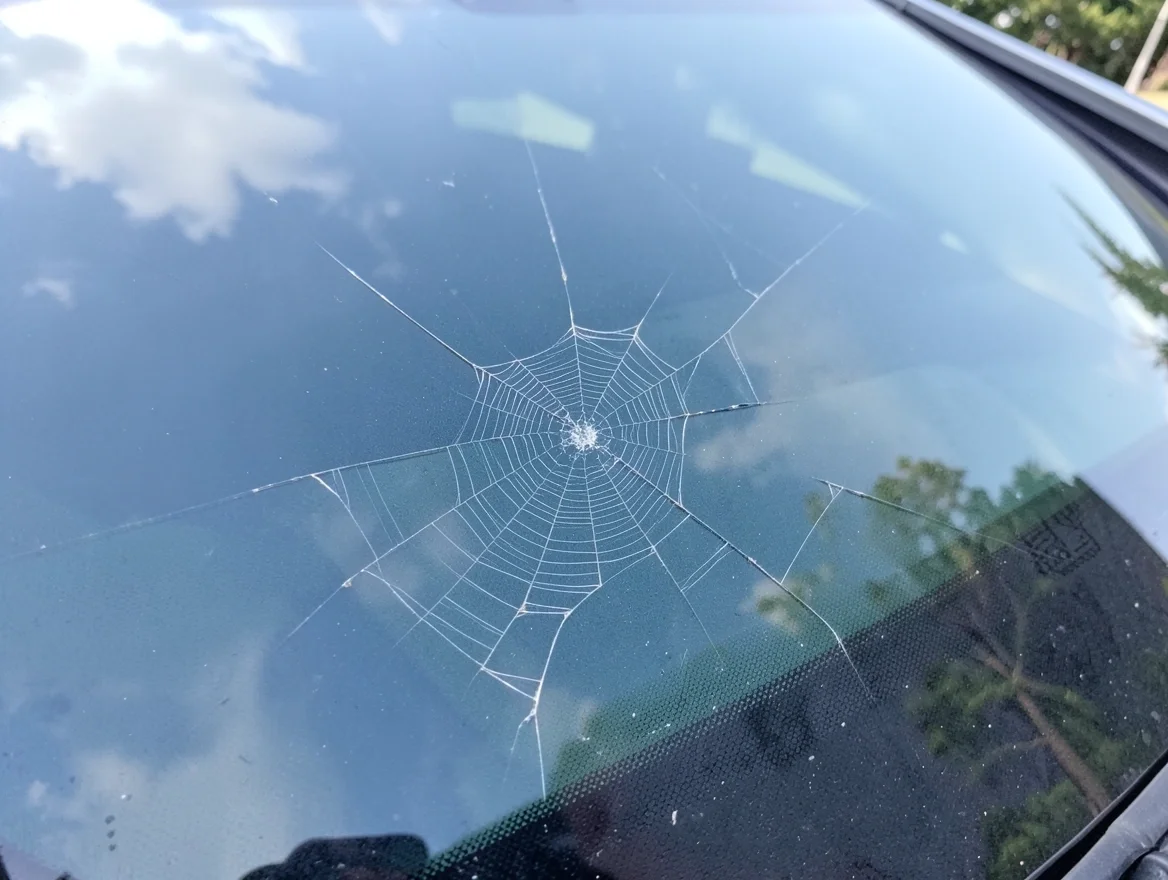
Whether you pay anything at all for a windshield claim comes down to two things: your deductible and your state’s glass-coverage rules.
A handful of states legally require insurers to waive the deductible for windshield repair or replacement on any policy that already carries comprehensive coverage — Florida, Kentucky, and South Carolina are commonly cited examples of this “zero-deductible glass” rule. A separate group of states, including Arizona, Connecticut, Massachusetts, Minnesota, and New York, require insurers to offer a zero-deductible glass option, but you have to elect it yourself, sometimes for a small extra premium. Most other states leave glass coverage subject to your normal comprehensive deductible. Insurance law varies by state and by insurer, so this is not universal — confirm the rule for your own state and policy with your insurer or state department of insurance before assuming either way.
Many insurers, regardless of state, also waive the deductible specifically for a small chip repair (as opposed to a full replacement), since a $60 repair is cheaper for the insurer than a $500-plus replacement later. Ask your insurer directly whether repairs are deductible-free on your policy.
Will Filing a Windshield Claim Raise Your Premium?
A single comprehensive glass claim is unlikely to raise your rates by much, if at all, since comprehensive claims are treated as no-fault events rather than at-fault accidents. Many insurers also have glass-claim forgiveness built into their underwriting, meaning one windshield claim in isolation will not move your premium. That said, this is not guaranteed everywhere: multiple comprehensive claims in a short period, or a state and insurer without a forgiveness policy, can add roughly 3–10% to your premium at renewal. If your damage is a small, inexpensive chip and your deductible is not waived, it is often worth comparing the repair cost against your deductible before filing at all.
How to File a Windshield Insurance Claim
- Document the damage. Take clear photos of the crack or chip, including a wide shot showing where it sits on the windshield and a close-up for scale.
- Check your policy or app first. Confirm you have comprehensive coverage and look up your glass deductible before calling, so you know what to expect.
- Contact your insurer. Call the number on your policy or use their app to start a glass claim — most insurers handle these separately and faster than a standard collision claim.
- Choose a repair shop. Many insurers work with a network of approved auto glass shops and can schedule mobile service; you can usually also choose your own shop.
- Keep your paperwork. Save the claim number, any invoice or receipt, and — if a repair leaves a small blemish or a replacement needs recalibration — a copy of that work order in case you need it later.
Windshield Repair vs. Replacement Cost
Cost is one of the biggest factors in deciding whether to file a claim at all:
| Service | Typical Cost Without Insurance |
|---|---|
| Small chip repair (smaller than a quarter) | $60–$150 |
| Basic windshield replacement, no sensors | $250–$500 |
| Windshield replacement with rain sensors or a forward camera | $500–$1,500+ |
| ADAS camera recalibration (often required after replacement) | $150–$450 |
That last line is easy to miss. If your car has a forward-facing camera for lane-keep assist, automatic emergency braking, or adaptive cruise control mounted near the rearview mirror, a windshield replacement often legally and functionally requires an ADAS (advanced driver-assistance system) recalibration afterward. Many insurers now cover this recalibration as part of the same claim, but it is worth confirming with your adjuster before the work is scheduled, since it is a real added cost on newer vehicles that older guides to this topic tend to leave out entirely.
Preventing Windshield Damage
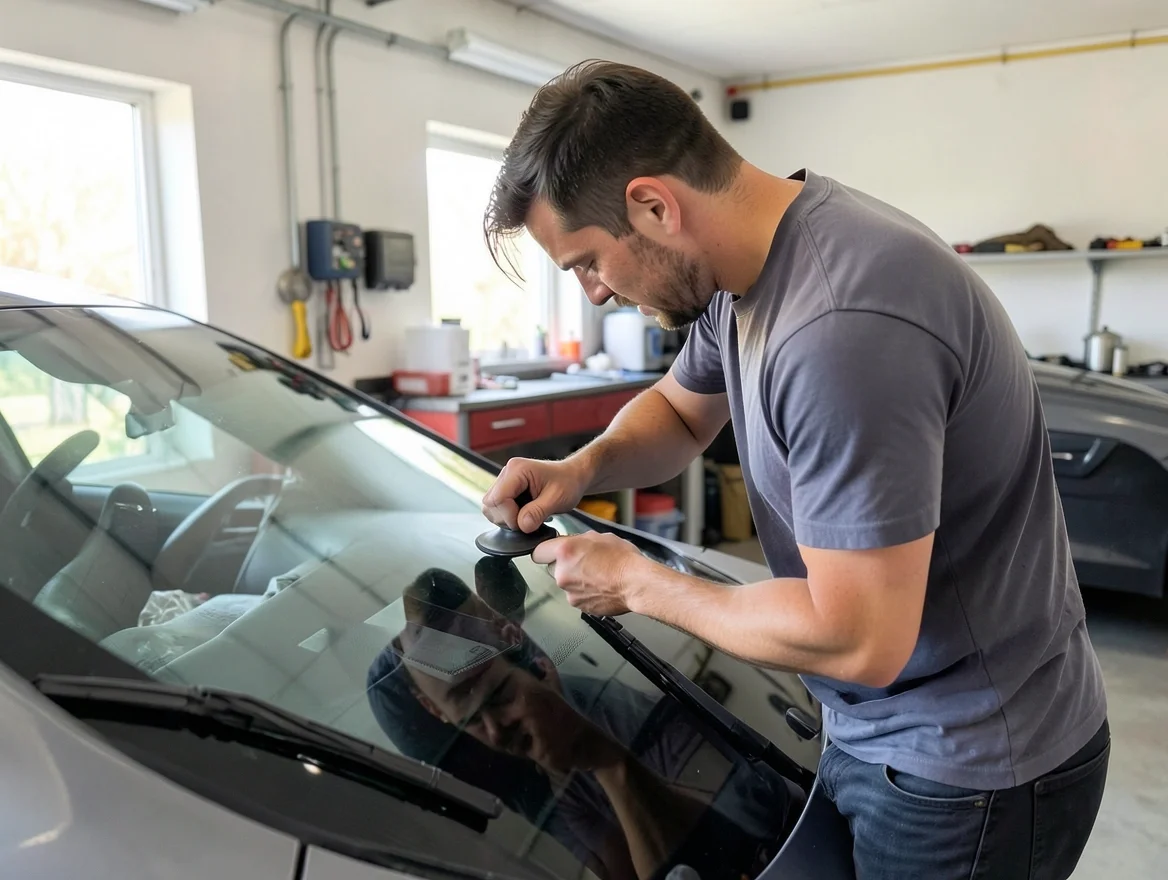
- Check your windshield regularly for small chips — even tiny ones can spread quickly, especially in hot or freezing weather.
- Leave extra following distance behind trucks and gravel trucks, which are the most common source of flying road debris.
- Replace worn wiper blades before they scratch the glass, and avoid running dry wipers over a dusty windshield.
- Park under cover when possible, away from trees that could drop branches or where hail is forecast.
- Get any small chip repaired within a few days, before dirt and moisture get into it and before temperature swings turn it into a full crack.
Frequently Asked Questions
Is It Worth Using Insurance for a Cracked Windshield?
It depends on your deductible and repair cost. If your policy waives the deductible for glass repair, or you live in a zero-deductible state, filing almost always makes sense. If you have a standard comprehensive deductible and the damage is a small, inexpensive chip, it can be cheaper to pay for the repair yourself and skip the claim. Compare the repair quote to your deductible before deciding.
How Do I Know If My Insurance Will Cover My Windshield?
Check your declarations page or policy documents for comprehensive coverage, then call your insurer to confirm your specific glass deductible. Some insurers sell a separate glass coverage endorsement with a lower or no deductible. Also ask whether your insurer partners with specific auto glass repair shops, since using an in-network shop can sometimes waive the deductible entirely.
Does Your Insurance Go Up If a Rock Hits Your Windshield?
Usually not by much, if at all — a single comprehensive claim for rock damage is a no-fault claim and many insurers have glass-claim forgiveness built in. It is not guaranteed in every state or with every insurer, though, and multiple comprehensive claims in a short window can add roughly 3–10% to your premium at renewal. Check with your specific insurer for how they treat glass claims.
Does Insurance Cover Someone Breaking Your Windshield?
Comprehensive coverage typically covers windshield damage from vandalism, the same as it covers rock chips or hail. Your standard comprehensive deductible usually applies unless you live in a zero-deductible glass state or carry a separate glass endorsement. Filing a police report can help support the claim if the vehicle was clearly vandalized rather than accidentally damaged.
Which States Require Zero-Deductible Windshield Coverage?
Florida, Kentucky, and South Carolina are the states most commonly cited for requiring insurers to waive the comprehensive deductible on windshield repair or replacement. Several other states, such as Arizona, Connecticut, Massachusetts, Minnesota, and New York, require insurers to offer a zero-deductible glass option rather than making it automatic. Rules can change and vary by insurer, so confirm the current requirement in your own state before assuming it applies to you.
Does a Windshield Replacement Need Extra Camera Calibration?
If your car has a windshield-mounted camera for features like lane-keep assist, automatic emergency braking, or adaptive cruise control, then yes — most manufacturers require an ADAS recalibration after a windshield replacement so those safety systems keep working correctly. This typically costs $150 to $450 in addition to the glass itself, and many insurers will cover it as part of the same claim if you ask.
Conclusion
A broken windshield is usually a comprehensive-coverage claim, not a collision claim, and most drivers with comprehensive coverage will have it paid for once their deductible is met — or in full, in a handful of states that ban glass deductibles outright. Before you file, check your specific deductible, ask whether a small chip repair is deductible-free, and factor in ADAS recalibration if your car has a windshield-mounted camera. A quick comparison of the repair cost against your deductible is the fastest way to decide whether filing makes sense.
Products related to this article
Sponsored / affiliate links. As an Amazon Associate I earn from qualifying purchases. I may earn additional commission from eligible campaigns.