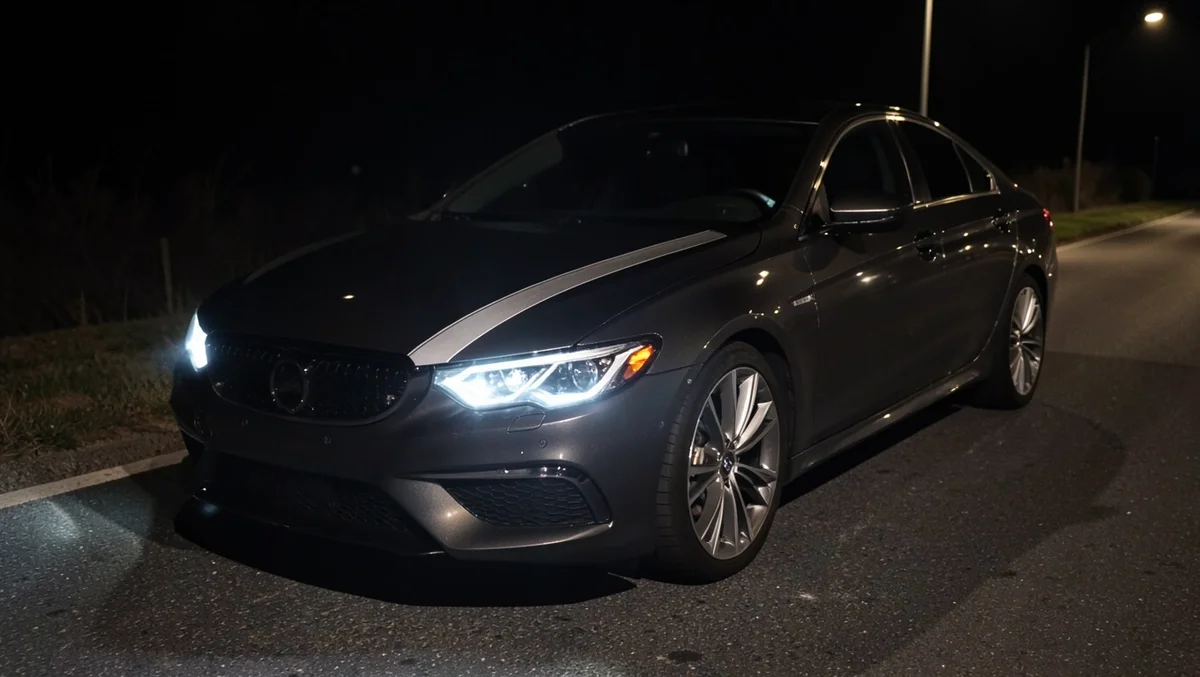
Reflective Vinyl for Cars: How It Works and Best Picks
Reflective vinyl for cars comes in two very different types: retroreflective safety film that bounces headlight beams back at night, and mirror-finish chrome or gloss vinyl that just looks shiny in daylight. Only the first type actually improves nighttime visibility.
That distinction matters more than most car wrap guides let on. A chrome or gloss-silver wrap can make a car look striking under a streetlight, but it reflects ambient light the same way a mirror does — it doesn’t send light back toward an approaching driver’s headlights. True retroreflective sheeting, like 3M’s Scotchlite line, is built with microscopic glass beads or prisms specifically to do that job, which is why it shows up on road signs, safety vests, and license plate borders. Below, we cover how each type works, three real products currently sold for car use, and how to install them without bubbles or lifted edges.
Reflective vs. Retroreflective Vinyl: What Is the Difference?
“Reflective vinyl” gets used loosely online to mean anything shiny — chrome wraps, mirror-finish stripes, gloss metallic film. Technically, that’s just reflective in the everyday sense: light bounces off it the way it bounces off any polished surface.
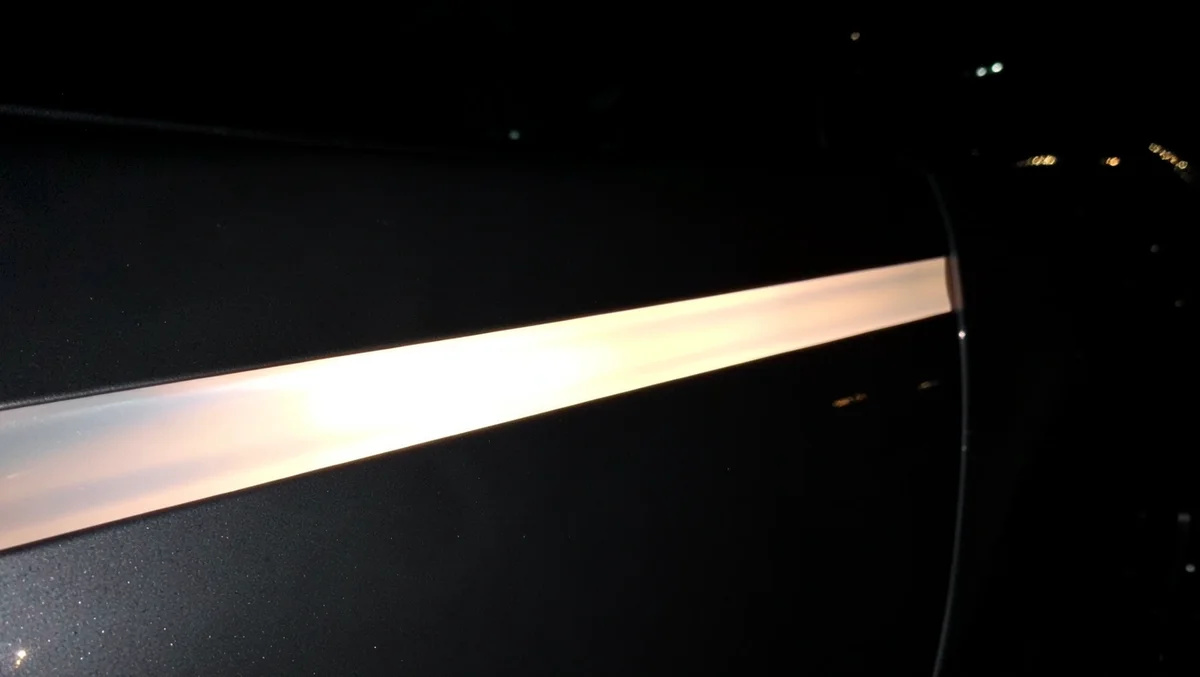
Retroreflective vinyl is a different engineering category. It’s embedded with tiny glass beads or micro-prism structures that redirect incoming light straight back toward its source, rather than scattering it in every direction. That’s why a retroreflective decal on a car door looks dull gray in daylight but lights up brilliantly the instant a headlight beam hits it at night — the same principle used on stop signs, crosswalk markings, and high-visibility safety clothing.
If the goal is actual nighttime visibility for safety — being seen by another driver at 11 p.m. — retroreflective film is the only one of the two that does that job. If the goal is a mirror or chrome look for styling, gloss or chrome vinyl is fine, but treat any visibility claim for it as marketing rather than physics.
Best Reflective Vinyl Wraps for Cars
MOST VERSATILE PICK
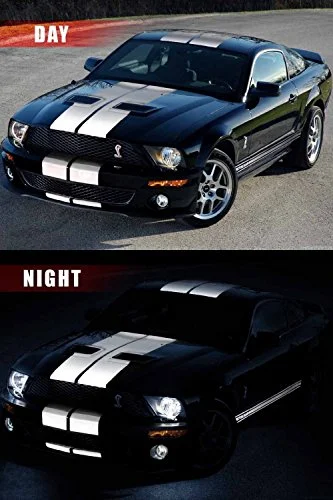 |
VViViD Reflective Gloss Silver White Vinyl Wrap Film – $9.98 A 1ft x 48in DIY roll sized for stripes, accents, and small panels rather than a full wrap.
|
VViViD Reflective Gloss Silver White Vinyl Wrap Film
This is a 1ft x 48in DIY roll aimed at small accent projects — hood stripes, mirror caps, roof trim — rather than a full-body wrap. The manufacturer’s own listing photos show a black Mustang-style hood stripe that looks flat gray-white in daylight and turns bright white under a direct light source at night, which is consistent with genuine retroreflective sheeting rather than plain gloss film.
- Good for: beginners doing their first accent-stripe project, since a small roll limits how much can go wrong
- Watch for: the roll only covers small parts — plan the layout before cutting so you don’t run short mid-panel
- Application: no heat gun required for flat panels; a squeegee and a clean, dust-free surface handle it
Check current price and availability on Amazon.
3M 680 Series Scotchlite Reflective Graphic Film
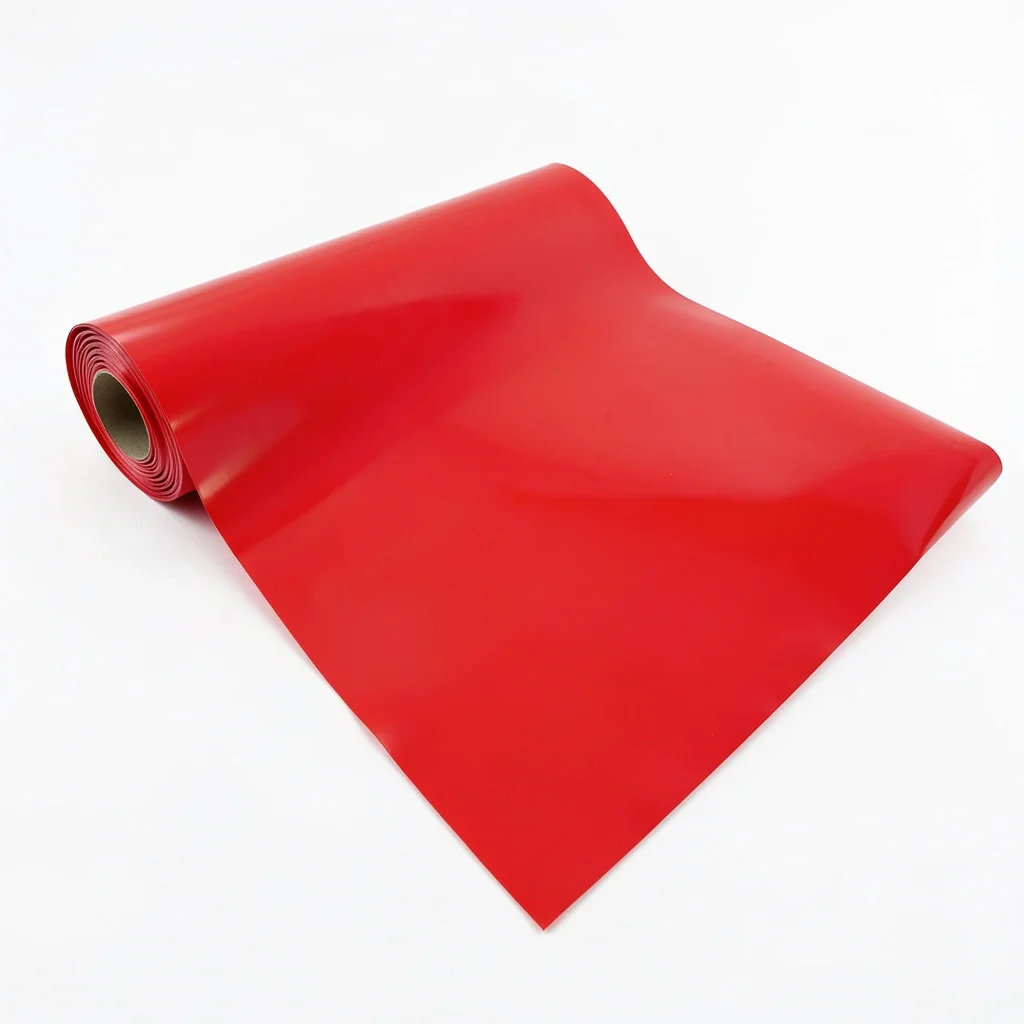
3M’s Scotchlite line is the same reflective sheeting technology used on road signs and safety apparel, sold here as four pre-cut 12in x 6in red sheets rather than one continuous roll. It’s marketed specifically for smaller trim pieces like brake calipers, mirror caps, and badges rather than large panels, which explains the smaller sheet format compared to the other two picks. Because it’s an actual engineering-grade retroreflective film — not just a gloss or chrome finish — it’s the pick that most directly delivers on the “improves nighttime visibility” claim.
- Good for: caliper accents, small badges, and safety-focused trim rather than large panels
- Watch for: only available in red and only in the 12in x 6in sheet format at this listing — measure your target part before ordering
- Price: the highest of the three picks per square inch, which tracks with it being genuine engineering-grade reflective sheeting rather than decorative vinyl
Check current price and availability on Amazon.
REDODECO Self-Adhesive Reflective Chrome Silver Vinyl
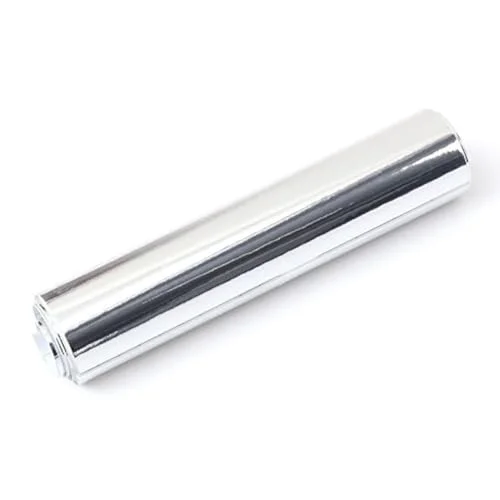
At 15in x 60in, this is the largest single sheet of the three, which makes it a better fit for full mirror caps, larger trim panels, or non-automotive projects like furniture and electronics. It’s marketed as “reflective,” but the chrome-mirror finish behaves like a polished mirror rather than true retroreflective sheeting — it looks brilliant under direct sun or headlights aimed straight at it, but it won’t glow the way the 3M sheet does at an angle. Treat it as a styling product first and a visibility product second.
- Good for: larger trim panels, mirror caps, or non-car projects where a chrome look matters more than headlight-beam visibility
- Watch for: it can telegraph texture from an uneven or heavily textured surface underneath since it’s a thin, glossy film
- Cheapest per square inch of the three picks here
Check current price and availability on Amazon.
How to Install Reflective Vinyl on a Car
Installation is the same basic process across all three products above, whether it’s a retroreflective safety film or a chrome styling wrap:
- Wash and clay the panel. Any dust, wax, or road grime under the film will telegraph as a bump or cause the adhesive to fail early.
- Dry-fit and mark your cut. Lay the vinyl over the panel before removing any backing to check the size and orientation, then cut it about half an inch oversized.
- Peel and tack one edge first. Remove a few inches of backing at a time rather than all at once — this is the single biggest fix for the “bubbles and creases” complaint in most product reviews.
- Squeegee outward from the center. Work in overlapping strokes toward the edges to push air out ahead of the vinyl, not trap it underneath.
- Heat and stretch around curves. A heat gun on low softens the film enough to wrap around mirror caps or curved trim without cracking; skip this step on flat panels.
- Trim the excess with a fresh blade. Cut along the panel edge, then run the squeegee over the border one more time to seal it down.
If a panel has a compound curve — a wheel arch or a deeply sculpted body line — a heat gun and patience matter more than the specific brand of vinyl. Vinyl that’s stretched too cold will crease or lift within days; the same panel done with gentle, even heat can hold for years. This applies to the same core skill set covered in making your own vinyl car decals, since both start from the same cutting, weeding, and application process.
Frequently Asked Questions
How Do You Install Reflective Car Vinyl?
Wash and clay the surface first so no dust or wax gets trapped underneath. Cut the vinyl slightly oversized, peel the backing a few inches at a time rather than all at once, and squeegee from the center outward to push air toward the edges. Curved panels usually need light heat from a heat gun to stretch the film without cracking it. Trim the excess with a fresh blade once it’s fully seated.
Does Reflective Vinyl Damage Car Paint?
Properly installed vinyl generally does not damage healthy factory paint, and it can even shield the panel underneath from minor stone chips and UV fading while it’s applied. The risk comes at removal: vinyl left on for several years, or removed with a heat gun set too high, can occasionally pull clear coat with it, especially on older or already-weakened paint. Removing it slowly with gentle heat and a plastic scraper, never metal, keeps that risk low.
Can Reflective Vinyl Be Used on Any Vehicle?
It works on cars, trucks, and motorcycles as long as the surface is smooth, clean, and free of deep texture or heavy clear-coat peeling. It won’t adhere reliably to matte or satin factory wraps, plastidip coatings, or heavily textured plastic trim without extra prep. Check the specific product’s surface guidance before buying if the panel isn’t standard painted metal.
Does Reflective Vinyl Actually Improve Nighttime Visibility?
Only true retroreflective sheeting does, such as 3M’s Scotchlite line — it’s built with glass beads or micro-prisms that bounce light back toward its source, the same technology used on road signs and safety vests. Chrome or gloss “reflective” wraps look shiny in daylight and under direct light, but they scatter light like a mirror rather than redirecting it back at an oncoming driver, so they add far less real nighttime visibility.
Is Reflective Vinyl Weather-Resistant?
Quality reflective and retroreflective vinyl is rated for outdoor use and holds up to rain, sun, and typical road conditions for several years. Longevity depends more on installation quality and climate than on which of the two types is used — vinyl applied with trapped air or in cold weather will lift and fail early regardless of brand, while a clean, warm install with proper edge sealing extends the life of either type.
Bottom Line
If the goal is real nighttime visibility, look specifically for retroreflective sheeting like 3M’s Scotchlite line rather than anything marketed only as “chrome” or “gloss reflective.” If the goal is a shiny styling accent and visibility is secondary, a mirror-finish wrap like the REDODECO chrome sheet or a gloss film like the VViViD roll will do the job for less money. Either way, the install process is the same: clean surface, patient peel-and-squeegee technique, and gentle heat on curves.
Products related to this article
Sponsored / affiliate links. As an Amazon Associate I earn from qualifying purchases. I may earn additional commission from eligible campaigns.