What Does Coolant Do for a Car? 4 Key Functions Explained
Coolant regulates your engine’s temperature by absorbing combustion heat and releasing it through the radiator. A 50/50 coolant-to-water mix also raises the boiling point to about 265°F and lowers the freezing point to about -34°F, protection plain water can’t provide, while corrosion inhibitors guard the water pump, radiator, and engine block from rust. Here’s how each of coolant’s four jobs works, plus the signs it needs attention.
Coolant Basics
Coolant keeps the car engine from getting too hot. It is a mix of water and chemicals called antifreeze. The most common chemical is ethylene glycol, though some coolants use less toxic propylene glycol instead. Dyes are added to give the coolant its color, which helps you spot leaks at a glance. Coolant also contains additives that help prevent rust and corrosion inside the engine.
There are different types of coolant, and using the wrong one for your car can actually cause chemical reactions between additives. Inorganic Acid Technology (IAT) is common in older cars and typically needs changing every two years. Organic Acid Technology (OAT) lasts longer, often five years or more. Hybrid Organic Acid Technology (HOAT) combines elements of both. Each type is formulated for specific car models, so check your owner’s manual before topping off — our guide on whether coolant is the same for all cars breaks down which type goes where.
Temperature Regulation
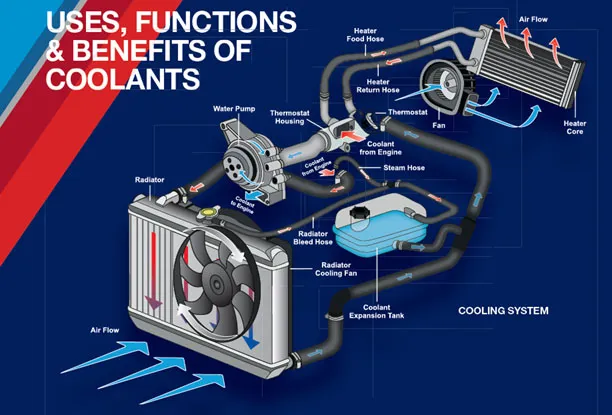
The engine of a car gets very hot. Coolant helps by absorbing this heat as it moves through passages in the engine block and cylinder head. This keeps the engine from getting too hot, since excess heat can warp or damage engine parts. Without coolant circulating, the engine can seize or fail within minutes.
After absorbing heat, the coolant moves to the radiator, where it releases that heat into the surrounding air — a process called heat dissipation. The radiator fans help pull air through to speed up cooling. Once cool, the coolant flows back to the engine to repeat the cycle, keeping the engine at a safe operating temperature.
Why This Matters
Combustion inside the cylinders can reach 2,000–4,500°F, but most aluminum engine components melt at around 1,225°F. Coolant is the only thing standing between that combustion heat and a melted engine block.
Corrosion Prevention
Coolant keeps car engines safe from corrosion. It forms a barrier on metal surfaces that stops rust from forming. Rust damages car parts like the engine and radiator, so coolant helps metal stay strong and last longer. Cars with well-protected metal parts run better for longer.
Coolant contains anti-corrosion additives — silicates and phosphates in older IAT formulas, organic acids in newer OAT and HOAT formulas — that fight rust and corrosion inside the cooling system. These additives mix with the coolant to protect the water pump, radiator, and aluminum engine parts. A clean, corrosion-free engine lasts longer, which is why using the right coolant type matters for long-term car health.
Lubrication Properties
Coolant helps the water pump move smoothly. It acts like a lubricant, which reduces wear and tear so the pump lasts longer. Without proper lubrication, pumps can fail and repairs can get costly. The right coolant ensures the pump keeps working well.
Coolant also keeps the engine from overheating by moving heat away from moving parts. Engines run most efficiently at the right temperature, and overheating can damage parts and increase fuel consumption. Proper coolant use saves on repairs and helps keep the engine running efficiently. Coolant is key for overall engine health.
Preventing Freezing
Coolant keeps the engine from freezing, which is why it’s also called antifreeze. This fluid mixes with water and lowers the freezing point, so the engine stays safe even in cold weather. Coolant flows through the engine parts and doesn’t allow ice to form, protecting the car in winter.
Coolant helps the car run well in cold weather by keeping the engine from freezing overnight, so the car starts easily in winter. Frozen coolant expands, and that expansion can crack an engine block or radiator — damage that often costs thousands to repair. Coolant prevents that from happening.
Boiling Point Elevation
Coolant helps the engine stay cool by raising the boiling point of the water in the system. This means the fluid can get hotter before it boils, so the engine can run hotter without overheating. This matters most in the summer or when towing a heavy load.
When the engine gets hot, the coolant keeps it safe by stopping the fluid from boiling away. Without coolant, the engine could overheat and suffer real damage. Preventing boil-over keeps the engine working well and protects important parts like the head gasket.
Coolant vs. Plain Water: Why It Matters
Water alone actually absorbs heat slightly better than coolant, so why not just use it? Because a 50/50 coolant-water mix does things plain water can’t: it protects against both extremes and stops corrosion. Here’s the real difference, based on standard 50/50 ethylene glycol mix data:
| Property | Plain Water | 50/50 Coolant Mix |
|---|---|---|
| Freezing point | 32°F | About -34°F |
| Boiling point | 212°F | About 265°F |
| Corrosion protection | None — can accelerate rust | Yes, via additive package |
| Water pump lubrication | No | Yes |
| Risk if used alone | Freeze cracking, overheating, rust | Minimal when mixed correctly |
Note: going above roughly 70% concentrated antifreeze actually raises the freezing point again — more isn’t better, which is why a 50/50 mix (not straight antifreeze) is the standard recommendation for most climates.
Signs Of Coolant Issues
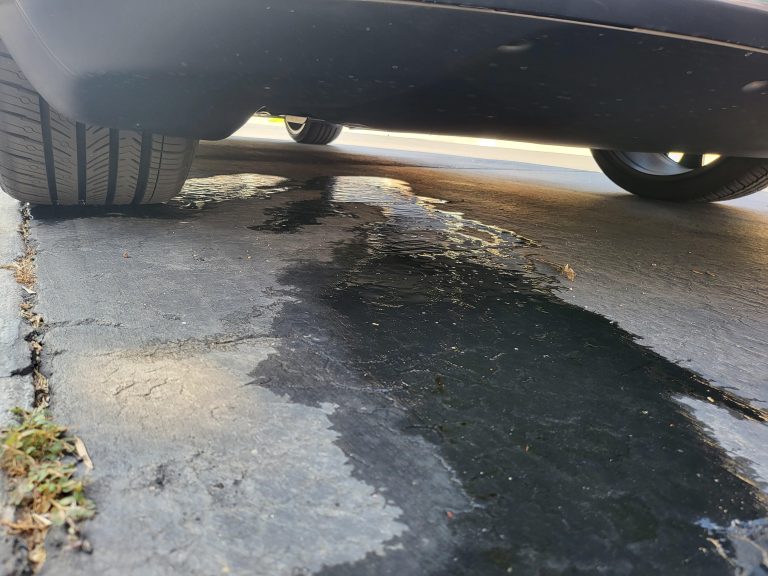
Coolant leaks can be a big problem. Wet spots under your car, usually green, orange, or pink, may be a sign. Check your coolant level regularly, since low levels can mean a leak. A sweet smell coming from the engine bay is another classic sign of a coolant leak, since ethylene glycol has a distinctly sweet odor. Leaking coolant can damage your engine and cause parts to rust, leading to costly repairs, so fix leaks quickly.
An overheating engine is a serious issue. If your car gets too hot, it can suffer real damage. Coolant helps keep the engine cool, so watch the temperature gauge on your dashboard. If it rises too high, stop driving, let the engine cool down, then check the coolant level and add more if needed. Avoid overheating by keeping coolant levels steady.
Maintenance Tips
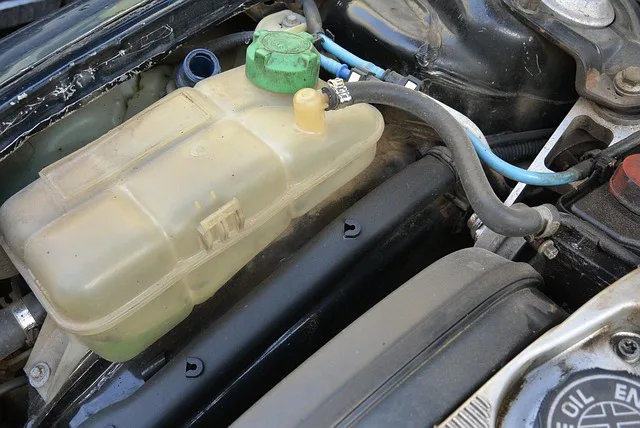
It’s important to check the coolant level often. A simple look under the hood can help — make sure the coolant is between the minimum and maximum lines on the reservoir. Low coolant can cause the engine to overheat, which can lead to bigger problems. Always check the coolant when the engine is cold to keep yourself safe from burns.
Coolant should be replaced periodically since old coolant becomes dirty and loses its protective additives. Follow your car’s manual for the right coolant type and change interval — our guides on how often to change your antifreeze, when to add antifreeze, and how to flush your coolant system cover the specific timing and steps. If you’re shopping for a replacement, see our picks for the best car radiator coolant.
Frequently Asked Questions
What Is The Purpose Of Coolant In Cars?
Coolant regulates the car engine’s temperature, preventing overheating. It circulates through the engine, absorbing excess heat. By transferring the heat to the radiator, it ensures optimal engine performance. Proper coolant levels maintain engine efficiency and prevent damage. Regularly checking coolant levels is vital for engine health.
What’s The Difference Between Coolant And Antifreeze?
Not much in practice — the terms are often used interchangeably. Technically, “antifreeze” refers to the concentrated ethylene glycol or propylene glycol chemical, while “coolant” refers to that antifreeze already mixed with water (usually 50/50) and ready to pour into the radiator. Most coolant sold at auto parts stores is available either way: full-strength antifreeze you dilute yourself, or pre-mixed coolant ready to use straight from the jug.
How Often Should Car Coolant Be Changed?
The frequency of coolant change depends on the vehicle and coolant type. Typically, it’s every 30,000 to 50,000 miles. However, consult your vehicle’s manual for specific recommendations. Regular checks ensure optimal performance. Neglecting coolant changes can lead to engine overheating and damage.
Can I Use Water Instead Of Coolant?
Using water alone is not recommended for cooling your car’s engine. Water lacks the necessary properties to prevent freezing and corrosion. Coolant contains additives that protect the engine from rust and freezing. Always use the recommended coolant mixture for optimal engine protection.
What Are Signs Of Low Coolant Levels?
Common signs of low coolant include engine overheating, a warning light, or steam from the engine. You might also notice a sweet smell or puddles under the car. Regularly check coolant levels to prevent engine damage. Address any leaks immediately to maintain engine health.
Why Does Coolant Come In Different Colors?
Manufacturers add dye to coolant mainly so leaks are easy to spot on the ground or under the hood. Color isn’t a reliable guide to coolant type, though — green, orange, pink, blue, and yellow are all used differently by different brands. Always match coolant by its chemical type (IAT, OAT, or HOAT) and your owner’s manual, not by color alone.
Conclusion
Coolant does four jobs at once: it regulates engine temperature, raises the boiling point, lowers the freezing point, and stops corrosion inside the cooling system. Skip it, or run low, and the engine can overheat, freeze-crack, or rust from the inside out. Check your coolant level regularly, use the type your manual calls for, and replace it on schedule to keep your engine running efficiently every day.
Products related to this article
Sponsored / affiliate links. As an Amazon Associate I earn from qualifying purchases. I may earn additional commission from eligible campaigns.