Fuel Injector Cleaning Cost / Price / How Much
Fuel injector cleaning is often reported to cost about $10–$25 for a fuel-system cleaner bottle, about $50–$150 for a professional cleaning service, and around $200–$800 or more if injectors need removal or replacement; if misfires, hard starts, or fuel trims stay abnormal after a cleaner, get a shop diagnosis. Ignoring clogged or failed injectors can waste fuel, damage the catalytic converter, and turn a cheap fix into a costly repair. This guide compares DIY cleaner, shop cleaning, and replacement so you know which option fits the symptom and the bill.
Bottle versus shop cleaning prices and what they cover

The price split matters. A bottle in the tank is a maintenance purchase. A shop cleaning is labor plus equipment. Removal and replacement are a different repair altogether, and the bill changes fast once the injector itself, seals, wiring, or diagnosis time enters the job.
DIY bottle treatment price range
A fuel injector cleaner bottle often lands in the about $10–$25 range at retail, depending on brand and bottle size. That price buys one treatment, not a fix for a dead injector. Most bottles are poured into the fuel tank and are meant to help dissolve varnish, gum, and some carbon buildup over time.
Typical cleaner bottles are sized for a single tank or a specific gallon range. The label matters more than the brand name because treat rate varies. Some products are gasoline-only. Others work with gasoline and diesel, which changes where you can safely use them.
Shop fuel system cleaner add-on pricing
At a shop, an in-tank fuel system cleaner add-on often costs more than the bottle alone because it includes labor and sometimes a diagnostic scan. That add-on is not the same as bench cleaning. It is usually sold as a maintenance service, often paired with an oil change or tune-up visit.
If the shop is only pouring a cleaner into the tank, the labor charge should stay modest. If the quote includes diagnosis, injector rail service, or intake cleaning, the price can move higher. Ask for the line items so you do not pay diagnostic labor and cleaning labor as if they were one job.
Professional cleaning and replacement cost ranges
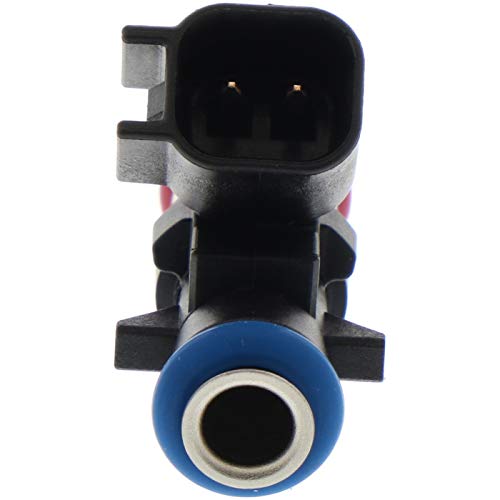
Professional injector cleaning can mean different things. A basic on-car fuel system service is one price. Ultrasonic or bench cleaning, where injectors are removed and cleaned off the engine, is another. If the injector is electrically bad, stuck, or leaking, cleaning may not be enough and replacement becomes the real cost.
That is where the bill often climbs into the $200–$800+ range, especially on engines with hard-to-reach injectors. GDI engines can be more expensive because access is tighter and labor time is higher. Diesel systems can also cost more because the parts and diagnosis are more complex.
What injector cleaning can fix
Cleaning can help when deposits are the problem. Rough idle, hesitation, mild misfire, pinging or knocking under load, and poor fuel economy can come from restricted spray patterns or injector deposits. It will not cure every drivability complaint, and it will not repair a failed coil, broken wire, or cracked injector body.
Deposit buildup versus electrical failure
A dirty injector often causes an uneven spray pattern or reduced flow. A failed injector often causes a hard fault, a dead cylinder, or a fuel control issue that cleaning will not touch. If the scanner shows an electrical circuit code, or the injector has an open or shorted coil, stop thinking in terms of cleaner and move to diagnosis.
Picture a 2.0-liter gasoline engine that idles rough after long storage. If the issue is light varnish from old fuel, a cleaner may help. If the same engine has an injector circuit code and one cylinder stays dead, the fault is electrical or mechanical, not a deposit problem.
GDI, port injection, and diesel differences
Port injection usually gets more fuel washing across the back of the valve, so deposits can respond well to in-tank cleaners. GDI systems spray directly into the cylinder, which changes where deposits form and often makes shop cleaning more relevant. Diesel injectors can be more sensitive to contamination and may need a different service path.
That is why one price does not fit every engine. A bottle can be enough for a gasoline port-injection engine with mild roughness. A GDI system with repeated misfires and heavy deposit buildup may need diagnostic work and a more detailed cleaning process. Diesel complaints should be treated with even more caution.
When is cleaning worth it?
Cleaning is worth trying when symptoms are mild, the vehicle still starts and drives, and the fault points toward deposits rather than damage. If the engine only hesitates, idles a little rough, or has a slight fuel economy drop, a bottle or maintenance service is often the lowest-cost first step. Persistent misfire, hard starts, or trouble codes need diagnosis first.
Mileage and symptom clues
Older fuel, infrequent service, short-trip driving, and a long stretch without maintenance all raise the odds of deposit buildup. A cleaner makes more sense when the vehicle has no evidence of injector electrical failure and the symptoms appear gradually. It is less useful when a problem starts suddenly after a parts failure.
Suppose a sedan has about 82,000 miles, no injector codes, and only slight hesitation on light throttle. That is a reasonable case for a bottle or a shop-added cleaner. If the same car now has a flashing check-engine light and a misfire code, stop with additives and schedule diagnosis.
When to buy a bottle
Buy a bottle when you want the cheapest possible deposit-cleaning attempt and the symptom is mild. That makes the most sense for routine maintenance, a small stumble, or fuel quality cleanup after storage. It is also the best fit if you want to keep the cost near the lower end of the range.
When to book a shop diagnosis
Book a shop when the engine has a persistent misfire, rough idle that does not improve, fuel trims that stay abnormal, a hard start, or any electrical fault code tied to an injector circuit. A shop can separate injector deposits from compression loss, vacuum leaks, ignition faults, or fuel pressure problems.
Fuel injector cleaner cost table
This table separates the three real cost paths. The cheapest option is not always the right one, and the most expensive option is not always needed. The trigger column is the part to watch: once symptoms point to electrical failure or severe mechanical damage, stop cleaning and inspect parts.
| Cost path | Typical price band | What it can realistically fix | How often it is used | Stop cleaning and inspect parts if you see |
|---|---|---|---|---|
| DIY bottle treatment | $10–$25 | Light varnish, gum, mild deposit buildup, slight hesitation, minor rough idle, routine maintenance | Often every few thousand miles, or at the interval on the label | Rough idle that stays after treatment, repeated misfire, poor spray pattern evidence, injector circuit code |
| Shop-added fuel system cleaner | About $50–$150 total when labor is included | Maintenance cleaning with a scan or service visit, mild drivability complaints tied to deposits | Used during scheduled service, not as a repair for failed parts | Electrical faults, dead cylinder, leak, hard start, fuel pressure issue, damaged seal |
| Professional injector cleaning | About $50–$150 for cleaning alone; more if removal, bench cleaning, diagnosis, or replacement is needed | Heavier deposits, uneven flow, spray pattern problems that still respond to cleaning | Used after diagnosis confirms the injector is salvageable | Injector is stuck, coil failed, injector leaks, severe mechanical wear, or the problem returns quickly |
Which cleaners are worth the money?
PEA-based cleaners are usually the better choice when the goal is deposit removal. PEA, or polyetheramine, is used because it can help remove varnish and gum more effectively than many generic additives. It is also commonly used in products aimed at injector and intake-valve cleaning, including gasoline blends with ethanol.
PEA cleaners versus regular additives
Regular additives may help with fuel freshness or light cleaning, but PEA-based formulas are the stronger maintenance pick when deposits are the concern. That does not mean every PEA bottle can rescue a badly damaged injector. It means the chemistry is better suited to deposit removal than a basic solvent-only additive.
BG 44K and chevron Techron
BG 44K is sold in an 11 oz can and can treat up to 20 gallons. It is described as having a high concentration of PEA, so it belongs in the stronger-maintenance category. That makes it a reasonable choice when you want a single-treatment cleaner for a gasoline tank.
Chevron Techron Concentrate Plus treats a full tank of 12 to 20 gallons and is recommended every 3,000 to 5,000 miles. It is gasoline-only and PEA-based, which makes it a periodic maintenance option rather than a one-time repair. That interval is useful if you want a set mileage reminder instead of guessing when to clean again.
Sea Foam and royal Purple
Sea Foam SF-16 Motor Treatment is petroleum-based, not PEA-based. It works with gasoline and diesel engines, and it also works with 2-stroke and 4-stroke engines. That makes it broad in compatibility, though it is not the same chemistry as a PEA cleaner.
Royal Purple 18000 Fuel Injector Cleaner is a 6 fl. oz. product and is compatible with gasoline and diesel engines. It is marketed as helping restore fuel economy and stabilize ethanol, which makes it useful for mixed-fuel compatibility concerns. It is still a bottle treatment, not a substitute for injector repair.
A common first-timer mistake is assuming a cheap fuel injector cleaning service will cost the same as a full ultrasonic cleaning and flow test. A gasoline-only PEA product, a petroleum-based multi-fuel additive, and a diesel-compatible injector cleaner are not interchangeable. Check compatibility before pouring anything into the tank.
How often should you clean injectors?
Most maintenance cleaners are used every few thousand miles, but the correct interval depends on the product and the fuel system. For gasoline-only PEA cleaners, follow the label and your service interval. For diesel or mixed-compatibility products, use them only where the label says they apply.
Routine interval by product type
Chevron Techron Concentrate Plus is the clearest published example here because it is recommended every 3,000 to 5,000 miles. Other products may be used less often, especially if they are sold as one-tank treatments or seasonal maintenance. The point is to use them before deposits become severe.
Gasoline-only versus diesel compatibility
Gasoline-only products should stay out of diesel tanks. Diesel-compatible products are broader, but they are still not universal cures for injector faults. If the vehicle uses diesel or has a GDI system, follow the product label and the vehicle maker’s guidance before choosing a bottle.
Ethanol blend considerations
Ethanol blends can contribute to deposit concerns and fuel stability questions, which is one reason PEA-based products are often used in regular maintenance. Compatibility matters here too. Products that explicitly mention ethanol handling or broad fuel compatibility are the safer bet when the tank may contain blended fuel.
How much should a shop charge?
A shop should separate diagnosis from cleaning. A scan or road test has one price. A cleaner add-on has another. Bench or ultrasonic cleaning is a different labor job entirely, and replacement is a repair, not a cleaning service. If the quote blurs those together, ask for the line-by-line breakdown.
Diagnostic fee versus cleaning fee
Diagnostic labor is what finds the cause. Cleaning labor is what follows once the cause points to deposits. If the shop charges a diagnostic fee, that should not be presented as a cleaner price. It is the step that tells you whether cleaning makes sense at all.
Ultrasonic bench cleaning pricing
Bench cleaning usually costs more because the injectors come off the engine, are cleaned, and are often tested for flow and spray pattern afterward. That can be worthwhile when deposits are confirmed but the injector still functions. It is less useful when the injector is electrically bad or physically damaged.
Replacement cost warning signs
Replacement is the likely answer when the injector leaks, sticks, has a failed coil, shows a circuit fault, or still causes a misfire after cleaning. That is especially true on engines where a single failed injector can trigger fuel trim problems and catalyst damage if ignored. Cleaning a failed part wastes money.
Frequently asked questions
How much does fuel injector cleaning cost?
Fuel injector cleaning usually costs $10–$25 for a bottle, about $50–$150 for a shop cleaning service, and more if removal, bench cleaning, or replacement is needed. The right price depends on whether the problem is light deposit buildup or a failed injector that needs diagnosis first.
How much should fuel injector cleaning cost at a shop?
A shop price should reflect the job type. A simple fuel-system cleaner add-on should stay close to maintenance pricing, while diagnostic time, ultrasonic cleaning, and injector removal cost more. If the quote does not separate those items, ask for an itemized estimate before authorizing work.
Is fuel injector cleaning worth it?
It is worth it when the symptom points to deposits and the engine still runs well enough to suggest the injector is salvageable. It is not worth it when there is a hard misfire, electrical fault, or mechanical injector damage. In those cases, diagnosis beats guesswork.
How much do fuel injector cleaners cost?
Most bottle treatments cost $10–$25, with brand and size affecting the total. Some are one-tank products; others treat a full tank or a set gallon range. The bottle price is only part of the decision, though, because compatibility and chemistry matter just as much.
What is the difference between PEA cleaners and regular additives?
PEA cleaners use polyetheramine, which is favored for deposit removal. Regular additives may help with fuel freshness or mild cleaning, but they are usually not as strong against varnish and gum. If the goal is injector cleaning, a PEA-based product is usually the better maintenance choice.
Can fuel injector cleaner fix rough idle or hesitation?
Sometimes, yes. If rough idle or hesitation comes from light deposits, a cleaner can improve spray pattern and flow. If the cause is a misfire from an electrical fault, vacuum leak, ignition problem, or bad injector coil, cleaner will not solve it. That is when diagnosis should come first.
How much does a bottle of fuel injector cleaner treat?
It depends on the bottle. BG 44K is sold in an 11 oz can and can treat up to 20 gallons. Chevron Techron Concentrate Plus treats a full tank of 12 to 20 gallons. Royal Purple 18000 is a 6 fl. oz. product, while Lucas LUC10013 is listed in a 1 gallon size and uses 3 oz per 10 gallons.
Products related to this article
Sponsored / affiliate links. As an Amazon Associate I earn from qualifying purchases. I may earn additional commission from eligible campaigns.