
How to Get Dents Out of a Car Hood: A Complete Guide
Hey there! So, you’ve got a dent on your car hood, and it’s driving you up the wall, right? I know the feeling all too well. A couple of years ago, a rogue shopping cart left a nasty dent on my trusty sedan’s hood, and I was determined to fix it without breaking the bank. After diving into research, chatting with auto body pros, and trying a few methods myself, I learned there’s a lot you can do to get those dents out.
Whether it’s a small ding or a bigger crease, I’m here to share everything I’ve figured out about how to get dents out of a car hood. Let’s sit down together, and I’ll walk you through the steps, tools, and tips to make your hood look smooth again. By the end, you’ll feel confident tackling that dent like a pro. Ready? Let’s roll!
What Causes Dents on a Car Hood?
Dents on car hoods can happen in all sorts of ways, and trust me, I’ve seen my fair share. My shopping cart incident was just one example. Here’s what I’ve learned about common causes:
- Parking Lot Mishaps: Shopping carts, car doors, or even kids bumping into your car can leave dents. That’s how my sedan got its mark.
- Falling Objects: Tree branches, hail, or even a stray baseball can ding your hood. A friend of mine had a walnut drop from a tree and leave a dent.
- Minor Collisions: Bumping into something, like a low pole or another car, can cause dents. I saw this happen in a tight parking garage.
- Weather: Hailstorms are notorious for denting hoods, especially in places like Texas or Colorado where storms are common.
Knowing what caused the dent helps you figure out how bad it is and what method might work best to fix it.
Why Dents Are a Big Deal
At first, I thought my dent was just a cosmetic issue. But there’s more to it. A dent can lower your car’s resale value—nobody wants a beat-up hood. I noticed buyers gave my friend’s dented car a lower offer when he tried to sell it. Dents can also lead to rust if the paint is scratched or cracked, which can spread and cause bigger problems.
Plus, let’s be honest—a dented hood just doesn’t look good. Every time I saw that dent on my car, it bugged me. Fixing it made my car feel fresh again and saved me from future headaches. It’s worth the effort to get it looking smooth.
Types of Dents and How They Affect Repairs
Not all dents are the same, and I learned this when I started fixing mine. The type of dent affects how easy it is to remove. Here’s what I found:
- Shallow Dents: These are small, rounded dings, like from hail or a door bump. My shopping cart dent was shallow and easier to fix.
- Creased Dents: These have a sharp line or fold, often from hitting something solid. They’re trickier to pop out.
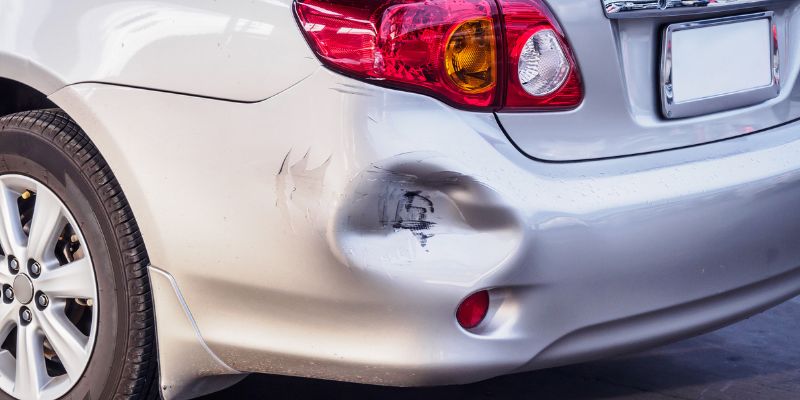
- Deep Dents: Big, deep dents from collisions are tough. I saw one on a friend’s car from a fender bender, and it needed professional help.
- Paint Damage: If the dent has scratched or chipped paint, you’ll need extra steps to prevent rust. My dent had a small scratch, so I had to touch it up.
Shallow dents are usually DIY-friendly, while creased or deep dents might need a pro. Knowing the type helps you pick the right fix.
Tools and Supplies You’ll Need
When I decided to tackle my dent, I realized I needed the right tools. You don’t need a full auto shop, but having these makes the job easier. Here’s what I used:
- Plunger: A household plunger works for shallow dents. I used a clean one from my bathroom.
- Hairdryer and Compressed Air: For heating and cooling the dent to pop it out. I borrowed a hairdryer and bought a can of compressed air for $5.
- Dent Puller Kit: A suction cup or glue-based kit for pulling dents. I got a $20 kit from an auto parts store.
- Rubber Mallet: For gently tapping out dents from the underside. I had one in my toolbox.
- Microfiber Cloths: For cleaning and applying touch-up paint. I had a stack from a detailing kit.
- Touch-Up Paint: To cover scratches. I got a match for my car’s color for $10.
- Gloves and Safety Glasses: To protect your hands and eyes. I used gardening gloves and old sunglasses.
- Boiling Water (Optional): For softening metal on small dents. I tried this on a tiny ding and it worked.
Having these ready saved me time and made the process smooth.
Step-by-Step Guide to Removing Dents from a Car Hood
Alright, let’s get to the fun part—fixing that dent! I tried a few methods on my sedan, and here’s what worked best for me, step by step:
Step 1: Assess the Dent
I started by looking closely at the dent. Mine was shallow, about the size of a baseball, with a small scratch. If it’s deep or creased, you might need a pro. Clean the area with soap and water to see the dent clearly.
Step 2: Try the Plunger Method
For shallow dents, a plunger is magic. I wet the plunger and the dent, pressed it over the dent, and pulled hard. It popped out with a satisfying sound after a few tries. This works best on smooth, flat areas.
Step 3: Use Heat and Cold
If the plunger didn’t work, I used a hairdryer to heat the dent for about a minute. Then I sprayed compressed air upside down to cool it fast (the air comes out freezing). The dent popped out as the metal contracted. I was amazed at how well this worked on a small ding.
Step 4: Try a Dent Puller Kit
For tougher dents, I used a glue-based dent puller kit. I applied hot glue to the suction tab, stuck it on the dent, and let it dry for a few minutes. Then I pulled gently with the tool until the dent came out. It took a few tries but worked like a charm.
Step 5: Tap from the Underside
If you can access the underside of the hood, a rubber mallet helps. I propped my hood open, found the dent from below, and tapped gently while a friend pushed from the top. Be careful not to hit too hard—you don’t want new dents.
Step 6: Fix Paint Damage
My dent had a small scratch, so I applied touch-up paint with a tiny brush. I let it dry for a day and polished it with a microfiber cloth. This kept rust away and made the repair look seamless.
Step 7: Polish and Protect
I finished by waxing the area with car wax to restore the shine. It made my hood look as good as new. You can also apply a sealant for extra protection against future dents.
Here’s a table summarizing the steps:
| Step | Action | Tools Needed |
|---|---|---|
| Assess Dent | Check size, depth, and damage | Soap, water, cloth |
| Plunger Method | Use plunger to pull out dent | Plunger, water |
| Heat and Cold | Heat with hairdryer, cool with air | Hairdryer, compressed air |
| Dent Puller Kit | Use glue-based kit to pull dent | Dent puller kit, hot glue |
| Tap from Underside | Gently tap dent from below | Rubber mallet, friend (optional) |
| Fix Paint Damage | Apply touch-up paint | Touch-up paint, brush, cloth |
| Polish and Protect | Wax or seal the area | Car wax, sealant, cloth |
This process took me a couple of hours, but my hood looked amazing afterward.
Preventing Dents in the Future
Once I fixed my dent, I wanted to keep my hood smooth. Here’s what I started doing:
- Park Smart: I avoid parking near carts or in tight spots where doors might hit my car. I also park away from trees to dodge falling branches.
- Use a Car Cover: In hail-prone areas, a padded car cover protects the hood. I got one for $50, and it’s saved me during storms.
- Be Careful with Objects: I don’t rest heavy items on my hood anymore. A toolbox once caused a small dent when I wasn’t paying attention.
- Regular Waxing: Wax creates a protective layer that can reduce minor dings. I wax my car every few months.
These habits have kept my hood dent-free for years.
When to Call a Professional
Some dents are too tough for DIY. I learned this when a friend had a deep, creased dent from a minor crash. Here’s when to go pro:
- Deep or Creased Dents: These need special tools like PDR (Paintless Dent Repair) equipment.
- Paint Damage: If the paint is badly cracked, a pro can match it perfectly and prevent rust.
- Large Areas: Big dents across the hood are hard to fix at home. I saw a shop fix one in a day.
- No Access: If you can’t reach the underside of the hood, pros have tools to get in there.
Professional repairs cost $100-$500, depending on the dent. I stuck with DIY for my shallow dent but would’ve gone pro for something bigger.
Cost of Removing Dents
Fixing a dent yourself is cheap. I spent about $35 on a dent puller kit, touch-up paint, and compressed air. Most supplies, like a plunger or hairdryer, were already at home. Professional repairs range from $100 for small dents to $500 for big ones. Paintless Dent Repair (PDR) is usually $75-$200 per dent, which is cheaper than traditional bodywork. I saved a ton by doing it myself, but pros are worth it for tough cases.
Paintless Dent Repair (PDR) Explained
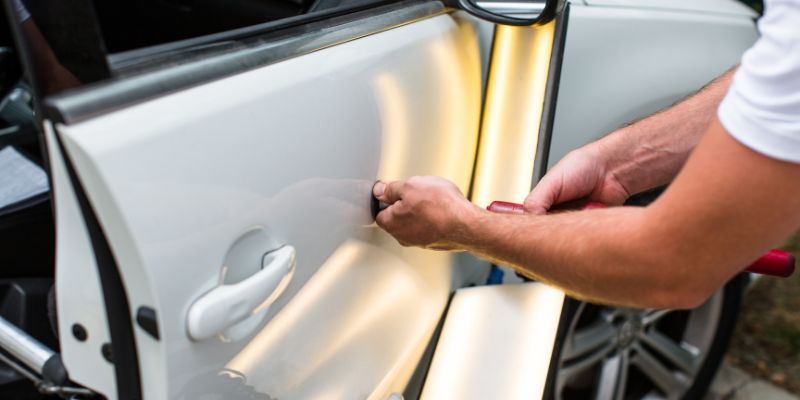
I kept hearing about Paintless Dent Repair, so I looked into it. PDR is a pro technique where technicians use special tools to push or pull dents from behind without damaging the paint. I watched a PDR guy fix a dent at a shop, and it was like magic—the dent disappeared in minutes.
PDR works best for shallow dents with no paint damage. It’s faster and cheaper than traditional repairs, which involve sanding and repainting. I didn’t need PDR for my dent, but it’s a great option if you go pro. Costs are usually $75-$200 per dent, depending on size and location.
Environmental Benefits of Fixing Dents
Fixing dents isn’t just good for your car—it’s good for the planet. I learned that repairing a dent instead of replacing a hood reduces waste. A new hood can cost $500-$1,000 and adds to landfill junk. Using DIY methods like a plunger or vinegar keeps harsh chemicals out of the environment. Even PDR is eco-friendly since it avoids paint and fillers. I felt good knowing my repair was green and budget-friendly.
Why I Love a Dent-Free Hood
Getting that dent out of my hood was so satisfying. Every time I walk up to my car, I smile knowing it looks smooth and shiny again. It’s not just about looks—it’s about pride in my ride and protecting its value. Plus, I learned a new skill and saved money. Whether you’re a car buff or just want your vehicle looking sharp, fixing a dent is worth the effort.
Wrapping It Up
Getting dents out of a car hood doesn’t have to be a headache. I went from stressing over that ugly dent to beaming with pride over my smooth, shiny hood. With simple tools like a plunger or a dent puller kit, you can tackle most dents yourself and save a bundle. For bigger dents, a pro can make your hood look brand new. By knowing your dent type, picking the right method, and preventing future dings, you’ll keep your car in top shape. So, grab your tools, put on some music, and give your hood the love it deserves. You’ll be amazed at how great it looks—and feels—to drive a dent-free car!
FAQs
Can I fix a dent in my car hood myself?
Yes, shallow dents are easy to fix with a plunger, hairdryer, or dent puller kit. I fixed mine in a couple of hours. Deep or creased dents might need a pro.
How much does it cost to remove a dent from a car hood?
DIY costs $20-$50 for supplies like a dent puller or paint. I spent $35. Professional repairs range from $75-$500, depending on the dent size.
What’s the best way to prevent dents on my hood?
Park away from carts or trees, use a car cover in storms, and wax regularly. I started parking smarter, and it’s kept my hood dent-free.
Will fixing a dent damage my car’s paint?
Not if you’re careful. Methods like plungers or PDR avoid paint damage. I used touch-up paint for a small scratch to keep it safe.
When should I call a professional for a dent?
If the dent is deep, creased, or has bad paint damage, a pro is best. I’d have gone pro if my dent was bigger than a baseball.