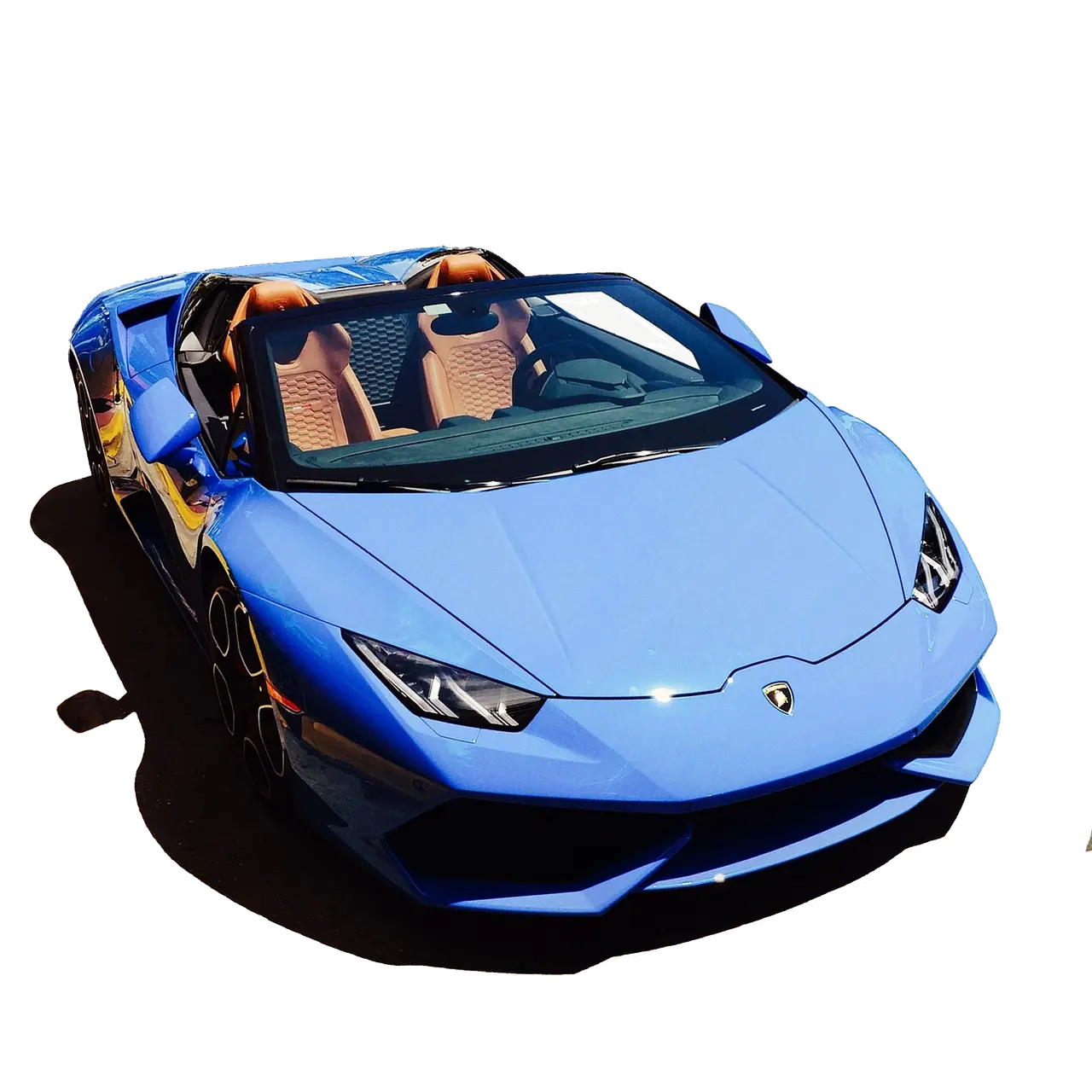
Genuine Leather Seat Covers for Cars: Upgrade Your Ride in Style
Genuine leather seat covers fit the bill when you want a leather interior feel, a close-to-factory look, and longer service life than many cheaper materials, without replacing the whole seat; choose full replacement if the foam, springs, or seat frame are damaged. Poor fit can block airbags, wrinkle fast, and waste money. This guide compares genuine leather covers with faux leather and full seat replacement, then shows how to judge fit, safety, comfort, and total cost.
Genuine leather seat covers explained
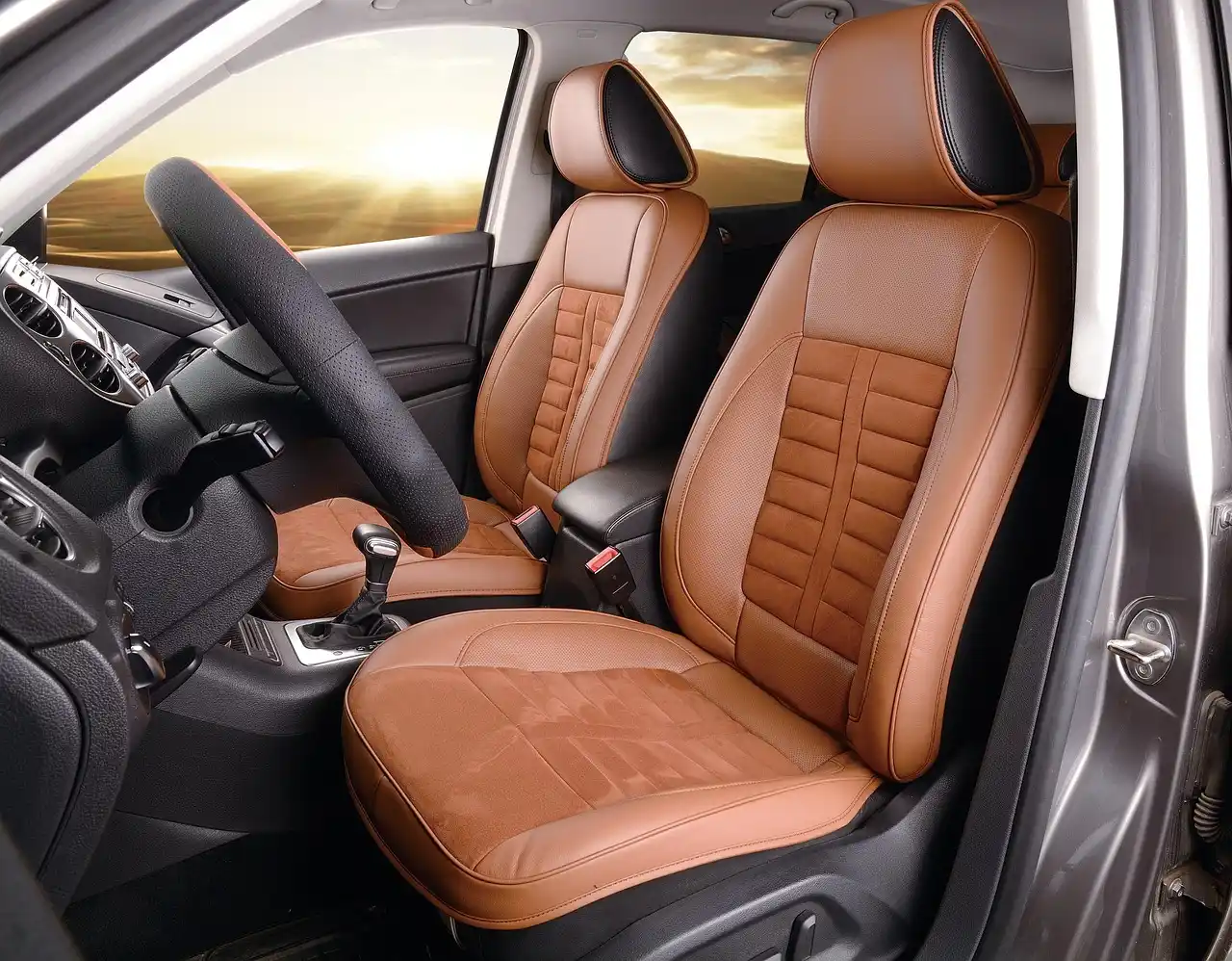


Genuine leather seat covers use real leather seating surfaces, usually paired with vinyl trim, foam backing, or both. They are usually not the same thing as a full upholstery replacement. The best versions are cut for a specific vehicle pattern so they follow the seat shape instead of hanging like a loose universal cover.
What real leather covers usually include
Expect a leather seating surface on the contact areas, with upholstery-grade vinyl often used on less visible panels, bolsters, or trim strips. That mix keeps cost and wear in check. Some kits also add memory foam backing for extra padding, though thickness can change how the seat feels and how freely air moves through it.
How insert covers differ from full replacement upholstery
Insert-style covers sit over the original upholstery and leave the factory seat structure in place. OEM-style replacement upholstery is different: it is made to replace the factory skin and restore a near-original look. The Seat Shop says it specializes in exact-fit OEM leather seat covers and that its covers replace factory upholstery.
Who this upgrade suits best
This upgrade makes the most sense for owners who want a cleaner cabin, easier wipe-down cleaning, and a more factory-like look without replacing the whole seat. It is less appealing if the seat foam is collapsed, the frame is damaged, or you want the fastest possible low-cost refresh. In those cases, the money may be better spent elsewhere.
Are genuine leather seat covers worth it?
They are worth it when the goal is to improve the cabin with a material that feels more premium than cloth or faux leather and can wear well over time. They are less compelling if you want the lowest price, the easiest DIY install, or the best airflow for ventilated seats. Fit and use case matter more than the material alone.
Daily drivers and commuters
For daily use, genuine leather can be a strong choice if you keep the car long enough to benefit from the material’s wear and easier wipe-down cleaning. The key tradeoff is maintenance. Leather needs occasional conditioning, and cheaper installs can wrinkle sooner if the pattern does not match the seat contour closely.
Family cars and pet use
For family vehicles, leather seat covers can handle spills better than cloth, but they are not maintenance-free. Sand, crumbs, and pet nails still matter. A custom-fit cover usually holds better than a loose slip-on because it stays put under child seats and does not bunch where kids climb in and out.
Work trucks and higher-wear interiors
In work trucks, leather can pay off when the truck sees repeated entry and exit, dusty clothing, or tools that rub the bolsters. Full replacement upholstery is the cleaner answer if the original seat surface is already torn, but insert covers can be enough when the base seat is still sound.
Leather seat cover decision table
| Option | Price range | Install difficulty | Fit precision | Cleaning effort | Heat and airflow impact | Best use case |
|---|---|---|---|---|---|---|
| Genuine leather insert seat covers | Commonly mid to high; Covers and Camo lists a starting price of $999.00 | Moderate to hard; DIY may need hog rings, clips, Velcro, zippers, and seat removal | High when cut for the exact make and model | Moderate; wipe-down care plus periodic conditioning | Can reduce ventilation flow; heated seats still work, but response may be slower | Drivers who want a factory-like upgrade without full upholstery replacement |
| Faux leather covers | Usually lower than real leather; Joyous Automotive lists slip-on custom covers starting as low as $399 | Easy to moderate | Varies widely; best with vehicle-specific patterns | Low to moderate; usually easy to wipe clean | Often similar airflow limits, sometimes more heat buildup than cloth | Budget refreshes, leases, short ownership plans |
| OEM-style replacement upholstery | Usually highest; labor adds more because the original upholstery is replaced | Hard; often professional only | Very high when built for the exact seat design | Moderate; similar leather care once installed | Depends on pattern and foam build, but factory-like fit is the target | Restoration, damaged factory upholstery, original-look upgrades |
How fit and compatibility work
Vehicle-specific fit matters more than universal covers because the seat shape, side bolsters, headrests, split benches, and controls vary from one vehicle to another. A good pattern hugs the contours instead of fighting them. Katzkin says it offers designs for over 3,000 vehicle models, which shows how much patterning matters.
Vehicle-specific patterning
Look for make/model matching, not just a generic size label. Exact-fit or custom-fit patterning should account for seat contours, armrests, and opening points for airbags and controls. Ridies says it uses Nappa, genuine leather, or suede, which is another reminder that material choice and patterning are separate decisions.
Seat contours, headrests, and split benches
Headrests, split-fold rear benches, and pronounced bolsters can change how a cover lands on the seat. If the seat has deep contours, a cover with weak patterning can pucker at the edges or sit loose at the center. That is where OEM-style replacement upholstery usually looks cleaner than a generic insert kit.
Heated, ventilated, and power-adjustable seats
Many leather cover systems work with heated seats, and some are listed as compatible with heated and AC seats. Covers and Camo says AC airflow is diminished with any seat cover, and that point matters. If your vehicle has ventilated seats, expect some airflow reduction and slower thermal transfer than bare upholstery.
Suppose a crossover has perforated factory seats and a ventilated driver’s cushion. Add a thick cover with about 1/2 inch memory foam backing, and the seat may still cool or heat, but it will do it less quickly. The comfort gain can still be worthwhile; the airflow loss should not be ignored.
Can you install them yourself?
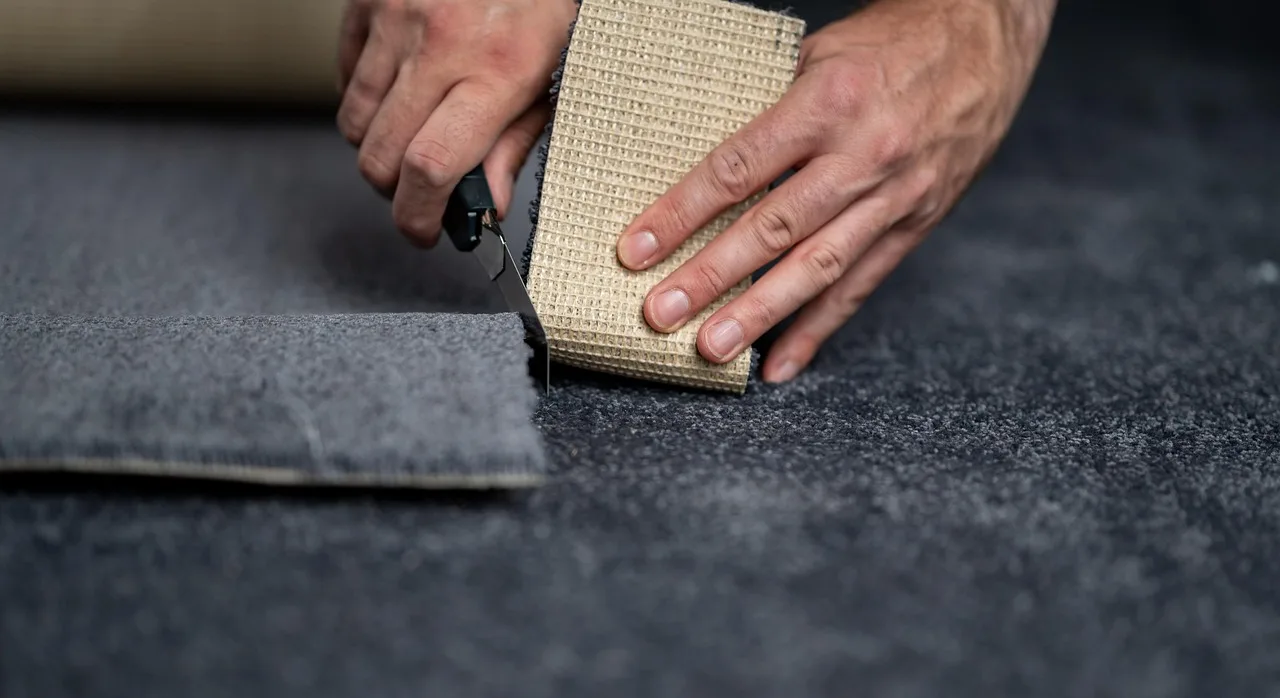
Yes, sometimes. DIY installation is realistic for some vehicles and not for others. The difficulty depends on seat design, whether the seat must be removed, and whether the kit uses hog rings, clips, Velcro, or zippers. If the vehicle has side airbags or seat wiring, the margin for error gets much smaller during installation.
DIY hardware and seat removal
Many exact-fit kits need the seat removed so the cover can be anchored underneath and around the bolsters. Hog rings are common on better-fitting kits, while clips, Velcro, and zippers help hold the cover in place during daily use. If the seat has sharp contours, skipping seat removal often leads to wrinkles and shifting.
- Confirm the exact year, trim, and seat layout before ordering.
- Check whether the kit needs seat removal and hog rings.
- Inspect side-airbag locations and any seat wiring under the cushion.
- Dry-fit the cover before fully fastening it.
- Verify that controls, latches, and sensors still move freely.
Professional installation and labor costs
Professional install is often the safer choice when the vehicle has side airbags, heated or ventilated seats, complex split benches, or power functions under the cushion. Labor can push the total cost up quickly. For that reason, the real installed price depends on seat count, trim level, add-ons, and whether the installer must remove seats and trim panels.
Airbag and wiring checks before installation
Airbag-compatible seat covers need the right seam design and proper side-airbag clearance. If a cover blocks the deployment path or interferes with sensor wiring, that is a safety issue, not a cosmetic one. Before installation, inspect for tagged airbag seams, intact wiring paths, and clear access around the seat-mounted airbag area.
What is the difference between genuine leather and faux leather seat covers?

Genuine leather uses real hide on the seating surface, so the feel, grain, and aging pattern are different from faux leather. Faux leather is usually easier on the budget, but it can wear and crease differently over time. The better choice depends on how long you plan to keep the vehicle and how much maintenance you accept.
Feel and aging over time
Real leather tends to develop a used-but-durable look if cared for properly, while lower-grade synthetic material may split or peel with age. That does not make faux leather a bad choice. It simply means the ownership curve is different. Real leather is usually the higher-cost material, and that cost shows up in both feel and upkeep.
Cleaning and stain resistance
Both materials are easier to wipe clean than cloth, but neither is maintenance-free. Leather needs dusting, gentle wiping, and conditioning to help prevent drying and cracking. For stains, use a cleaner meant for leather interiors and avoid soaking the seam lines. Faux leather may tolerate quicker wipe-downs, but it can still discolor or harden.
Heat retention and airflow
Leather and faux leather both change how a seat heats and breathes. Covers can reduce airflow from ventilated seats and add a little insulating layer over heated seats. That does not make them unusable, but it does mean comfort tradeoffs are part of the purchase. Cooler, drier cabins usually favor thinner construction.
How much do genuine leather seat covers cost installed?
Installed cost depends on the seat count, the amount of custom patterning, the install method, and whether the job stays with insert covers or moves to full upholstery replacement. A simple two-row project can land far below a full interior re-trim. A complex SUV with airbag-safe patterning and labor can cost much more.
Installed price by vehicle segment
Entry-level custom slip-on kits can start near $399 for simpler covers, while real-leather custom kits can begin around $999.00 before labor. Once installation is added, expect the total to climb with seat count and complexity. Exact-fit OEM-style replacement work usually costs more than insert covers because it replaces the factory upholstery itself.
Warranty terms and fit adjustments
Warranty details matter because fit issues show up after installation. Covers and Camo says it includes a 2 year warranty, while some vendors limit coverage to workmanship defects or material issues. Ask whether adjustments for fit are included, whether the warranty covers seams and hardware, and what happens if the pattern needs correction.
Lead time and shipping expectations
Production time can be longer than the shipping label suggests. Covers and Camo says shipping is 3-4 weeks, which reflects lead time as much as transit. The same source says it ships free to 48 contiguous states. That kind of detail matters when the vehicle is a daily driver and cannot sit apart for long.
Picture a work truck that needs front seats replaced before a job starts in a month. A 3-4 week lead time leaves little room for mistakes, remakes, or installer delays. In that case, you should confirm pattern accuracy, shipping timing, and any fit-adjustment policy before paying.
Frequently asked questions
Are genuine leather seat covers worth it for cars?
They are worth it if you want a more factory-like interior, longer service life than many faux materials, and easier cleaning than cloth. They are less compelling if you need the lowest price or the best airflow for ventilated seats. The value depends on fit quality, install quality, and how long you plan to keep the car.
Do genuine leather seat covers fit over heated and ventilated seats?
Many do, but compatibility is not the same as unchanged performance. Heated seats usually still work, though they may warm more slowly. Ventilated seats can lose airflow through the cover, especially with thicker foam backing. Check whether the kit is specifically listed for heated and AC seats before ordering.
Are leather seat covers safe with side airbags?
They can be safe if the cover is designed with airbag-compatible seam placement and proper side-airbag clearance. If not, the cover can interfere with deployment. Check for vehicle-specific fit, tagged airbag seams, and clear routing around the seat wiring. When in doubt, professional installation is the safer path.
Can I install genuine leather seat covers myself?
Sometimes, yes. DIY installation is more realistic on simpler seats and less realistic on vehicles with side airbags, seat sensors, power adjustment, or complex bolsters. If the kit needs hog rings, seat removal, or detailed reassembly, a professional install reduces the risk of poor fit, wrinkles, and wiring mistakes.
Will genuine leather seat covers work on my exact make and model?
Only if the kit is patterned for your exact seat design. Make and model alone is not enough when trim level, seat package, or row configuration changes the shape. Look for exact-fit or custom-fit patterning and confirm compatibility with headrests, split benches, airbag seams, and power-seat controls.
How do I clean and maintain genuine leather seat covers?
Dust them regularly, wipe spills promptly with a leather-safe cleaner, and condition them on a sensible schedule to slow drying and cracking. Avoid soaking seams or using harsh cleaners. If the vehicle sees heavy sun exposure, extra conditioning and sun protection matter more because heat and UV accelerate wear.
Products related to this article
Sponsored / affiliate links. As an Amazon Associate I earn from qualifying purchases. I may earn additional commission from eligible campaigns.
 FLORICH Leather Seat Cover, Car Seat Covers Front Set, Waterproof Car Seat Protectors, Front Seat Covers 2 Pack, Breathable Automotive Seat Covers Protector Fit for Most Cars Trucks SUV
 truckerset Car Seat Covers Full Set, Leather Seat Covers for Cars, 5 Pcak Breathable Seat Cover, Suitable for SUV/Truck/Sedan/Automotive (Gray)