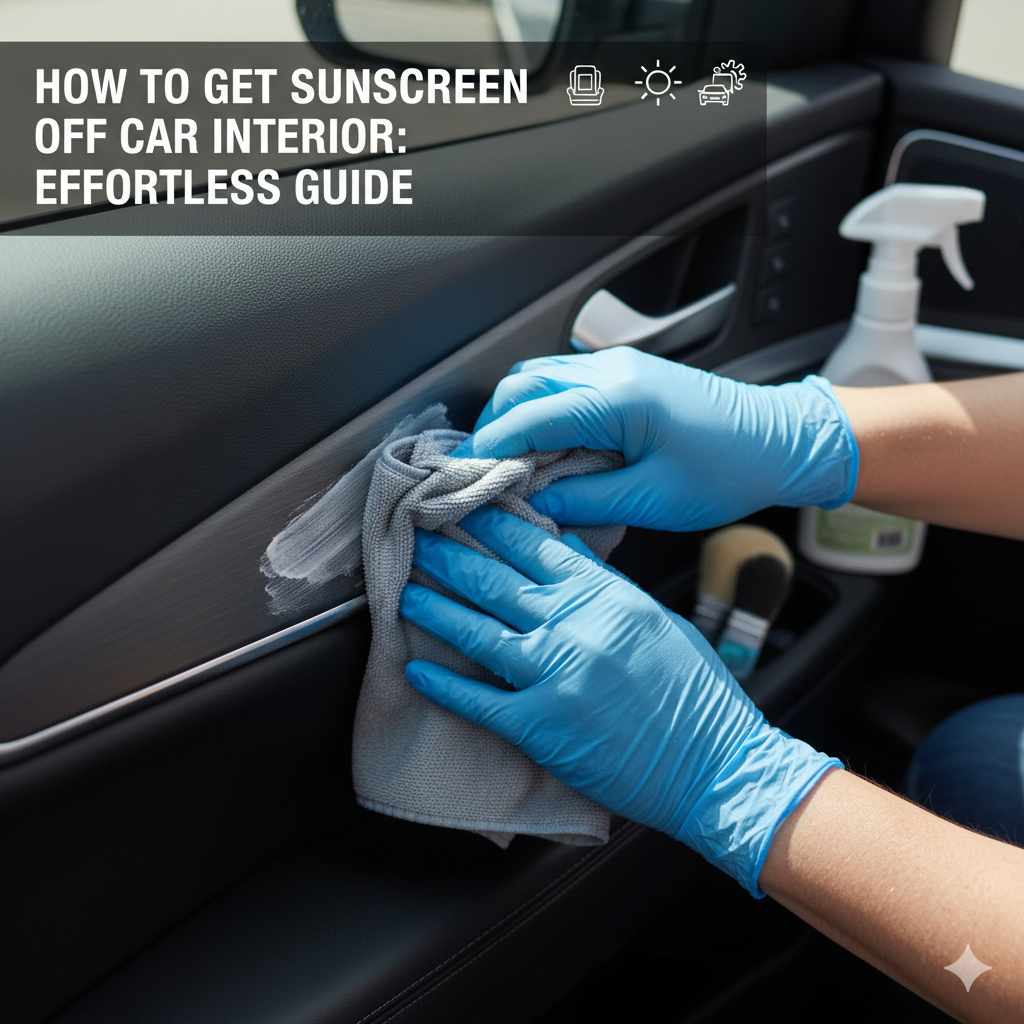
How to Get Sunscreen Off Car Interior: Effortless Guide
Effectively remove sunscreen stains from your car’s interior with simple household items. This guide offers easy, step-by-step methods for various surfaces like leather, fabric, and plastic/vinyl, restoring your car’s clean look without harsh chemicals or damage. Learn how to tackle these greasy marks with confidence!
Hey there, car family! Md Meraj here, your go-to guide for keeping your ride looking and feeling its best. We’ve all been there, right? You’re heading out for a sunny day adventure, slathering on sunscreen to protect your skin. But then, a little smudge or a greasy transfer happens on your beloved car’s interior. Suddenly, those once-pristine seats or dashboard have an unwanted, often stubborn, sunscreen stain. It can be frustrating, especially when you’re worried about damaging the materials or using harsh chemicals.
But don’t you worry! Getting sunscreen off your car interior doesn’t have to be a headache. I’ve put together a straightforward guide with simple, effective methods that work on different surfaces. We’ll tackle those greasy marks together, leaving your car looking fresh and clean. Let’s dive in and restore that showroom shine!
Why Sunscreen Can Be Tricky for Car Interiors
Sunscreen is fantastic for our skin, but it’s formulated to be oily and water-resistant. This means it can penetrate porous surfaces and bind to materials in your car’s interior, making it harder to remove than a simple dust smudge. The oils and chemicals in sunscreen can leave behind greasy residues, and if left untreated, these can attract dirt and make stains even tougher to lift.
Most car interiors are made from a variety of materials, each requiring a slightly different approach. What works wonders on leather might not be the best for fabric seats, and harsh cleaners could harm delicate surfaces like your dashboard or infotainment screen. The goal is to break down those oily sunscreen components without stripping color, causing cracks, or leaving behind new marks. This guide is designed to help you do just that, safely and effectively.
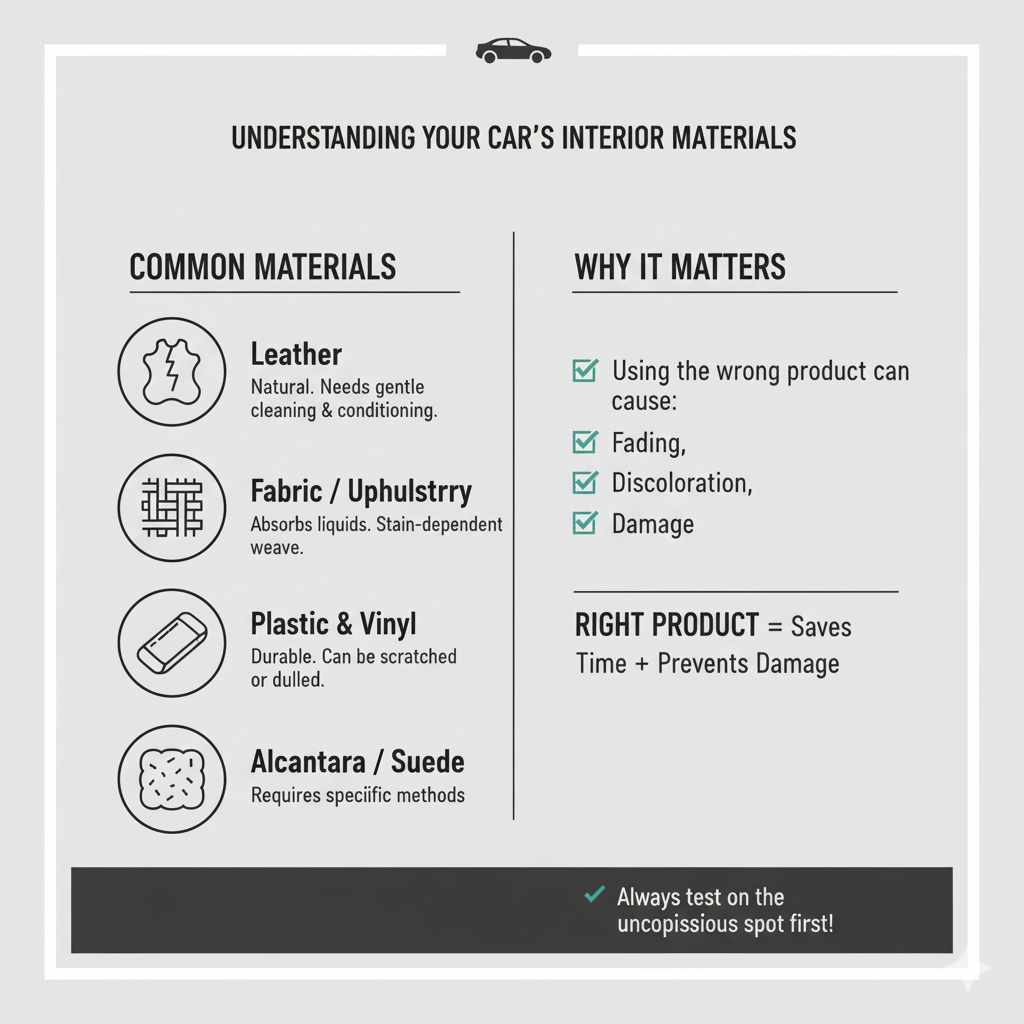
Understanding Your Car’s Interior Materials
Before we grab any cleaning supplies, it’s super important to know what you’re dealing with. Different car interior materials react differently to cleaning agents. Using the wrong product can cause fading, discoloration, or even damage. Here’s a quick rundown of common interior surfaces and what makes them unique:
- Leather: This is a natural material that can dry out or crack if exposed to harsh chemicals or excessive heat. It needs gentle cleaning and conditioning.
- Fabric/Upholstery: These can absorb liquids and stains. The weave and type of fabric (e.g., cloth, microfiber) will influence how easily a stain lifts.
- Plastic & Vinyl: These are common for dashboards, door panels, and trim. They are generally durable but can be scratched or dulled by abrasive cleaners.
- Alcantara/Suede: A softer, more delicate material often found in luxury vehicles. It requires very specific, gentle cleaning methods.
Knowing your material helps you choose the right cleaning solution from the start, saving you time and preventing potential damage. Most of the methods we’ll discuss are gentle enough for most surfaces, but it’s always a good idea to test any cleaner on an inconspicuous spot first.
Essential Tools and Supplies You’ll Need
Gathering your supplies beforehand makes the cleaning process smooth and efficient. You might already have most of these items around your home! Here’s what I recommend having on hand:
- Microfiber Cloths: These are your best friends for car cleaning. They are soft, absorbent, and won’t scratch surfaces. Have a few clean ones ready.
- Water: Simple, clean water is often the first step.
- Mild Dish Soap: A natural degreaser that can help break down oily sunscreen. Look for a gentle formula.
- Rubbing Alcohol (Isopropyl Alcohol): A fantastic solvent that can lift oily stains. Use it carefully and diluted for sensitive surfaces. A concentration of 70% is generally safe and effective.
- Baking Soda: A mild abrasive and odor absorber, useful for fabric stains.
- White Vinegar: Another natural cleaner effective against many types of stains and grime.
- Interior Car Cleaner (pH-neutral): A dedicated cleaner designed for automotive interiors can be a safe bet. Always choose one labeled safe for your specific interior material.
- Cotton Swabs or Cotton Balls: For precise application on small spots.
- Small Bowl or Bucket: For mixing cleaning solutions.
- Stiff Bristle Brush (soft to medium): For working cleaning solutions into fabric or textured plastics. Avoid overly stiff brushes on delicate surfaces.
- Leather Cleaner and Conditioner (if applicable): Essential for maintaining leather after cleaning.
- Vacuum Cleaner with Attachments: To remove loose debris before and after cleaning.
A Note on Safety and Testing
Before applying any cleaning solution, especially if it’s a new product or you’re unsure about your car’s interior material, always perform a spot test. Find a small, hidden area of the surface (like under a seat or in a corner of the dashboard) and apply a tiny amount of the cleaner. Let it sit for a few minutes, then wipe it off. Check for any discoloration, fading, or damage. This simple step can save you a lot of trouble later!
Step-by-Step Guide: How to Get Sunscreen Off Car Interior
Now that you’re prepped with your tools and materials, let’s get down to business! This guide breaks down the process by common interior surfaces.
Method 1: For Fabric Seats and Upholstery
Fabric can absorb sunscreen, making stains a bit more challenging. The key here is to lift the stain without spreading it or soaking the fabric too much.
- Initial Wipe-Down: First, gently try to blot up any excess sunscreen with a clean, dry microfiber cloth. Don’t rub, as this can push the stain deeper into the fabric fibers.
- Mild Soap Solution: Mix a drop or two of mild dish soap with a cup of warm water in a small bowl. Dampen a clean microfiber cloth with this solution (wring it out so it’s not dripping wet).
- Gentle Blotting: Carefully blot the stained area with the damp cloth. Work from the outside of the stain inward to prevent spreading. You should see some of the sunscreen transferring to the cloth.
- Rinse: Dampen a fresh microfiber cloth with plain water and blot the area to remove any soap residue.
- Drying: Pat the area dry with a clean, dry microfiber cloth. Allow it to air dry completely.
- Stubborn Stains (Baking Soda Paste): If a faint mark remains, you can try a baking soda paste. Mix baking soda with a little water to form a paste. Apply it to the stain and let it sit for about 10-15 minutes. Gently brush it away with a soft brush, then vacuum up any residue. Follow up with the soap solution if needed.
- Stubborn Stains (Vinegar Solution): Alternatively, for tough stains, mix equal parts white vinegar and water in a spray bottle. Lightly mist the stained area. Let it sit for a few minutes, then blot with a damp cloth as described in step 3 and 4. Vinegar can help break down oils.
Method 2: For Leather Seats and Surfaces
Leather is beautiful but sensitive. Harsh chemicals can dry it out, leading to cracks. Gentle, effective cleaning is vital.
- Blot Excess: As with fabric, start by gently blotting any excess sunscreen with a clean, dry microfiber cloth.
- Mild Soap and Water: Mix a very small amount of mild dish soap with water. Dampen a microfiber cloth with the solution and wring it out thoroughly.
- Gentle Wipe: Gently wipe the sunscreen mark. Avoid scrubbing vigorously, as this can damage the leather’s surface or finish.
- Rinse: Use a separate, clean microfiber cloth dampened with plain water to wipe away any soap residue.
- Dry: Immediately dry the area with a clean, dry microfiber cloth.
- Alcohol Spot Treatment (for tough spots): If the stain persists, you can try a very diluted rubbing alcohol solution. Mix one part 70% isopropyl alcohol with three parts water. Dampen a cotton swab or the corner of a microfiber cloth with this solution (don’t saturate it!). Gently dab at the stain. Work quickly and in small areas. Immediately follow up by wiping with a damp cloth (plain water) to remove alcohol residue, and then dry thoroughly with a clean towel. Always test this in an inconspicuous area first, as alcohol can sometimes lighten leather.
- Condition the Leather: Once the leather is clean and dry, apply a good quality leather conditioner. This replenishes moisture and protects the leather, restoring its suppleness and preventing it from cracking. Mass-produce car care information often oversimplifies leather care, but conditioning is key to its longevity.
Method 3: For Plastic and Vinyl Surfaces (Dashboard, Door Panels, Trim)
These surfaces are generally more forgiving but can still be scratched or discolored by the wrong cleaners.
- Wipe Away Residue: Use a dry microfiber cloth to gently wipe away any loose sunscreen residue.
- Mild Soap Solution: Mix a few drops of mild dish soap with warm water. Dampen a microfiber cloth with this solution and wring it out well.
- Clean the Area: Wipe down the affected plastic or vinyl surface. For textured areas, you might need to use a soft-bristle brush to gently work the solution into the crevices.
- Rinse: Use a clean cloth dampened with plain water to wipe away the soap residue.
- Dry: Dry the surface thoroughly with a clean, dry microfiber cloth.
- Alcohol for Tougher Grime: For stubborn, greasy sunscreen marks on durable plastic or vinyl (again, test first!), you can use a slightly stronger alcohol solution. Mix equal parts 70% isopropyl alcohol and water, or use the alcohol sparingly on a cloth. Gently rub the stain. Immediately follow up with a damp cloth (water) to remove alcohol residue and wipe dry. Harsh scrubbing or ammonia-based cleaners should be avoided, as they can dull or damage the finish.
- Protectant (Optional): After cleaning, you can apply a dedicated automotive interior protectant designed for plastic and vinyl. These products help restore shine and offer UV protection, preventing future fading and cracking. Ensure the product is specifically for interiors and safe for the type of plastic/vinyl you have.
Method 4: For Sensitive Surfaces like Screens and Electronics
Many modern cars have large touchscreen displays or electronic controls. Sunscreen on these needs extra care.
- Power Down: Always turn off the car and ensure any screens are completely off before cleaning.
- Use a Dedicated Screen Cleaner: The safest option is a specialized electronics cleaner designed for car screens or a mixture of distilled water. Avoid harsh chemicals, Windex (which can damage anti-glare coatings), or excessive moisture.
- Lightly Dampen Microfiber: Lightly dampen a clean, lint-free microfiber cloth with the cleaner or distilled water. Wring it out until it is barely damp.
- Gentle Wiping: Gently wipe the screen in a consistent direction (e.g., side to side or top to bottom). Avoid pressing too hard.
- Dry Immediately: Use a separate, dry microfiber cloth to gently dry the screen.
- Avoid Direct Spraying: Never spray liquid directly onto an electronic screen or control panel. Always spray onto your cloth first.
Table: Quick Reference for Sunscreen Removal by Material
Here’s a handy table to give you a quick overview of the best approaches for different interior materials:
| Interior Material | Recommended Cleaners | Things to Avoid | Key Steps |
|---|---|---|---|
| Fabric/Upholstery | Mild dish soap, water, baking soda, white vinegar (diluted) | Harsh detergents, excessive water saturation, aggressive scrubbing | Blot, gentle cleaning solution, blot to rinse, dry thoroughly |
| Leather | Mild dish soap (very diluted), water, dedicated leather cleaner & conditioner, occasional diluted rubbing alcohol (spot test!) | Ammonia-based cleaners, strong solvents, abrasive scrubbers, excessive heat | Blot, very mild soap solution, gentle wipe, rinse, dry, condition |
| Plastic/Vinyl | Mild dish soap, water, dedicated interior cleaner, diluted rubbing alcohol (spot test!) | Abrasive cleaners, ammonia, harsh degreasers, sharp objects | Wipe, mild soap solution, gentle scrub (if needed), rinse, dry, protectant (optional) |
| Screens/Electronics | Dedicated screen cleaner, distilled water | Household cleaners (Windex), ammonia, alcohol (unless diluted and tested), excessive moisture, direct spraying | Power off, barely damp cloth, gentle wipe, immediate dry |
When to Seek Professional Help
While most sunscreen stains can be tackled with the methods above, there are times when it’s best to call in the pros. If you have very delicate or antique car interiors, if the stain is extremely large or has set for a very long time, or if you’re particularly worried about damaging your car’s surfaces, a professional detailer has specialized tools and knowledge. They can often remove stains that DIY methods can’t, ensuring your car’s interior is handled with expert care. For instance, professional steam cleaning can be highly effective on fabric and in hard-to-reach areas.
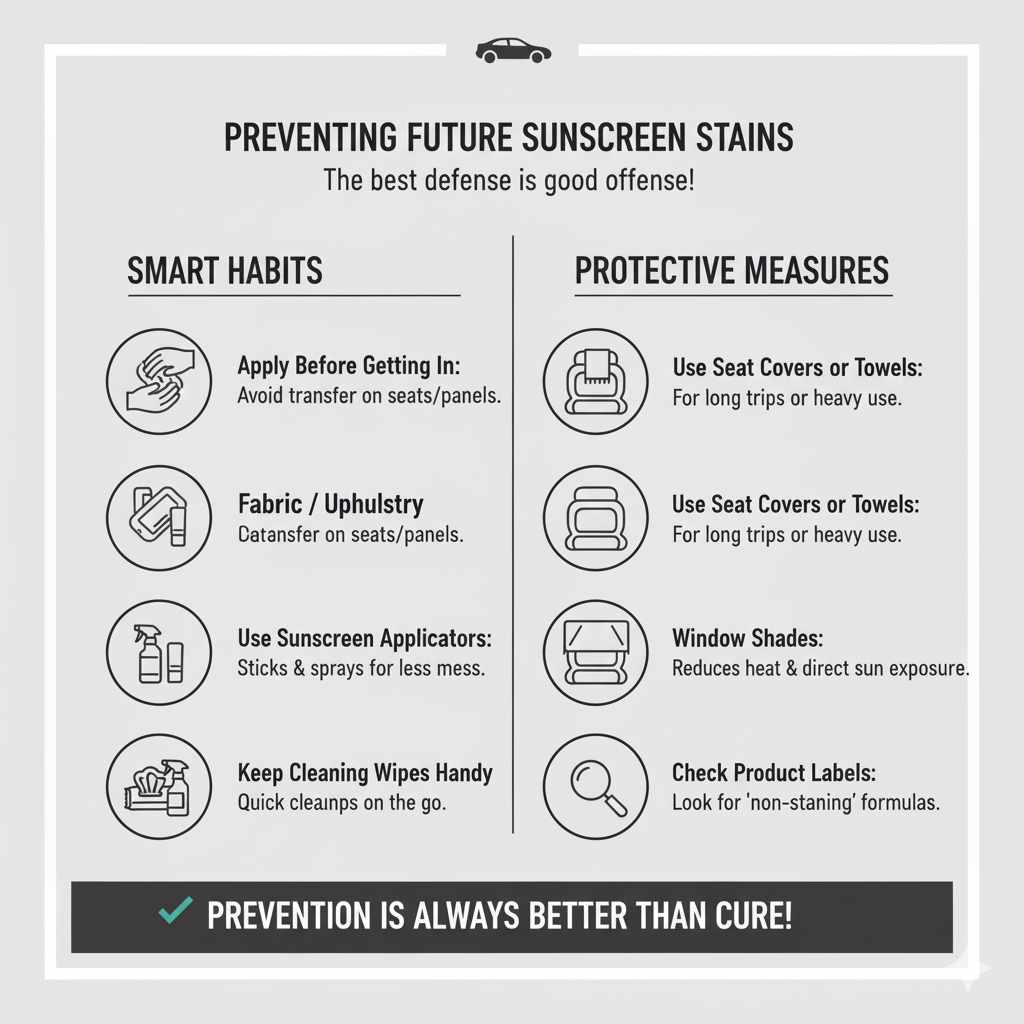
Preventing Future Sunscreen Stains
The best defense is a good offense, right? Here are a few tips to help prevent sunscreen from becoming a problem in your car:
- Apply Sunscreen Before Getting In: Whenever possible, apply your sunscreen before you get into the car. This reduces the chance of transferring it directly onto the seats or panels as you move around.
- Consider Sunscreen Applicators: There are now sunscreen sticks and sprays designed for easier application with less mess.
- Keep Cleaning Wipes Handy: Have a pack of automotive interior cleaning wipes (specifically designed for car interiors) or a microfiber cloth and a small spray bottle of interior cleaner in your glove compartment for quick cleanups.
- Use Seat Covers or Towels: For long road trips in sunny weather or if you’ll be applying a lot of sunscreen, consider using temporary seat covers or placing a towel on the seat where you’ll be sitting.
- Window Shades: Using a sunshade when parked can help reduce interior temperatures and limit prolonged exposure of sensitive surfaces to direct sunlight, which can sometimes bake in stains. You can find effective window shades at most auto parts stores or online retailers.
Frequently Asked Questions (FAQ)
Here are some common questions car owners have about removing sunscreen from their vehicle interiors:
Q1: Can I use baby wipes to remove sunscreen from my car interior?
A1: While baby wipes are generally gentle, they often contain lotions and perfumes that could leave a residue on your car’s interior. It’s best to use them only in a pinch and follow up with a proper cleaning. Specifically formulated automotive interior wipes or the methods described in this guide are safer and more effective.
Q2: How long should I let sunscreen stains sit before cleaning?
A2: The sooner you treat a sunscreen stain, the easier it will be to remove. Fresh stains are less likely to have deeply penetrated the material. While immediate cleaning is ideal, don’t despair if it’s been a day or two; many of these methods will still work effectively.
Q3: Is rubbing alcohol safe for all car interiors?
A3: Rubbing alcohol is a powerful solvent and can be drying or damaging to some materials, especially certain types of leather, painted surfaces, or plastics with delicate finishes. Always dilute it with water and test it in an inconspicuous area first. Use it sparingly and immediately wipe away residue with a damp cloth and then dry.
Q4: Will these methods damage my car’s UV protection or coatings?
A4: The methods recommended in this guide, especially those using mild soap and water or dedicated interior cleaners, are generally safe for most automotive surfaces and coatings. However, avoid abrasive scrubbers, harsh chemicals like ammonia or bleach, and excessive rubbing, as these can potentially damage protective layers or finishes. Always test any new cleaner in a hidden spot.
Q5: Can I use a steam cleaner on my car interior for sunscreen stains?
A5: Yes, a steam cleaner can be very effective, especially on fabric and upholstery, as the heat and moisture help lift oily residues. However, use it with caution on leather and plastics, and ensure you don’t over-saturate the material. It’s a tool often best used by professionals or those with experience.