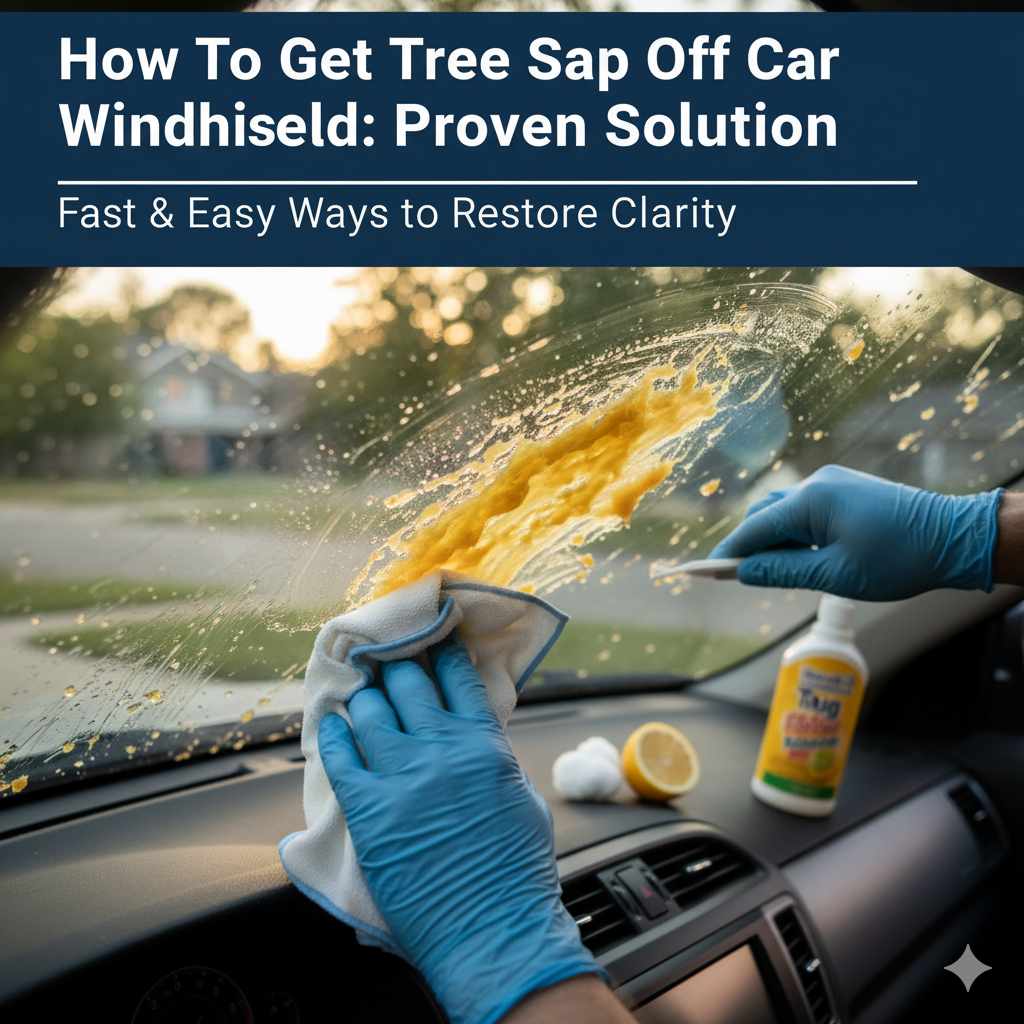
How to Get Tree Sap Off Car Windshield: Proven Solution
To effectively remove tree sap from your car windshield, gently soften the sap with rubbing alcohol or a specialized sap remover, then carefully wipe it away with a microfiber cloth. Avoid harsh scrubbing to protect your glass. This proven method is simple and safe for your car.
It’s a beautiful sunny day, perfect for a drive. You’re cruising along, windows down, enjoying the fresh air. Then, splat! A glob of sticky tree sap lands right on your windshield. Suddenly, that perfect drive feels a little less enjoyable. Tree sap can be stubborn, sticky, and unsightly, but don’t worry! As your trusted automotive guide, I’m here to show you the easiest and safest ways to get that sticky mess off your car’s glass. You don’t need fancy tools or a trip to the mechanic. With a few common household items and a little care, your windshield will be crystal clear again in no time. Let’s tackle this sticky problem head-on!
Why Tree Sap is Such a Sticky Problem
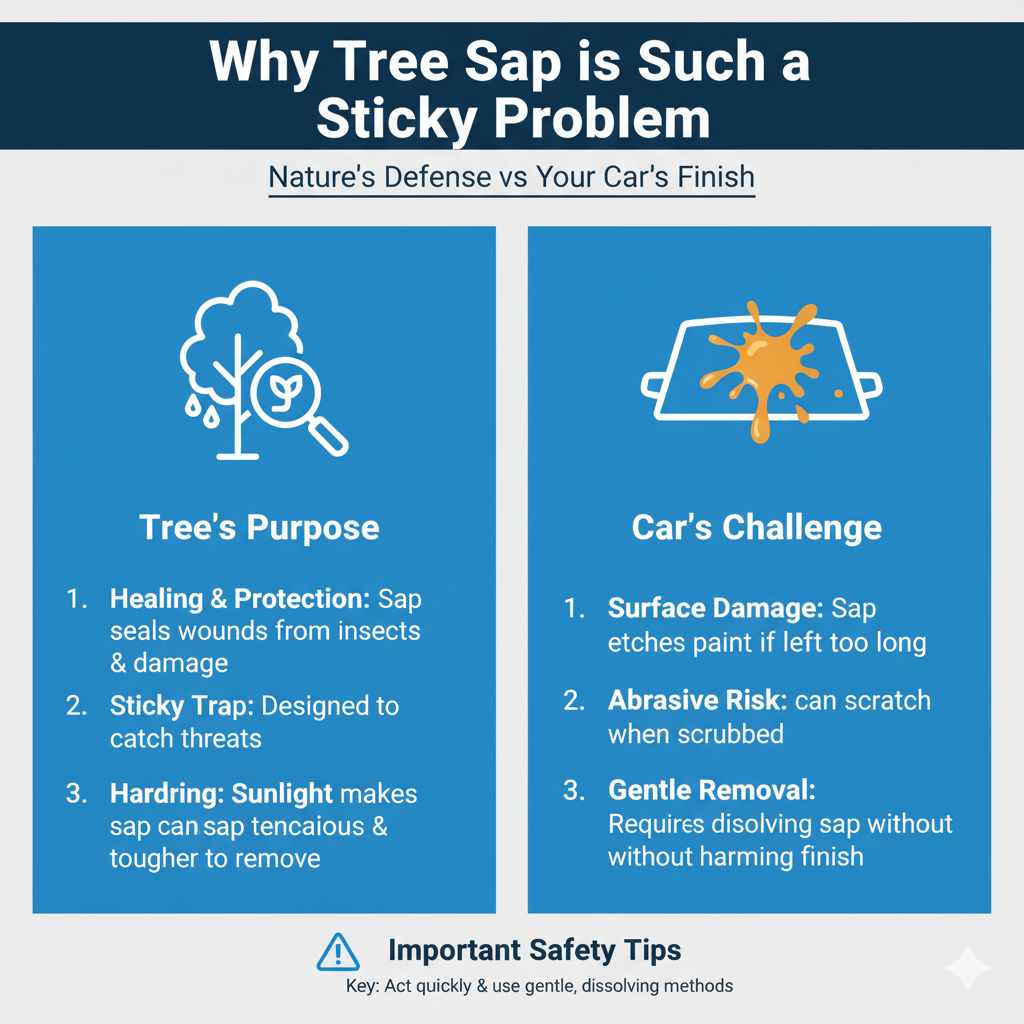
Tree sap is basically the tree’s way of healing itself. When a tree is damaged, like by a branch breaking off or an insect bite, it releases a sticky, sugary substance – the sap – to protect the wound. This sap is designed to be sticky to trap anything that might harm the tree further. For us and our cars, this means it can cling stubbornly to surfaces, especially warmer ones like your car’s paint and glass. Over time, especially under the sun, sap can harden and become even more difficult to remove, potentially leading to etching on your car’s finish if left too long.
The good news is that your car windshield and paint are designed to withstand various weather conditions. However, sap can be abrasive if it hardens and is then scrubbed aggressively, so gentle removal is key. We want to dissolve the sap’s stickiness without damaging the glass or any protective coatings. Let’s explore the best ways to achieve this without causing any harm to your beloved vehicle.
What You’ll Need: Your Sap-Fighting Arsenal
Before we start cleaning, let’s gather our supplies. Having everything ready will make the process smoother and more efficient. You likely have most of these items already in your home or garage. If not, they are readily available at any grocery or auto parts store.
Essential Tools and Cleaning Agents:
- Microfiber Cloths: These are crucial! They are soft, absorbent, and won’t scratch your windshield. Bring at least two clean ones.
- Rubbing Alcohol (Isopropyl Alcohol): A highly effective solvent that breaks down the stickiness of sap. Look for a concentration of 70% or higher.
- Car-Specific Bug and Tar Remover or Sap Remover: These products are formulated to safely dissolve sticky contaminants on automotive surfaces. They are a great alternative if you prefer not to use rubbing alcohol.
- Warm Water: For rinsing and softening stubborn spots.
- Mild Dish Soap: For a final clean.
- Newspaper: An old-school trick that cleans glass without leaving lint (though microfiber is generally preferred).
- Optional: Clay Bar Kit: For very stubborn, baked-on sap or if sap has transferred to the paint.
- Optional: Protective Gloves: To keep your hands clean and protected from cleaning agents.
Having these items on hand ensures you’re prepared for any sap situation that comes your way. Remember, the goal is to be effective but gentle on your car’s surfaces.
Step-by-Step Guide: How to Get Tree Sap Off Your Car Windshield
Removing tree sap from your car windshield might seem daunting, but it’s a straightforward process when you know how. We’ll go through a few methods, starting with the simplest and most effective.
Method 1: The Rubbing Alcohol Method (Safest & Most Common)
This is often the go-to method because rubbing alcohol is highly effective at dissolving sap and is usually readily available.
- Park in a Shady Spot: Direct sunlight can heat the glass, making the sap harder to remove and potentially causing cleaning solutions to evaporate too quickly.
- Dampen a Microfiber Cloth: Lightly wet a clean microfiber cloth with rubbing alcohol. You don’t want it dripping, just damp.
- Gently Dab the Sap: Place the dampened cloth directly onto the sap spot. Let it sit for about 30-60 seconds. This allows the alcohol to start breaking down the sap’s sticky bonds.
- Dab and Gently Wipe: After letting it sit, gently dab around the edges of the sap. Then, begin to gently wipe the sap away. You might need to reapply alcohol and repeat dabbing/wiping several times for tougher spots. Avoid aggressive scrubbing, which can scratch the glass.
- For Stubborn Spots: If the sap is very thick or has been there for a while, you might need to use a plastic scraper or a razor blade (held at a very low angle, almost flat against the glass) to carefully lift the softened sap. Be extremely cautious with this step to avoid scratching. Many automotive detailers recommend using a new, sharp blade at a low angle.
- Clean the Area: Once the sap is removed, clean the windshield with glass cleaner and a separate, clean microfiber cloth or newspaper to remove any alcohol residue and streaks.
- Final Rinse: You can give the area a quick rinse with water and dry thoroughly.
Method 2: Using a Commercial Bug and Tar Remover
These products are specifically designed for automotive contaminants and are very effective on sap.
- Read the Product Instructions: Always follow the manufacturer’s directions precisely.
- Spray or Apply: Apply the bug and tar remover directly to the sap spots or onto a microfiber cloth, as directed by the product.
- Let it Sit: Allow the product to dwell on the sap for the time recommended by the manufacturer. This is usually a few minutes.
- Gently Wipe Away: Use a clean microfiber cloth to gently wipe the loosened sap away. You may need to work in small sections.
- Rinse and Clean: Rinse the area thoroughly with water to remove all product residue and then clean the windshield with glass cleaner for a streak-free finish.
Method 3: The Warm Water and Dish Soap Soak
This method is best for small, fresh sap spots or as a follow-up after initial removal.
- Prepare a Solution: Mix a few drops of mild dish soap with warm water in a bucket.
- Soak a Cloth: Dip a clean microfiber cloth into the warm, soapy water and wring it out so it’s damp but not dripping.
- Apply to Sap: Place the warm, damp cloth over the sap spot and let it sit for a few minutes. The warmth and soap help to soften the sap.
- Gently Rub: After a few minutes, gently rub the sap spot in a circular motion. The sap should start to loosen.
- Wipe Clean: Use a clean, dry microfiber cloth to wipe away the loosened sap.
- Rinse and Dry: Rinse the area with clean water and dry thoroughly.
When Sap Has Touched Your Car’s Paint
Tree sap isn’t just a windshield issue; it often lands on your car’s paint too. It’s important to remove sap from paint as quickly as possible because it can etch into the clear coat if left too long, especially in the sun. The methods above can be adapted for paint, but extra care is needed.
Removing Sap from Car Paint:
- Use a Dedicated Car Wash Soap: Always wash your car with a pH-balanced car wash soap, never dish soap, as dish soap can strip protective waxes and sealants from your paint.
- Gentle Solvents: Rubbing alcohol can be used sparingly on paint, but always test on an inconspicuous area first. Specialized bug and tar removers are generally safer for paint.
- Detailing Clay Bar: For stubborn sap that doesn’t easily come off with solvents, a clay bar can be very effective when used with a proper lubricant. A clay bar gently lifts contaminants from the paint surface. For more information on using a clay bar safely, you can refer to resources like SEM’s guide on paint detailing and applications, which emphasizes proper product use for vehicle finishes.
- Wax or Sealant: After removing sap completely, consider applying a coat of wax or sealant to protect your paint.
It’s crucial to understand that sap can cause permanent damage if allowed to bake onto the paint. The faster you act, the better the outcome.
Tools and Techniques: A Comparison Table
Choosing the right tool can make all the difference. Here’s a quick comparison of common methods for removing tree sap from your car windshield:
| Method | Effectiveness | Risk of Scratching | Ease of Use | Best For |
|---|---|---|---|---|
| Rubbing Alcohol | High | Low (with proper technique) | Easy | Most sap situations, fresh & light-to-moderate hardened sap |
| Bug & Tar Remover | Very High | Low (specifically designed for cars) | Easy | Stubborn sap, tar, bugs, general grime |
| Warm Water & Dish Soap | Moderate | Very Low | Very Easy | Fresh, small sap spots, as a pre-treatment |
| Plastic Scraper/Razor Blade | High (for hardened sap) | Moderate to High (requires extreme care) | Moderate | Very thick, hardened sap spots, as a last resort |
| Clay Bar | High | Low (when used with lubricant) | Moderate | Baked-on sap, sap that solvents can’t lift, paint protection |
As you can see, rubbing alcohol and specialized bug and tar removers are your best friends for windshield sap. They offer a great balance of power and safety.
Preventing Future Sap Sits
While we can’t control the trees, we can take steps to minimize sap contact. Parking strategically is key.
- Park under Cover: Whenever possible, park in a garage or under a carport. This is the ultimate protection from sap, sun, and other elements.
- Avoid Parking Under Sap-Producing Trees: If you know a tree drops a lot of sap, try to park elsewhere. This might mean a slightly further walk, but it can save you cleaning headaches. Common sap-dropping trees include maples, pines, and firs, although many trees can produce sap.
- Consider a Car Cover: For situations where parking under a tree is unavoidable and no cover is available, a good quality car cover can shield your vehicle.
- Apply a Protectant: Keeping your windshield and paint waxed or sealed provides a protective barrier. Sap has a harder time sticking to a slick surface, and it’s generally easier to remove if it does. Researching sealants can be helpful, for instance, the Federal Highway Administration’s information on pavement markings and coatings indirectly highlights the importance of protective layers on surfaces against environmental contaminants. While focused on roads, the principle of protective coatings applies to all surfaces exposed to the elements.
A little bit of foresight can go a long way in keeping your car looking its best and saving you valuable cleaning time.
Dealing with Baked-On Sap
Sometimes, sap has been on the windshield for days or even weeks, baking under the sun. This makes it incredibly tough. Don’t despair! The same cleaning agents still work, but they require more patience and possibly more applications.
- Soften First: Start by dabbing the baked-on sap with rubbing alcohol or your tar remover. You want to give it time to break down.
- Repeat Applications: You will likely need to reapply the cleaner multiple times. Let it sit for a minute or two each time before attempting to wipe.
-
Gentle Scaping: If wiping isn’t enough, a plastic scraper or a razor blade (used with extreme caution and at a very low angle) can be employed. Think of it as gently prying; don’t force it.
- Always ensure the glass is wet when using a blade to minimize friction and the risk of scratching.
- A new, sharp blade is less likely to skip and scratch than a dull one.
- Wash Thoroughly: After all the sap is off, wash the entire windshield with glass cleaner to remove any residue and ensure a clear view.
Patience is your best friend when dealing with severely baked-on sap. Rushing the process is more likely to lead to scratches.
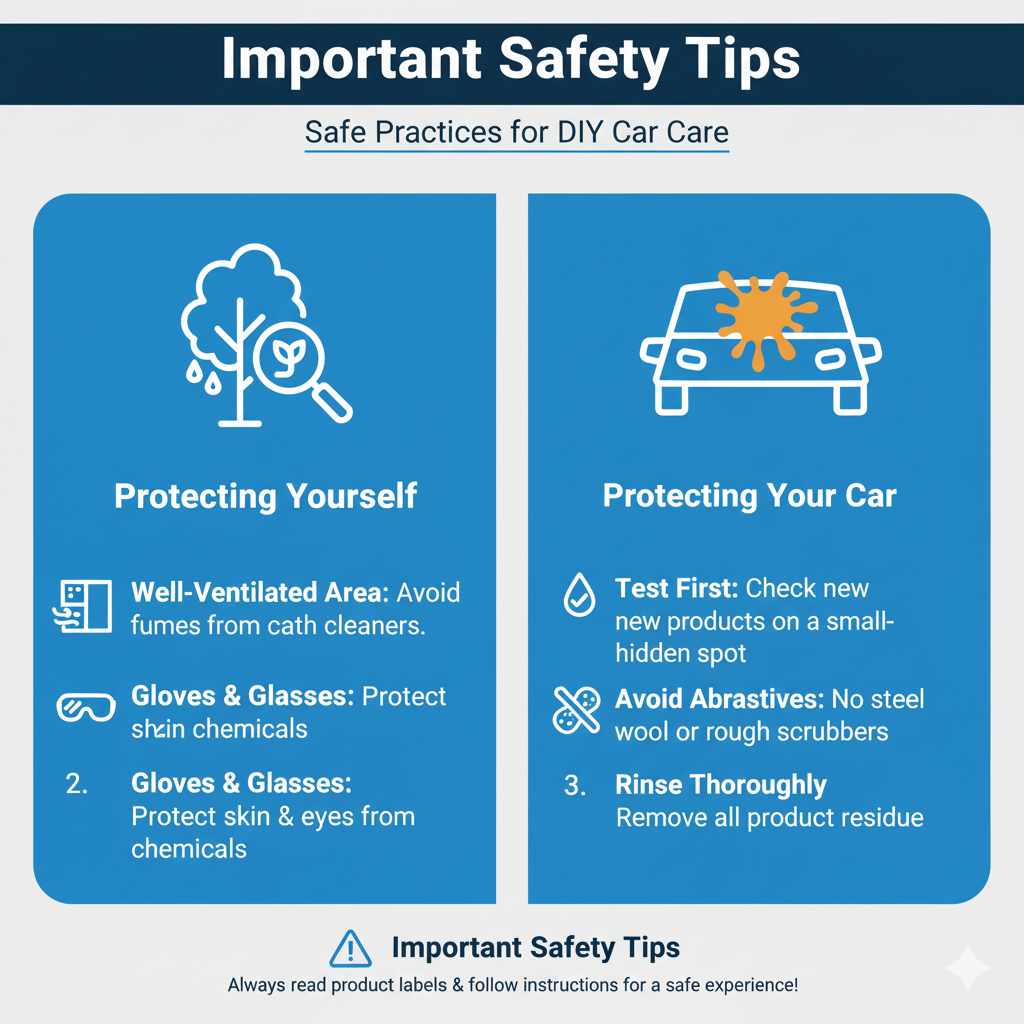
Important Safety Tips
Working on your car should always be a safe experience. Here are a few key safety points to keep in mind:
- Work in a Well-Ventilated Area: Ensure good airflow, especially when using rubbing alcohol or commercial cleaners.
- Wear Gloves: Protect your skin from cleaning solutions.
- Test in an Inconspicuous Area: If you’re using a new product or are worried about a surface, test it on a small, hidden spot first.
- Avoid Abrasive Materials: Never use steel wool, rough sponges, or abrasive cleaners on your car’s glass or paint, as they will cause scratches.
- Be Careful with Blades: If using a razor blade, keep your fingers away from the blade and always work at a very shallow angle to the glass.
- Rinse Thoroughly: Make sure all cleaning products are rinsed off completely to prevent them from causing damage or affecting visibility. According to the Occupational Safety and Health Administration (OSHA), personal protective equipment and proper handling of chemicals are vital for safety.
Following these tips will help ensure you have a positive and safe DIY car care experience.
Frequently Asked Questions (FAQ)
Q1: Can I use nail polish remover to get sap off my windshield?
A: While nail polish remover contains acetone, which can dissolve some sticky substances, it’s generally not recommended for car windshields or paint. Acetone can be very harsh and may damage certain types of glass coatings, tints, or automotive paint. Stick to rubbing alcohol or specialized car cleaners for safer results.
Q2: How long does tree sap usually take to remove?
A: For fresh, small sap spots, removal can take just a few minutes. For larger, hardened, or multiple sap spots, it might take 15-30 minutes, possibly involving several reapplications of the cleaning solution. Baked-on sap can take longer, requiring patience and repeat treatments.
Q3: Does WD-40 work on tree sap?
A: WD-40 can sometimes help break down sticky substances like sap, and many people use it successfully. However, it’s primarily a lubricant and solvent, not a dedicated automotive cleaner. After using WD-40, it’s essential to thoroughly wash the area with car wash soap and water to remove any oily residue that could cause streaks or attract more dirt. Rubbing alcohol or a dedicated tar remover is often a more direct and cleaner solution.
Q4: Can tree sap damage my car’s paint if I leave it on?
A: Yes, tree sap can absolutely damage your car’s paint. It’s acidic and sticky. When exposed to sunlight and heat, it can etch into the clear coat, leaving behind permanent marks or dull spots if not removed promptly. The sooner you remove it, the less likely it is to cause lasting damage.
Q5: Is it safe to use razor blades on my car windshield for sap?
A: A new, sharp razor blade can be used very carefully at a low angle (almost flat against the glass) to help lift stubborn, hardened sap. However, it carries a significant risk of scratching the glass if not used properly. It should be a last resort for very tough spots, and always used on a wet surface with extreme caution. A plastic scraper is a safer alternative if available.
Q6: What’s the difference between a glass cleaner and a bug/tar remover?
A: Glass cleaner is designed to clean surfaces like windows and mirrors, removing dirt and streaks for clarity. Bug and tar removers, on the other hand, are specifically formulated with stronger solvents to break down tough, sticky organic residues like bug splatters and tree sap without damaging automotive paint or glass coatings. You use glass cleaner for the final polish, but a bug/tar remover for the heavy-duty cleaning.
Q7: How often should I check my car for tree sap?
A: It’s a good idea to give your car a quick visual inspection after parking under trees, especially during sap seasons (often spring and summer). If you notice fresh drips, try to remove them within a day or two. Regular car washes should also help you spot and remove sap before it becomes a major issue.
Conclusion
Dealing with tree sap on your car windshield doesn’t have to be a frustrating ordeal. By using simple, readily available solutions like rubbing alcohol or a dedicated bug and tar remover, and employing a gentle, patient approach, you can restore your windshield to a crystal-clear state. Remember to always use soft microfiber cloths to avoid scratches and to take care when using any scraping tools. By following these proven methods, you’ll not only save money on professional detailing but also gain the confidence that comes with knowing you can handle common car care tasks yourself. So, the next time you find your car a victim of sticky tree sap, you’ll be well-equipped to tackle it effectively and safely. Happy driving with a clear view!