How to Get Unsold Cars for Cheap: Proven Savings
Get the best deals on unsold cars by targeting vehicles that have been on the lot for a while. This often involves looking at dealerships during sales events, knowing which models are less popular, and being ready to negotiate. Patience and research are key to finding these hidden gems at a significant discount.
Finding a great car at a great price can feel like a treasure hunt. Sometimes, the best deals hide in plain sight on car dealership lots. These are the unsold cars – vehicles that, for various reasons, haven’t found a home yet. They aren’t necessarily lemons; often, they’re just models that didn’t fly off the shelves as quickly as others, or they might be perfectly good cars the dealership is eager to move to make space for new inventory.
If you’re looking to save a significant amount of money on your next vehicle, understanding how to spot and buy these unsold cars is a game-changer. It’s a smart strategy that many savvy buyers use to get more car for their money. We’ll walk you through exactly how to find these deals, what to look for, and how to negotiate like a pro. Ready to find your next ride without breaking the bank?
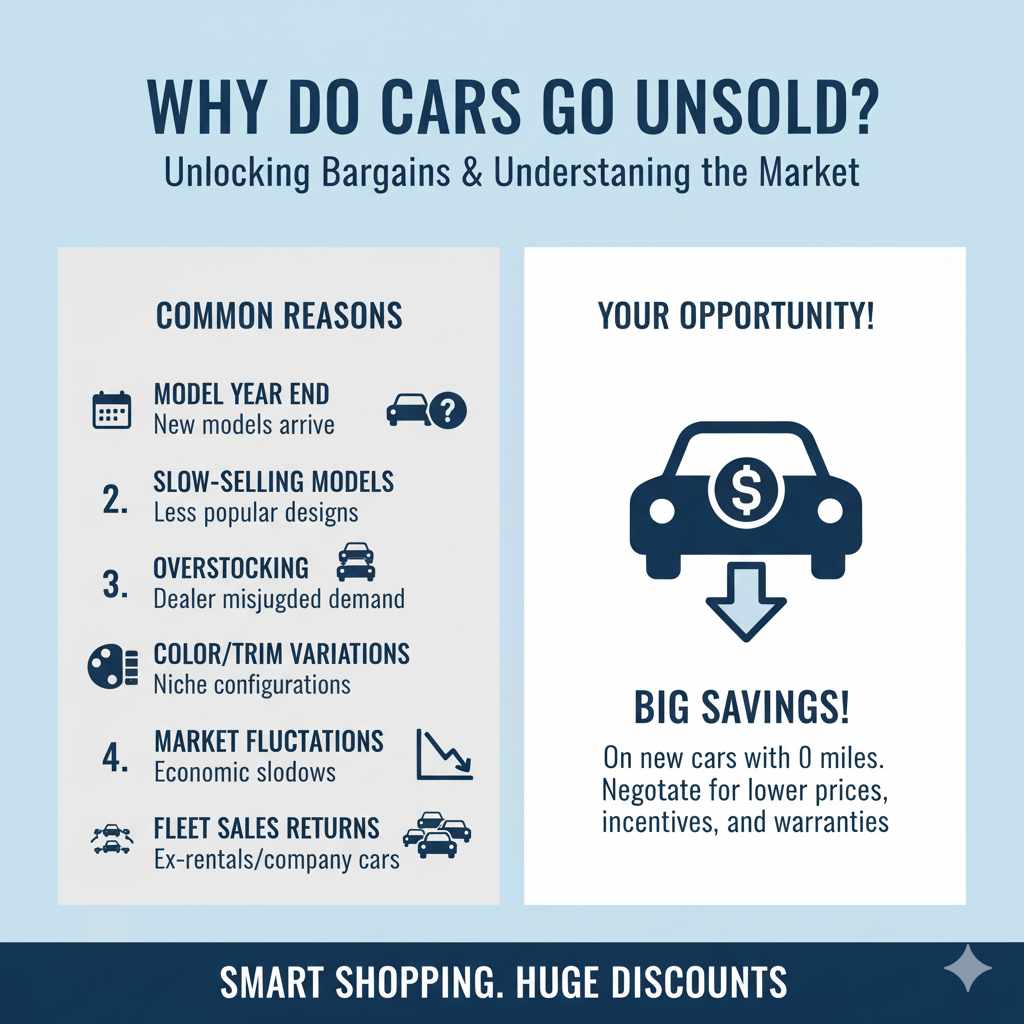
Why Do Cars Go Unsold?
It’s natural to wonder why a car, especially a new or relatively new one, might sit on a dealership lot for an extended period. Understanding the reasons behind a car being “unsold” can help you pinpoint potential bargains and assess the vehicle more effectively. These aren’t always signs of deep issues, but rather market dynamics, aging inventory, or specific model traits.
Common Reasons for Unsold Cars:
- Model Year End: As new model years arrive, dealerships need to clear out the previous year’s inventory. These cars are technically “used” by the dealer but often have zero miles and are sold as new. They represent a fantastic opportunity for savings.
- Slow-Selling Models: Not every car design or feature appeals to everyone. Some models might be less popular due to styling, performance, or market trends. These can linger on lots longer.
- Overstocking: Dealerships sometimes misjudge demand and order more cars than they can sell, especially popular models. To free up capital and lot space, they become motivated to sell these overstocked vehicles.
- Color or Trim Variations: A car in a less common color or with a specific, less desired trim package might take longer to sell than a universally popular configuration.
- Market Fluctuations: Economic downturns or shifts in consumer preferences can slow down overall car sales, leading to more cars gathering dust on lots.
- Fleet Sales Returns: Sometimes, cars used for fleet purposes (like rental agencies) are sold back to dealerships after a period. While not technically “unsold” new, they can be a source of heavily discounted vehicles.
Where to Find Unsold Cars for Cheap
The hunt for a great deal on an unsold car requires a bit of strategy. You can’t just walk onto any lot and expect miracles. However, by knowing where and when to look, you can significantly increase your chances of finding that perfect, discounted vehicle.
Dealerships: Your Primary Hunting Ground
Dealerships are the most common place to find unsold cars. They have the inventory and, more importantly, the motivation to move older stock. Here’s how to approach them:
1. End-of-Month, End-of-Quarter, End-of-Year Sales
Salespeople and dealerships often have quotas to meet. As these periods draw to a close, their urgency to sell increases dramatically. They are more willing to negotiate on price or throw in extras to hit their targets. This is prime time to shop!
2. Clearance or Special Offers Sections
Many dealerships have a specific area on their lot or a section on their website designated for what they call “clearance,” “pre-owned new” (for model year closeouts), or “special offers.” These are usually vehicles that have been sitting for a while.
A great resource for understanding car pricing and market trends is Kelley Blue Book (KBB). Visiting KBB.com can give you an idea of what a fair price should be for different vehicles, helping you negotiate effectively.
3. Older Model Year Inventory (Year-End Closeouts)
This is arguably the best place to find a fantastic deal on a new car. Dealerships receive new model years throughout the year. By late summer and fall, they are eager to clear out the previous year’s models to make room. These cars are brand new, have never been registered to a private owner, and often come with significant discounts. Look for cars with VINs ending in the previous year (e.g., if it’s 2024 now, look for 2023 models).
4. Less Popular Models or Trims
Every manufacturer has models that don’t sell as well as others. These could be niche vehicles, or models that have been redesigned and the older version needs to be sold. Dealerships are more likely to be flexible on price for these.
Online Marketplaces and Auctions
While dealerships are common, don’t overlook online avenues:
1. Dealership Websites
Many dealerships list their entire inventory online. You can often filter by “new” vehicles that have been on the lot for a certain number of days. This saves you a trip to the dealership initially.
2. Larger Online Car Retailers
Websites like Carvana and Vroom often have a wide selection. While not always “unsold” in the traditional sense, their business model can sometimes lead to competitive pricing. Keep an eye on their “clearance” or “value” sections.
3. Public Auto Auctions (Proceed with Caution)
Auctions can offer very low prices, but they are often “as-is” and may require more expertise. Some auctions sell vehicles that dealerships couldn’t move. Research specific auctions in your area, but be prepared for the risks involved.
How to Identify an Unsold Gem
Spotting a car that’s been sitting needs a keen eye. It’s not just about looking at the sticker price; you need to do a little detective work to ensure the vehicle is still in great shape and the discount is truly a bargain, not a sign of a hidden problem.
What to Look For (and What to Watch Out For):
- Mileage: For a “new” unsold car, mileage should be extremely low – typically under 100 miles. This is usually just from test drives and delivery. If it’s over a few hundred, it might have been used as a loaner or demo car.
- Condition: Thoroughly inspect the exterior for dents, scratches, or rust, especially on older stock. Check the interior for wear and tear, stains, or unusual odors.
- Vehicle History Report (VHR): Even for new cars, a VHR can reveal if it’s been in any accidents (though unlikely for brand-new unsold), or if it has had major mechanical attention. For cars that have been on the lot for a year or more, it’s essential.
- Manufacture Date: Check the sticker or VIN plate for the manufacture date. If a car was made more than 12-18 months ago, it might have underlying issues related to sitting, like dried-out seals or a dead battery. This is especially true for specialty vehicles or those in extreme climates.
For more information on vehicle checks, the National Highway Traffic Safety Administration (NHTSA) offers excellent resources on vehicle safety and recalls.
The Importance of a Pre-Purchase Inspection (PPI)
This is non-negotiable for any car, but especially for an unsold vehicle that might have sat around. Even if it’s new, have an independent mechanic inspect it. They can spot issues you might miss, such as:
- Signs of battery degradation from sitting.
- Tire condition (flat spots or age-related cracking).
- Fluid leaks or degradation.
- Electrical system glitches.
- Undiagnosed mechanical issues.
A PPI costs a relatively small amount ($100-$200) but can save you thousands in future repairs and give you peace of mind.
Negotiation Strategies for Unsold Cars
This is where you can truly shine and secure those savings. Unsold cars represent a dealership’s opportunity cost – they’re tying up capital and space. You can use this to your advantage.
1. Know Your Numbers
Before you even step onto the lot, do your research:
- Fair Market Value: Use resources like KBB, Edmunds, and NADA Guides to understand what the car is actually worth in its current condition and trim.
- Invoiced Price: Try to find out what the dealership paid for the car. Websites like Consumer Reports or TrueCar can sometimes offer insights into invoice pricing.
- Incentives & Rebates: Check manufacturer websites for any current rebates, special financing, or dealer incentives on specific models, especially older inventory.
2. Target the Right Cars
Focus your negotiation efforts on:
- Cars that have been on the lot for 90+ days.
- Previous model year vehicles.
- Models that are known to be slow sellers for that brand.
3. Timing is Everything
As mentioned, aim for the end of the month, quarter, or year. Also, consider shopping on weekdays, especially at the end of the day, when salespeople might be more eager for a quick sale.
4. Negotiate the “Out-the-Door” Price
Don’t get bogged down in monthly payments or individual fees initially. Focus on the total “out-the-door” price. This includes the vehicle price, taxes, destination fees, and any dealer add-ons. Once you agree on this total, then you can discuss financing and trade-in.
5. Be Prepared to Walk Away
This is your strongest negotiating tool. If the dealership isn’t meeting your price point or the deal doesn’t feel right, be polite but firm, and be ready to leave. They might call you back with a better offer.
6. Leverage Condition Issues
If your inspection or test drive reveals minor issues (e.g., a scuff mark, a slightly worn tire), use these as points for negotiation to lower the price further or get the dealership to fix them.
Here’s a table illustrating how different factors might affect negotiated pricing:
| Vehicle Factor | Impact on Negotiation | Example |
|---|---|---|
| Days on Lot | Higher = More Negotiating Power | A car that’s been sitting 180 days is more negotiable than one that’s been there 30 days. |
| Model Popularity | Lower = More Negotiating Power | A niche SUV might be more negotiable than a best-selling compact car. |
| Model Year | Older = More Negotiating Power | A 2023 model in late 2024 is ripe for a deep discount. |
| Minor Cosmetic Flaws | Can be used for price reduction | A small dent in the bumper could save you $200-$500. |
| Unsold Condition | Main advantage | The car is new, unregistered, and the dealership wants it gone – leverage this! |
Pros and Cons of Buying Unsold Cars
Like any car buying strategy, there are distinct advantages and potential downsides to consider when aiming for unsold vehicles. Weighing these will help you make an informed decision.
Advantages:
- Significant Savings: This is the primary benefit. You can often get a substantial discount compared to a newly arrived model.
- “New” Car Experience: You’re often getting a car that’s mechanically new, with no previous registered owners, and potentially untouched beyond basic dealer prep.
- Potential for Better Trims/Features: Sometimes, less popular models are equipped with higher trim levels or unique features that might have been overlooked.
- Less Depreciation Hit: Cars depreciate fastest in the first few years. Buying an unsold car, especially a model year closeout, means that initial steep depreciation has already been absorbed by the dealership to some extent.
- Negotiating Power: Dealers are generally more motivated to negotiate on cars that have been on their lot longer, giving you more leverage.
Disadvantages:
- Potential for Hidden Issues: While rare for brand new cars, a vehicle that’s been sitting for years might have dried-out seals, battery issues, or subtle wear and tear that isn’t immediately obvious.
- Limited Selection: You’re shopping from a specific pool of vehicles. You might not find the exact color, trim, or options you originally wanted.
- Outdated Technology/Design: A car that’s been sitting for over a year might have slightly older technology or styling compared to the very latest models.
- Warranty Clock Starts Ticking: The manufacturer’s warranty typically starts from the date the car is sold or sometimes from the date it was initially put into service by the dealership (rare for true unused inventory). For a car that sat for a year, a portion of that warranty might already be gone. Ensure you understand the warranty start date.
- Riskier at Auctions: If you’re looking at auctions, the “as-is” nature means you accept all risks, and there’s no recourse if something is wrong.
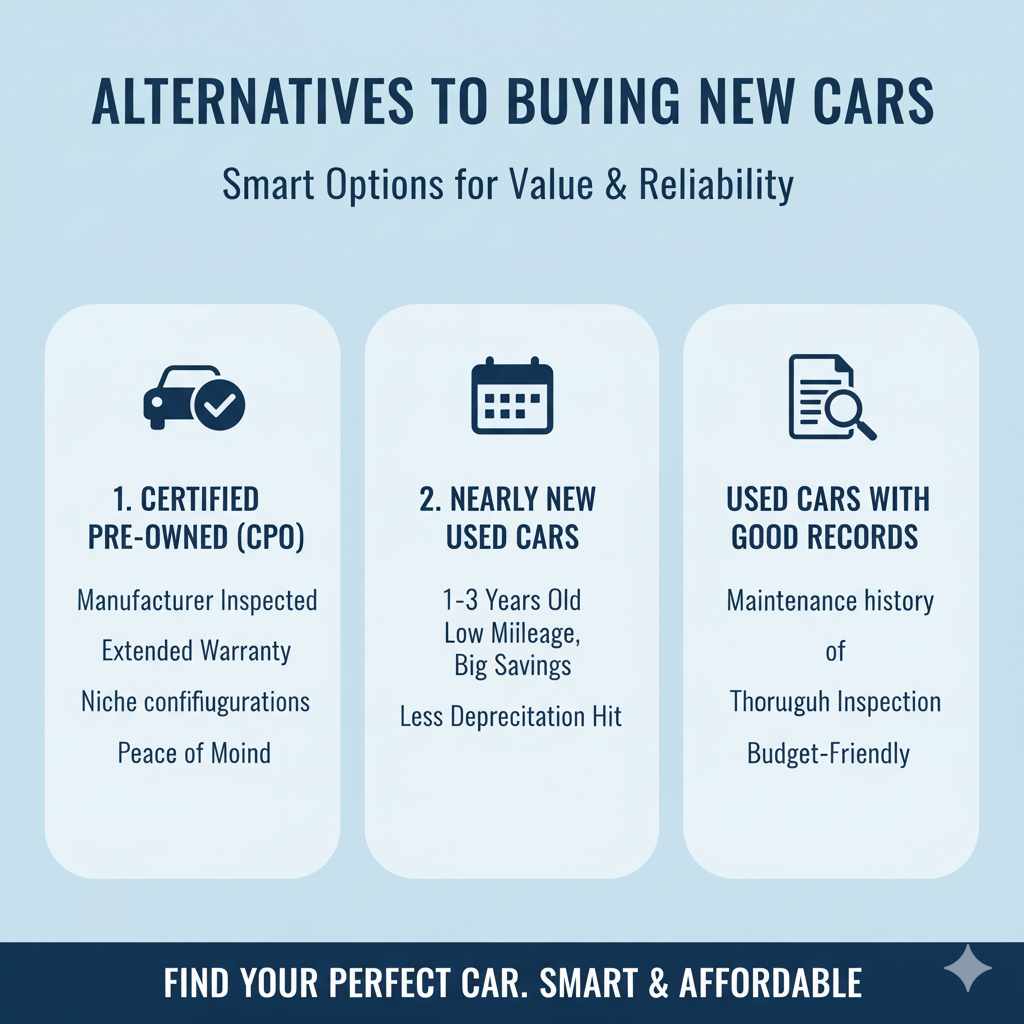
Alternatives to Buying Unsold New Cars
If the specific limitations of “unsold new” cars don’t quite fit what you’re looking for, consider these excellent alternatives for getting a great deal on a vehicle:
1. Certified Pre-Owned (CPO) Vehicles
These are used cars that have been inspected, refurbished, and certified by the manufacturer or dealer. They usually come with an extended warranty and offer a good balance of reliability and value. They are a step up from standard used cars and often offer peace of mind similar to a new car.
2. Nearly New Used Cars (1-3 Years Old)
These vehicles have already taken the biggest depreciation hit. You can often find well-maintained cars with relatively low mileage for a fraction of the original price. They represent fantastic value, often still having some factory warranty remaining.
3. Used Cars with Good Maintenance Records
For the ultimate savings, a well-maintained used car can be a gem. The key is diligence: get a thorough inspection, check the vehicle history report, and look for cars with a clear maintenance trail. Resources like Carfax can help you track this history.
Frequently Asked Questions (FAQs)
Q1: What is the best time of year to buy an unsold car?
The best times are usually at the end of the calendar year (November-December) for model-year closeouts, and at the end of the month or quarter when dealerships are trying to meet sales targets. Summer and fall are prime times for last year’s models.
Q2: How can I tell if a car has been sitting on the lot for too long?
Check the odometer for unusually high mileage for a “new” car (over 100 miles is a flag), inspect tires for flat spots or cracking, look for dust and grime in areas that should be clean, and check the manufacture date on the sticker or VIN plate. A Vehicle History Report (VHR) might also show if it was used as a demo or loaner extensively.
Q3: Is it okay to buy a luxury brand car that’s unsold and discounted?
Yes, but with extra caution. Unsold luxury cars can offer incredible value. However, ensure you factor in potential higher maintenance and repair costs for luxury brands once the warranty expires. A thorough pre-purchase inspection (PPI) is especially crucial.
Q4: Should I still get a pre-purchase inspection (PPI) on a totally new, unsold car?
Absolutely. While the risk is lower than with a used car, a PPI by an independent mechanic can catch issues related to sitting, manufacturing defects the dealership might have missed, or improper prep. It’s an investment in peace of mind.
Q5: What if the dealership won’t budge on the price of the unsold car?
Be prepared to walk away. Sometimes, they will call you back with a better offer. If not, there are likely other unsold cars at other dealerships. You can also express your interest and ask them to contact you if the price changes. Don’t feel pressured into a deal that doesn’t feel right.