How To Remove Mold And Smell From A Car For Good
It’s a problem many car owners face at some point: that unmistakable musty odor, often followed by the unsettling discovery of mold. This isn’t just about unpleasant smells; mold in your car can impact your health. It’s a frustrating issue that can make your car feel less like a sanctuary and more like a science experiment gone wrong.
You want to fix it, but where do you even start?
Removing mold and the smell from your car involves thorough cleaning, drying, and addressing the source of moisture. Key steps include identifying affected areas, using appropriate cleaning solutions, ensuring complete drying, and taking preventive measures to stop mold from returning.
Understanding Car Mold and Its Smell
Mold is a type of fungus. It loves damp, dark places. Your car, with its enclosed spaces and potential for water leaks, can be a perfect breeding ground.
Think about all the places moisture can hide: under floor mats, in seat cushions, along window seals, or even in the air conditioning system. When mold grows, it releases spores. These spores are what cause that characteristic musty smell.
The smell can be faint at first. But as the mold spreads, the odor gets much stronger and more persistent.
The actual color of mold can vary. It might be black, green, white, or even orange. What’s most important is not the color, but the smell and the fact that it’s growing.
Mold can also cause health problems. Some people are more sensitive than others. Breathing in mold spores can lead to allergic reactions.
Symptoms might include sneezing, itchy eyes, a runny nose, or even skin rashes. For people with asthma, mold can trigger breathing difficulties — see our full breakdown of whether mold in a car is actually dangerous for the full health-risk picture. This is why tackling mold in your car isn’t just about making it smell better; it’s also about making it a safer place to be.
Where Does Car Mold Come From?
Several things can invite mold into your car. The most common culprit is water. Leaky windows are a big one.
Even a small drip can keep an area wet for a long time. Worn-out door seals are another common issue. They let rain or dew seep in.
Spills are also a frequent cause. Coffee, soda, or anything else you spill can soak into carpets and upholstery. If it’s not dried quickly and completely, mold can start to grow.
Think about everyday things. A forgotten open window during a rainstorm can do it. Carrying wet umbrellas or sports gear in the car can also introduce moisture.
Even condensation from your air conditioning system can collect in hidden spots. Your car’s air conditioning (AC) system can also be a source of mold. The AC creates moisture as it cools the air.
If the drain tube for this moisture gets clogged, water can back up. This creates a damp environment inside the system where mold can thrive. Then, when you turn on the AC, it blows moldy air into the car, spreading spores and that awful smell.
Another less obvious source is humidity. In very humid climates, moisture can build up inside the car even without direct leaks or spills. The material of your car’s interior also plays a role.
Fabric seats, carpets, and headliners are porous. They absorb moisture easily. Once wet, they take a long time to dry fully.
This creates the perfect conditions for mold spores, which are often already present in the environment, to take root and multiply. It’s a cycle that can feel impossible to break without understanding all the entry points.
My Own Moldy Car Scare
I remember one summer, I drove home from a camping trip. My hiking boots were still damp when I tossed them in the trunk. I forgot about them for a few days.
The weather turned rainy. I didn’t realize the trunk hadn’t sealed perfectly. A few weeks later, I opened my trunk to grab something.
The smell hit me like a ton of bricks. It was that thick, sickeningly sweet, musty odor. I pulled out my gear, and there it was: fuzzy green and black patches on the trunk liner and even on my hiking bag.
Panic set in. My car was practically new! I imagined thousands of dollars in cleaning bills.
I spent that evening frantically researching online, just like you might be doing now. I felt overwhelmed. How could I possibly get rid of it all?
The thought of tiny mold spores spreading everywhere made me feel a little sick. I was so worried about the smell never leaving and the damage it could cause. It felt like a huge, insurmountable problem that was completely my fault.
Identifying Mold in Your Car
The first step is always to find the mold. The smell is a big clue. If you notice a persistent musty odor, it’s time to investigate.
Look in all the dark, damp places. Check under your floor mats. Lift them up and feel the carpet underneath.
Is it damp? Do you see any discoloration? Your trunk is another prime spot.
Many people forget to check the spare tire well, which can collect water.
Pay close attention to the seams and edges of your car’s interior. Mold loves to grow where materials meet. Check the edges of your seats.
Look under them. The headliner, especially near the windows or sunroof, can also hide mold. If you have a sunroof, check the seals and the area above it.
The back of the dashboard can be damp too. Sometimes, you might see it as dark spots or fuzzy patches. Other times, it’s just the smell that alerts you.
Don’t forget the seat belts. When they retract, they can pull moisture into the storage area. The door panels can also trap water.
If you see water stains, that’s a strong indicator that moisture has been present, and mold might follow. The air vents are critical too. If you smell mold when you turn on your AC or heat, the mold is likely in your ventilation system.
You might not see it, but the smell is undeniable proof.
Mold vs. Dirt: What’s the Difference?
Mold: Often looks fuzzy or slimy. Can be black, green, white, or gray. Has a distinct musty, earthy smell.
Grows in damp, dark areas.
Dirt: Usually gritty or powdery. Comes in various colors but typically matches the environment (mud, dust). Doesn’t usually have a strong odor unless mixed with moisture.
Choosing the Right Cleaning Solutions
When it comes to cleaning mold, you need solutions that kill mold spores and remove the smell. Several options work well. For light mold and smell, plain white vinegar is a great choice.
It’s natural and effective. Mix one part white vinegar with one part water in a spray bottle. Vinegar helps kill mold and neutralize odors.
For tougher jobs, a dedicated mold and mildew remover can be used. Make sure it’s safe for car interiors. Always test any cleaner on an inconspicuous spot first.
This is to ensure it doesn’t damage or discolor your car’s materials. You can also use a diluted bleach solution, but be very careful. Bleach is harsh.
Use it only as a last resort and ensure extreme ventilation. Mix 1 part bleach to 10 parts water. Never mix bleach with ammonia; it creates toxic fumes.
Some people swear by hydrogen peroxide. A 3% solution can kill mold. Spray it on the affected area and let it sit for a few minutes before wiping.
Baking soda is another excellent odor absorber. You can sprinkle it on carpets and seats and let it sit overnight before vacuuming. It helps lift trapped smells.
For the AC system, specialized AC cleaners or foggers are available. These are designed to kill mold and bacteria inside the vents.
DIY Mold Cleaner Recipes
- Vinegar Spray: 1 cup white vinegar + 1 cup water. Spray on mold, let sit 1 hour, wipe clean.
- Baking Soda Paste: Baking soda + enough water to make a paste. Apply to stains, let dry, brush off.
- Lemon & Salt Scrub: Juice of 2 lemons + 1/4 cup salt. Apply to moldy spots, scrub, rinse. (Test first!)
The Cleaning Process: Step-by-Step
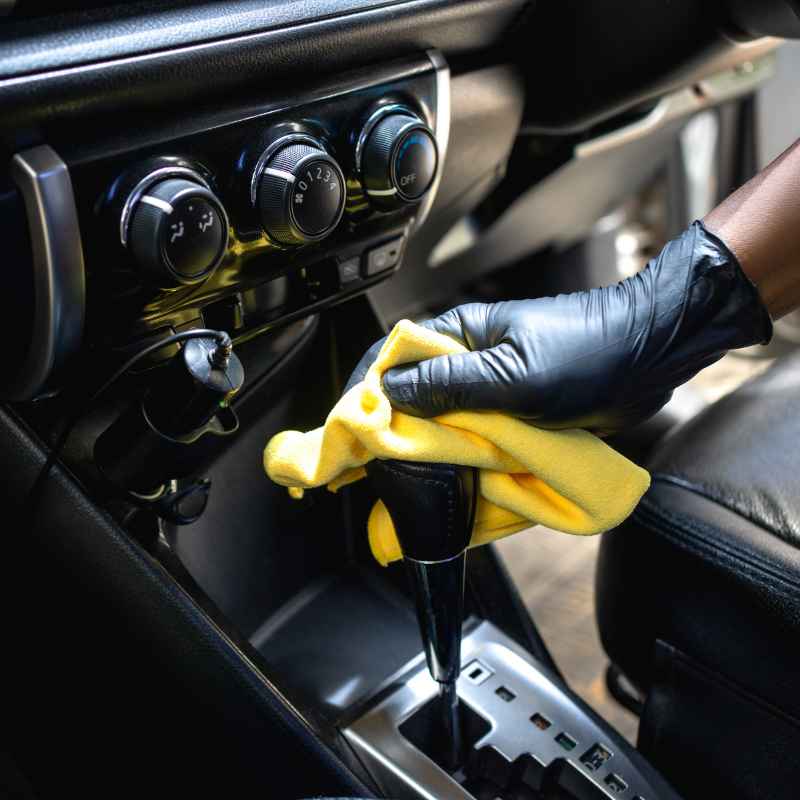
First, gather your supplies. You’ll need gloves, a mask, eye protection, spray bottles, clean cloths or sponges, a vacuum cleaner, and your chosen cleaning solution. Park your car in a well-ventilated area, ideally outside.
Open all the doors and windows.
Start by removing everything from the car. Take out floor mats, seat covers, and any personal items. This gives you full access to all areas.
Vacuum the entire interior thoroughly. Pay attention to cracks, crevices, and under the seats. This removes loose mold spores and debris.
Now, apply your cleaning solution. Spray it directly onto the moldy areas. Don’t drench the material, but ensure it’s damp enough to work.
Let the solution sit for the recommended time. This allows it to kill the mold. For stubborn spots, you might need to gently scrub with a soft brush.
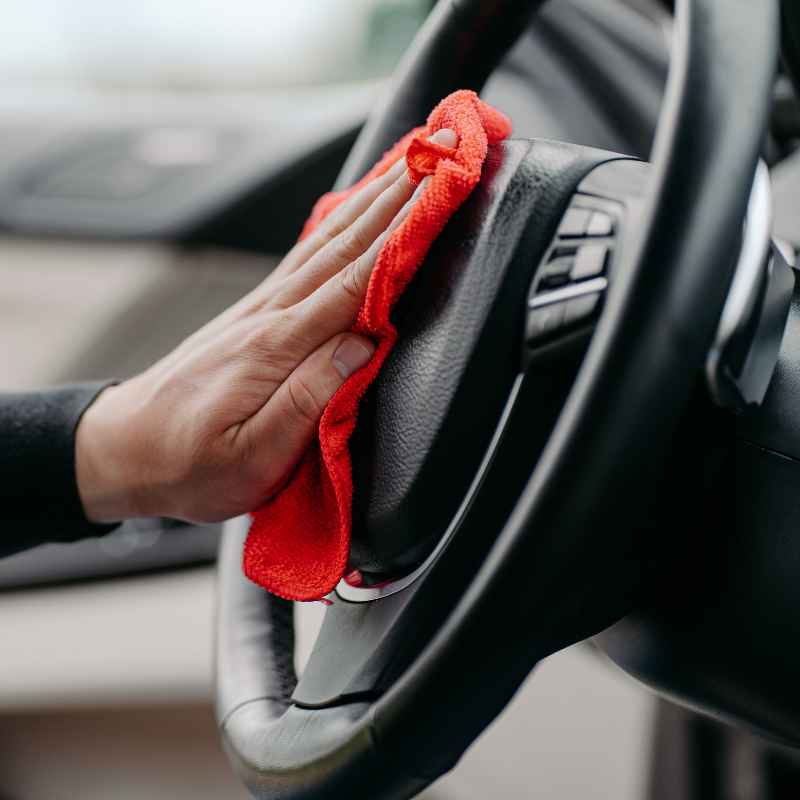
After the solution has done its work, wipe the area clean with a damp cloth. Rinse the cloth frequently in clean water. For carpets and upholstery, blot them dry with clean towels.
Avoid rubbing, as this can spread mold spores. Repeat the cleaning process if necessary.
Clean the headliner very gently. Mold on the headliner can be tricky. Use a damp cloth with your cleaner.
Lightly dab and blot. Avoid soaking it, as this can damage the adhesive. For the AC system, follow the instructions on the specific AC cleaner you are using.
This often involves spraying the cleaner into the intake vents or drain tubes.
Quick Fix: Using a Shop-Vac
A shop-vac is excellent for mold cleanup. Use it to vacuum up dry mold and debris. You can also use it with a damp cloth to suck up excess moisture after cleaning, helping to dry the area faster.
Make sure to clean the shop-vac thoroughly afterward.
Drying Your Car Completely
This is perhaps the most crucial step. Mold needs moisture to grow. If you don’t dry your car completely, the mold will return.
Open all doors and windows again. Use fans to circulate air inside the car. If it’s a sunny day, let the sun help.
Sunlight can kill some types of mold and helps dry things out.
You can also use a dehumidifier inside the car. Place it in the car and run it for several hours or even overnight. If you don’t have a dehumidifier, you can use bowls of dry rice or silica gel packets.
They absorb moisture from the air. Leave them in the car for a few days, replacing them as needed.
Check damp spots frequently. Feel the carpets and under the seats. Make sure everything is bone dry.
This might take a day or two, especially if the weather is humid. Don’t rush this process. A car that is fully dry is a car that is less likely to have mold issues again soon.
Ensure seat belts retract properly and are dry. Check that all interior fabrics feel dry to the touch.
Tackling Lingering Odors
Even after cleaning, a faint smell might linger. This is because odor molecules can get trapped in fabrics and plastics. Baking soda is a fantastic odor absorber.
Sprinkle a generous amount over your carpets and seats. Let it sit for at least 12 hours, then vacuum it up thoroughly. You might need to repeat this.
Activated charcoal is another powerful odor absorber. Place bags of activated charcoal in different parts of your car. Leave them there for several days.
They will slowly absorb the smell. Coffee grounds in an open container can also help. Place them in a cup or bowl overnight.
For a more intense odor, consider an ozone generator. These machines are very effective at eliminating odors. However, they must be used with extreme caution.
You cannot be in the car while it’s running. After use, you need to air out the car thoroughly for several hours. Ozone is a strong oxidizer and can be harmful if inhaled.
Odor Absorbing Materials
- Baking Soda: A kitchen staple that works wonders.
- Activated Charcoal: Highly porous, great for absorbing smells.
- Coffee Grounds: Fresh, dry grounds can mask and absorb odors.
- White Vinegar: Left out in a bowl, it can help neutralize smells.
Preventing Mold from Returning
Prevention is always better than cure. The best way to stop mold is to stop moisture from getting in and to dry spills immediately. Regularly check your car for leaks.
Look at the seals around windows, doors, and the trunk. If they look worn or cracked, consider replacing them.
Clean up spills as soon as they happen. Don’t let them soak in. Use absorbent cloths to soak up as much liquid as possible.
Then, dry the area thoroughly. You can even use a hairdryer on a cool setting. Keep your car clean and clutter-free.
This helps with air circulation.
If you live in a humid area, consider using a car dehumidifier or moisture absorbers regularly. Keep them in your car, especially during wet seasons. Make sure your AC drain tube is not clogged.
You might want to have a mechanic check this periodically. Also, if you use your AC a lot, try running the fan without the AC for a few minutes before you turn off the car. This helps dry out the evaporator coil and reduce moisture buildup.
Quick Prevention Checklist
Check Seals: Inspect door, window, and trunk seals for wear.
Dry Spills Fast: Clean and dry any liquid spills immediately.
Ventilate: Open windows occasionally, especially after rain.
AC Care: Run fan to dry AC system, check drain tube.
When to Call a Professional
Sometimes, mold growth can be extensive. You might have mold in hard-to-reach places, like deep within the car’s insulation or the AC system. In these cases, it’s best to call a professional detailer or a mold remediation specialist.
They have the tools and expertise to remove mold thoroughly and safely.
If you have health concerns or allergies, professional cleaning is a good idea. They can ensure all spores are eliminated. They also have access to industrial-grade equipment, such as powerful extractors and ozone machines, used safely.
Don’t risk your health or the structural integrity of your car if the problem seems too big to handle yourself. A professional can assess the situation and provide the best course of action.
Professional services can also offer peace of mind. Knowing that experts have dealt with the issue can be a huge relief. They can also advise on long-term prevention strategies specific to your car and climate.
If you’ve tried everything and the smell or mold persists, it’s time to hand it over to the pros. They can often save vehicles that might otherwise be considered a total loss due to mold.
Frequently Asked Questions About Car Mold
Can mold in a car make you sick?
Yes, mold spores can cause allergic reactions and respiratory problems in sensitive individuals. Symptoms can include sneezing, coughing, itchy eyes, and difficulty breathing.
How long does it take for mold to grow in a car?
Mold can start growing within 24 to 48 hours in damp conditions. The speed depends on temperature, humidity, and the type of mold.
Is it safe to use bleach to clean car mold?
Bleach can kill mold but should be used cautiously. Always dilute it and ensure extreme ventilation. Never mix bleach with ammonia.
Test on a small area first, as it can damage some car materials.
Can I just ignore the mold smell and hope it goes away?
No, ignoring mold and its smell is not recommended. Mold can continue to grow and spread, potentially causing more damage and health issues. The smell will likely worsen over time.
What if mold is on the car’s electronic components?
Mold on electronics can be very serious. If you suspect mold on electrical parts, do not try to clean it yourself. Contact a professional auto detailer or an electronics repair specialist immediately.
How do I clean mold from the car’s AC system?
You can use specialized AC cleaning sprays designed for cars. Follow the product instructions carefully, which often involve spraying into air intakes or drain lines. Running the fan to dry the system can also help.
Final Thoughts on a Fresh Car
Dealing with car mold and its smell is a challenge. It requires patience and thoroughness. By understanding where mold comes from and how to clean it properly, you can reclaim your car’s interior.
Remember to always prioritize drying. Then focus on eliminating any lingering odors. Consistent prevention is key to keeping your car mold-free and smelling fresh for good.
Products related to this article
Sponsored / affiliate links. As an Amazon Associate I earn from qualifying purchases. I may earn additional commission from eligible campaigns.