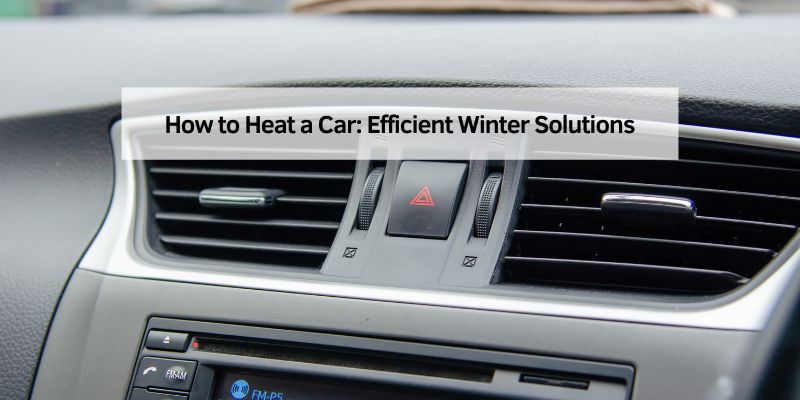
How to Heat a Car: Efficient Winter Solutions
Heating a car is straightforward. Start the engine and let it run.
Turn on the heater controls inside the car, and warm air will circulate. Winter mornings can be chilly, making car heating essential. A warm car offers comfort and safety, especially in freezing temperatures. It ensures clear windows and a cozy drive.
A heated vehicle prevents frost and keeps passengers comfortable. Knowing how to efficiently heat a car saves time and energy. This guide explores simple steps to heat your car effectively. Learn how to adjust settings for optimal warmth. Discover tips to make your car’s heating system work better. Find out how to maintain it for consistent performance. Stay warm and drive safe this winter. Let’s dive into how to heat your car correctly.

Credit: macsmobileairclimate.org
Preparing Your Vehicle For Winter
Make sure the heating system works well. Turn it on and check the air. Warm air should come out quickly. If not, something is wrong. Check the thermostat. It should be set correctly. Look at the coolant level. It must be full. Low coolant can cause problems. Also, inspect the heater core. It should not be clogged. If unsure, ask a mechanic for help.
Windows need good insulation. Use window film to keep heat in. This film is clear and easy to apply. It helps a lot. Weatherstripping is also helpful. It stops cold air from coming in. Check the seals around the windows. They must be tight. Replace if they are broken. Keep the car warm and cozy. Protect against the cold.
Using Car Heaters
There are different types of car heaters. Built-in car heaters come with the car. They use the car’s engine. Portable car heaters are extra heaters you can add. They plug into the car’s power socket. Some use electricity while others use fuel. Each type has its benefits. Built-in heaters warm the car fast. Portable heaters are handy in emergencies. Choose the right heater for your needs.
Installing portable heaters is easy. Most plug into the car’s socket. Check the heater instructions first. Place the heater in a safe spot. Avoid placing it near flammable objects. Make sure the cord is not in the way. Ensure good airflow around the heater. Secure the heater so it won’t move. Always turn off the heater when leaving the car. Safety is important.
Optimizing In-car Temperature
The thermostat is the key to a cozy car. Set the temperature to a comfortable level. Avoid extremes; too hot or too cold is bad. Experiment with different settings. Find what suits you best. Keep the fan speed low for a gentle breeze. A higher speed might be too loud. Always make sure the air is circulating well. This ensures even heating throughout the car.
Seat warmers make winter drives pleasant. Turn them on for quick warmth. Adjust the heat level to your liking. Start with a low setting. Increase if needed. Avoid keeping them on for too long. It might get too hot. Seat warmers help heat you faster than the air system. They are energy-efficient and convenient. Use them wisely for a warm ride.
Enhancing Heat Retention
Car covers help keep your car warm. They act like a big blanket. Covers block cold air from entering. They protect the car’s surface. Use them in winter for best results. Choose covers that fit well. A snug fit keeps heat inside. It prevents warmth from escaping. Covers can be simple to use. They fold easily when not needed. Covers can be used on most cars. They also protect from dirt and dust. Keeping cars clean and warm at the same time.
Window tint helps keep heat inside the car. Tint blocks out cold wind. It traps warmth inside the car. Tints are thin and easy to apply. They make cars look stylish too. Choose darker tints for better heat retention. Darker shades work best in winter. They are easy to find in stores. Some tints have UV protection. This is good for sunny places. Tinting can be a fun project to try. It helps save energy and keeps the car warm.
Alternative Heating Solutions
Solar panels can heat your car. They use energy from the sun. Place panels on your car roof. They collect sunlight all day. This energy keeps the car warm. It is eco-friendly and saves money on gas. No harmful gases are released. Perfect for sunny places.
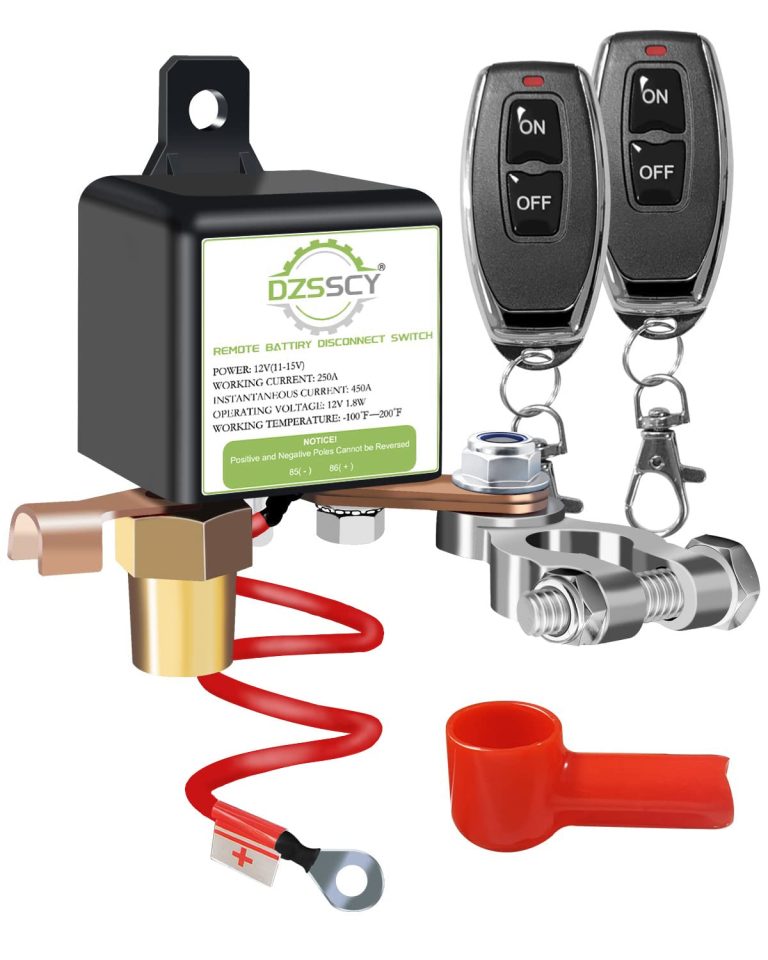
Battery systems keep your car warm. They are easy to use and set up. Plug them into the car socket. They provide heat without the engine on. Good for short trips and cold days. Batteries can be recharged at home. This saves fuel and is cost-effective.
Fuel-efficient Heating Methods
Heating a car while driving is better than idling. Driving warms up the engine faster. It also uses less fuel. Idling wastes fuel and harms the engine. It also takes longer to heat the car.
Pre-heating the car saves time and fuel. Use a block heater if it’s cold outside. It warms the engine before you start driving. Plug it in a few hours before you leave. This helps the car warm up quickly.
Safety Considerations
Cars need care to avoid overheating. Check your car’s coolant level. Low coolant can cause your engine to overheat. Always keep your radiator clean. Dirt can block airflow and lead to heat problems. Use a temperature gauge. It will warn you if your car gets too hot. If the gauge shows a red signal, stop your car. Let it cool before driving again.
Carbon monoxide is dangerous. It can come from your car’s exhaust. Never run your car in a closed garage. This traps gases and can be harmful. Keep windows cracked open if idling for long. Ensure your exhaust system is in good shape. Regular checks can prevent leaks. Smelling gas means a problem. Get your car checked right away.
Credit: www.sciotopost.com
Maintaining Heating Systems
Regular checks keep your car’s heating system efficient. Inspect hoses and belts for any signs of wear. Make sure to check the coolant levels often. Coolant helps in transferring heat. Low coolant can cause poor heating. Ensure that the heater core is not blocked. A blocked core means poor air flow. Feel the air from vents. Is it warm enough? If not, something might be wrong.
Hire a professional for thorough inspection. They know what to check. A mechanic can spot hidden issues. They can also clean parts that need it. Regular services make sure the heating system lasts longer. They can fix leaks and refill coolant. Always listen to their advice. It helps in keeping the system in top condition.

Credit: driversed.com
Frequently Asked Questions
What Is The Best Way To Heat Up A Car?
Start the car engine and let it idle for a few minutes. Use the heater to warm the interior. Ensure proper airflow by adjusting vents. Keep windows closed to trap heat. Regularly check the thermostat to ensure efficiency. Avoid revving the engine to prevent damage.
How Can I Heat My Car Without A Heater?
Use blankets, seat covers, or portable car heaters to stay warm. Insulate windows with sunshades or thermal curtains. Wear warm clothing and gloves. Park in the sun to maximize natural heat. Use hand warmers or heated seat cushions for extra warmth.
How Can I Get Heat In My Car?
Start the car and let it idle for a few minutes. Set the heater to the highest temperature. Ensure the fan is on and vents are open. Check the coolant level if heating issues persist. Regular maintenance helps maintain efficient heating.
How Do I Put My Car In Heat Mode?
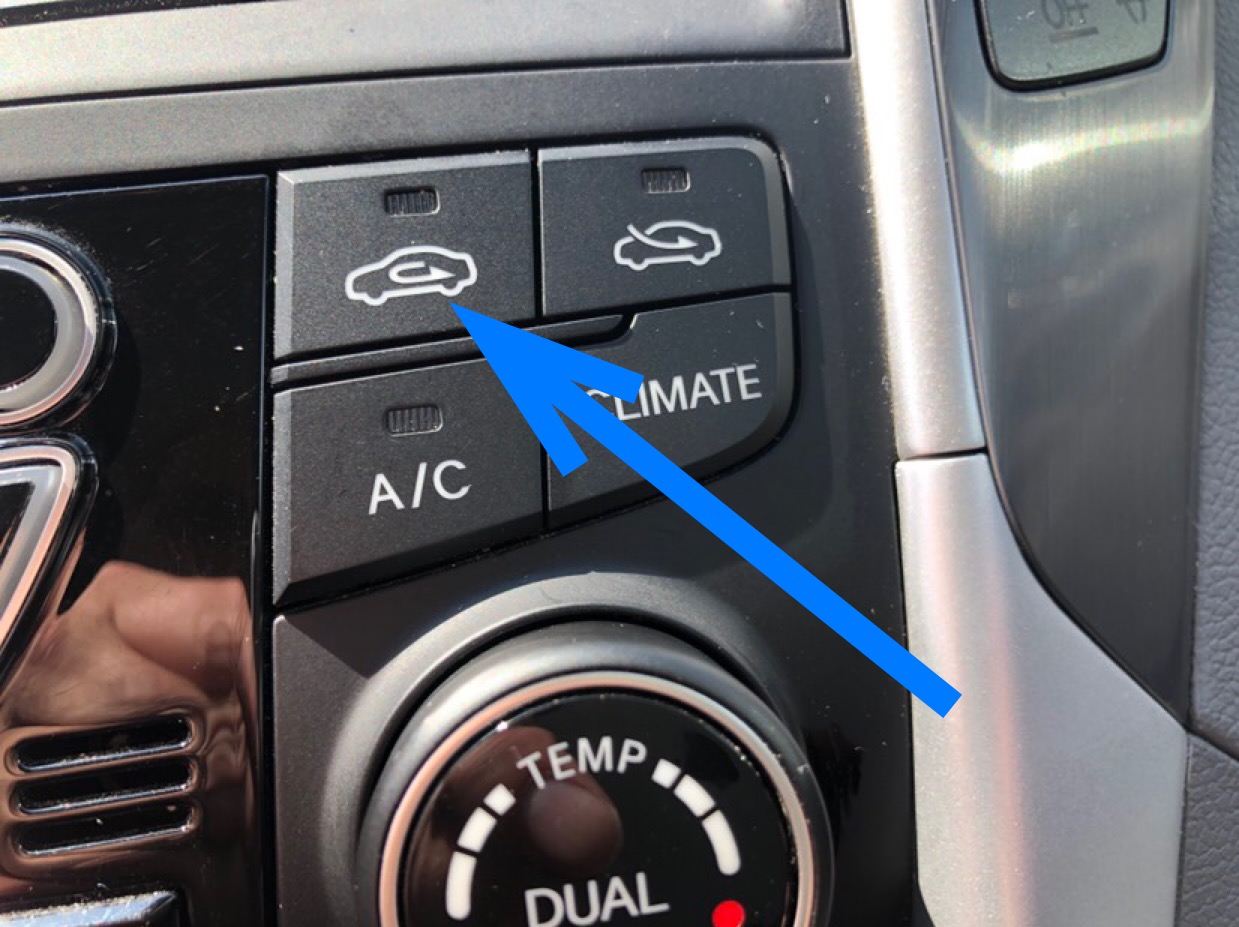
Turn on the car, access the climate control settings, and select the heat mode. Adjust the temperature and fan speed to your preference. Ensure the air circulation is set to interior circulation for faster heating.
Conclusion
Heating your car efficiently enhances comfort during cold months. Follow these simple tips. Start by checking your car’s heating system. Regular maintenance ensures it works well. Use the recirculation setting to retain warmth. It helps the car heat faster. Avoid idling for too long; it’s not efficient.
Dress warmly to reduce reliance on the car heater. Small actions make a big difference. Stay warm and safe on the road. Keep your car in top shape for a cozy drive. Enjoy your winter journey with a warm car.