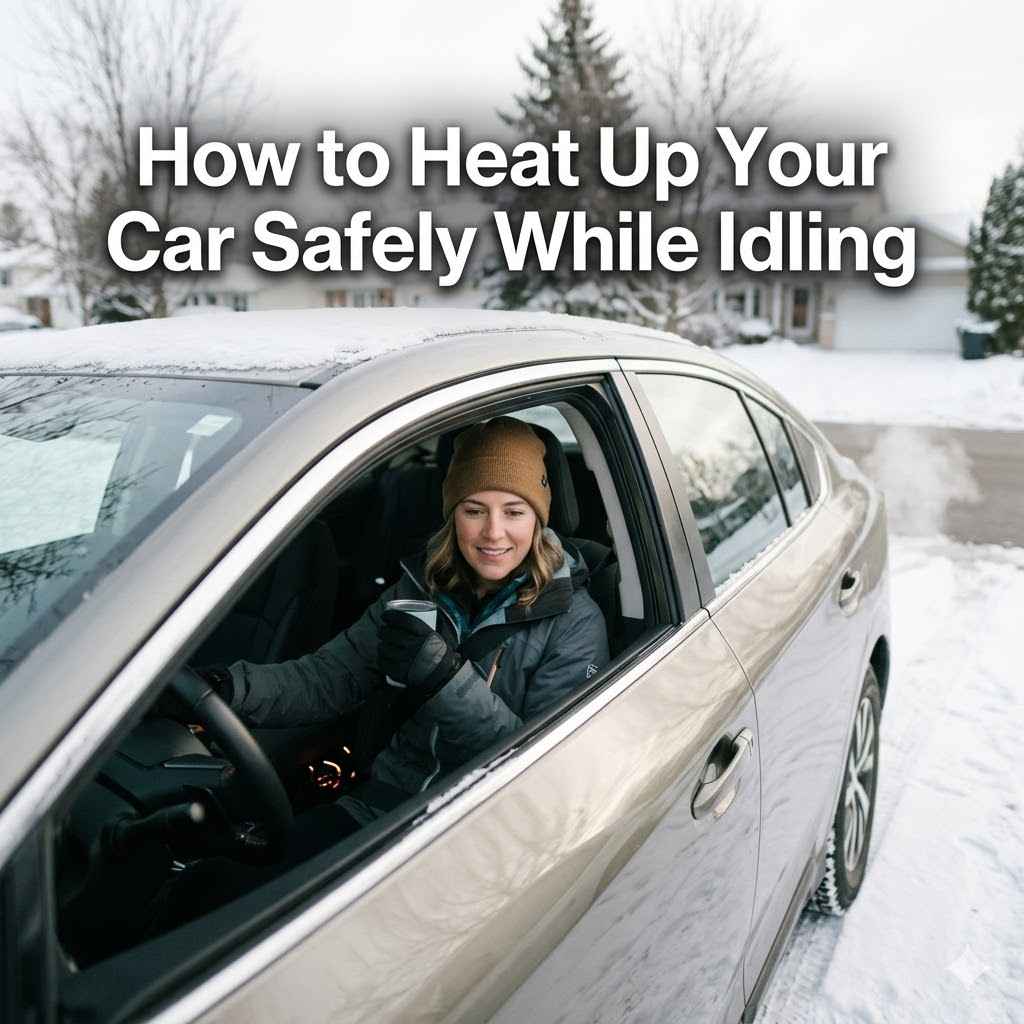
How to Heat Up Your Car Safely While Idling
It can be tricky knowing the best way to warm up your car when it’s cold outside. Many people wonder, How to Heat Up Your Car Safely While Idling, especially if they are new to driving or live in colder places. You want your car to be cozy, but you also want to do it right without causing harm.
Don’t worry, we’ve got you covered. This guide will show you simple steps to get your car warm and ready, protecting both you and your vehicle. Let’s get started.
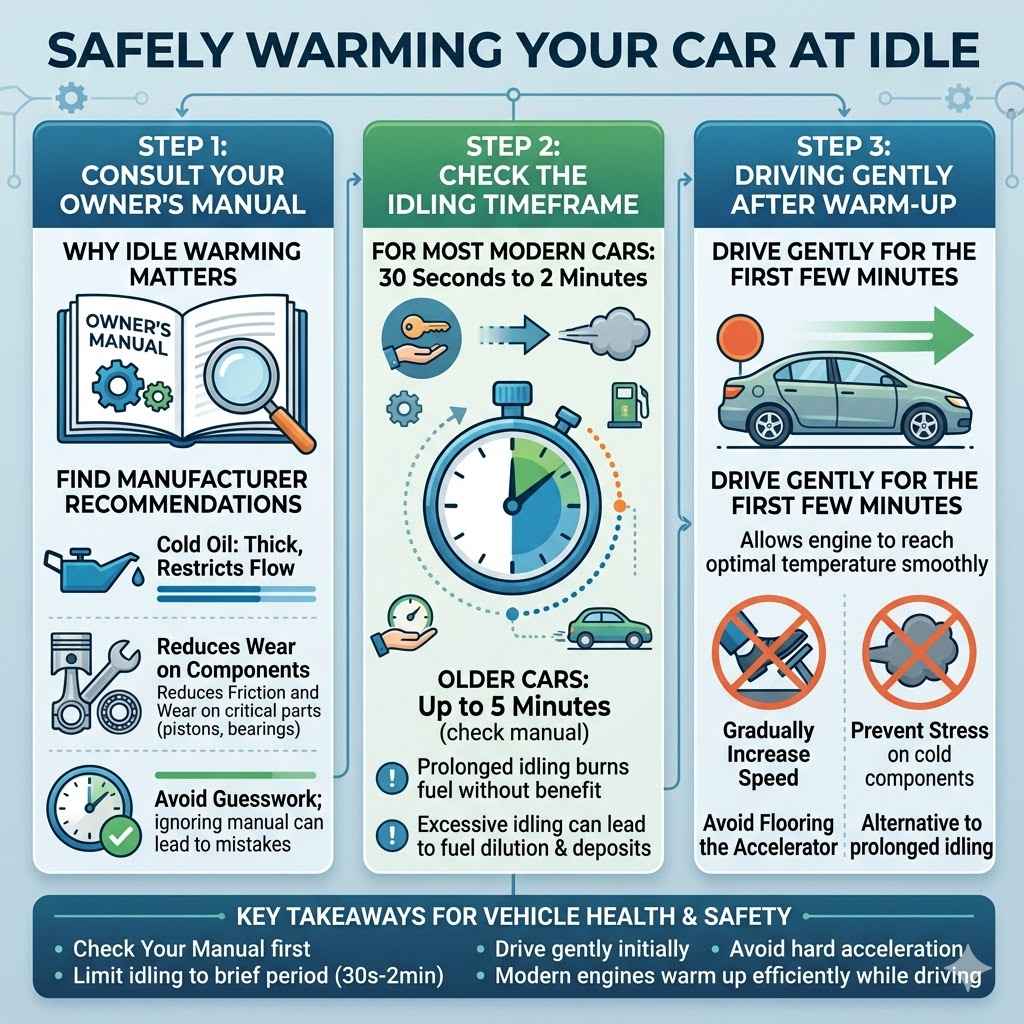
Safely Warming Your Car At Idle
Warming up a car while it’s idling is a common practice, especially during colder months. The goal is to get the engine to a normal operating temperature before driving. This can help reduce wear on engine parts and improve fuel efficiency initially.
However, doing it wrong can waste fuel, create excess emissions, and even lead to engine problems. This section covers the basic steps and why they matter for your vehicle’s health and your safety.
Why Idle Warming Matters
When your car’s engine is cold, the oil is thicker. This makes it harder for the oil to circulate and lubricate all the moving parts. Idling for a short time allows the oil to warm up and flow more easily.
This reduces friction and wear on critical engine components like pistons and bearings. Think of it like stretching before a workout; it prepares your engine for the stress of driving.
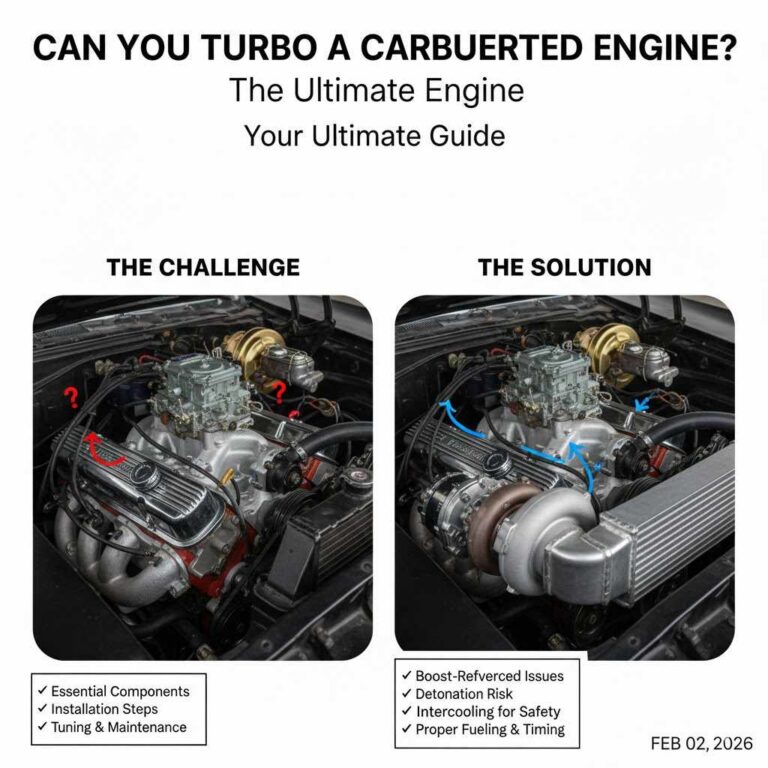
Modern cars, especially those with fuel injection, don’t need long idling periods like older, carbureted vehicles. In fact, prolonged idling can be counterproductive. It burns fuel without much benefit to overall efficiency and contributes to air pollution.
The key is finding a balance: enough time to let essential fluids circulate, but not so long that it becomes wasteful or harmful.
Checking Your Car’s Manual
Every car is a little different. The best advice for your specific vehicle is usually found in its owner’s manual. This booklet contains important information about maintenance, operation, and recommendations from the manufacturer.
It will tell you the manufacturer’s stance on idling and how long they suggest you warm up your car.
Ignoring the manual can lead to mistakes. You might idle too long, thinking it’s helping when it’s actually hurting. Or you might not idle long enough, leading to extra wear.
The manual is written by the people who designed and built your car. It’s the most reliable source for information specific to your make and model. Always check it first.
- Consult your car’s owner’s manual for specific idling recommendations. Manufacturers provide this guidance based on your car’s design.
- Modern engines are designed to warm up more efficiently while driving gently, rather than extended idling.
- Ignoring manual advice could lead to unnecessary fuel consumption and increased engine wear over time.
The Idling Timeframe
For most modern cars, a short idling period of 30 seconds to 2 minutes is sufficient. This is enough time for the oil to start circulating properly. After this brief warm-up, you can begin driving.
It’s best to drive gently for the first few minutes. This allows the engine to reach its optimal operating temperature without being pushed too hard.
Avoid flooring the accelerator when the engine is cold. This puts immense stress on components that are not yet at their ideal operating temperature. Gradually increasing speed and avoiding hard acceleration helps the engine warm up smoothly and safely.
This approach is often referred to as “driving it easy” or “gentle driving” during the initial warm-up phase.
Older vehicles might benefit from slightly longer idling times, perhaps up to 5 minutes, but always refer to the manual. Excessive idling, even for older cars, can lead to fuel dilution in the oil and incomplete combustion, which can cause deposits to build up.
Understanding Engine Temperature and Oil
The heart of any car is its engine, and its health relies heavily on proper temperature management and efficient lubrication. When an engine is cold, its components are at their lowest temperatures, and the engine oil is at its thickest. This section will explain how engine temperature affects performance and why oil’s viscosity is so important, especially during the crucial warming-up phase.
Engine Temperature Explained
An engine generates a lot of heat when it runs. This heat is a byproduct of combustion. The engine is designed to operate best within a specific temperature range.
This range is usually indicated by the temperature gauge on your dashboard. The ideal operating temperature allows for optimal fuel combustion, efficient power delivery, and reduced emissions.
When an engine is too cold, fuel doesn’t vaporize and burn as efficiently. This can lead to a richer fuel mixture, meaning more fuel is injected than necessary, which wastes gas. Also, cold metal parts expand as they heat up.
If parts are not at their designed temperature, their clearances and tolerances are different, potentially leading to increased wear.
Conversely, an engine that overheats can suffer severe damage. Components can warp or melt, and fluids like oil can break down, losing their lubricating properties. The cooling system, which includes the radiator, coolant, and fan, works hard to keep the engine within its ideal temperature zone.
Maintaining the correct temperature is vital for longevity and performance.
The Role of Engine Oil
Engine oil is the lifeblood of your engine. Its primary job is to lubricate moving parts, reducing friction and preventing them from grinding against each other. But oil does much more than just lubricate.
It also helps to cool the engine by carrying heat away from critical components. Oil also cleans the engine by picking up small particles and contaminants, which are then filtered out.
The thickness of engine oil, known as its viscosity, changes with temperature. When oil is cold, it becomes thicker, like syrup. This thicker oil is harder to pump and doesn’t flow as easily to all the parts that need lubrication.
When the engine is hot, the oil thins out, becoming more like water. If it gets too thin, it might not provide adequate protection.
Modern multi-grade oils, like 5W-30 or 10W-40, are designed to perform well across a range of temperatures. The first number (e.g., 5W) indicates how the oil flows when cold (W stands for winter). The second number (e.g., 30) indicates how it flows when hot.
These oils offer a good compromise for both cold starts and hot running conditions.
Oil Circulation and Wear
During a cold start, the oil pump works to draw oil from the oil pan and send it throughout the engine. However, the thick, cold oil moves more slowly. This means there’s a period, especially in the first few seconds and minutes, where some engine parts might not receive optimal lubrication.
This is why a brief idling period is beneficial. It allows the oil pump to push the cold, thick oil through the engine’s passages. As the oil circulates and the engine components start to generate heat, the oil begins to warm up.
As it warms, its viscosity decreases, and it can flow more freely, providing better lubrication to all the critical areas.
The period of reduced lubrication on a cold start is when the most engine wear can occur. By allowing the oil to circulate for a short time, you significantly minimize this potential wear. Driving gently right after starting also helps; it avoids high engine speeds and heavy loads until the oil has reached a more optimal temperature and consistency.
Catalytic Converter Functionality
The catalytic converter is a crucial part of your car’s exhaust system. Its job is to convert harmful pollutants in the exhaust gases into less harmful substances, like water vapor and carbon dioxide. This process requires high temperatures to be effective.
When you start a cold engine, the catalytic converter is also cold. It takes time and heat from the exhaust gases to reach its “light-off” temperature, the point at which it begins to function efficiently. Idling for too long, especially if the engine is running rich (too much fuel), can send unburned fuel into the converter.
This unburned fuel can ignite inside the converter, leading to overheating and potential damage.
While modern catalytic converters are more durable than older ones, minimizing extended idling is still good practice. It helps the converter reach its operating temperature faster when you start driving gently. This ensures it can do its job of cleaning the air from the moment it’s able to function properly.
Practices for Safe Idling and Driving
Knowing how to safely idle your car and transition into driving is essential for its longevity and your comfort. This section will walk you through the best practices, from ensuring proper ventilation to understanding when and how to drive after a short warm-up. These steps are simple but vital for maintaining your vehicle and avoiding common pitfalls.
Ventilation and Carbon Monoxide
Cars produce exhaust fumes, and one of the most dangerous components is carbon monoxide (CO). This is a colorless, odorless gas that can be deadly. Idling your car in an enclosed space, like a garage, without proper ventilation can quickly build up dangerous levels of carbon monoxide.
Always ensure that garage doors are open when idling your car in a garage. If you are idling your car for a short period outside, be aware of where the exhaust is directed. Avoid idling in areas where fumes can be trapped, such as in a crowded parking garage or near building air intakes.
Carbon monoxide poisoning can cause dizziness, headaches, confusion, and even death.
Modern cars have emission control systems that help reduce CO output. However, if there is an exhaust leak, CO can escape into the cabin. Regularly check your exhaust system for any signs of damage or leaks.
If you suspect an exhaust leak, get it repaired immediately. Never sleep in a running car, especially in an enclosed or poorly ventilated space.
The “Drive It Easy” Method
The best way to warm up most modern cars is to follow the “drive it easy” method. After starting your engine and letting it idle for about 30 seconds to a minute, begin driving. But drive gently.
This means avoiding rapid acceleration, high engine speeds (RPMs), and heavy braking.
Focus on smooth, gradual acceleration and anticipating stops. Let the engine’s natural warmth build up as you drive. By keeping the RPMs relatively low, you’re still allowing the oil to circulate and the engine to warm up, but without putting undue stress on cold components.
This gentle driving period should last for the first 5 to 15 minutes of your trip, depending on how cold it is.
Think of it like this: you wouldn’t run a marathon immediately after waking up without any stretching. Your car’s engine needs a similar gentle transition from being cold and stationary to being under load and at operating temperature. This method is efficient and effective for most everyday driving scenarios.
What to Avoid During Warm-Up
There are several common mistakes people make when warming up their cars that should be avoided. One is prolonged idling, especially in cold weather. While older cars might have benefited from 5-10 minutes of idling, most modern vehicles don’t need this.
Over-idling wastes fuel and increases emissions without providing significant benefits.
Another practice to avoid is revving the engine hard immediately after starting it. As discussed, cold oil doesn’t lubricate as well, and revving a cold engine can cause significant wear on internal components. Wait for the engine to warm up slightly before putting any real load on it, and even then, do so gradually.
Finally, don’t ignore dashboard warning lights. If your check engine light or oil pressure light comes on, it’s a sign of a problem that needs immediate attention. Don’t assume it will go away after the car warms up.
Get it checked by a mechanic.
Winter Driving Tips
When temperatures drop significantly, extra precautions can be helpful. Using a block heater can pre-warm your engine and cabin before you even start the car. This can reduce the need for idling and make your car more comfortable from the moment you get in.
Ensure your tires are properly inflated. Cold weather can cause tire pressure to drop. Properly inflated tires provide better traction and handling, which is crucial in slippery conditions.
Also, check your windshield wipers and washer fluid. Make sure you have good visibility by keeping your windows clear of frost and snow.
If you live in an area with frequent snow or ice, consider using winter tires. They are designed with a special rubber compound and tread pattern that provides superior grip on cold, wet, or icy surfaces. Driving slower and leaving more space between your car and others is also a key safety measure.
Here are some quick tips for safe winter driving:
- Keep your gas tank at least half full to prevent fuel line freezing and ensure you have enough fuel in case of an emergency.
- Check your car battery. Cold weather can strain a weak battery, making it harder to start.
- Carry an emergency kit in your car, including blankets, a flashlight, jumper cables, and non-perishable snacks.
Fuel Efficiency and Environmental Impact
Warming up your car has a direct impact on how much fuel you use and the emissions your vehicle produces. Understanding this connection is key to making environmentally conscious and cost-effective choices. This section will explore how idling affects your fuel consumption and what the broader environmental consequences are, offering a clearer picture of responsible car use.
Fuel Consumption During Idling
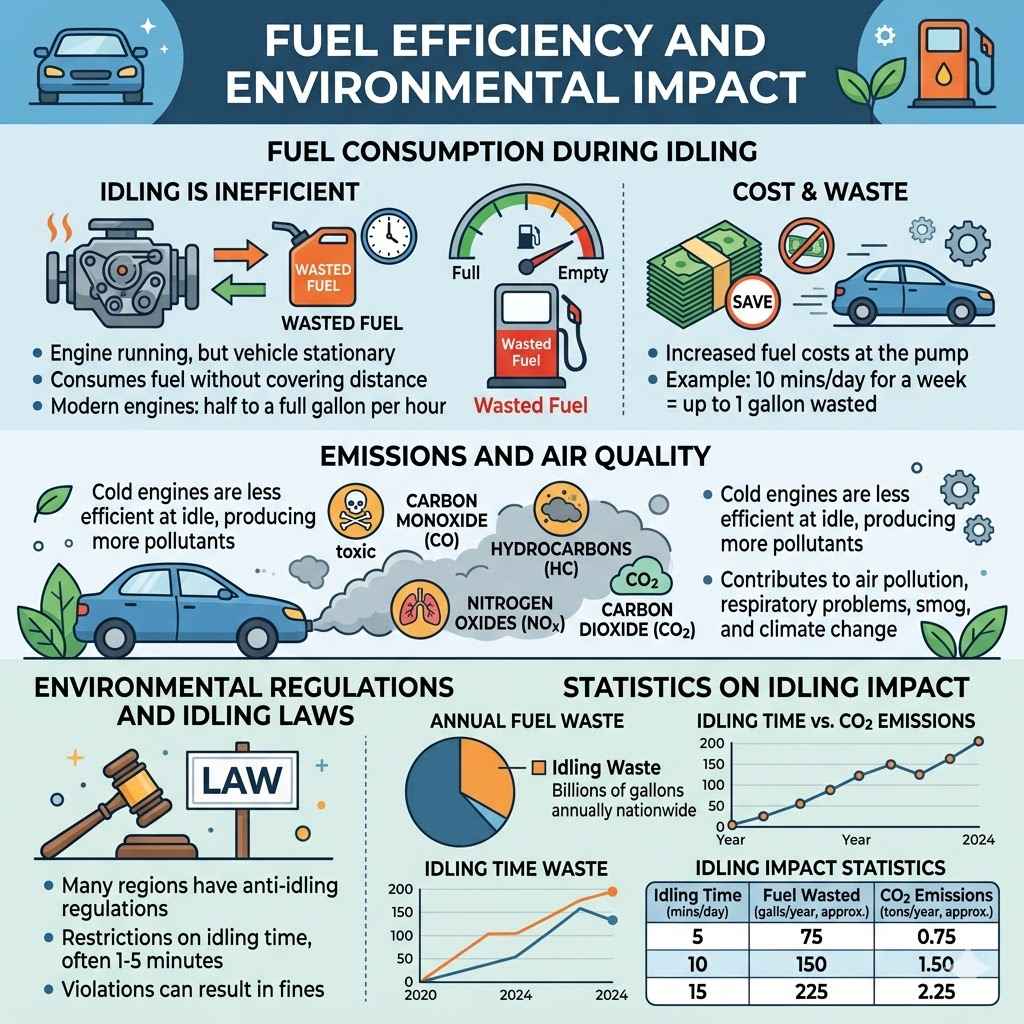
When your car is idling, the engine is still running, consuming fuel. However, it’s not moving, so it’s not covering any distance. This means you’re burning fuel without going anywhere, which is the definition of inefficient.
The amount of fuel consumed during idling can add up surprisingly quickly.
A typical gasoline engine can consume anywhere from half a gallon to a full gallon of fuel per hour while idling, depending on the engine size and conditions. While modern engines are more fuel-efficient at idle than older ones, prolonged idling is still a significant source of wasted fuel. For example, idling for 10 minutes each day for a week could use up to a gallon of fuel, depending on your car.
This wasted fuel translates directly into increased costs at the pump. If you could avoid unnecessary idling and instead drive gently for a few minutes, you would be using that fuel to actually travel. This is a simple way to save money and reduce your environmental footprint simultaneously.
Emissions and Air Quality
Cars produce exhaust emissions that contribute to air pollution and climate change. When an engine idles, especially when it’s cold, it doesn’t burn fuel as efficiently as it does when it’s at its optimal operating temperature. This less efficient combustion can lead to higher emissions of pollutants.
Key pollutants from vehicle exhaust include carbon monoxide (CO), hydrocarbons (HC), and nitrogen oxides (NOx). Carbon monoxide is toxic and can be harmful to human health. Hydrocarbons and nitrogen oxides contribute to the formation of smog, which can cause respiratory problems and damage vegetation.
Extended idling also means more greenhouse gas emissions, primarily carbon dioxide (CO2), which is a major contributor to climate change. By minimizing idling time and driving gently to warm up your car, you can reduce these harmful emissions and contribute to cleaner air for everyone.
Environmental Regulations and Idling Laws
Many regions and countries have implemented regulations regarding vehicle idling. These laws are designed to reduce air pollution and improve local air quality. In some places, there are restrictions on how long a vehicle can idle, especially for commercial vehicles, but increasingly for passenger cars too.
These laws often set limits on idling time, typically ranging from 1 to 5 minutes. Violating these laws can result in fines. Awareness of local idling laws is important for drivers, particularly those who might spend a lot of time with their vehicle running, like delivery drivers or those who wait frequently in their cars.
While not all areas have strict anti-idling laws, adopting best practices for minimal idling is still a responsible choice. It benefits the environment and often saves you money on fuel. Being mindful of your idling habits is a small step that can have a collective positive impact.
Statistics on Idling Impact
According to the U.S. Environmental Protection Agency (EPA), it is estimated that about 10 seconds of fuel is wasted each time you idle your car unnecessarily. For a modern vehicle, that can translate to significant fuel waste over time.
Some studies suggest that reducing unnecessary idling could save billions of gallons of fuel annually nationwide.
A study by the U.S. Department of Energy indicated that idling a vehicle for 10 minutes a day can waste as much as 150 gallons of fuel per year. This waste not only costs drivers money but also releases significant amounts of greenhouse gases into the atmosphere.
For instance, idling can produce about 1.5 tons of CO2 per year per vehicle.
| Idling Time (minutes per day) | Fuel Wasted (gallons per year, approx.) | CO2 Emissions (tons per year, approx.) |
|---|---|---|
| 5 | 75 | 0.75 |
| 10 | 150 | 1.50 |
| 15 | 225 | 2.25 |
These figures highlight the substantial impact that even seemingly small amounts of idling can have on both your wallet and the environment. Making conscious efforts to reduce idling is a practical way to contribute to a healthier planet and save money.
Frequently Asked Questions
Question: How long should I let my car idle in cold weather
Answer: For most modern cars, letting your car idle for about 30 seconds to 2 minutes is enough. After that, you can start driving gently to let the engine fully warm up.
Question: Is it bad to drive a car right after starting it
Answer: It’s not ideal to drive hard right after starting a cold car. However, driving gently for the first few minutes is a good way to warm up the engine efficiently and safely.
Question: Does idling waste a lot of gas
Answer: Yes, idling uses fuel without moving the car. Even a few minutes of idling each day can waste a significant amount of gas over a year.
Question: Can idling damage my car
Answer: Prolonged idling can lead to increased engine wear, fuel wastage, and potential issues with the catalytic converter. It’s best to minimize idling time.
Question: Should I warm up my car in a garage
Answer: Never idle your car in an enclosed garage without proper ventilation. Exhaust fumes, especially carbon monoxide, can build up and become dangerous or deadly.
Conclusion
Heating up your car safely while idling involves understanding your vehicle and practicing smart habits. A short idle is fine, but focus on gentle driving to finish the warm-up. This protects your engine, saves fuel, and keeps the air cleaner.
Start warming up smartly today for a better drive tomorrow.