Best Way To Clean Cloth Car Seats (Dirt Gone For Good)
So, your car seats have seen better days, huh? Maybe it’s spilled coffee, muddy paw prints, or just the general grime of daily life. It’s totally normal!
Cloth car seats are amazing for comfort, but they can sure soak up a mess. It feels overwhelming when you look at them and wonder, “How am I ever going to get this clean?”
You’re not alone in this. Many car owners face the same challenge. The good news is, there are simple, effective ways to bring your car’s interior back to life.
We’ll walk through how to tackle even the toughest dirt. You’ll learn what to use, what to do, and what to avoid. By the end, you’ll feel ready to make those seats look almost new again.
This guide covers the best methods for cleaning cloth car seats, focusing on removing dirt and stains effectively without damaging the fabric. You’ll find steps for general cleaning, spot treating tough spots, and tips for keeping them looking great.
Understanding Cloth Car Seat Cleaning
Cloth car seats are made from many different fabric types. Some are woven tightly. Others have a softer pile.
Each can react differently to cleaning products. Knowing your seat type can help. But most general cleaning methods work well for most fabrics.
The main goal is to lift dirt and stains from the fabric fibers. You want to do this without soaking the seat too much. Too much water can lead to mold or mildew.
It can also damage the foam underneath the cloth.
We’re talking about common issues here. Think about crumbs, dust, pet hair, and those mystery spots. Sometimes, it’s food spills.
Other times, it’s body oils or sweat. All these things can embed themselves in cloth.
The best approach uses the right tools and cleaners. It also involves a bit of patience. You can’t just spray and wipe.
You need to work the cleaner in. Then you need to lift it out. This process is key to getting a deep clean.
My Own Car Seat Cleaning Mishap
I remember one sweltering summer day. I had a large iced coffee in my hand. Of course, the lid wasn’t on quite right.
As I hit a bump, the entire thing tipped. Brown liquid went everywhere. Right onto my light gray driver’s seat.
My heart sank. It looked like a giant coffee stain.
I panicked a little. It was hot. The coffee was already starting to set.
I grabbed some paper towels and tried to blot it. That just spread the stain. Then I thought about dish soap.
I mixed some with water and scrubbed. It made a foamy mess. The stain lightened a bit, but it was still very visible.
And now there was a damp, soapy patch.
Later that week, I looked it up. I learned that hot coffee is tough. And dish soap can leave residue.
I had made it worse. I finally found a good cleaner. I learned to blot gently first.
Then use a cleaner specifically for fabric. It took a few tries. But I did get the stain out.
It taught me a big lesson about tackling car seat messes the right way.
Car Seat Cleaning Prep Work
Before you start cleaning, do this:
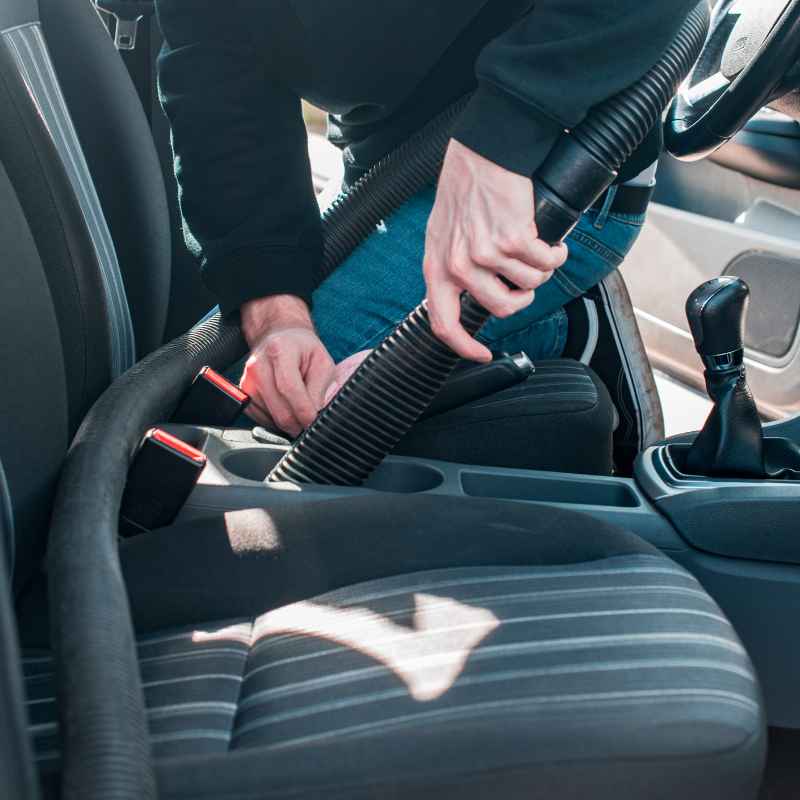
- Remove Debris: Use a vacuum with a brush attachment. Get into all the seams. Remove loose dirt, crumbs, and pet hair.
- Check Your Cleaner: Always test any cleaner on a small, hidden spot first. This prevents color fading or fabric damage.
- Gather Supplies: Have your cleaner, microfiber cloths, a soft brush, and a spray bottle ready.
The Best Way to Clean Cloth Car Seats
Getting your cloth car seats truly clean involves a few steps. It’s not just about one spray. It’s about a process.
This process lifts dirt effectively. It also helps keep your seats looking good for longer. Let’s break it down into manageable parts.
First, you need to remove all the loose stuff. This is where your vacuum cleaner shines. Use the crevice tool.
Get along the edges of the seats. Use the brush attachment for the main surfaces. This step is super important.
It stops dirt from turning into mud when you add cleaner.
Next, you’ll need a good cleaner. Many automotive upholstery cleaners work well. You can also use a mild soap solution.
Mix a few drops of clear dish soap with water in a spray bottle. Avoid colored soaps. They might leave a tint.
The key is to not soak the seats. Spray the cleaner lightly onto a section of the seat. Don’t spray it directly everywhere at once.
This helps you control the amount of moisture. Work in small areas.
Use a soft-bristle brush or a clean microfiber cloth. Gently scrub the sprayed area. You want to loosen the dirt.
Work the cleaner into the fabric fibers. Don’t scrub too hard. This can damage the cloth.
After scrubbing, you need to lift the dirt and cleaner out. Use a clean, damp microfiber cloth. Blot the area you just cleaned.
You should see dirt transferring onto the cloth. Rinse the cloth often. Switch to a clean cloth when one gets too dirty.
Let the seats air dry completely. Open the car doors or windows. This helps with air circulation.
Avoid sitting on the seats until they are totally dry. This prevents new stains and helps the fabric regain its texture.
Deep Cleaning vs. Spot Cleaning
Sometimes, a full clean is needed. Other times, just a small stain needs attention. Understanding the difference helps you clean smarter.
Deep cleaning is for when the whole seat looks dingy. Or when you have widespread light stains. This is the full process we just talked about.
You cover the entire seat area by area. It’s more work. But it gives the best overall results.
Spot cleaning is for those sudden spills or marks. Like the coffee incident I had. The goal here is to deal with the stain quickly.
You want to isolate the problem area. Use your cleaner sparingly on just the spot. Blot it gently.
The aim is to remove the stain without spreading it or making a big wet patch.
For spot cleaning, act fast. The longer a stain sits, the harder it is to remove. Blot up excess liquid first.
Then apply a small amount of cleaner directly to the stain. Let it sit for a minute. Then blot again.
Rinse the area with a clean, damp cloth. Blot dry.
It’s also wise to use a cleaner designed for car interiors. These are often pH-balanced. They are made to work with car upholstery.
They are less likely to cause damage. Always read the product instructions. And do that spot test!
Quick Stain Removal Tips
For common stains:
- Grease/Oil: Sprinkle cornstarch or baking soda on the spot. Let it sit for a few hours to absorb the grease. Vacuum it up. Then clean the area.
- Ink: Isopropyl alcohol can work. Dab a little on a cloth. Gently blot the ink stain. Work from the outside in.
- Mud: Let it dry completely. Then brush off as much as you can. Vacuum the rest. Then clean the remaining mark.
Choosing the Right Cleaning Products
The market has many cleaning products. It can be confusing. What works best for cloth car seats?
Let’s look at some options.
Automotive Upholstery Cleaners: These are usually your safest bet. Brands like Chemical Guys, Meguiar’s, and Griot’s Garage make good ones. They are formulated for car fabrics.
They often have good scent blockers too. They usually come as sprays or foaming agents. Follow the directions on the bottle.
DIY Solutions: A mild soap and water mix is effective for light dirt. Use clear, gentle dish soap or even baby shampoo. Mix about 1 teaspoon of soap with 2 cups of water.
Put it in a spray bottle. This is great for general freshening up.
Enzyme Cleaners: For pet stains or odors, enzyme cleaners are fantastic. They break down organic matter. This gets rid of the stain and the smell.
Look for ones made for car interiors or pet messes.
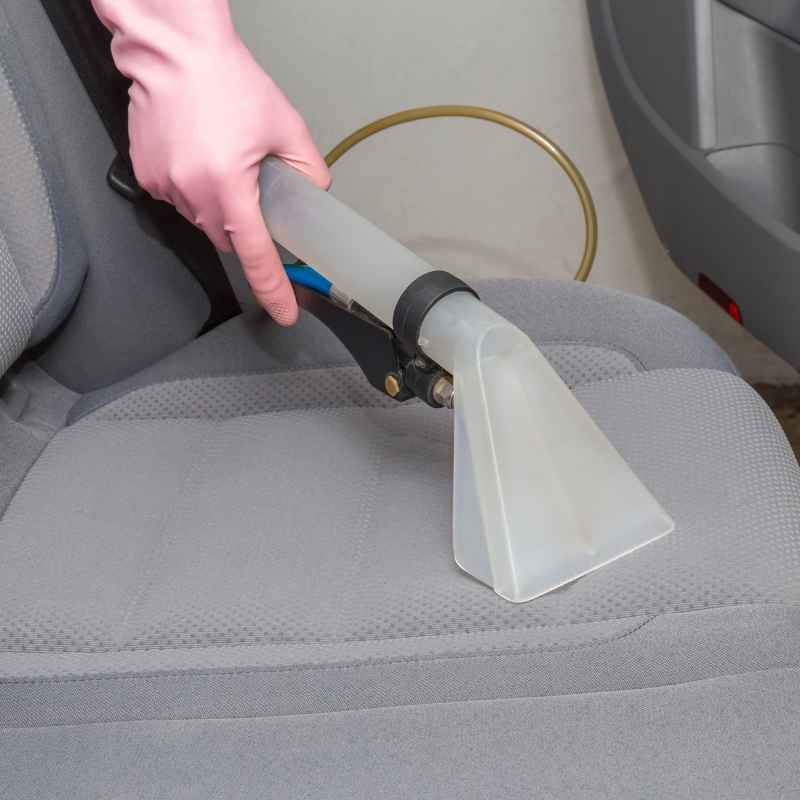
Steam Cleaners: For a deeper clean, a portable steam cleaner can be useful. Steam can lift stubborn dirt. It also sanitizes.
However, be careful not to over-wet the fabric. Follow the cleaner’s instructions. And ensure good ventilation for drying.
What to Avoid:
- Harsh Chemicals: Bleach or strong solvents can damage or discolor your seats.
- Excessive Water: Soaking the seats can lead to mold, mildew, and damage to the foam.
- Abrasive Brushes: These can fray or tear the fabric.
Always remember the spot test. Even “safe” products can react badly with certain dyes or fabric treatments.
The Process: Step-by-Step Guide
Let’s put it all together. This is a detailed guide for getting your cloth car seats clean.
Step 1: Clear Out the Car
Remove all floor mats. Take out any trash or personal items from the seats and floor. This gives you clear access to the entire interior.
Step 2: Vacuum Thoroughly
Use a powerful vacuum cleaner. Attach the crevice tool. Go along all seams, between cushions, and under the seats.
Then use a brush attachment. Vacuum the entire surface of the seats. Pay attention to areas where dirt collects.
Step 3: Prepare Your Cleaning Solution
If using an automotive cleaner, follow its instructions. If making a DIY solution, mix 1 teaspoon of clear dish soap with 2 cups of warm water. Put it in a spray bottle.
For tougher spots, you might use a dedicated stain remover. Always spot test!
Step 4: Spray and Agitate
Work on one small section at a time. Lightly spray the cleaning solution onto the fabric. Do not saturate the seat.
Let it sit for about 30-60 seconds to start breaking down dirt. Use a soft-bristle brush or a clean microfiber cloth. Gently agitate the area in a circular motion.
This lifts the dirt from the fibers.
Step 5: Blot and Rinse
Take a clean, damp microfiber cloth. Blot the cleaned area. You’ll see the dirt transfer from the seat to the cloth.
Rinse your cloth frequently in clean water. Switch to a fresh cloth as needed. Continue blotting until no more dirt is coming up.
For stubborn spots, you might repeat steps 4 and 5.
Step 6: Address Tough Stains
If a stain persists, use a dedicated stain remover. Apply it sparingly. Follow the product’s instructions.
Gently agitate and blot. Sometimes, a second attempt is needed. Be patient.
Avoid aggressive scrubbing.
Step 7: Final Rinse (Optional but Recommended)
Lightly mist the cleaned areas with plain water. This helps remove any remaining soap residue. Blot this water up thoroughly with a dry microfiber cloth.
Soap residue can attract dirt later.
Step 8: Dry Completely
Open all doors and windows of your car. Let the seats air dry completely. This can take several hours, depending on humidity.
You can speed it up with fans. Do not sit on the seats until they are bone dry. This prevents new marks and allows the fabric to breathe.
Quick Scan: Common Cloth Seat Issues & Solutions
| Issue | Solution |
|---|---|
| General Grime | Vacuum, then mild soap/water spray and blot. |
| Coffee/Food Stains | Blot immediately. Use upholstery cleaner or enzyme cleaner. |
| Pet Hair | Vacuum with rubber brush. Lint roller. Special pet hair tools. |
| Odors | Baking soda sprinkled overnight. Then vacuum. Enzyme cleaners for pet smells. |
Real-World Scenarios and Habits
What you do in your car daily impacts how dirty your seats get. Think about your own habits. Do you eat in the car often?
Do you travel with pets? Do kids leave crumbs everywhere?
Eating in the Car: This is a big one. Crumbs fall. Spills happen.
Especially with drinks. Having a small trash bag handy helps. Wiping up spills right away is key.
Even then, some things can leave faint marks.
Transporting Pets: Dogs and cats shed. They can bring in dirt and mud. They can also have accidents.
Using seat covers when you travel with pets is a smart move. It protects your cloth seats from the worst of it.
Kids and Car Seats: Little ones are messy. Spills from sippy cups. Dropped snacks.
Sticky fingers. It’s part of life. Regular vacuuming is essential.
Spot cleaning messes as they happen helps a lot.
Weather Conditions: If you live in a rainy or snowy area, you track in more moisture and dirt. Muddy shoes are a common culprit. Floor mats do a good job.
But sometimes, dirt gets onto the seats themselves.
Fabric Type Matters: Some cloth materials are more resistant to stains. Others are very absorbent. Lighter colors show dirt more easily.
Darker colors can hide it, but can also show faded spots more.
Understanding these real-world factors helps you prevent some messes. It also guides how you approach cleaning. A car used for quick commutes will need different care than one used for family road trips.
What This Means for You: When It’s Normal, When to Worry
It’s normal for cloth car seats to get dirty. Life happens! A few crumbs, a light spill, general dust – this is all part of owning a car.
The goal is to keep them tidy, not pristine.
When it’s Normal:
- Light dust and dirt buildup over time.
- Faint water spots from condensation or minor spills that have dried.
- Slight discoloration in high-traffic areas (like the driver’s seat edge).
- Occasional crumbs or bits of debris.
When to Worry (or At Least Clean Promptly):
- Large or dark liquid spills (coffee, soda, oil).
- Stubborn stains that don’t come out with gentle cleaning.
- Persistent odors, especially from pets or food.
- Visible mold or mildew growth (this is a health concern).
- Areas where the fabric looks faded or worn from harsh scrubbing.
Simple Checks You Can Do:
Periodically, run your hand over the seats. Feel for any sticky spots or rough areas. Sniff for any unusual smells.
A quick visual check in good light can show you if it’s time for a clean.
If you’re unsure about a stain, treat it as a spot clean. Don’t try to scrub a large area if only a small spot is visible. This can cause more issues.
Quick Fixes and Maintenance Tips
Keeping your cloth car seats clean doesn’t always require a deep clean. Regular habits can make a big difference. Here are some easy tips.
1. Regular Vacuuming: This is the #1 tip. Vacuum your car seats at least once a month.
More often if you have pets or kids. This removes dust and debris before it grinds into the fabric.
2. Address Spills Immediately: Keep a small pack of wet wipes or a clean microfiber cloth in your car. For spills, blot them up right away.
Don’t rub. Blotting lifts the liquid. Rubbing spreads it.
3. Use Seat Covers or Mats: If you frequently carry pets or have messy kids, consider using seat covers. They are easier to clean than your car’s upholstery.
4. Control Eating: Try to limit eating messy foods in the car. If you must, use a tray or be extra careful.
Have napkins ready.
5. Protect from Sun: Direct sunlight can fade and damage car upholstery over time. Using a sunshade when parked can help.
It keeps the interior cooler too.
6. Brush Out Pet Hair: Use a rubber brush or a specific pet hair remover tool. These tools are great at grabbing stubborn fur from fabric.
These small steps help prevent major cleaning jobs down the road. They keep your car looking and feeling fresher. And they extend the life of your car’s interior.
Myth vs. Reality: Car Seat Cleaning
Myth: You need a powerful, harsh chemical cleaner for tough stains.
Reality: Often, mild cleaners and gentle agitation work best. Harsh chemicals can damage fabric. Always start with the mildest option.
Myth: Soaking the seat will clean it better.
Reality: Too much water is bad. It can lead to mold, mildew, and damage to the foam underneath. Use cleaning solutions sparingly and blot dry thoroughly.
Myth: You can clean any stain the same way.
Reality: Different stains require different treatments. Grease needs absorption. Ink needs a solvent.
Always identify the stain type if possible.
Frequently Asked Questions
How often should I clean my cloth car seats?
For most people, a good vacuuming once a month is enough for regular maintenance. A deeper clean or spot cleaning should be done as needed. If you have pets, kids, or eat in the car often, you might need to clean more frequently.
Can I use household cleaners like Windex on car seats?
No, it’s best not to use household cleaners like Windex. They contain chemicals that can be too harsh for car upholstery. They might cause discoloration or damage the fabric.
Stick to cleaners made for automotive interiors or mild soap solutions.
What if my car seats have a strong odor?
For general odors, try sprinkling baking soda on the seats. Let it sit for a few hours or overnight, then vacuum it up. For specific odors like pet accidents, enzyme cleaners are very effective.
They break down the odor-causing molecules.
How do I prevent my cloth car seats from fading?
Sun exposure is the main cause of fading. Use a sunshade for your windshield when parked. Keep windows rolled up when possible, especially on sunny days.
Using a car care product with UV protection can also help, but check if it’s suitable for cloth seats.
Is it safe to use a carpet cleaner on cloth car seats?
Some carpet cleaners might be safe, but it’s risky. Car upholstery is different from home carpets. Always check the product label to ensure it’s safe for automotive fabric.
If in doubt, use a cleaner specifically designed for car interiors.
My seats are still a bit damp. What should I do?
If your seats are still damp after cleaning, open all doors and windows to maximize airflow. You can also use fans to speed up drying. Avoid using the seats until they are completely dry to prevent new stains and potential mildew growth.
Conclusion
Cleaning cloth car seats can seem like a big task. But by using the right methods and products, you can restore their look. Remember to start with a good vacuum.
Use mild cleaners. Work in small sections. Blot, don’t rub.
And always let them dry fully.
A little effort can go a long way. Keeping your car’s interior clean makes the whole driving experience better. You’ve got this!
Products related to this article
Sponsored / affiliate links. As an Amazon Associate I earn from qualifying purchases. I may earn additional commission from eligible campaigns.