How To Install Shocks On A Car
My first attempt at installing shocks on my old Chevy was a comedy of errors—think me, a rusty bolt, and a wrench that just wouldn’t budge! But after some trial and error, I learned the ropes, and now I’m here to share a beginner-friendly guide to help you install shocks on your car. This article will walk you through what shocks are, why they matter, and a step-by-step process to get them installed. Whether you’re a newbie or a seasoned gearhead, you’ll find simple tips, safety advice, and cost-saving ideas to make your ride smoother. Let’s dive in!
What Are Shocks and Why Do They Matter?
Shocks, or shock absorbers, are parts of your car’s suspension that keep your ride smooth and safe. They soak up bumps from the road, keeping your tires glued to the ground. Without good shocks, your car might bounce like a pogo stick, making it hard to steer or brake. I learned this the hard way when my old truck felt like a rollercoaster on a gravel road! Replacing worn shocks improves handling, safety, and comfort, especially on long drives.
Tools and Materials You’ll Need
Before you start, gather your tools and parts. You don’t need a fancy garage—just some basics. Here’s what I use:
- New Shocks: Pick shocks that match your car’s make and model. Check your manual or ask at an auto parts store. I got mine from a trusted site like RockAuto for quality and price.
- Jack and Jack Stands: These lift your car safely. Never work under a car held only by a jack!
- Wrenches and Sockets: A set of metric or standard sizes, depending on your car.
- Pliers: For removing clips or stubborn bits.
- Penetrating Oil: Great for loosening rusty bolts.
- Torque Wrench: To tighten bolts to the right specs.
- Gloves and Safety Glasses: Keep your hands clean and eyes safe.
Table 1: Tool Comparison for Shock Installation
| Tool | Purpose | Budget Option | Pro Option |
|---|---|---|---|
| Jack | Lifts car safely | $30 floor jack | $100 hydraulic jack |
| Socket Wrench Set | Removes bolts | $20 basic set | $50 ratchet set |
| Torque Wrench | Tightens bolts correctly | $25 manual | $80 digital |
Caption: Compare budget and pro tools to find what fits your needs.
Step-by-Step Guide to Installing Shocks
Here’s how to install shocks on most cars or trucks. Follow these steps, and it’s a piece of cake!
- Park and Prep: Park on a flat surface, set the parking brake, and turn off the engine. Block the wheels with bricks or chocks to keep the car steady.
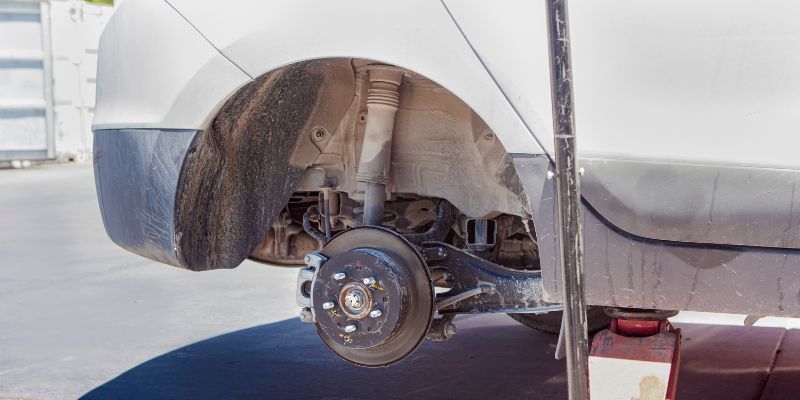
- Lift the Car: Use a jack to lift one corner of the car. Check your manual for safe jacking points. Secure it with jack stands.
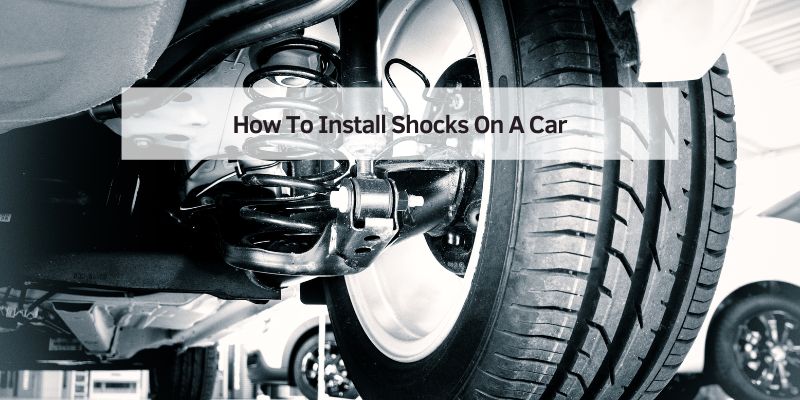
- Find the Shocks: Shocks are usually near the wheels, connecting the suspension to the frame. My Chevy’s front shocks were tucked behind the tires—sneaky!
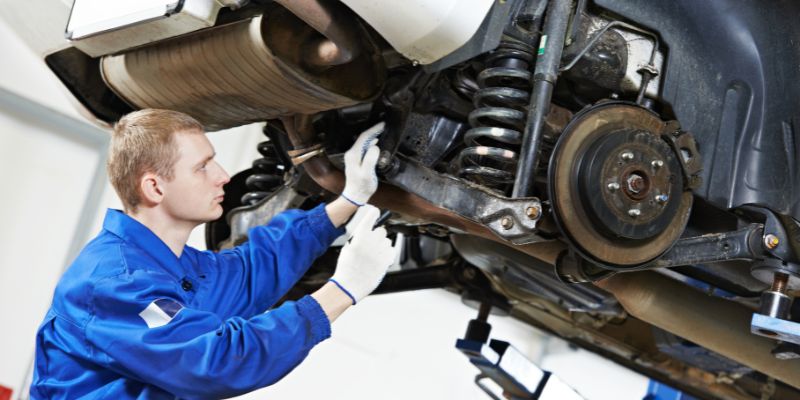
- Remove Old Shocks: Use a socket wrench to loosen the bolts holding the shocks. If they’re rusty, spray penetrating oil and wait 10 minutes. Remove clips with pliers.
- Install New Shocks: Line up the new shock and bolt it in place. Tighten bolts with a torque wrench to the manufacturer’s specs (check the manual). Reattach any clips or brackets.
- Lower the Car: Carefully lower the car using the jack. Repeat for each corner.
- Test Drive: Take a short drive to check for weird noises or handling issues. My first test drive felt like gliding on butter!
Visual Idea: A simple diagram showing a car’s suspension with labeled shocks and jacking points would help beginners visualize the setup.
Benefits and Drawbacks of DIY Shock Installation
Installing shocks yourself saves money—shops can charge $100-$200 per pair! It’s also satisfying to fix your own car. On the downside, it takes time (about 1-2 hours per shock), and rusty bolts can be a pain. If you’re not confident, a mechanic is a safer bet. I once spent an hour wrestling a stuck bolt before calling a pro—lesson learned!
Table 2: DIY vs. Professional Shock Installation
| Option | Cost | Time | Skill Level |
|---|---|---|---|
| DIY | $50-$150 (parts) | 2-4 hours | Beginner-Intermediate |
| Professional | $200-$400 | 1-2 hours | None needed |
Caption: Weigh the costs and time to decide if DIY is right for you.
My Top Tips for a Smooth Installation
From my garage mishaps, here are some tips to make your shock installation easier:
- Check Compatibility: Double-check that your shocks match your car. I once ordered the wrong set and had to wait a week for the right ones!
- Work in Pairs: Replace shocks in pairs (both fronts or both rears) for balanced handling.
- Stay Safe: Always use jack stands. I had a close call when a jack slipped—scary stuff!
- Clean as You Go: Wipe down bolts and parts to avoid dirt gumming up your work.
Visual Idea: A photo of a properly jacked-up car with jack stands in place would show beginners how to stay safe.
Common Mistakes to Avoid
Don’t make these rookie errors I did early on:
- Skipping the Manual: Always check your car’s manual for torque specs and jacking points.
- Over-Tightening Bolts: Use a torque wrench to avoid stripping threads.
- Ignoring Rust: Spray penetrating oil early to save time on stuck bolts.
Choosing the Right Shocks
Not all shocks are the same. For daily drivers, go for standard shocks like Monroe’s OE replacements. If you’re off-roading, try heavy-duty ones like Bilstein. I picked Monroe shocks for my truck because they’re affordable and reliable, per advice from Monroe’s site. Ask yourself: Do you want a smooth commute or a rugged ride? Your driving style matters.
Table 3: Shock Types for Different Drivers
| Shock Type | Best For | Price Range | Example Brand |
|---|---|---|---|
| Standard | Daily driving | $30-$60 | Monroe |
| Heavy-Duty | Off-roading, towing | $50-$100 | Bilstein |
| Performance | Sporty driving | $80-$150 | KYB |
Caption: Choose shocks based on your driving needs and budget.
Safety First: Protecting Yourself and Your Car
Working under a car can be risky, so take these precautions:
- Use Jack Stands: Never crawl under a car supported only by a jack.
- Wear Gloves: Keep your hands clean and safe from sharp edges.
- Double-Check Bolts: Loose bolts can cause shocks to fail, so tighten them right.
Visual Idea: A checklist graphic with safety tips (e.g., “Jack stands: Check!”) would remind readers to stay safe.
Cost-Saving Ideas
Save some cash with these tricks:
- Shop Online: Sites like RockAuto or AutoZone often have better prices than local stores.
- Buy in Pairs: Some retailers offer discounts for buying two shocks at once.
- Reuse Clips: If old clips aren’t damaged, keep them to avoid buying new ones.
Conclusion
Installing shocks on your car is a fun, doable project that can save you money and make your ride smoother. With the right tools, a bit of patience, and my step-by-step guide, you’ll be cruising in comfort in no time. Don’t let a rusty bolt scare you—grab some penetrating oil and get to work! Try it out, share your story in the comments, or ask a friend to join you for a garage day. Happy wrenching!
Frequently Asked Questions
How Do I Know If My Shocks Need Replacing?
Look for bouncing after bumps, nose-diving when braking, or uneven tire wear. If your car feels unstable, it’s time for new shocks.
Can I Install Shocks Without a Torque Wrench?
You can, but it’s risky. A torque wrench ensures bolts are tight enough without damage. Borrow one if you don’t own it.
How Long Does It Take to Install Shocks?
For beginners, expect 1-2 hours per shock. With practice, it’s faster—my last set took 3 hours total.
Are Shocks and Struts the Same Thing?
No, shocks absorb bumps, while struts also support the car’s weight. Check your manual to know what your car has.
Can I Drive With Bad Shocks?
It’s not safe. Bad shocks make steering and braking harder, especially on rough roads. Replace them ASAP.
What’s the Best Shock Brand for Beginners?
Monroe and KYB are great for beginners—affordable and easy to find. Check reviews on sites like RockAuto.
Do I Need to Align My Wheels After Installing Shocks?
Usually not, but if you notice uneven tire wear or pulling, get an alignment. It’s a cheap safety check.