How to Know What Engine Your Car Has: Quick Identification Guide
To find out what engine your car has, check the owner’s manual. You can also look under the hood for labels or codes.
Knowing your car’s engine type helps with maintenance and repairs. Understanding your car’s engine is essential for every driver. It affects performance, fuel efficiency, and repair costs. Different engines have unique features and maintenance needs. Whether buying a used car or planning a tune-up, knowing your engine type is crucial.
This knowledge helps you make informed decisions about oil changes, replacement parts, and potential upgrades. In this guide, we’ll explore simple ways to identify your car’s engine. From checking the manual to spotting labels under the hood, you’ll learn how to uncover this vital information. With this insight, you can better care for your vehicle and ensure it runs smoothly. Let’s dive in and discover the secrets under your car’s hood!
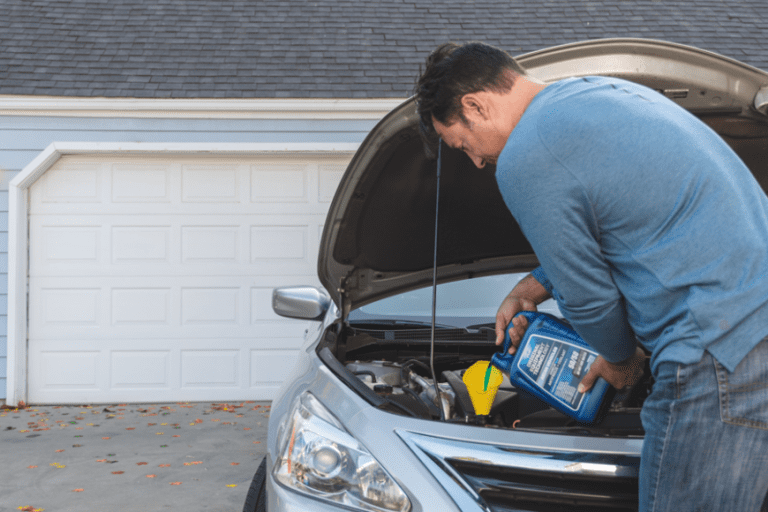
Credit: www.redexadditives.com
Checking The Vehicle Identification Number (vin)
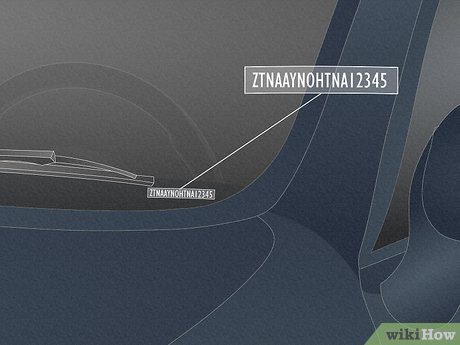
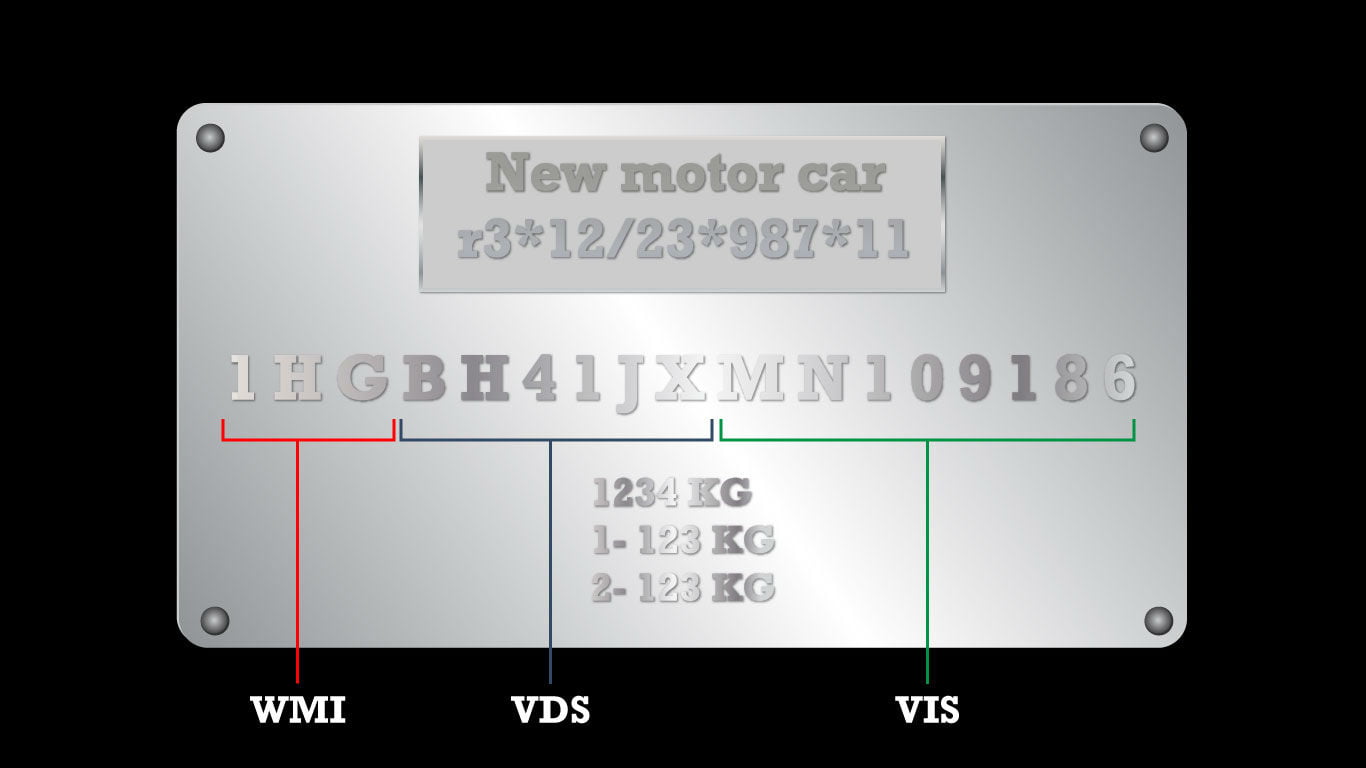
The VIN is usually found on the car dashboard. Look through the windshield to find it. Another place to find the VIN is on the driver’s side door frame. It’s a long number with 17 characters. These characters are a mix of numbers and letters. This number is unique to each car. It helps in identifying specific details about the vehicle.
Each VIN character reveals information. The first three characters show the manufacturer and country. The next six characters describe the vehicle type and features. The ninth character is a security check digit. The tenth character shows the model year. The last seven characters are the car’s serial number. Knowing how to read the VIN helps you learn about the engine and more.
Credit: www.carzing.com
Inspecting The Engine Compartment
The engine label is usually on the top or side of the engine. It tells important details about your engine. Look for a metal plate or a sticker. It might have the engine’s make and model on it. Check near the engine cover or air filter. This label can be dusty, so clean it gently. Now you know what engine you have.
Engine codes are like a car’s secret language. Each engine has a unique code. This code helps mechanics understand the engine better. You can find it on the engine label. It is usually a mix of letters and numbers. Write it down to remember. This code can tell you about the engine’s features and size. It is like the engine’s name tag. Knowing this code helps you learn more about your car.
Consulting The Owner’s Manual
The owner’s manual is a valuable tool. It contains details about your car. To find the engine type, look for the Engine Specifications Section. This section lists important engine details. It includes the engine size and type. You might see terms like V6 or inline-four. These tell how the engine is built. Look for numbers like 2.0L or 3.5L. This number is the engine’s liter size. The manual might also show an engine code. This code is unique to your engine. It helps identify the exact model. Always keep the manual in your car. It’s useful for many things.
Using Online Resources
Car maker websites often have detailed information about their models. Visit the website of your car’s brand. Locate the section that talks about specifications. You may need to enter your car’s VIN number. This helps find your car’s engine type. Look for words like engine type or specs. These sections provide the needed details.
Many people discuss cars on automotive forums. Use these platforms to ask questions. You can also find similar car models discussed. Read threads where users share engine details. Forums often have experienced car enthusiasts. They help answer questions about engine types. Participate in the discussions. You might find someone with the same car model. Their shared information can be helpful.
Contacting A Dealership
Providing Vehicle Details is the first step. You need some information ready. The car’s VIN number is crucial. It is like your car’s fingerprint. Look for it on the dashboard. You can also find it on car papers. Once you have the VIN, contact the dealership. Share this number with them. They can tell you the engine type.
Sometimes you might need Seeking Professional Confirmation. Dealers have experts. They know cars well. Ask them to check your car. They can confirm the engine details. It is helpful if you are unsure. This ensures you get the right information. Always better to be sure.
Utilizing Car Apps And Tools
Discovering your car’s engine type is easy with car apps and tools. Enter your vehicle information, and the app reveals detailed engine specifications. These tools simplify understanding your car’s mechanics, making maintenance more manageable.
Popular Car Identification Apps
Car identification apps help you find your car’s engine type. These apps are easy to use and often free. Simply enter your car’s VIN or license plate number. The app will show details like engine type, make, and model. Some apps even provide maintenance tips. Popular apps include MyCar, CARFAX Car Care, and AutoCheck. These apps save time and provide useful information quickly. They are user-friendly and convenient.
Using Diagnostic Tools
Diagnostic tools are handy for checking your car’s engine. These tools connect to your car and read engine data. They can show error codes and engine details. Many mechanics use these tools for repairs. Some diagnostic tools are small and portable. You can buy them online or at car shops. They are a great help in understanding your engine’s condition. Diagnostic tools give you peace of mind. They help in identifying engine issues early.
Identifying Common Engine Types
Gasoline engines are very common in cars. They use spark plugs to ignite the fuel. These engines are usually lighter and quieter than others. They can be found in most family cars and sports cars. Gasoline engines are often easy to maintain. They are also known for their smooth performance. Most cars in the city use this type of engine. It is the most popular choice for many drivers.
Diesel engines work differently than gasoline engines. They use compressed air to ignite the fuel. These engines are often stronger and last longer. Trucks and buses usually have diesel engines. They are also used in some off-road vehicles. Diesel engines can be more efficient on long trips. They also produce more torque, which helps in heavy jobs. Some people choose diesel for its durability.
Understanding Engine Displacement
Engine displacement tells how big an engine is. It measures the space where fuel burns. This space is called cylinders. Bigger engines have more power. They use more fuel too. Displacement is in liters or cubic centimeters. A 2.0-liter engine means it has 2,000 cubic centimeters.
Engine size is how much air and fuel it can burn. It affects how fast a car can go. More size means more speed. But it also means more fuel use. Understanding size helps you know your car’s performance.
Engine size changes how a car drives. Small engines are good for city driving. Big engines are good for highways. They give more power and speed. But they also use more fuel. Knowing your engine helps you choose the right car.
Frequently Asked Questions
How Do I Know What Engine Is In My Car?
Check the owner’s manual or vehicle registration documents for engine details. Inspect under the hood for labels or stickers. Use online VIN decoder tools by entering your Vehicle Identification Number. Consult a professional mechanic for accurate identification of your car’s engine.
How To Check The Engine Of A Car?
Begin by checking the oil level and color using the dipstick. Inspect the coolant level and look for leaks. Examine belts for wear and ensure they are tight. Listen for unusual noises while the engine runs. Check battery terminals for corrosion and ensure all connections are secure.
How To Tell If Engine Is V6 Or V8?
Check the engine’s cylinder count. V6 engines have six cylinders, while V8 engines have eight cylinders. Inspect the engine cover or refer to the owner’s manual for specifications. Manufacturer markings often indicate engine type. Listen for differences; V8 engines typically produce a deeper, more powerful sound.
How Do I Find The Specs Of My Car Engine?
Check your owner’s manual for engine specs. Visit the manufacturer’s website for detailed information. Use online VIN decoders for specifics. Consult a trusted mechanic if needed.
Conclusion
Knowing your car’s engine is essential for maintenance and repairs. Check the owner’s manual for engine details. Look under the hood for labels or stamps. VIN number can also provide engine information. Visit a mechanic if unsure. Understanding your engine helps keep your car running smoothly.
Regular checks and maintenance extend your engine’s life. Stay informed and drive with confidence.