How to Lease a Car to a Friend: Genius Guide
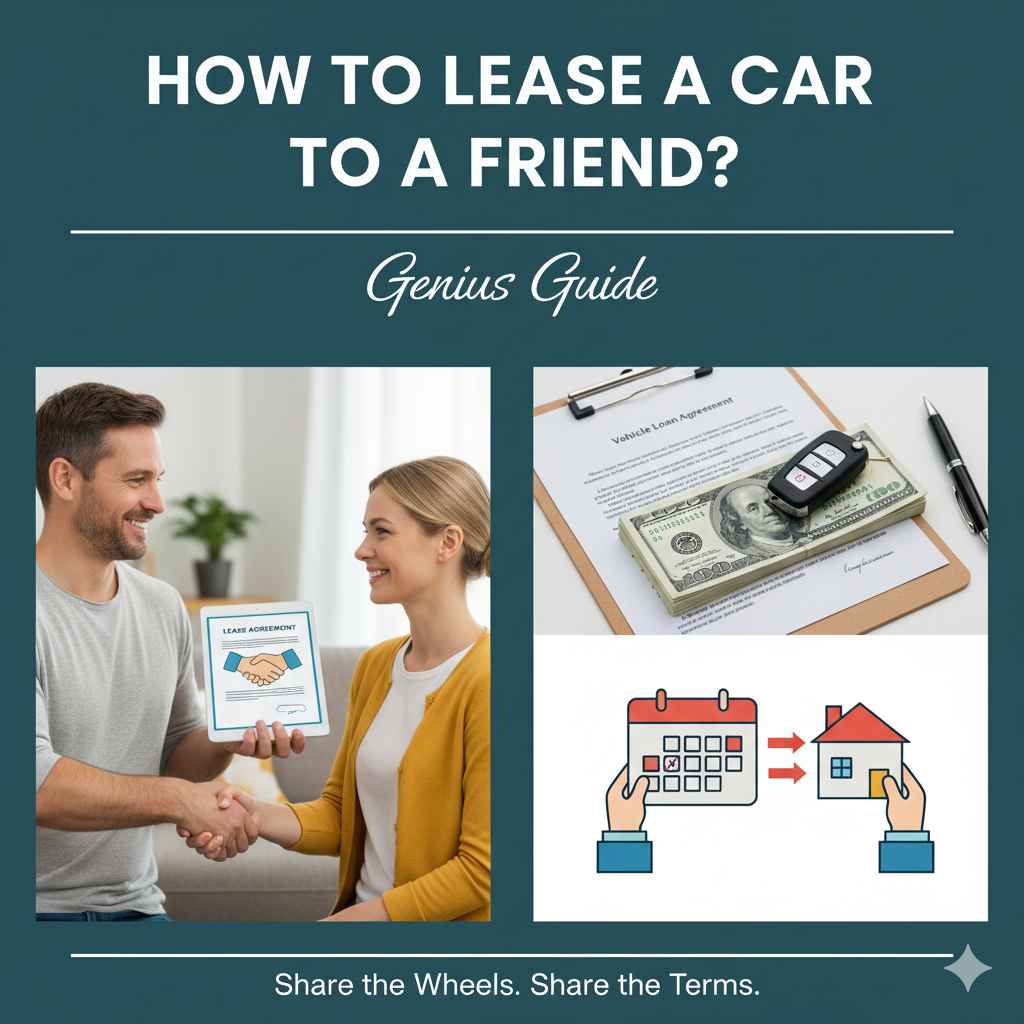
Yes, you can lease your car to a friend! This guide breaks down how to set up a lease agreement, ensuring it’s fair, legal, and keeps your car in good hands. We’ll cover everything from paperwork to expectations, making it stress-free.
Ever thought about lending your car to a friend but felt unsure about the best way to handle it? Maybe your friend needs a ride for a while, or you have a car sitting idle. Letting a friend borrow your car can be generous, but things can get complicated quickly. What if there’s an accident? Who pays? This usually leads to awkward conversations and worrying. But what if there was a way to make it safe and clear for everyone involved? This guide is here to help. We’ll walk you through leasing your car to a friend step-by-step, so you can both feel comfortable and protected. Let’s get started on how to lease a car to a friend the smart way!
Why Lease Your Car to a Friend?
Leasing your car to a friend, rather than just lending it out, offers a structured way to manage the arrangement. It’s about setting clear expectations and responsibilities for both parties. Think of it as a mini-business deal between buddies. This approach helps prevent misunderstandings and protects both your vehicle and your friendship.
Peace of Mind for You
As the car owner, handing over your keys can spark a little anxiety. What if it gets damaged? Who covers the repairs? Leasing allows you to define who is responsible for what, from routine maintenance to unexpected issues. This clarity can significantly reduce your worry.
Convenience for Your Friend
For your friend, a lease agreement provides access to a vehicle without the commitment of buying one. It’s a flexible solution for short-term or longer-term needs. They know exactly what their obligation is, making it a predictable arrangement.
Maintaining Your Vehicle
A well-structured lease can ensure your friend takes good care of your car. You can outline expectations for maintenance, mileage, and how the car should be treated. So, when you get it back, it’s still in great shape. Some leasing arrangements might even include stipulating the use of specific quality car care products, ensuring the vehicle’s longevity.
Before You Lease: Key Considerations
Before you even think about signing any papers, there are a few important things to consider. These steps will help you make sure this arrangement works for both you and your friend, and that you’re both protected.
1. Your Insurance Policy
This is a big one! You absolutely must check with your insurance provider. Most standard car insurance policies cover occasional, informal use by a friend or family member. However, formal leasing or renting out your vehicle often requires a different type of coverage, sometimes called a commercial or ride-sharing policy. If you don’t inform your insurer, a claim could be denied, leaving you and your friend in a tough spot. It’s crucial to be upfront and ask them directly: “Does my policy cover me if I lease my car to a friend?” You might find that your current policy is sufficient for a friendly lease, or you might need to add an endorsement or upgrade your coverage.
According to the Insurance Information Institute, “If a friend or relative borrows your car and has an accident, your insurance is typically considered the primary coverage.” They also emphasize that it’s important to inform your insurer about any regular drivers of your vehicle, so a formal lease arrangement is definitely something to discuss.
2. Your Vehicle’s Condition
Be honest about your car’s current state. If it has known mechanical issues, it’s best to address them before leasing. Your friend will be relying on the car, and you don’t want them to face problems. Make a note of any existing wear and tear so there are no surprises later.
3. Your Friend’s Driving Record and Habits
While it might feel awkward to ask, knowing your friend’s driving history is important for your own peace of mind and insurance purposes. Do they have a clean driving record? Are they a responsible driver? Understanding these factors can help you make a more informed decision and set appropriate terms.
4. Your Own Needs for the Car
Do you need the car occasionally? Will you require it back on short notice? Discuss these possibilities upfront. A lease agreement can outline when you might need your car back and how much notice your friend should expect.
Structuring Your Car Lease Agreement
A formal lease agreement, even between friends, is the cornerstone of a successful arrangement. It prevents assumptions and provides a clear roadmap for everyone. Think of it as a friendship-preserving document!
What to Include in the Agreement
Here are the essential elements to cover in your lease agreement:
- Lessee and Lessor Information: Full names, addresses, and contact details for both parties (you as the Lessor/owner, your friend as the Lessee/driver).
- Vehicle Description: Make, model, year, and the Vehicle Identification Number (VIN) of the car being leased.
- Lease Term: The exact start and end dates of the lease. If it’s an open-ended agreement, specify the notice period required for termination by either party.
- Mileage Limits: A specified maximum number of miles your friend can drive per week, month, or the entire lease term. It’s also wise to note any charges for exceeding this limit.
- Usage Restrictions: Any places the car shouldn’t be driven (e.g., off-road) or prohibited uses (e.g., driving under the influence, using it for commercial purposes without notice).
- Maintenance Responsibilities: Who is responsible for routine services like oil changes, tire rotations, and who covers the cost? Specify the interval for these services.
- Repair Costs: Clearly define who pays for repairs. Is it the friend for damage caused by misuse? Is it you for normal wear and tear? What about mechanical failures?
- Insurance Coverage: State that your insurance will be the primary coverage. Clarify how any deductibles will be handled in case of an accident and who is responsible for her.
- Fuel: Generally, the lessee is responsible for fuel, but it’s good to state this explicitly.
- Condition of the Vehicle: Note the car’s condition at the start of the lease, including any existing damage. You might want to add photos or a separate condition report. The lessee typically agrees to return the car in the same condition, minus normal wear and tear.
- Payment Terms (if any): If you are charging your friend a lease fee or for mileage overages, detail the amount, due dates, and accepted payment methods.
- Governing Law: Specify which state’s laws will govern the agreement.
- Signatures: Both parties must sign and date the agreement.
Creating the Document
You don’t need to be a lawyer to draft this. You can create a simple, legally binding document yourself. Many online resources offer free lease agreement templates for vehicles. Look for templates that are specific to your state if possible. Websites like Rocket Lawyer or LegalZoom offer good starting points, though some may require a fee for generated documents. You can also find reputable government-backed legal aid sites that may offer sample forms. For instance, many state court websites offer free legal forms for civil matters.
Remember to keep it simple, clear, and fair. Once drafted, have your friend review it thoroughly, and both of you should sign it. It’s a good idea to have one original copy for each of you.
Step-by-Step Guide: How to Lease a Car to a Friend
Ready to make it official? Here’s a straightforward guide to leasing your car to your friend. This makes the process manageable and ensures all bases are covered.
Step 1: Have the Initial Conversation
Talk openly with your friend about their need for a car and your willingness to lease. Discuss:
- How long they need the car.
- What they’ll use the car for.
- Their budget.
- Your expectations for car care.
This conversation sets the stage and helps gauge if leasing is the right solution for both of you.
Step 2: Check Your Insurance
Contact your auto insurance company. Explain that you plan to lease your car to a friend and ask if your current policy covers this arrangement. Be ready to provide details about your friend and how the car will be used. Don’t skip this step! Understanding your insurance is vital.
3. Draft the Lease Agreement
Use a template or create your own document. Include all the essential details discussed in the previous section. Make sure the language is clear and easy to understand.
Step 4: Review and Sign the Agreement
Present the draft to your friend. Go through it together, answering any questions. If you both agree on the terms, sign and date the agreement. Make copies for yourselves.
Step 5: Document Vehicle Condition
Before handing over the keys, thoroughly inspect the car’s exterior and interior together. Note any existing scratches, dents, or interior wear. Taking clear photos or a video of the car’s condition can be very helpful as a record.
Step 6: Exchange Keys and Documentation
Hand over the keys, a copy of the signed lease agreement, and any necessary vehicle documents (like registration). Ensure your friend knows where to find important information, such as the car’s manual and roadside assistance details.
Step 7: Stay in Touch
Maintain open communication throughout the lease period. Check in occasionally to see how things are going and remind your friend about any upcoming maintenance needs as per your agreement.
Step 8: The Return of the Vehicle
When the lease term ends, conduct another joint inspection of the car. Compare its current condition to the initial condition report. Address any issues as per the agreement.
Fees, Payments, and Compensation
Deciding on whether to charge a lease fee, how to handle mileage, and other financial aspects is an important part of the agreement. Here’s a look at common structures.
Lease Fees
Some owners choose to charge a modest lease fee. This fee can help offset expenses like insurance premiums, depreciation, or simply acknowledge the use of your asset. The amount should be reasonable and discussed openly. It could be a flat weekly or monthly fee.
Mileage Charges
If you’re concerned about excessive wear and tear or staying within your insurance’s comfort zone, setting mileage limits is key. You can agree on a daily, weekly, or monthly mileage allowance. If your friend exceeds this, you can set a per-mile charge. This charge should be reasonable, perhaps 10-25 cents per mile over the limit, to cover additional depreciation and maintenance.
Maintenance and Repair Costs
Clarity here is paramount. Generally, the agreement should stipulate:
- Normal Wear and Tear: This is typically your responsibility as the owner. Things like brake pad replacement at normal intervals, or fluids topping up due to regular use.
- Damage from Misuse/Accident: If your friend is at fault for an accident or causes damage through negligence or misuse (e.g., driving recklessly, parking carelessly), they should be responsible for the repairs and any insurance deductible.
- Routine Maintenance: You can agree that your friend is responsible for ensuring the car receives its scheduled maintenance (like oil changes at X miles) and covers the cost. This keeps the car running well. Alternatively, you could cover it and factor that cost into a higher lease fee.
Example Table: Lease Payment Structures
| Structure Type | Description | Pros | Cons |
|---|---|---|---|
| Flat Weekly/Monthly Fee | A fixed amount paid regularly, regardless of mileage. | Simple, predictable income for the lessor. Easy for the lessee to budget. | Lessor bears risk of high mileage. Lessee might feel “locked in” to paying even if they use the car less. |
| Mileage-Based Fee | A small base fee plus a per-mile charge after a certain allowance. | Fairly compensates lessor for actual usage. Encourages lessees to be mindful of mileage. | More complex to track and manage. Can be unpredictable for the lessee’s budget. |
| Combined Structure | A lower base fee with a mileage limit, and a per-mile charge for exceeding it. | Balances predictability with usage-based fairness. Good middle ground. | Requires clear tracking and communication. |
| Cost-Sharing (Maintenance Included) | A fee that covers lease and agreed-upon regular maintenance. | Simplifies budgeting for the lessee. Ensures car stays maintained. | Lessor takes on more financial responsibility for maintenance. Requires careful estimation of maintenance costs. |
Choosing the right financial structure depends on your trust in your friend, their financial situation, and your own comfort level with risk and management. Open discussion is key to finding a fair solution.
When Things Go Wrong: Handling Issues
Even with the best intentions, issues can arise. Having a plan for how to handle them will make a potentially stressful situation much smoother.
Accidents
In the event of an accident, the first step is always to ensure everyone is safe and exchange information. Your friend should report the accident to your insurance company immediately, as per your policy. The lease agreement should clearly outline responsibility for the insurance deductible. If your friend was at fault, they should cover the deductible. If it was not their fault, your insurance company might cover it, or the responsible party’s insurance would.
Traffic Violations and Tickets
If your friend receives a speeding ticket or any other traffic violation, they are responsible for paying the fine. The lease agreement should explicitly state this. It’s also important that they keep you informed about any serious violations.
Vehicle Breakdowns
If the car breaks down due to a mechanical issue that is not caused by your friend’s misuse, it falls under normal wear and tear. Depending on your agreement, you might be responsible for the repair costs. However, if they were regularly neglecting required maintenance (like oil changes), they might be held responsible for resulting damage.
Disputes
Should disputes arise that cannot be resolved amicably, you might need to consider mediation or, in extreme cases, legal advice. A well-written lease agreement helps immensely in resolving disputes because it outlines agreed-upon terms.
Alternatives to Leasing
While leasing can be a great option, it’s not the only way. If leasing feels too formal or complicated, or if your needs are different, consider these alternatives:
1. Informal Loaning
This is the simplest approach: you just let your friend borrow your car. However, it carries the most risk regarding insurance and liability. If lending informally, ensure your insurance covers permissive use (when someone else drives your car with your permission) and discuss expectations clearly, though without a formal agreement, these are harder to enforce.
2. Car Sharing Services
Platforms like Turo or Getaround allow you to rent out your car to the public. This is a more commercial venture and comes with its own insurance and platform rules. It’s not ideal for simply lending to a friend, as it’s designed for paid rentals and might have fees or requirements that don’t fit a friendly arrangement.
3. Ride-Sharing Services
If your friend just needs occasional rides, perhaps carpooling or using services like Uber or Lyft might be a more practical solution for them than a dedicated car lease.
Frequently Asked Questions (FAQs)
Is it legal to lease my car to a friend?
Yes, it is legal to lease your car to a friend, provided you have a clear, written agreement outlining the terms and responsibilities for both parties. It’s essential to ensure your insurance policy covers this arrangement.
Do I need a lawyer to create a lease agreement for my friend?
Not necessarily. While consulting a lawyer can provide peace of mind, many resources offer free or low-cost lease agreement templates online. You can adapt these templates to fit your specific situation. The key is clarity and mutual understanding.
What if my friend gets into an accident while driving my car under a lease?
In most cases, your car insurance will be the primary coverage. Your lease agreement should specify who is responsible for the insurance deductible. If your friend was at fault, they should typically cover the deductible and any costs not covered by insurance.
Who pays for gas and maintenance when I lease my car to a friend?
This is entirely up to your agreement. Most of the time, the friend (lessee) pays for all fuel. For maintenance and repairs, the agreement must detail who is responsible for routine services, wear and tear, and accidental damage costs.