How to Live Without a Car in the Suburbs: Ultimate Survival Guide
Imagine saving hundreds of dollars every month, enjoying fresh air on your daily walks, and discovering hidden gems in your neighborhood—all without owning a car. Living without a car in the suburbs might sound challenging, but it’s more possible than you think.
If you’re ready to break free from traffic jams, costly repairs, and endless parking struggles, this guide is made for you. Keep reading, and you’ll learn practical tips to navigate suburban life easily, stay connected, and even boost your health—all while ditching the keys for good.
Assessing Suburban Transportation Options
Living without a car in the suburbs starts with knowing your travel choices. Suburbs often have fewer options than cities, but many alternatives exist. Assessing these options helps plan your daily trips. It also saves money and reduces stress.
Public Transit Availability
Public transit can be a solid way to get around. Some suburbs have bus routes that connect to nearby towns and cities. Check the schedules and stops near your home. See if the buses run frequently enough for your needs. Some areas also offer light rail or commuter trains. These options help reach work or shopping centers without driving.
Bike Lanes And Trails
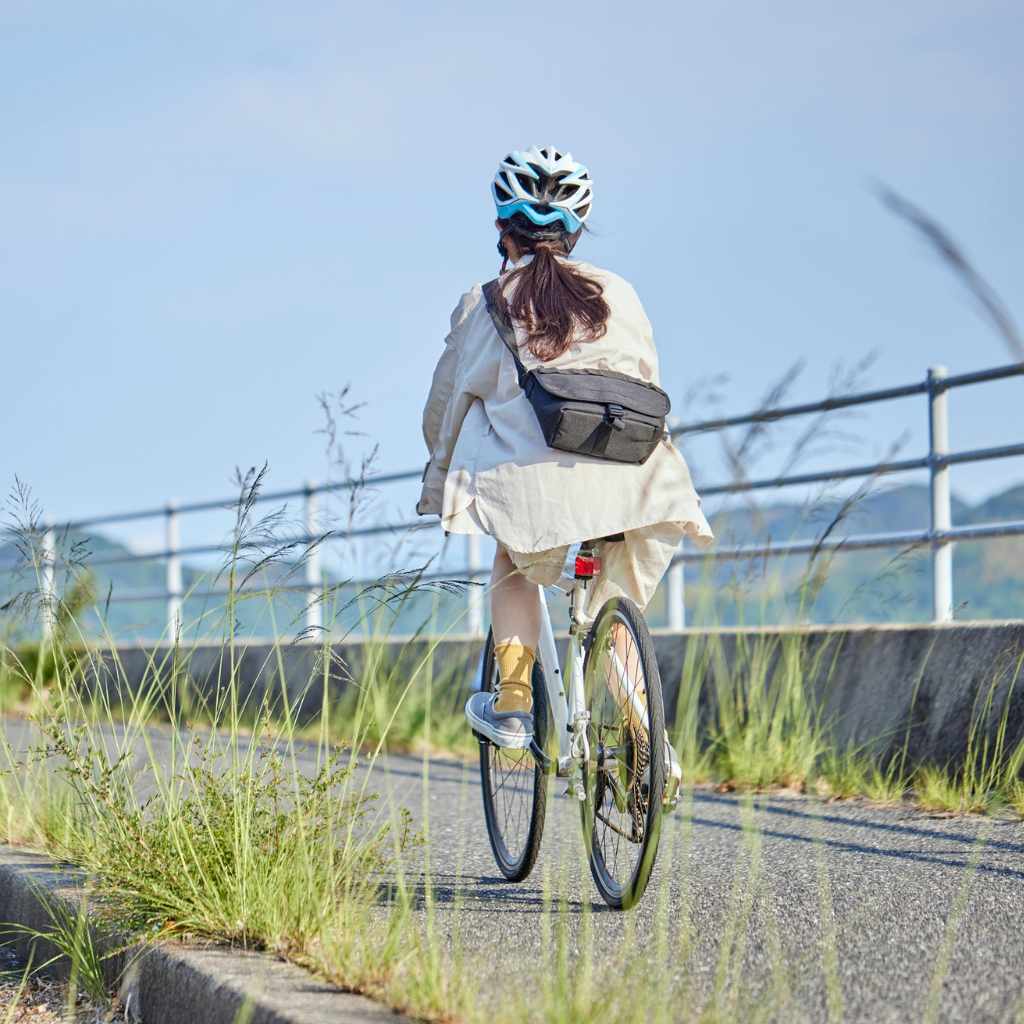
Biking is healthy and eco-friendly. Many suburbs build bike lanes and trails for safety. These paths link neighborhoods, parks, and shopping areas. Riding a bike can be faster than driving in some cases. Look for safe and well-maintained routes. A good bike can replace short car trips easily.
Ride-sharing Services
Ride-sharing apps are useful when public transit or biking is not enough. They provide quick rides without owning a car. You can book a trip with a phone app. Prices vary but often cost less than taxis. Ride-sharing is handy for errands or social visits. It also works well for late-night travel or bad weather days.
Adapting Your Daily Commute
Adapting your daily commute without a car in the suburbs can feel challenging. Many suburban areas depend on cars for getting around. Still, there are practical ways to manage your commute and stay mobile. Changing your routine helps save money and stay active. It can also reduce stress and improve your day.
Walking Routes
Walking is a simple and healthy way to commute short distances. Find safe paths and sidewalks near your home. Plan your route to include parks or quiet streets. Walking also helps you connect with your neighborhood. Carry a small backpack for your essentials. Use comfortable shoes to make walking easier. Check the weather before you leave. Walking daily boosts your energy and mood.
Carpooling Strategies
Carpooling reduces the need for a personal car. Share rides with neighbors or coworkers who live nearby. Set a schedule that fits everyone’s work hours. Use group chats to coordinate pick-up times. Splitting travel costs saves money for all riders. Carpooling helps reduce traffic and pollution. It also creates chances to meet new people. Make sure to follow safety rules during rides.
Remote Work Opportunities
Remote work can eliminate the daily commute entirely. Ask your employer about work-from-home options. Many jobs now allow flexible or full-time remote work. Set up a quiet workspace at home to stay focused. Use video calls and emails to stay connected. Working remotely saves time and travel costs. It also gives you more control over your day. Explore online job boards for remote positions.
Grocery Shopping Without A Car
Grocery shopping without a car in the suburbs is possible with some planning. Many people think a car is needed to carry heavy bags. Walking or biking can work well if you know some smart tricks. This section shares easy ideas for shopping without driving.
Local Markets And Delivery
Local markets often sell fresh fruits and vegetables. These markets are usually closer than big stores. Walking to a market saves money and supports local farmers. Some markets allow small orders and quick trips.
Delivery services bring groceries right to your door. Many stores offer online shopping with home delivery. Choose delivery slots that fit your schedule. This option reduces carrying heavy bags and saves time.
Bulk Buying Tips
Buying in bulk means fewer shopping trips. Choose items with a long shelf life. Examples include rice, pasta, and canned goods. Use airtight containers to keep food fresh. Bulk buying saves money and effort over time.
Split bulk items with friends or neighbors. Share the cost and storage space. This way, everyone benefits from lower prices. Carry smaller portions home for easier transport.
Using Carts And Backpacks
A sturdy shopping cart helps carry many bags. Look for lightweight, foldable carts with big wheels. They are easier to pull on sidewalks and paths. This tool reduces strain on your back and arms.
Backpacks are useful for smaller, lighter items. Choose one with good support and padded straps. Keep heavy items close to your back. Distribute weight evenly to avoid discomfort.
Managing Errands And Appointments
Managing errands and appointments without a car in the suburbs needs planning. Trips must be organized to save time and energy. You can rely on local services and apps to help with tasks. Smart scheduling makes life easier and reduces stress.
Scheduling Efficient Trips
Group errands by location and time to avoid extra trips. Plan appointments close to each other on the same day. Use a calendar to track and adjust your schedule. This method cuts travel time and saves energy. Walking or biking to nearby places becomes easier.
Utilizing Community Resources
Many suburbs offer community shuttles or ride programs. Libraries, community centers, and churches often provide transport services. Local stores may have delivery or pickup options. These resources reduce the need for personal travel. Ask neighbors or local groups about shared rides.
Mobile Services And Apps
Mobile services bring errands to your door. Grocery and pharmacy deliveries save trips to stores. Use apps for booking rides or scheduling pickups. Some apps track public transport schedules in real time. These tools help manage appointments and errands efficiently.
Building A Support Network
Living without a car in the suburbs can feel hard at first. Building a support network helps make this lifestyle easier and more enjoyable. You do not have to go it alone. Connecting with others brings new options and safety. A strong network lets you share rides, get help, and feel part of your community. Here are some ways to build that support.
Neighbors And Friends
Start with people close to you. Neighbors often have similar schedules and needs. Talk to them about your plan to live without a car. Some may offer rides or invite you to join errands. Friends can share trips to shops or events. This saves money and makes travel more fun. A quick chat can open many doors.
Community Groups
Join local community groups or clubs. These groups often organize events and activities near you. They also share useful tips about public transport or car-free living. Many suburbs have online groups on social media or apps. Becoming active helps you meet others who live like you. Together, you can exchange advice or arrange group trips.
Shared Transportation
Shared transportation options are growing in suburbs. Carpooling with neighbors or coworkers reduces travel costs. Look for ride-sharing apps designed for your area. Some places offer bike or scooter shares. These can cover short distances quickly. Combining shared rides with walking or public transit fills travel gaps. It creates a flexible and affordable way to get around.
Adapting Your Lifestyle
Living in the suburbs without a car means changing daily habits. It requires a shift in how you manage time, activities, and possessions. Adapting your lifestyle helps you stay comfortable and happy without driving. Small changes make a big difference.
Minimalist Living
Owning less makes moving around easier. Buy only what you need. Store items carefully to save space. A smaller home or apartment fits better near transit or shops. Minimalism reduces stress and clutter. It helps you focus on essentials.
Local Entertainment Options
Explore nearby parks, community centers, and libraries. These places offer fun activities close to home. Attend local events or join clubs to meet people. Choose hobbies that do not need a car. This keeps life exciting without long trips.
Staying Active Without Driving
Walk or bike for daily errands and exercise. Use public transit when possible. Plan routes to combine tasks into one trip. Physical activity improves health and mood. Staying active helps you enjoy suburban life without a car.
Emergency Preparedness Without A Car
Living in the suburbs without a car means extra care in emergencies. Being ready helps keep you safe and calm. You need clear plans for medical care, evacuation, and supplies. This section covers key steps for emergency preparedness without a car.
Accessing Medical Care
Know the nearest clinics and hospitals. Find places reachable by bike, bus, or walking. Keep emergency phone numbers handy. Learn about local ambulance services and their response times. Tell neighbors or friends about your medical needs. Join community groups for support during emergencies.
Planning Evacuation Routes
Map out several ways to leave your home. Choose routes safe for walking or biking. Check public transit options for emergencies. Practice these routes to build confidence. Identify shelters and safe spots along the way. Keep a charged phone with location apps ready.
Essential Supplies
Store water, non-perishable food, and medications at home. Include a flashlight, batteries, and a first aid kit. Keep a portable phone charger and cash in small bills. Have warm clothes and blankets for cold weather. Make sure supplies fit in a backpack for easy transport.
Frequently Asked Questions
How Can I Get Around Suburbs Without A Car?
Use public transit, bike, walk, or carpool. Plan trips ahead and combine errands to save time. Many suburbs have growing transit options.
Are Groceries Accessible Without Driving In Suburbs?
Yes, many suburbs have local grocery stores within walking or biking distance. Consider delivery services or bulk shopping to reduce trips.
What Are Alternatives To Owning A Car In Suburbs?
Try car-sharing, ride-hailing apps, biking, or electric scooters. These options reduce costs and provide flexible transportation in suburban areas.
Is Living Without A Car In Suburbs Affordable?
Living without a car saves money on gas, insurance, and maintenance. Using public transit and biking lowers monthly expenses significantly.
Conclusion
Living without a car in the suburbs is doable and rewarding. You can save money on gas and parking. Walking, biking, and public transit keep you active and healthy. Planning trips ahead helps avoid stress and delays. Sharing rides with neighbors builds community and trust.
Embrace a slower pace and enjoy your surroundings more. Small changes lead to big benefits over time. Try these tips and see how life improves. It takes effort, but freedom grows without a car.