Why Does My Dog Chase My Car When I Leave? Causes Explained
Your dog may chase your car because departure cues can build into a high-arousal event: the engine, movement, fading sightline, and your absence may trigger prey drive, separation stress, or both; start by managing the exit, then train an alternative behavior. Ignore it and the pattern can harden fast, while the dog stays at risk of being hit, escaping, or injuring itself. This guide explains the main reasons behind car-chasing and the first steps to stop it.
Why does my dog chase my car when I leave?


Departure-related chasing often starts with a stack of cues, not a single cause. The car moves, the sound changes, the person leaves, and the dog can become aroused enough to sprint after the car. That is different from a dog that reacts to passing traffic at other times of day.
The leaving ritual can act like a trigger stack: keys, door opening, engine start, reverse lights, and the car pulling away. Some dogs treat that whole sequence as a cue to chase, bark, or run the fence line. Others are reacting to distress when the person disappears, especially if the behavior peaks right after departure.
Suppose a medium-sized mixed-breed dog waits quietly until the engine starts, then bolts down the driveway only when the car turns the corner. That pattern points more toward departure arousal or separation distress than general traffic reactivity. The first move is to block rehearsal, then train the dog away from the trigger.
Which dogs are more likely to chase moving vehicles?
Any dog may lunge, bark, or chase cars when overstimulated, but breed tendencies matter. Sighthounds were bred to chase, making vehicles an instinct trigger. Terriers were bred for a high prey drive that can extend to vehicles. Herding breeds’ sharp vision can also make fast cars hard to ignore.
Breed is only part of the picture. Individual temperament, reinforcement history, and environment can matter more than the label on the breed mix. A calm dog with repeated exposure to cars and no clear training may still become a car chaser if the behavior keeps getting practiced.
Prey drive in sighthounds and terriers
Prey drive is an instinctual chasing response. Fast movement often activates it, and cars fit that pattern well. Sighthounds are especially relevant because they were bred to pursue moving targets. Terriers may also fixate quickly when motion appears unpredictable or fast.
Why herding breeds may react to motion
Herding breeds are often attentive to movement. Their sharp visual focus can make a moving vehicle stand out, especially if the dog already scans for motion along a driveway, street, or fence line. That does not mean every herding dog will chase cars. It means the motion can be harder to ignore.
Why breed tendency is only part of the picture
Environment can amplify the problem. A dog that sees cars from the front window every day, rushes the fence when deliveries arrive, or is allowed repeated driveway runs has more chances to rehearse the behavior. Rehearsal matters because the body learns the pattern fast.
Is it prey drive, anxiety, or excitement?
It can be any of the three, and sometimes all three together. Prey drive usually looks like intense focus on motion. Anxiety usually looks more like distress, pacing, whining, or frantic behavior tied to the person leaving. Excitement often shows up as bouncing, barking, and fast escalation.
Look at timing and body language. If the dog reacts to the car itself, the motion or sound may be the main trigger. If the dog reacts mainly when a person leaves, separation distress may be part of the picture. If the dog escalates near a fence or boundary, barrier frustration may be involved.
Signs the dog is reacting to motion
Motion-based reactions often include a hard stare, forward weight shift, and sudden launch when the car starts rolling. These dogs may ignore food once they are over threshold. They are not being stubborn. They are too aroused to process the cue set in front of them.
Signs the dog is reacting to separation distress
Separation distress usually centers on the person leaving, not the vehicle itself. The dog may vocalize, pace, scratch doors, or search after the car is gone. Some dogs only chase when the departure sequence begins. Others settle after the car leaves but remain agitated inside the house.
Signs the dog is reacting to barrier frustration or fence running
Barrier frustration often shows up at a fence, gate, or window. The dog may pace a boundary, bark at passersby, or sprint along the property edge as the vehicle moves by. The trigger is motion plus restriction. The barrier makes the reaction stronger because the dog cannot reach the target.
A scenario-based trigger map for car chasing
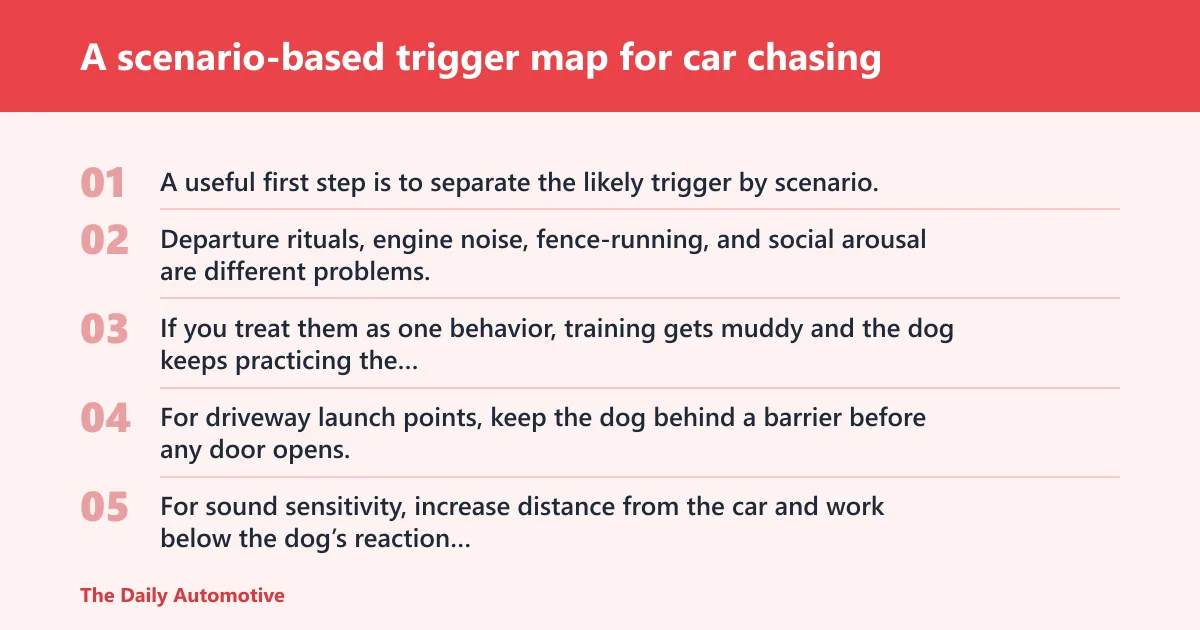
A useful first step is to separate the likely trigger by scenario. Departure rituals, engine noise, fence-running, and social arousal are different problems. If you treat them as one behavior, training gets muddy and the dog keeps practicing the wrong response.
| Likely scenario | What it may look like | Most likely driver | What to try first |
|---|---|---|---|
| Departure rituals and driveway launch points | Dog waits for keys, then bolts when the car rolls out | Trigger stacking, separation distress, or learned routine | Interrupt the exit routine, use gates or leashes, and practice tiny departures without the car moving |
| Vehicle sound sensitivity and engine-start arousal | Dog reacts to the ignition, horn, or backing beeps | Sound sensitivity with motion anticipation | Pair engine sounds with treats at a safe distance, then lower distance only if the dog stays calm |
| Fence-line chasing and window watching | Dog runs the fence or barks at cars from the yard | Barrier frustration plus motion trigger | Block access to the fence, reduce visual rehearsal, and train away from street-facing sightlines |
| Multi-dog escalation and group arousal | One dog starts, others join in | Social contagion and pack-style arousal | Separate the dogs during practice and train one at a time |
| Separation distress after the car leaves | Dog runs after the car, then cries or searches after it is gone | Attachment distress | Build very short absences, change departure cues, and keep exits calm and brief |
What to try first for each scenario
Start with management, then training. For driveway launch points, keep the dog behind a barrier before any door opens. For sound sensitivity, increase distance from the car and work below the dog’s reaction point. For fence-running, prevent access to the fence during car activity. For multi-dog homes, split the dogs so one barking dog does not pull the others into the same response.
A common first-time mistake is trying to train right next to the driveway while the dog is already lunging. That usually fails because the dog is over threshold. Distance helps keep the dog below threshold during training, and the distance varies by dog. If the dog fixates or lunges, the working distance is too close.
How dangerous is car chasing, and what should you do first?
Car chasing can be dangerous because a dog may end up in the street, get struck, or hit another object while running. A sudden lunge can also make a handler lose balance or fall. If the dog bolts while you are getting in or out of the car, prioritize safety and control before anything else.
Do not rely on last-second commands at the curb. Keep the dog attached, supervised, and physically separated from the launch point before doors open. Leash laws matter near traffic, and driveway exits should be treated like traffic zones, not casual drop-off areas.
- Secure the dog before opening the car door.
- Use a barrier, crate, or another adult if needed.
- Keep the dog on a standard 6-foot leash near roads or traffic.
- Avoid retractable leashes and long lines near traffic.
- If the dog surges, step back and reset instead of dragging the dog forward.
Repeated rehearsal makes the habit harder to stop. Every successful chase teaches the dog that the pattern works. The fix is to prevent the run, then build a calmer alternative response before the car movement starts.
How do I stop my dog from chasing cars?
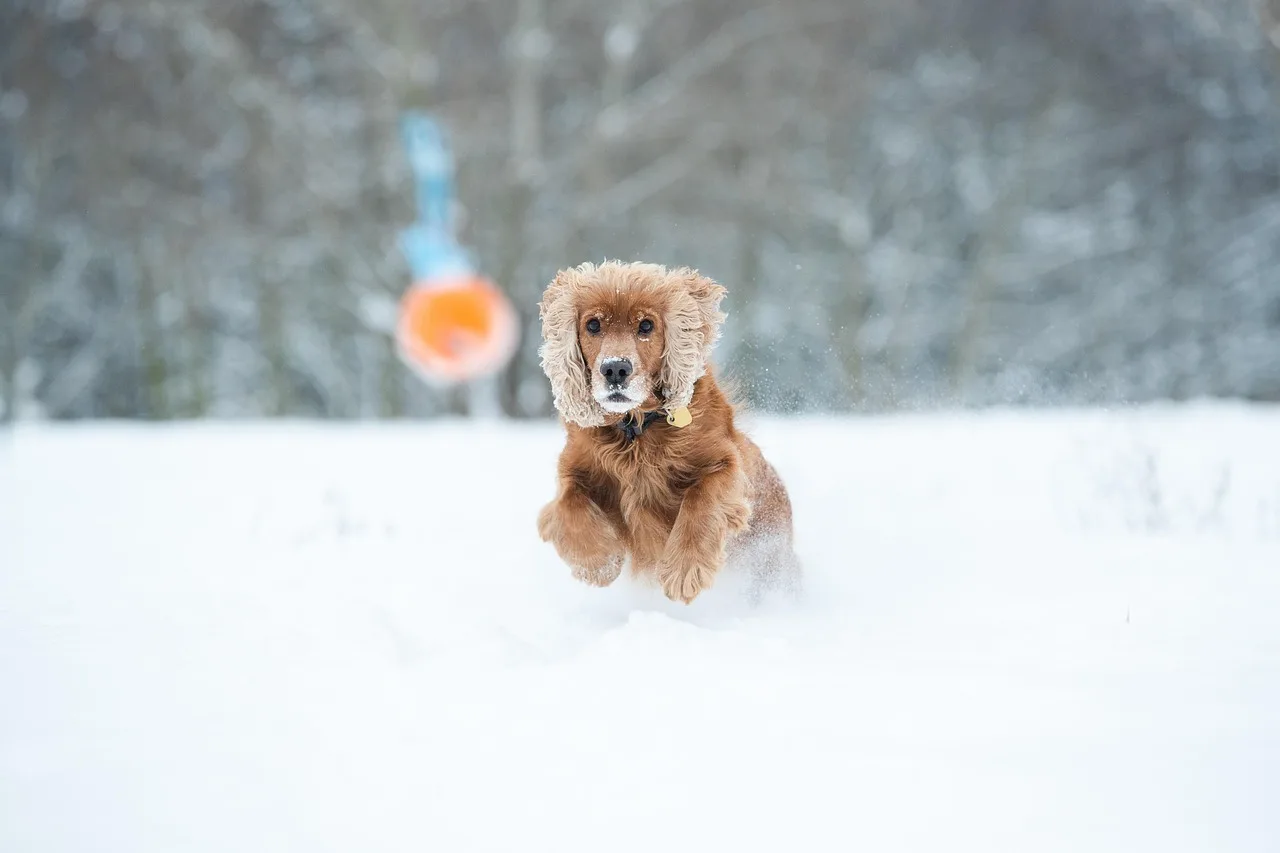
Start by stopping access to the trigger and rewarding calm behavior at a safe distance. Counterconditioning is recommended instead of punishment. The goal is to teach the dog that cars predict rewards, not a launch opportunity. Short, frequent training sessions help reinforce calm behavior.
Use a clear marker if helpful, such as a clicker, then follow with a high-value treat when the car appears and the dog stays composed. Keep the dog below threshold, which means close enough to notice the car but far enough to still think and respond. That point is different for every dog.
How to start training with counterconditioning
Begin where the dog can see or hear the car without stiffening, barking, or pulling. Mark calm behavior as the car passes, then feed immediately. Repeat until the dog begins to look for the reward when motion appears. If the dog reacts, increase distance and restart.
Use a standard 6-foot leash near roads. That length gives you more control without the slack and snag risk of a longer line. Retractable leashes and long lines are discouraged near traffic because they reduce control at the exact moment you need it most.
Choosing a threshold distance
Threshold distance is the point where the dog can still learn. It may be a few houses away, across a parking lot, or far down a sidewalk. If the dog cannot take a treat, cannot turn back to you, or cannot notice the clicker calmly, move farther away.
Using a clicker and high-value treats
A clicker is optional, not mandatory. It is simply a precise marker that says the dog did the right thing. Pair it with a reward when a car passes calmly. High-value treats work best because they compete with the intensity of the moving stimulus.
When to stop and move farther away
Stop the session if the dog begins fixating, stiffening, whining, or lunging. That means the dog has crossed threshold and is not learning what you want. Move farther away, shorten the session, and make the next repetition easier.
Frequently asked questions
Is my dog chasing my car a prey drive problem?
It might be, especially if the dog locks onto movement and launches at the car as it rolls away. Prey drive is an instinctual chasing response, and fast-moving vehicles can trigger it. But if the behavior is tied to your departure, separation distress may also be involved.
Why does my dog run after moving vehicles?
Moving vehicles can set off prey drive, excitement, or frustration. Some dogs react to the motion itself. Others react to the sound or the arousal created by the whole scene. Herding breeds, sighthounds, and terriers are more likely to show strong motion sensitivity, though any dog can do it.
Can a dog chase cars because of anxiety or excitement?
Yes. Some dogs chase because car sound or movement upsets them, while others get overexcited by the departure sequence or a passing vehicle. Anxiety usually brings pacing, vocalizing, or searching. Excitement more often looks like barking, bouncing, and rapid escalation toward the car.
How far away should I train my dog from traffic?
Far enough that your dog stays below threshold. In practice, there is no one distance that works for every dog. Start at the point where the dog can take food, respond to cues, and remain loose in the body. If the dog fixates or lunges, move farther away immediately.
Products related to this article
Sponsored / affiliate links. As an Amazon Associate I earn from qualifying purchases. I may earn additional commission from eligible campaigns.
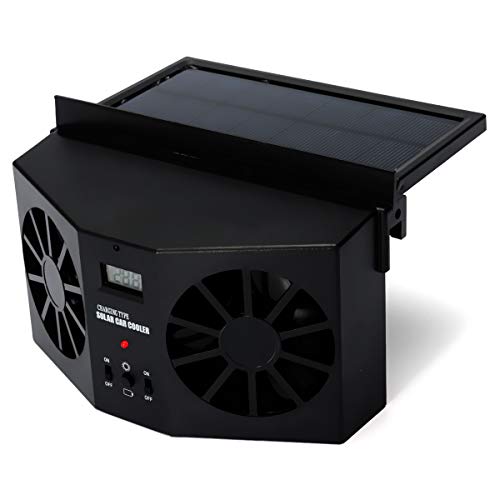 Solar Powered Car Window Fan - Universal Solar Car Front/Rear Window Exhaust Fan Car Window Cooler Fan Air Ventilator Exhaust Radiator, Eliminate Smell (Black)
 Powerty Heavy Duty 100lb Weight Capacity Truck Clothes Hanger Bar,27.5'' to 64" Wrinkle Adjustable Metal Clothes Rod for Sedans, SUVs, Trucks Cars