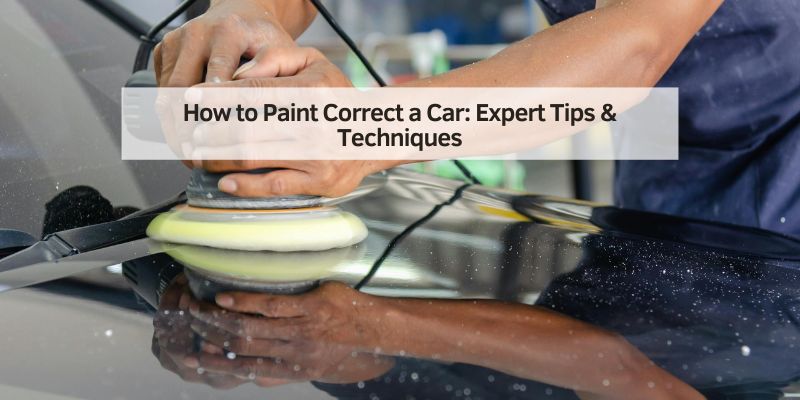
How to Paint Correct a Car: Expert Tips & Techniques
Fixing paint flaws on a car is essential. It keeps your car looking new.
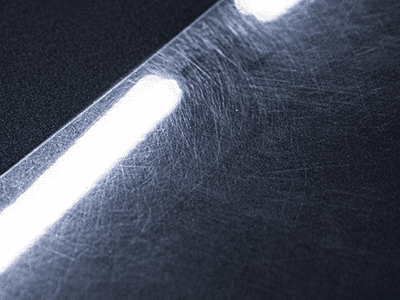
Paint correction can be tricky, but it’s worth it. Many car owners face issues like scratches, swirl marks, or faded paint. These imperfections can make a car look old and uncared for. Learning to paint correct your car can save money and enhance its look.
It’s not just about fixing visible damage; it’s about restoring beauty. Understanding the steps can help you avoid common mistakes. With patience and the right tools, you can achieve professional results. This guide will walk you through the process, ensuring your car shines like new. Ready to transform your vehicle’s appearance? Let’s dive into the world of car paint correction.
Preparation Steps
Begin by collecting all the essential tools for painting. A good paint job requires a clean space. Get a mask, goggles, and gloves for safety. You’ll need sandpaper to smooth the car’s surface. Tape and plastic sheets help protect areas you don’t want painted. Don’t forget a spray gun or paintbrush. Choose based on your comfort and the car’s size. A primer is also necessary. It helps the paint stick better.
Pick a paint that matches your car’s original color. Check the car’s manual for the color code. This ensures a perfect match. Decide between water-based or solvent-based paint. Water-based is eco-friendly. Solvent-based offers a glossy finish. Both have their pros and cons. Test a small area first. This ensures the color looks right. Always buy a bit more paint than needed. Mistakes can happen.

Credit: www.mdautospa.com
Surface Cleaning
Clean the car’s surface well. Use a soft cloth to wipe it. Dirt and debris can damage the paint. Start by washing the car with water. This helps remove loose dirt. After that, use a gentle soap. This will clean the car better. Rinse the car again with clean water. Check for any remaining dirt. It should be gone now. Dry the car with a clean towel. Make sure it is completely dry. This step is very important. A clean surface is key for painting.
Degreasers help remove oil and grease. Spray the degreaser on a cloth. Gently rub it on the car’s surface. Make sure to cover all areas. This will help the paint stick better. Wait for a few minutes. Then wipe it off with a clean cloth. Check to see if all grease is gone. The surface should be smooth. Now, the car is ready for painting. Degreasers make a big difference.
Sanding Techniques
Proper sanding ensures a smooth surface before painting a car. Use fine-grit sandpaper to gently remove old paint. Achieve an even finish by sanding in circular motions, which helps paint adhere better.
Selecting Sandpaper Grits
Choosing the right sandpaper grit is very important. Start with a coarse grit for rough surfaces. This helps remove old paint and rust. Use a medium grit to smooth edges. Finish with a fine grit for a polished look. Each grit serves a purpose.
Sanding The Surface Evenly
Keep your hand steady. Apply even pressure. Move the sandpaper in circular motions. This avoids scratches. Sand the whole area evenly. It’s key for a smooth finish. Always check your work. Look for missed spots. Repeat if needed. Smooth surfaces make painting easy.
Priming The Car
The car must be clean before priming. Dirt can spoil the paint. Start with a thin layer of primer. This helps to cover small scratches. Let the primer dry fully. Drying usually takes an hour. Add a second layer for better coverage. Each layer should be evenly spread. Uneven coats can cause bumps. Use a spray gun for smooth application. A brush can leave marks. Make sure every part gets primer. Corners often get missed. Double-check edges and corners. Look for any areas with less primer. They need more attention.
Keep the spray gun at a steady distance. This helps in even coverage. Overlapping strokes prevent gaps. Move slowly and steadily. Quick movements can leave spots uncovered. Lighting is crucial. Good light helps spot missed areas. Check from different angles. Angles reveal hidden spots. Don’t rush the process. Take your time for better results.
Color Application
Mixing paint is a careful task. Use exact measurements for the best color. Always read the paint label. Follow the instructions closely. Stir the paint well. This helps the colors mix properly. If possible, use a paint mixer tool. This tool makes the job easier. Always test the paint on a small area. Check the color and finish. Make sure it matches your car. Adjust if needed. Repeat until perfect.
Spraying paint needs practice. Hold the spray gun steady. Keep a consistent distance from the car. Move the gun in straight lines. This gives a smooth finish. Overlap each spray pass by half. This prevents streaks. Avoid spraying in one spot for long. It can cause drips. Keep the workspace clean. Dust can ruin the paint job. Always wear a mask. Protect your health from fumes.
Drying And Curing
Proper drying and curing ensure a smooth, lasting finish when painting a car. This step prevents paint defects and enhances the car’s appearance. Patience is key, as rushing can lead to imperfections.
Understanding Drying Times
Paint needs time to dry and cure. This is important for a smooth finish. Drying times can change based on temperature and humidity. Warm weather helps paint dry faster. Cold and damp air makes it dry slower. Always check the paint instructions. They tell you how long to wait. Be patient for a better result.
Avoiding Common Mistakes
Avoid touching the paint before it’s dry. This can leave marks. Also, do not apply more paint too soon. This can cause bubbles or uneven surfaces. Use a timer to keep track of drying times. Always work in a clean, dust-free area. Dust can stick to wet paint and spoil the finish.
Final Touches
Applying the final touches ensures your car’s paint job looks flawless. Carefully sand any imperfections and clean the surface. Use even strokes when painting to achieve a smooth finish.
Polishing The Surface
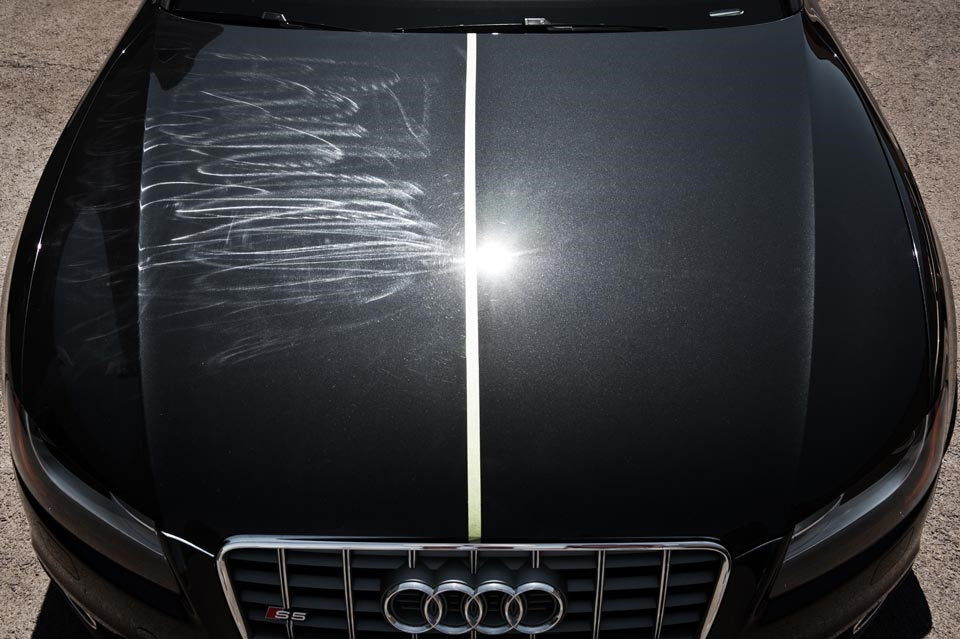
First, clean the car surface. Use a soft cloth and clean water. This removes dust and dirt. Next, apply a polishing compound. Rub gently in circular motions. This makes the paint shiny. It removes small scratches. Use a buffer for best results. The buffer creates an even shine. Shiny paint makes the car look new. Finish with a clean cloth. Wipe off extra polish.
Applying A Clear Coat
Apply a clear coat after polishing. This protects the paint. It adds a glossy finish. Use a spray can or paint gun. Hold the spray can steady. Use even strokes. Make sure the coat is thin. Thin coats dry better. Allow the coat to dry fully. This can take several hours. Check the car for missed spots. Apply more coats if needed. Multiple coats provide better protection.
Credit: zappysautowashes.com
Maintenance Tips
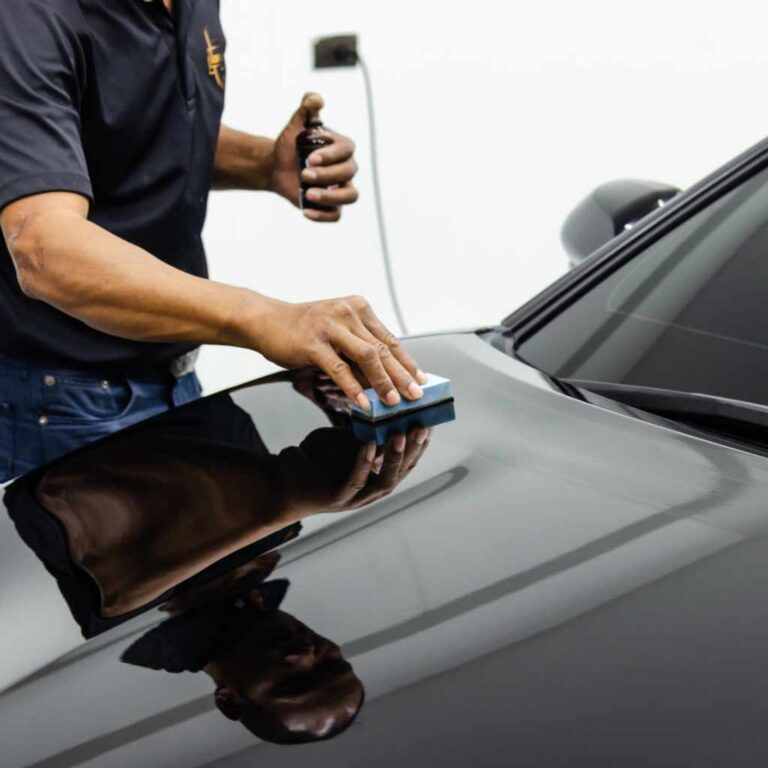
Mastering car paint correction requires careful steps to ensure a smooth finish. Start by washing the car thoroughly to remove dirt. Use a clay bar for stubborn particles. Then, polish to eliminate scratches and swirls. Finish with a wax layer for protection and shine.
Remember, patience and precision are key.
Protecting The Paint Job
Keep your car away from direct sunlight. Sunlight can fade the paint. Always park under a shade or use a car cover. Avoid parking near trees. Sap and bird droppings damage the paint. Use a soft cloth to remove such stains. Never use sharp objects. They can scratch the surface. A ceramic coating can also help. It adds an extra layer of protection.
Regular Cleaning Guidelines
Wash your car every two weeks. Use a mild car shampoo. Harsh soaps can harm the paint. Rinse with clean water after washing. Dry with a soft towel. This prevents water spots. Wax your car monthly. Wax adds shine and shields the paint. Avoid automatic car washes. They might scratch the paint.
Frequently Asked Questions
How To Paint Correct Your Car Yourself?
Clean and sand the damaged area thoroughly. Apply primer and let it dry completely. Choose the correct matching paint color. Use even strokes to spray the paint, maintaining a consistent distance. Finish with a clear coat to protect and shine.
Always work in a well-ventilated area.
How Much Does It Cost To Paint Correct An Entire Car?
The cost to paint correct an entire car ranges from $500 to $2,500. Prices depend on the vehicle’s condition and location. High-end services can exceed $3,000. Always get quotes from multiple detailers to ensure competitive pricing.
What Are The Three Stages Of Paint Correction?
Paint correction involves three stages: cutting, polishing, and finishing. Cutting removes deep scratches and oxidation. Polishing refines the surface, enhancing gloss. Finishing delivers a smooth, mirror-like shine, protecting the paint. This process restores a car’s paint to its original beauty, enhancing its appearance and longevity.
How Do You Fix Messed Up Paint On A Car?
Clean the area and sand the damaged paint. Apply primer, then repaint with matching car paint. Finish with a clear coat.
Conclusion
Painting a car correctly takes time and patience. Follow the steps carefully. Prepare the surface well. Use quality materials. Apply even coats of paint. Allow each coat to dry. Finish with a clear coat for protection. Regular practice improves your skills.
Soon, you’ll achieve professional results. Enjoy the process and your beautifully painted car.