How to Write on a Car Window: Creative Tips & Tricks
A car window is one of the few blank canvases you can decorate in minutes and wipe clean the same afternoon.
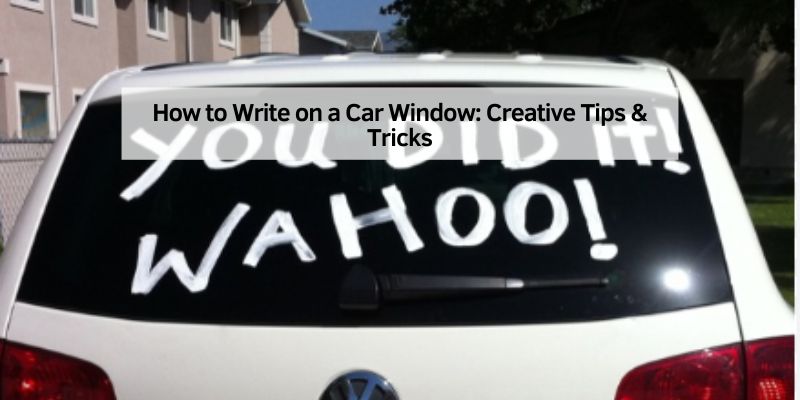
People write on car windows for two very different reasons: to celebrate something (a birthday, a graduation, a “just married” send-off) or to advertise something (a business name, a moving sale, a parking-lot special). Either way, the glass works because it’s temporary. Unlike a bumper sticker or a vinyl decal, chalk markers and window paint pens come off with soap and water instead of leaving adhesive residue or a ghost outline behind.
The part that trips people up isn’t the writing itself — it’s picking a marker that’s actually made for glass, prepping the surface so the ink doesn’t skip or smear, and knowing how to get it all off again without scratching the paint or the window. This guide walks through each of those steps, plus what to avoid so your message stays legible (and legal) until you’re ready to remove it.
Choosing The Right Materials
RECOMMENDED WINDOW MARKER
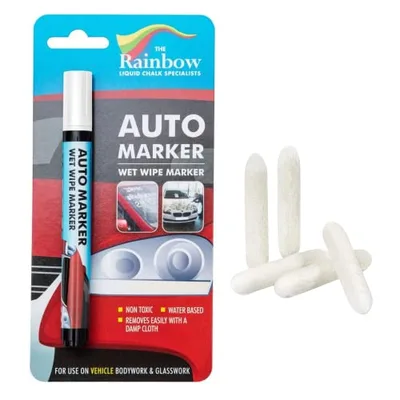 |
Auto Writer Car Window Marker Pen – $11.89 This wet-erase pen is formulated specifically for glass, so it wipes off with a damp cloth instead of soaking into the clear coat the way a permanent marker or oil-based paint pen can.
|
Liquid chalk markers are the safest default for most people. They’re formulated to sit on glass rather than soak into it, which is why they wipe off with a damp cloth or a few passes of a wet paper towel. Most come in a range of bright colors, and the tip size (usually 3mm to 15mm) determines how bold the lettering looks. Window paint pens, sometimes labeled “auto writer” pens, use an oil-based or acrylic ink built to survive real weather — rain, highway wind, a week or two of parking-lot sun — without smearing. That durability is also the tradeoff: getting the ink fully off later usually takes a glass cleaner or rubbing alcohol, not just water. Whichever you pick, dab a small patch in a corner first and let it sit for a few minutes. That quick test tells you whether the ink beads up, stains, or wipes away cleanly before you commit to writing “Happy Birthday” across the whole windshield.
Sidewalk chalk is the cheapest option and works in a pinch, but it wasn’t made for vertical glass. It tends to crumble as you write, leaves chalk dust on the door panel and paint below the window, and washes away in the first light rain — sometimes before you’ve even left the driveway. It’s fine for a quick, disposable message you’ll erase within the hour, but for anything meant to last through a party or a weekend, a chalk marker or window paint pen holds up far better.
Preparing The Surface
Ink skips and smears on dirty glass, so start by washing the window with a soft cloth or sponge and warm, soapy water. Work in small circular motions to lift road grime and dried water spots, then rinse with clean water until no soap film remains — leftover suds will make the marker streak instead of laying down evenly.
Dry the glass completely with a soft towel or microfiber cloth rather than letting it air-dry, since evaporating water often leaves faint mineral streaks that show through the ink. If you’re working outside on a sunny day, a few extra minutes in direct light will finish the job, but check for streak marks before you start writing — a dry, streak-free window is what lets the color come out solid and even instead of patchy.
Design Ideas And Inspiration
Seasonal themes are an easy starting point if you’re not sure what to draw. Winter designs lean on snowflakes, snowmen, and icy blues and whites; spring calls for flowers, sunshine, and pastel shades; summer favorites are beach balls, sunglasses, and ocean-bright colors; and fall designs usually settle on falling leaves, pumpkins, and warm oranges and browns. None of these need to be complicated — simple outlines read just as well from across a parking lot as detailed drawings do.
For life events, keep the focus on the words themselves. Birthday messages work best with the name written large, often paired with balloons or stars. Congratulations messages read well in bold, colorful block letters. Love notes can stay simple — a heart or two alongside the message is usually enough. For bigger occasions like a graduation or an anniversary, a touch of glitter glue or a metallic marker adds sparkle without cluttering the design.
Safety Precautions
Before you start, check where the wiper blades rest and note the position of any side mirrors or antennas mounted near the glass — writing over these spots either blocks the message or forces you to work around an awkward gap later. Plan your lettering to sit clear of them from the start rather than discovering the problem halfway through.
If the car will actually be driven with the message still on it, size and placement matter more than the design itself. Write large enough to be read from a distance, stick to bold colors that show up well in daylight, and never let lettering creep into the driver’s direct line of sight — a message on the windshield or rear window should never block visibility. When in doubt, the side windows are the safer spot to write, both for visibility and for keeping the driver’s view clear.
Techniques For Writing
Stencils are the quickest route to letters that all look the same size and shape, which matters if you’re writing a name or a business slogan you want to look intentional rather than hand-scrawled. Tape the stencil in place so it can’t shift, then trace the openings with a window marker or chalk before filling them in. Because the stencil does the shaping for you, this method works well for kids or for anyone writing on a window for the first time. As always, clean the window first — dust or grime under the stencil will smudge the edges of every letter.
Freehand writing takes more confidence but gives you full control over size and spacing. If you’re not used to writing on a vertical, slick surface, practice the words on paper first so you know roughly how much room each letter needs — window glass doesn’t forgive a word that runs out of space halfway across. Write slowly, favor bigger letters over cramped ones (they’re easier to read and easier to correct), and avoid starting on a damp window, since moisture makes the ink run and blur before it sets. Different markers lay down ink differently, so if your first few letters look thin or streaky, it’s worth switching pens rather than pressing harder.
Removing The Writing
Warm, soapy water and a soft cloth handle most chalk marker and washable-paint messages without any scrubbing. For ink that’s had time to dry or bake in the sun, glass cleaner made for automotive use will lift stubborn residue without leaving streaks — just double-check the label says it’s safe for tinted or coated glass before spraying it on. A mix of vinegar and water works nearly as well and cuts through grime at the same time, while rubbing alcohol on a cloth breaks down ink fast if a spot is being especially stubborn.
If you’d rather skip the commercial cleaners, a paste of baking soda and water lifts most window marker without scratching the glass, and a squeeze of lemon juice added to the mix helps dissolve leftover pigment from tougher spots. Cornstarch mixed with water is a gentler option that still gets the job done, and club soda works surprisingly well as a one-step cleaner-and-polish combo. Any of these will leave the glass streak-free once you follow up with a dry microfiber cloth.
Legal Considerations
Rules about writing on car windows vary by city and state, and a handful of places restrict it outright, so it’s worth a quick check with your local DMV or police department before you cover a window in paint pen for a week-long event. This is especially true if the car will be parked on public streets or driven regularly with the message still visible.
Even where writing on windows is allowed, not every pane is fair game. The windshield and rear window are the ones most likely to run into trouble, since anything drawn there can obstruct the driver’s view — a violation that can get you pulled over in many jurisdictions regardless of how festive the message is. The side windows are almost always the safer, more accepted spot, and they keep the driver’s forward and rear visibility intact no matter how big the lettering gets.
Creative Applications
For personal celebrations — a birthday, a wedding send-off, a graduation parade — car window writing turns a single vehicle into a message that everyone in the parking lot or the procession can see at once. Bright, festive colors read best for this kind of announcement, and keeping the lettering large and the layout simple (a name, a date, maybe a balloon or two sketched alongside it) makes the message land without looking cluttered.
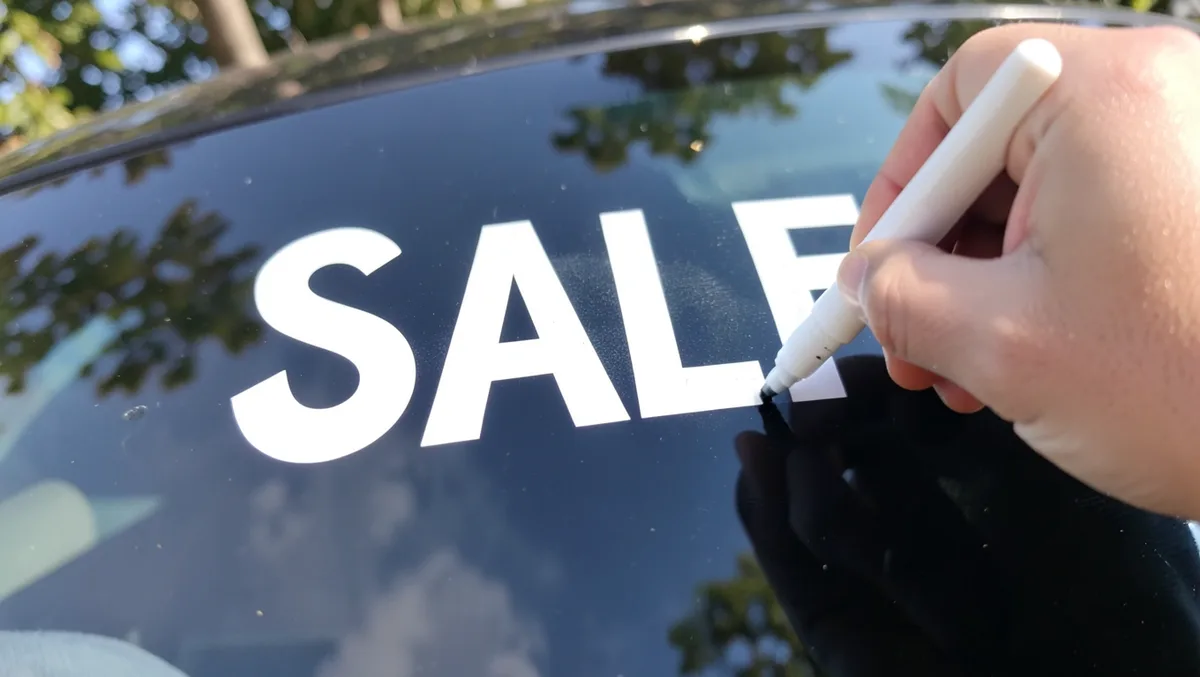
Small businesses use the same technique as a low-cost, moving form of advertising. A business name, a phone number, and a short line about what’s on offer, written in bold letters and bright colors, turns a parked or slow-moving car into a sign that reaches anyone nearby. It won’t replace a real marketing budget, but for a farmers-market stall, a pop-up sale, or a local service business, it’s a way to get a name in front of people for the cost of a marker.
Frequently Asked Questions
What Can I Use To Write On My Car Window?
Use washable chalk markers, dry-erase markers, or window paint pens to write on car windows. They are safe, easy to remove, and come in various colors. Ensure the product is non-toxic and suitable for glass surfaces. Always test a small area first to confirm ease of removal.
What Can I Use To Write On A Window?
Use dry-erase markers, chalk markers, or window crayons to write on windows. They’re easy to apply and clean off. These tools provide vibrant, clear writing on glass surfaces. Always test a small area first to ensure easy removal.
Can You Write On Car Windows With Dry Erase Markers?
Yes, you can write on car windows with dry erase markers. They are easy to apply and clean off. Use a dry cloth or eraser to remove the markings. Ensure the markers are non-toxic and water-based for safety. Always test on a small area first.
Can You Use Sharpie On A Car Window?
Yes, you can use a Sharpie on a car window. It’s ideal for temporary messages or decorations. Use a damp cloth to remove it easily. Avoid prolonged exposure to sunlight to prevent permanent marks. Test on a small area first to ensure compatibility with the window surface.
Conclusion
Writing on a car window comes down to a few habits: pick a marker that’s actually made for glass, clean and dry the surface first, and test a small patch before committing to the full message. Get those right and the rest — the design, the colors, the wording — is just the fun part.
Follow these tips, and you can decorate or communicate effectively. Enjoy your artistic journey on car windows!
Products related to this article
Sponsored / affiliate links. As an Amazon Associate I earn from qualifying purchases. I may earn additional commission from eligible campaigns.