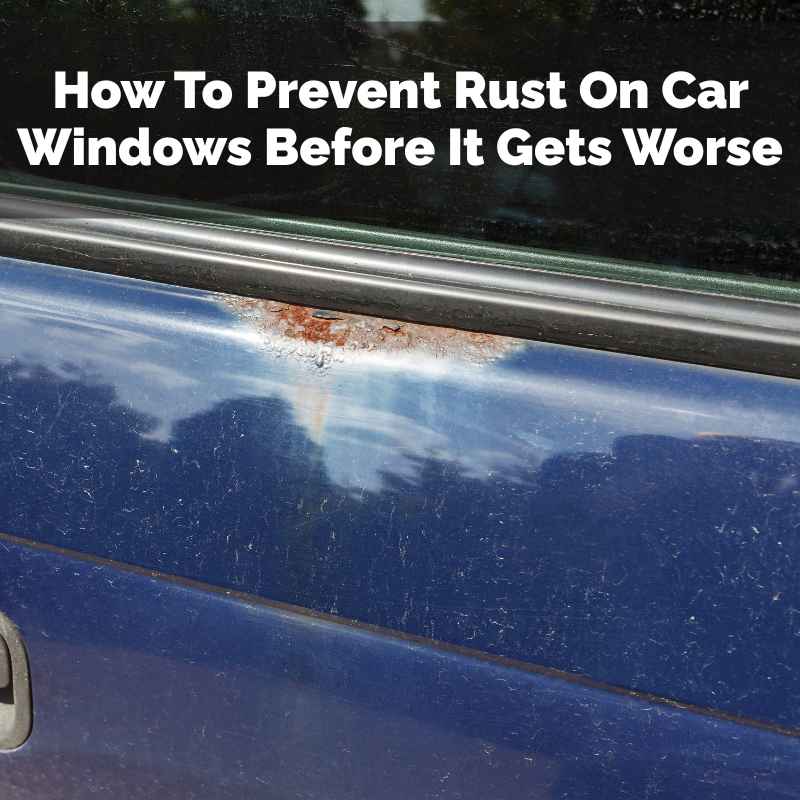
How To Prevent Rust On Car Windows Before It Gets Worse
Rust spots near car windows are often caused by tiny metal particles that bond to your paint. These particles can come from brake dust, industrial fallout, or even water that has sat on metal. Preventing them involves regular cleaning, protective coatings, and addressing the root causes. Early detection and treatment are key to stopping rust from spreading and causing more damage. This article will guide you through identifying the causes and applying effective prevention methods for a pristine car finish.
Understanding Rust Spots on Your Car
What exactly are these orange spots that show up? They aren’t usually rust that has formed on the glass itself. Instead, they are tiny bits of iron or steel that have landed on your car’s paint.
These bits then rust when they get wet. They stick to your car like tiny magnets. Over time, they oxidize, leaving behind those tell-tale orange marks.
These can be very small, almost like freckles. But if left untreated, they can grow. They can even etch into your car’s clear coat.
This makes them harder to remove. Think of it like tiny little nails getting stuck in your paint. Then they start to rust.
Many things can cause these metal particles to land on your car. Brake dust is a big one. When your brakes work, they wear down.
This creates fine metal dust. This dust can get into the air. It then lands on cars nearby.
Industrial areas are another source. Factories release all sorts of particles. Some of these are metallic.
Even railroad tracks can contribute. The grinding of metal on metal creates dust. Also, road salt used in winter can play a role.
It contains iron. If water is present, it can start to rust.
The location of your car also matters. If you park near busy roads, you’ll likely encounter more brake dust. If you live near train tracks or industrial sites, those are risk factors.
Even the water you use to wash your car can sometimes be a culprit. If the water sits in metal pipes or has impurities, it can carry small metal bits. The key is that these tiny metal particles land on your paint.
Then, moisture causes them to rust. This is how those small orange spots appear. They are a sign that tiny metal contaminants have bonded to your car’s surface.
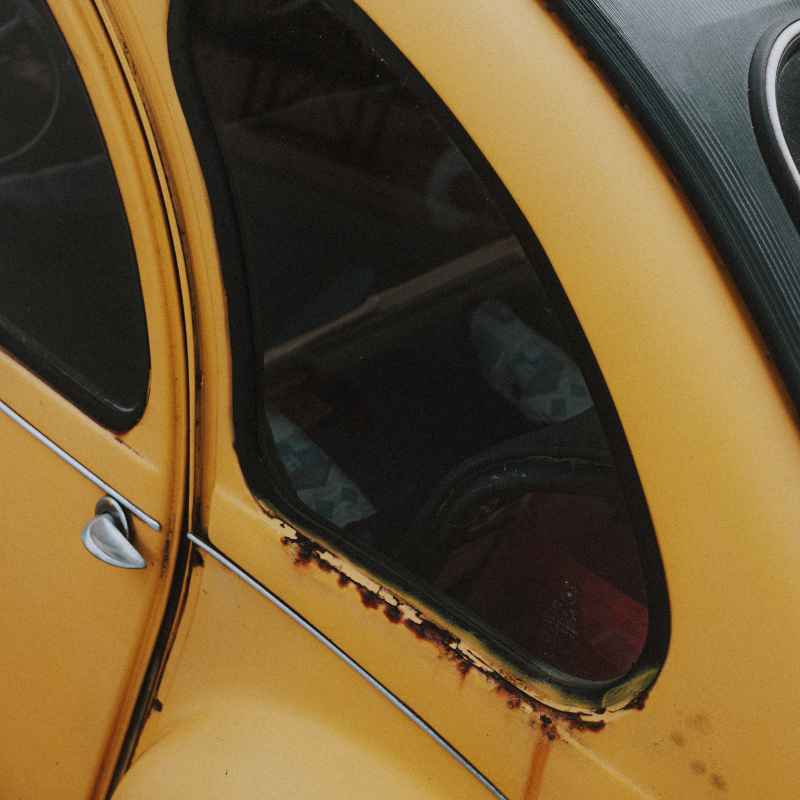
My Own Rust Spot Scare
I remember this one time, a few years back, I’d just finished giving my car a really thorough wash and wax. It was gleaming. I felt so proud of it.
I’d spent hours making it look perfect. The next morning, I went out to run some errands. I noticed these tiny orange dots all over the hood and roof, especially near the windshield.
My heart sank. I thought, “No way. After all that work, it’s already rusting?” I panicked.
I pictured permanent orange stains. My car was practically new. It felt like a personal attack from the universe.
I grabbed a microfiber towel and tried to wipe them off. They wouldn’t budge. They felt rough under my fingertips.
This made me even more worried. I started researching like crazy online. I looked up “car paint rust.” I saw a lot of scary pictures of cars with major rust damage.
I was convinced my car was headed for disaster. I even called a local auto detailer, almost in tears. He patiently explained that it was probably not actual rust on my car.
He said it was likely iron fallout. He told me what products to use. It was a huge relief.
That experience taught me a lot about proactive car care. It’s not always as bad as it looks at first glance.
Common Sources of Iron Fallout
Brake Dust: As brakes wear down, they release fine metal particles. This is a very common source.
Industrial Emissions: Factories and manufacturing plants can release metallic particles into the air.
Railroad Tracks: The friction from trains can create airborne metal dust.
Road Salt: Winter salt often contains iron, which can rust when exposed to moisture.
Water Impurities: Even the water used for washing can sometimes contain dissolved iron.
Real-World Scenarios Where Rust Spots Appear
Where does this iron fallout tend to show up most often? Think about your daily routine. Do you live or work near a major highway?
The constant stream of cars means constant brake dust. The air is filled with tiny metal particles. Parking your car in a city garage can also expose it.
Older garages might have accumulated dust and debris over years. The metal railings and supports can also rust, contributing to airborne particles.
Consider your commute. If you drive over bridges, especially older steel ones, that can be a source. The vibrations and weather exposure on these structures can cause rust.
If you park on a gravel driveway, especially one near a busy road, the dust kicked up can carry metal fragments. Even parking under old trees can sometimes lead to issues. Sap and debris can trap moisture and dirt, creating micro-environments where metal particles can bond and start to react.
In agricultural areas, farm equipment can be a source of metal dust. The constant movement and wear of machinery can release particles. Even living near a railway line means you’re exposed.
The sound of trains is constant, and so is the subtle release of metal dust. It’s not always obvious, but these everyday environments are often the culprits. They are places where your car is constantly exposed to potential contaminants.
These particles are microscopic. You can’t see them with the naked eye.
Contrast: Normal vs. Concerning Rust Spots
Normal: Tiny, isolated orange specks. They appear after rain or washing. They are easy to remove with a clay bar or iron remover.
They are superficial.
Concerning: Larger, irregular orange patches. They appear to be spreading quickly. They are difficult to remove.
They seem to be eating into the paint. You see bubbling paint underneath.
What This Means for Your Car’s Paint
So, these little orange spots are on your car. What does that actually mean for your paint job? At first, it’s mostly an aesthetic issue.
Those tiny spots can make an otherwise perfect car look dull or neglected. They detract from that showroom shine you work hard to maintain. However, if left untreated, they can become more than just a visual annoyance.
The rust is actively bonding to your car’s paint. It’s like a tiny invasion.
The longer these particles sit, the deeper they can penetrate. They can start to oxidize the metal under your paint. This can lead to paint bubbling.
Then, you get actual rust holes. This is much more serious. It means the protective layers of your car’s paint are compromised.
The metal body of your car is exposed to the elements. This can lead to expensive repairs down the line. Fixing surface rust spots is simple.
Fixing rust that has eaten through metal is not.
Think about your car’s paint as a shield. It protects the metal underneath. These rust spots are like tiny holes in that shield.
Water and salt can get through those holes. They can then attack the metal. This is why quick action is so important.
Treating these spots early means you’re reinforcing your car’s shield. You’re preventing potential damage before it starts. It’s a small effort now that saves a lot of trouble later.
Quick Scan: Preventing Rust Spots
- Wash Regularly: Removes contaminants before they bond.
- Use Iron Remover: Dissolves embedded metal particles.
- Apply Wax/Sealant: Creates a protective barrier.
- Address New Spots Quickly: Don’t let them sit.
Simple Steps to Prevent Rust Spots
The good news is that preventing these spots is very achievable. It doesn’t require specialized tools or extreme effort. It’s mostly about consistent care.
The first and most important step is regular washing. Washing your car removes loose dirt, dust, and other contaminants. This includes the tiny metal particles that can cause rust spots.
Aim to wash your car every couple of weeks. More often if you live in a dusty or industrial area. Use a good quality car wash soap.
This ensures you get a thorough clean without stripping existing wax.
After washing, drying is crucial. Water left on the car can allow contaminants to bond. Use clean microfiber towels.
These are soft and absorbent. They won’t scratch your paint. Make sure to dry all the nooks and crannies.
Door jambs, window frames, and under mirrors are common places where water can sit. These are prime spots for rust spots to form if left damp.
A great protective measure is waxing or applying a paint sealant. Wax and sealants create a slick barrier on your car’s paint. This makes it harder for contaminants to stick.
It also helps them wash off more easily during your next wash. Apply wax every 2-3 months. Sealants can last longer, up to 6 months or more.
This extra layer of protection is your car’s best defense. It’s like putting on a raincoat for your paint.
Using Iron Removers Safely
Sometimes, despite regular washing, iron particles will still bond to your paint. This is where an iron remover product comes in. These are specially formulated chemicals that break down iron contaminants.
They work by changing the molecular structure of the rust. This makes it easy to rinse away. They are an essential tool for any car enthusiast.
They get rid of things regular soap and water can’t.
When using an iron remover, always follow the product instructions carefully. Most require you to spray the product onto a dry surface. You’ll see it turn purple as it reacts with the iron.
This color change shows it’s working. Let it dwell for the recommended time. Then, rinse thoroughly with water.
It’s important not to let the product dry on the paint. This can cause staining. Always work in a shaded area.
Avoid applying it to hot surfaces.
After using an iron remover, it’s a good idea to wash and dry your car again. This ensures all the loosened contaminants are gone. Then, reapply your wax or sealant.
This replenishes the protective layer. Iron removers are safe for clear coats. They are very effective.
But they are a chemical treatment. So, using them correctly is key. They are a powerful ally in the fight against rust spots.
They save your paint from deeper damage.
Observational Flow: Dealing with New Spots
- Notice: You see small orange dots.
- Assess: Are they easy to wipe off? (If yes, likely just dirt).
- Test: Try a small area with a clay bar.
- Apply: If the clay bar doesn’t work, use an iron remover.
- Clean: Wash and dry the car thoroughly.
- Protect: Apply wax or sealant.
The Role of Clay Bars
A clay bar is another fantastic tool for cleaning your car’s paint. It’s like a super-powered eraser for contaminants. A clay bar is a synthetic putty.
It’s slightly sticky. When you use it with a lubricant spray, it glides over your paint. It actually grabs and pulls embedded contaminants out of the clear coat.
This includes those tiny iron particles that cause rust spots.
To use a clay bar, you first need to wash and dry your car. Then, spray a panel with a clay lubricant. Take a small piece of the clay bar.
Knead it until it’s pliable. Gently glide the clay bar over the lubricated surface. You’ll feel it grab as it picks up contaminants.
Keep folding the clay to expose a clean surface. If you drop the clay, discard it. It will pick up grit and scratch your paint.
After using a clay bar, your paint will feel incredibly smooth. It’s the perfect canvas for waxing or sealing. Claying your car once or twice a year can make a huge difference.
It removes contaminants that washing alone can’t reach. It’s a crucial step in preparing your car’s paint for ultimate protection. It gets rid of those stubborn little specks that are the start of rust.
Stacked Micro-Sections: Essential Tools
Car Wash Soap: A pH-neutral soap designed for automotive paint.
Microfiber Towels: Soft, absorbent, and non-abrasive for washing and drying.
Clay Bar & Lubricant: For deep cleaning embedded contaminants.
Iron Remover Spray: Chemically dissolves iron particles.
Wax or Paint Sealant: Creates a protective barrier.
Long-Term Protection Strategies
To really keep rust spots at bay for the long haul, think about advanced protection. Ceramic coatings are a popular choice. These are liquid polymers.
They bond to your car’s paint. They create a very hard, durable layer. This layer is much tougher than traditional wax.
It provides excellent protection against contaminants, UV rays, and minor scratches.
A ceramic coating makes your car’s surface super slick. Dirt and grime have a hard time sticking. Water beads up and rolls off.
This “self-cleaning” effect means fewer contaminants will bond to your paint in the first place. While ceramic coatings are more expensive upfront than wax, they can last for years. They offer superior protection.
They make washing and maintaining your car much easier.
Another strategy is to be mindful of where you park. If possible, park in a garage or under a carport. This shields your car from airborne fallout.
If you must park outside, try to avoid areas with heavy traffic. Or near industrial facilities. Even simple things like parking under a shady tree can help.
It reduces the amount of sun and heat your car’s paint is exposed to. Less heat can mean less chance for contaminants to bond.
When to Seek Professional Help
For most minor rust spots, you can handle it yourself. Regular washing, iron removers, and clay bars are usually sufficient. However, there are times when you should call in the pros.
If you notice large patches of rust. Or if the paint looks like it’s bubbling or peeling. This indicates deeper corrosion.
It’s beyond what DIY products can fix.
A professional detailer has the experience and tools. They can properly assess the damage. They can perform more aggressive paint correction if needed.
They can also advise on the best long-term protection. If you’re unsure about using certain products. Or if you’re worried about damaging your paint.
It’s always better to consult an expert. They can save you time, effort, and potential mistakes. Especially if you have a high-value or classic car.
Sometimes, the rust might be coming from a different source. For example, if you have old roof racks or cargo carriers. They might be old and have rusted components.
The rust might be dripping onto your car. A professional can help you identify these sources. They can help you find solutions for those specific issues too.
Don’t hesitate to ask for help when you need it.
Frequently Asked Questions
What is the quickest way to remove rust spots from car windows?
Rust spots are usually on the paint, not the glass itself. For paint, the quickest way is often an iron remover spray. Spray it on, let it turn purple, then rinse thoroughly.
Follow up with a wash and wax.
Can I use vinegar to remove rust spots?
Vinegar is acidic and can sometimes help with light rust. However, it’s not as effective as specialized iron removers. Also, it can be too harsh for car paint if used improperly.
It’s best to stick with products designed for automotive use to avoid paint damage.
How often should I use an iron remover?
You don’t need to use an iron remover every time you wash your car. Use it when you notice rust spots that regular washing doesn’t remove. For most people, this might be 2-4 times a year, or more if you live in a heavily industrialized area.
Will washing my car with hard water cause rust?
Hard water itself doesn’t directly cause rust. However, if hard water contains dissolved iron particles, those particles can land on your paint and rust. Regular washing and using a sealant helps prevent this.
It’s more about the metal contaminants in the water than the hardness itself.
Are rust spots permanent on car paint?
No, rust spots are usually not permanent if treated early. With the right products like iron removers and clay bars, you can remove them completely. The key is to address them before they have a chance to etch into the paint or cause deeper corrosion.
What’s the difference between rust spots and tar spots?
Rust spots are typically orange or brown and are metallic particles that have oxidized. Tar spots are black and sticky, usually coming from road tar or asphalt. They require different cleaning products.
Tar removers are used for tar spots.
Final Thoughts on a Rust-Free Shine
Keeping your car’s paint looking its best involves a little vigilance. Those tiny orange specks are a sign of the world around us. They don’t have to ruin your car’s finish.
By understanding where they come from and using the right tools and techniques, you can easily prevent and remove them. Regular washing, protective waxes, and specialized cleaners are your best friends. A little effort goes a long way.
Enjoy a beautiful, rust-free car.
Products related to this article
Sponsored / affiliate links. As an Amazon Associate I earn from qualifying purchases. I may earn additional commission from eligible campaigns.