How to Fix Squeaky Brakes: Causes and When It Is Unsafe
Squeaky brakes are not always a problem, but they are never worth guessing about. A brief squeak on cold mornings is often normal. A steady squeal can be the built-in wear indicator telling you the pads are nearly used up, and a grinding sound can mean metal is contacting metal. This guide helps you match the sound to the likely cause, shows which sounds are urgent, and explains what a shop will actually do. It is general information, not a diagnosis, and brakes are a safety system: if you are unsure, have them inspected.
Stop driving and have the car inspected by a qualified technician if you notice grinding, a soft or sinking pedal, the car pulling to one side, a brake warning light, or fluid around a wheel. Do not work under a car supported only by a jack, and leave brake lines and hydraulics to professionals.
How to Fix Squeaky Brakes: Quick Diagnosis by When the Squeak Happens
Best Pad-Contact Lube Pick (For Brake Jobs)
|
Permatex 24125 Ceramic Extreme Brake Parts Lubricant, 8 oz A brake-hardware lubricant a technician can use on caliper pins and pad backing plates during a pad replacement. It does not repair worn pads or rotors, and it does not make a worn-out brake safe.
As an Amazon Associate we earn from qualifying purchases. Price and availability change; check the listing. |
Fixing squeaky brakes starts with listening, because the same noise can come from harmless surface rust or from pads that are almost gone. The table below is the quick version: what you hear, the most likely cause, and how urgent it is. The sources are Honda’s owner’s manual, Nissan’s brake-noise service bulletin (published on NHTSA’s site), Wagner, Brembo and AAA, all read for this update.
| What you hear | Most likely cause | Urgency | What to do |
|---|---|---|---|
| Short squeak in the first few stops, then it goes away | Cold brakes or light surface rust (Nissan bulletin: normal, no service needed) | Low | Keep an eye on it; mention it at your next service |
| Occasional squeak or squeal when you first press the pedal | High-frequency pad vibration (Honda manual: may be normal) | Low | Normal unless it becomes constant or changes |
| Loud, continuous squeal, even when not braking | Wear indicators touching the rotor (Nissan bulletin: pads worn out) | High, book soon | Have pads inspected and replaced promptly |
| Squeak at normal temperature on every stop, pads not yet worn | Glazing, missing or incorrect shims, dry or dirty hardware, pad compound | Medium | Shop inspection; the fix depends on which one it is |
| Rear squeal that gets worse over weeks | Dust and dirt between pads and rotors (Nissan bulletin, rear brake squeal) | Medium | Shop clean and hardware check |
| Groan while stopping after heavy braking | Glazed rotor surface (Nissan bulletin) | Medium | Shop inspection; pads and rotors may need work |
| Grinding or growling | Pads worn through, metal contacting the rotor (Wagner, Brembo) | Urgent: stop driving | Have the car towed or inspected before driving further |
| Pulsing pedal or steering wheel shake | Rotor thickness variation or runout (Nissan bulletin, brake judder) | Medium to high | Technician inspection; see our guide on shaking when braking |
| Pulling to one side, soft pedal, warning light | Uneven braking or a hydraulic or sensor problem (Wagner on pulling) | Urgent | Do not keep driving; get a professional inspection |
One point many guides miss: no squeal does not mean healthy pads. Brembo says “many modern pads” have acoustic wear indicators, which implies some do not, and Wagner notes that some pads rely on a wear slot or a dashboard light instead. Silent pads can still be thin, so look at pad thickness at service intervals rather than trusting your ears alone.
Why Do Brakes Squeak?
Brake noise is a vibration. Something between the pad and the rotor, or between the pad and the caliper, is vibrating at an audible frequency. These are the causes the brake makers and automakers describe.
Worn pads and the wear indicator
Many pads carry a small metal tab on purpose. AAA describes them as small strips of metal that protrude from the pad; as the pad wears, the strip eventually touches the rotor and makes a squeak or squeal when you slow down. Nissan’s bulletin calls a loud, continuous squeal that happens with or without braking a normal function: it means the pads are worn out and need replacing. Honda’s manual describes it as a continuous metallic friction sound.
Glazed pads or rotors
Heavy or repeated hard braking can overheat the friction surface and leave it smooth and hard. Nissan’s bulletin says a groan while stopping is usually caused by glazing of the rotor surface from heavy or frequent braking, and its fix involves replacing pads and finishing the rotors, which is shop work.
Missing shims and dry or dirty hardware
Shims, clips, springs and slide points keep the pad from moving and vibrating in the caliper. Nissan says correct installation and lubrication of the pads and caliper hardware helps dampen noise-causing movement. Bosch’s workshop guide adds a detail owners rarely hear: lubricants containing copper can cause resonant vibration and slow pad return, which can itself cause squealing, and it says never to put lubricant on the pad adhesive layer.
Dust, dirt and moisture
Nissan’s bulletin attributes rear brake squeal to an accumulation of brake dust and dirt between the pads and rotors. Moisture and road salt matter too: Bosch lists corrosive substances such as road salt, and water or lack of use, among the causes of brake noise, and Nissan notes that rotor areas not covered by the pads rust when a car sits.
After rain or a wash, a thin rust film on the rotor face can cause a squeak for the first few stops until the pads wipe it off. Honda’s manual also advises checking the brakes after driving through deep water or heavy road spray and, if necessary, drying them by lightly pressing the pedal several times.
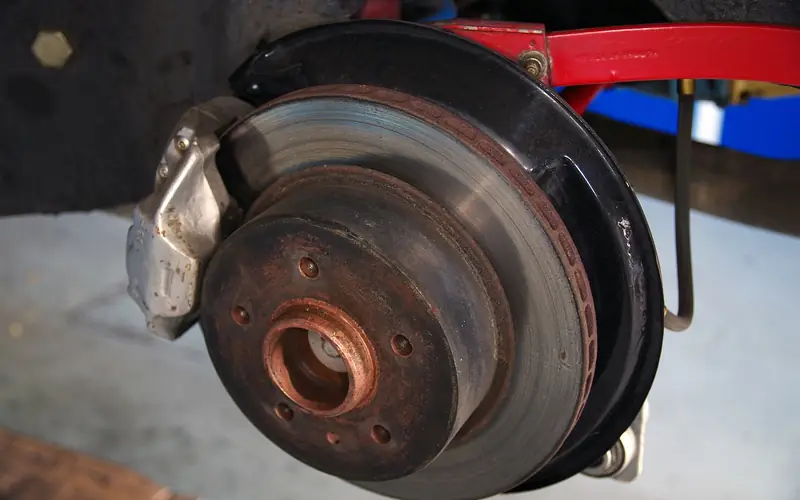
Pad compound and budget pads
Harder pad compounds can resonate more. Nissan’s bulletin says its value-line pads offer excellent braking performance but not the same noise resistance as its original-equipment pads, and that customers differ in how sensitive they are to brake noise. A noisier pad is not automatically an unsafe one, but it is a fair reason to ask your shop about quieter options.
Rotor problems
Rotor thickness variation and runout cause pulsation and judder, and Bosch’s guide stresses that pads should be changed when discs are changed. If your problem is vibration rather than noise, our guide on why a car shakes when you brake covers it.
Is It Normal or Is It Urgent?
Use the sound and the context together.
Usually normal
- A squeak during the first few stops on a cold morning (Nissan bulletin: normal, no service needed).
- An occasional squeak or squeal when you first press the pedal (Honda manual: may be normal).
- A faint squeak right after rain or a car wash that disappears within a few stops.
Get it checked soon
- A continuous squeal or metallic sound that returns on every stop.
- A squeak that appears with new pads and does not fade; take it back to the shop that fitted them.
- A new vibration in the pedal or steering wheel (AAA lists vibration as a symptom of worn pads).
Stop driving
- Grinding or growling when you brake (Wagner and Brembo both describe it as pads worn through).
- A pedal that feels soft, sinks, or changes suddenly.
- The car pulling to one side when you brake (Wagner: brakes are not being applied evenly).
- A brake warning light, or fluid around a wheel.
Wagner’s advice for any of its warning signs is to take the car to a trusted mechanic for an examination straight away rather than waiting. If the pedal or the stopping distance feels wrong, do not test it in traffic.
How Thin Is Too Thin? Brake Pad Thickness Limits
There is no single number that applies to every vehicle, and the makers quoted here measure differently. Wagner says pads with less than 1/4 inch of pad left are thin and need replacing. Brembo says that if pad thickness is less than 3 to 4 mm, it is time to replace. These are guidance figures from brake makers, not a legal limit, and your owner’s manual or a technician’s measurement against your vehicle’s specification should win over any general number.
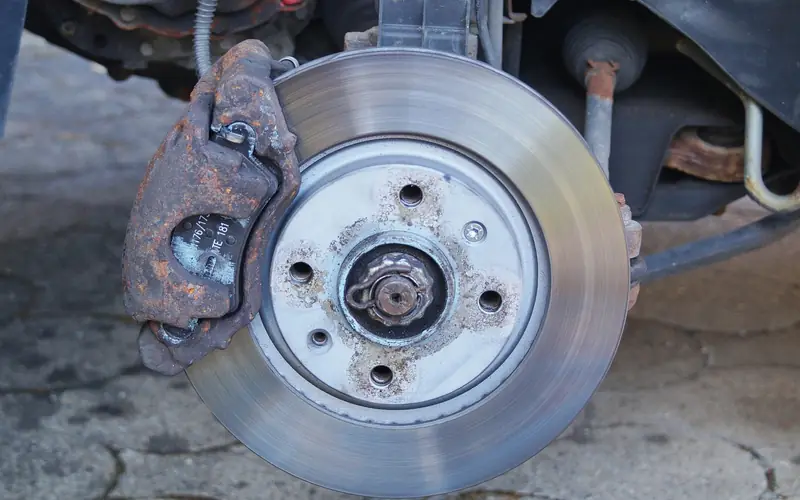
Rotors have their own minimum thickness, set by the maker for each vehicle, so a technician measures them rather than judging by eye. Brembo notes that a pronounced ridge on a disc means it has thinned from wear and is nearing the end of its life.
What a Shop Does About Squeaky Brakes
A proper brake inspection is more than looking at the pad. A typical inspection includes a road test to reproduce the noise, a check of pad and rotor thickness against specification, and a look at the caliper, hardware and hoses. Nissan’s bulletin starts with interviewing the owner and road testing the car, and its list of repairs includes cleaning dust from pads and backing plates, installing pads and shims correctly, lubricating caliper parts and hardware, and finishing the rotors properly. After a pad job, the maker’s bedding-in (burnish) procedure matters because, in Nissan’s words, it influences brake performance, including noise.
Cost varies widely by vehicle and region. AAA’s guide gives a typical range of $100 to $300 per axle for pad replacement, so treat any figure as a ballpark and ask for a written estimate. If a quote includes rotors, ask what measurement justifies replacing them.
How to Stop Squeaky Brakes: What Owners Can Safely Do
Most of the useful owner-level work is observation, not repair.
- Note the pattern. When does it happen: cold only, after rain, at low speed, on every stop? A written note helps the technician.
- Give rust a chance to clear. If the noise appears after rain or a wash and fades after a few normal stops, it is likely surface rust.
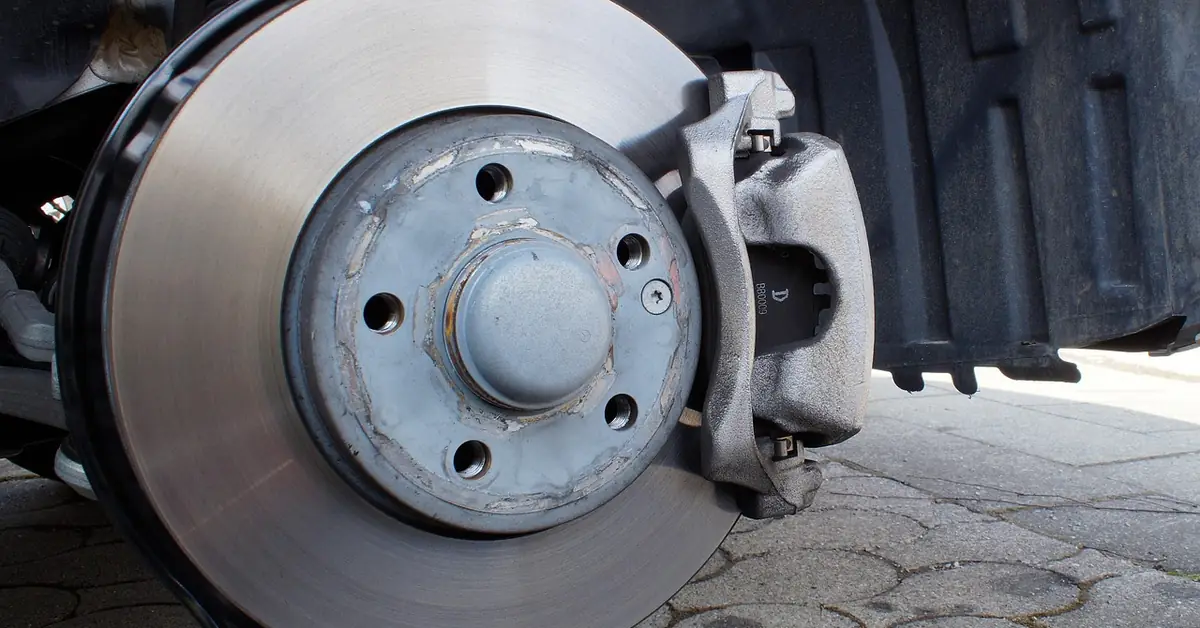
- Look through the wheel spokes with a flashlight. You can sometimes see the pad edge and rotor face without lifting the car. If the pad looks very thin, or the rotor face is deeply scored, book an inspection. Do not rely on this look as a final answer.
- Do not spray anything on the brakes. Aerosol lubricants and penetrating oils on pads or rotors can reduce braking. Bosch’s guide warns against contaminating discs or pads with grease or oil, and Nissan’s says not to get grease on the friction surface.
- Do not drive on grinding. Rotor damage gets worse with every stop, and stopping power may be compromised.
- Ask the shop about hardware. New shims, clips and the correct brake-specific lubricant on contact points are part of a quality pad job.
Pad replacement means lifting the vehicle, removing wheels and handling the caliper and, on some cars, an electronic parking brake that needs a scan tool to service. Nissan’s bulletin states it is written for qualified technicians, not do-it-yourselfers, and warns that brake dust may be hazardous if inhaled. If you do not have the training, stands, torque specifications and a way to test the result safely, have a shop do it. Never open brake lines or the hydraulic system at home.
Common Mistakes to Avoid
- Assuming a silent brake is a healthy brake. Not every pad has an audible wear indicator.
- Waiting out a grinding sound. It points to pads worn through, not an annoyance.
- Using lubricant to quiet worn pads, or copper-containing grease on pad guides (Bosch warns it can cause resonant vibration).
- Ignoring a pedal that feels different, even if the brakes still stop the car.
Related Brake Guides
- How to check your brakes: warning signs to watch for
- How often to replace your brakes
- Best brake pads for daily driving
- Best brake rotors by type and brand
- Why a car shakes when you brake
- How much brake fluid is normal
Frequently Asked Questions
Why do my brakes squeak only in the morning?
A short squeak during the first few stops of the day is usually normal. Nissan’s brake-noise service bulletin, hosted by NHTSA, describes a squeak with cold brakes during the first few morning stops as a normal condition needing no service. If the noise is still there once the brakes are warm, or it gets louder, have the brakes checked.
Is it safe to drive with squeaky brakes?
It depends on the sound. An occasional squeak when you first press the pedal can be normal, according to Honda’s owner’s manual. A continuous squeal or metallic sound means the wear indicators are touching the rotor and the pads need replacing soon. Grinding, a change in pedal feel, pulling to one side or a brake warning light means stop driving and get the car inspected by a qualified technician.
What is the difference between squeaking and grinding?
A squeal usually means the wear indicator is warning you while some friction material remains. Wagner says a grinding or growling sound typically means the pads have worn through and are grinding into the rotors, and Brembo calls it a red alert. Treat grinding as urgent.
Can brake lubricant stop squealing from worn pads?
No. Lubricant only helps when noise comes from dry or dirty contact points such as caliper pins and pad backing plates, and the maker’s directions say to keep it off pad and rotor faces. If the wear indicator is squealing, the pads need replacing, not lubricating.
Sources read for this update: Honda owner’s manual (brake system), Nissan technical bulletin NTB00-033g on brake noise (hosted by NHTSA), Wagner Brake pad guidance pages, Brembo’s brake replacement guide, AAA’s brake pad guidance, Bosch Aftermarket disc brake workshop guide, and the Permatex technical and safety data sheets for the product above. Pad-thickness figures are brake-maker guidance, not a legal limit. This page has been flagged for human safety review.
Products related to this article
Sponsored / affiliate links. As an Amazon Associate I earn from qualifying purchases. I may earn additional commission from eligible campaigns.